The Tool Desk
Outbyte Driver Updater FREEScan for outdated or missing drivers - takes under a minuteDriver Scan →Outbyte PC Repair FREERepair Windows errors before they cause bigger problemsFix Now →Some links on this page are affiliate links: if you buy through them we may earn a commission, at no extra cost to you.
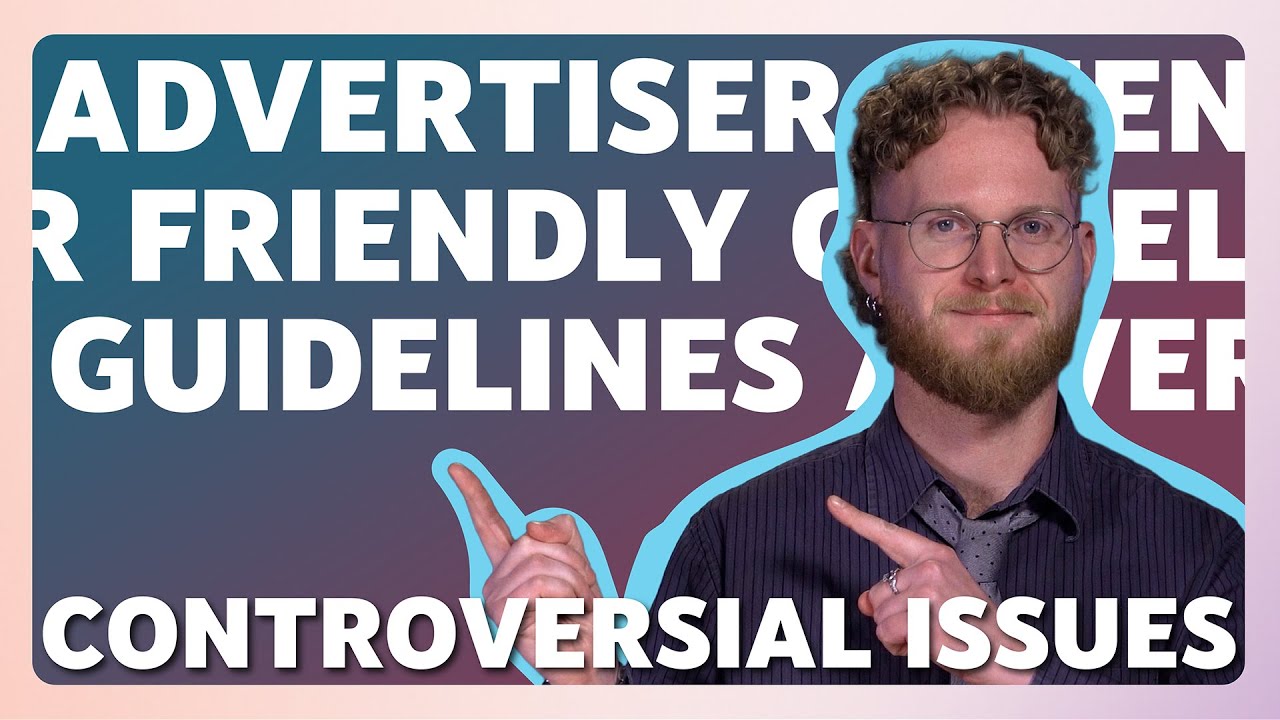
Yes—YouTube changed its advertiser-friendly content guidelines in January 2026. Videos about subjects including domestic abuse, self-harm, suicide, adult sexual abuse, abortion and sexual harassment may now qualify for full ad monetization when they are non-graphic, contextual, educational, preventative, personal, journalistic or dramatized.
The change is narrower than the headline suggests. Graphic imagery, graphic descriptions, sensational framing and certain excluded subjects can still receive limited or no advertising. It also does not change YouTube’s Community Guidelines or guarantee that a video will actually receive ads.


What YouTube changed
The revision affects YouTube’s Advertiser-Friendly Content Guidelines—the rules used to determine whether a video can receive full advertising, limited advertising or no ad revenue.
The update took effect on January 13, 2026, according to reporting by the Associated Press. YouTube said its previous approach did not sufficiently distinguish between graphic material and non-graphic or fictional treatment. As a result, some videos were receiving the yellow dollar icon even when they discussed sensitive subjects in an educational, documentary or dramatized context.
Popular on Amazon
The revised approach gives more weight to context and presentation. A serious documentary, prevention explainer or fictional storyline is no longer automatically treated in the same way as graphic footage or exploitative shock content.
Which topics may now qualify?
According to YouTube’s updated guidance and reporting from the Associated Press and TechCrunch, the examples include:
- Domestic abuse
- Self-harm
- Suicide
- Adult sexual abuse
- Abortion
- Sexual harassment
Coverage of these subjects may be eligible for full ad revenue when it is non-graphic and presented in an acceptable context. That can include news reporting, documentaries, personal testimony, interviews, educational explainers, prevention and safety information, commentary, and fictional or dramatized stories.
Recommended Free Tools
This is not a blanket decision to fully monetize all political, medical, criminal or socially divisive content. Eligibility still depends on the subject, context, treatment and overall presentation.
What “non-graphic” means in practice
The relevant distinction is not limited to what appears on screen. YouTube’s assessment can also be affected by verbal descriptions, titles, thumbnails, metadata and the opening moments of a video.
Also popular on Amazon
A video can therefore remain risky even if it contains no explicit footage. Detailed descriptions intended to shock, graphic reenactments, lurid thumbnails or sensational packaging may lead to limited monetization. Conversely, a passing, non-graphic reference should not automatically be treated like a video centered on disturbing detail—although no classification is guaranteed.
The central editorial test has four parts:
- Topic: What sensitive issue is being discussed?
- Context: Is the purpose journalistic, educational, preventative, personal, fictional or exploitative?
- Treatment: Does the video show graphic material or provide unnecessary graphic detail?
- Presentation: Do the title, thumbnail, opening and metadata frame the subject responsibly or sensationally?
Examples for documentary and commentary creators
More likely to qualify for full monetization are a documentary interview with an adult survivor of domestic abuse that avoids graphic descriptions, a suicide-prevention explainer using non-graphic language, a fictional drama focused on the aftermath of abuse, or a report on abortion policy without graphic medical imagery.
What’s actually slowing this PC down?
Pick the symptom - the matching free tool is one click away.
Still risky are graphic reenactments, thumbnails showing injuries or abuse, detailed descriptions designed to shock, videos that glorify or encourage self-harm, and compilations built primarily around disturbing material. These examples reflect the policy’s stated distinctions; they are not guarantees of a particular classification.
Subjects that remain excluded or restricted
YouTube specifically identifies child abuse, child sexual abuse or exploitation—including child sex trafficking—and eating disorders as remaining ineligible for full monetization under this change. Adult sexual-abuse coverage should not be confused with content involving children.
Graphic depictions or descriptions involving any sensitive subject can also receive limited or no advertising. A documentary purpose or newsworthy context is not a blanket exemption from advertiser-suitability rules.
Also popular on Amazon
This is not a change to YouTube’s safety rules
The January update concerns advertising eligibility, not whether content is allowed to remain on YouTube. These systems should be kept separate:
Quick wins for a faster PC:
Repair Windows errors before they cause bigger problemsFix Now →Scan for outdated or missing drivers - takes under a minuteDriver Scan →Clear out junk files and repair common Windows errorsFree Scan →- Community Guidelines: determine whether content may remain on the platform.
- Advertiser-friendly guidelines: determine whether advertisers can run against it at full or limited eligibility.
- YouTube Partner Program rules: determine whether a channel can participate in revenue sharing.
- Advertiser controls: allow individual brands and campaigns to decide where they will appear.
A video may comply with YouTube’s Community Guidelines and still receive a yellow icon or no ad revenue. The monetization update also does not legalize content that violates YouTube’s broader safety rules.
Does eligibility guarantee ads or higher earnings?
No. “Eligible for full monetization” means the video can qualify under the advertiser-friendly policy. It does not promise that every impression will receive an ad, that every advertiser will accept the placement, or that the creator will receive a particular CPM, RPM or total revenue.
Automated systems can also classify a video cautiously or incorrectly. Where available, creators can request human review through YouTube Studio. YouTube may also revise classifications after further review. As of August 18, 2026, there is no published guarantee that the change will increase earnings, fill rates or the number of monetized views.
Practical guidance before publishing
- State the documentary, educational, journalistic, fictional or preventative purpose early.
- Avoid graphic footage, graphic reenactments and unnecessary verbal detail.
- Use responsible titles, thumbnails and descriptions rather than shock-driven packaging.
- Do not glamorize, encourage or instruct harmful conduct.
- Use content warnings where appropriate, without turning them into sensational marketing.
- Keep the most sensitive material contextual rather than gratuitous.
- Take extra care with material involving children and with eating-disorder content.
- Check the current advertiser-friendly guidelines before publication.
- If the automated review produces a yellow icon that appears inconsistent with the video’s treatment, request human review where the option is available.
Why YouTube made the change
YouTube’s stated explanation is that the former rules were too restrictive and did not adequately account for context, particularly in dramatized content and non-graphic discussions. The company also responded to creator feedback about sensitive but useful videos receiving limited monetization. YouTube explained its position in a Creator Insider video.
Outdated Drivers Are Slowing You Down
One free scan finds every outdated or missing driver and matches the right update for your exact hardware.Free scan · exact hardware matchWindows Errors? Fix Them Before They Spread
Repair common Windows errors and clear accumulated junk for a smoother, more stable PC - no reinstall needed.Free scan · no reinstallAlso popular on Amazon
The commercial logic is equally important. YouTube is attempting to permit more public-interest material to earn revenue while preserving advertiser choice and brand-safety controls. That means the policy is more context-sensitive, not unrestricted.
What the change means for documentary makers
For documentary producers, survivor-led channels, educators and journalists, the update may reduce the risk that a non-graphic treatment is penalized solely because of its subject. It is particularly relevant to factual interviews, prevention work, policy reporting and dramatized storytelling.
It does not remove the editorial responsibility to avoid unnecessary detail or sensational presentation. A serious documentary can still be restricted if it opens with graphic footage, uses disturbing imagery in its thumbnail or centers the video on explicit descriptions.
Creators should also remember that platform advertising is only one revenue source. Channels that regularly cover difficult subjects may use YouTube’s native fan-support tools, such as memberships and Super Thanks, if eligible, or develop off-platform membership support. Those alternatives can diversify income, but they do not change YouTube’s classification of a video.
Free tools Windows power users keep installed
One-click scans. No signup required.
The bottom line
YouTube has loosened advertiser-suitability rules for some non-graphic, contextual and dramatized coverage of controversial subjects. It has not opened the door to graphic or exploitative material, and child abuse, child sexual exploitation and eating-disorder content remain specifically excluded from full monetization. The practical result is expanded eligibility—not guaranteed ads, guaranteed revenue or a rewrite of YouTube’s broader safety rules.
Quick Recap
Product prices and availability are accurate as of the date/time indicated and are subject to change. Any price and availability information displayed on Amazon at the time of purchase will apply.






Say something about this film