Quick wins for a faster PC:
Repair Windows errors before they cause bigger problemsFix Now →Fix the driver behind crashes, sound loss and screen glitchesFind Drivers →Clear out junk files and repair common Windows errorsFree Scan →The Polaris Dawn spacewalk is no longer live. The historic extravehicular activity took place on September 12, 2024. You can watch the official SpaceX Polaris Dawn webcast replay on YouTube and consult the official SpaceX mission page for mission details.
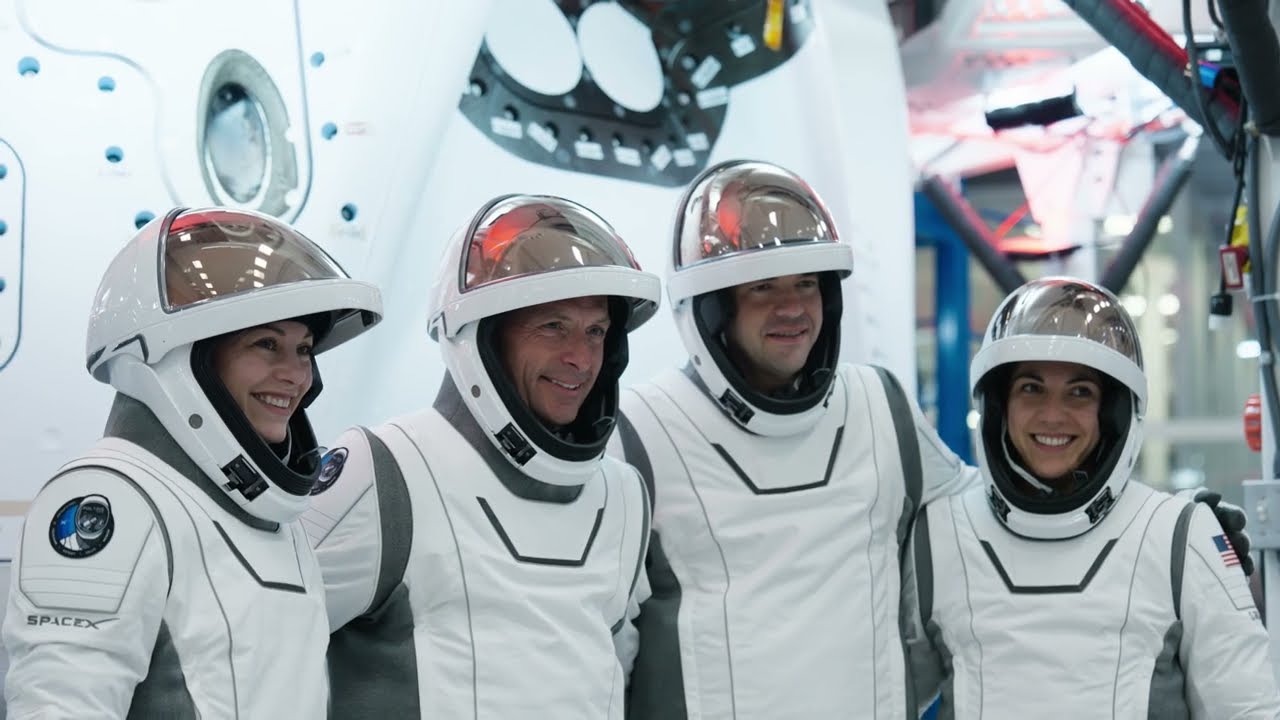
The most accurate description is that Polaris Dawn completed the first spacewalk by nongovernmental astronauts from a commercially operated spacecraft, using SpaceX-developed EVA suits. “First all-civilian spacewalk” is understandable shorthand, but only Jared Isaacman and Sarah Gillis exited the spacecraft; all four crew members were exposed to the vacuum environment inside the depressurized cabin.
| # | Preview | Product | Price | |
|---|---|---|---|---|
| 1 |

|
Space Station/Mission to Mir Imax [Blu-ray] | $64.54 | Buy on Amazon |
| 2 |

|
Mission Control: The Unsung Heroes of Apollo [Blu-ray] | $22.49 | Buy on Amazon |
| 3 |

|
Space Cowboys | $7.99 | Buy on Amazon |
| 4 |

|
APOLLO 13-20TH ANNIVERSAR - MO [Blu-ray] [1995] | $20.35 | Buy on Amazon |
| 5 |

|
2001: A Space Odyssey | Buy on Amazon |
What happened during the Polaris Dawn spacewalk?
Polaris Dawn launched on September 10, 2024, from Launch Complex 39A at NASA’s Kennedy Space Center in Florida. The Crew Dragon spacecraft reached an apogee of approximately 1,408.1 kilometers, the highest Earth orbit flown by humans since the Apollo era, according to SpaceX.
Two days later, the crew prepared Dragon for an EVA, opened the hatch and began a tethered “stand-up” spacewalk. Jared Isaacman exited first, followed by Sarah Gillis. Both tested their mobility and SpaceX’s newly developed EVA suits while remaining connected to the spacecraft. The overall EVA operation lasted approximately 106 minutes; that figure does not mean each astronaut spent 106 minutes independently outside the hatch.
Free tools Windows power users keep installed
One-click scans. No signup required.
#1 Best Overall
Dragon’s entire cabin was depressurized for the operation. Unlike a typical International Space Station spacewalk, this mission did not use a conventional airlock to isolate the crew from the vacuum. All four astronauts wore pressure suits, while Isaacman and Gillis performed the exterior movements.
Why was it historic?
Polaris Dawn was not the first spacewalk ever, nor was it the first civilian orbital mission. Government astronauts had conducted EVAs since the 1960s, and the earlier Inspiration4 mission had already established an important civilian-orbital milestone.
Polaris Dawn’s distinct achievement was combining:
Rank #2
- A nongovernmental, privately funded crew;
- A commercially produced and operated Crew Dragon spacecraft;
- SpaceX-developed EVA suits rather than standard government spacesuits; and
- An EVA conducted from a commercial spacecraft rather than a government space station or spacecraft.
The Polaris Program described it as the first commercial astronaut spacewalk. That wording is more precise than saying all four astronauts “walked in space.”
Who was on the Polaris Dawn mission?
| Crew member | Role | Spacewalk activity |
|---|---|---|
| Jared Isaacman | Mission commander | Exited Dragon and performed the first exterior EVA |
| Scott “Kidd” Poteet | Mission pilot | Supported the operation from inside the spacecraft |
| Sarah Gillis | Mission specialist and SpaceX engineer | Exited Dragon and performed the second exterior EVA |
| Anna Menon | Mission specialist and SpaceX engineer | Supported the operation from inside the spacecraft |
The full crew was civilian in the sense that it was nongovernmental. However, “civilian” does not mean untrained: the astronauts completed extensive preparation for the mission’s pressure, medical and EVA procedures.
How the operation worked
Because Dragon did not have a conventional airlock for this mission, the spacecraft’s cabin atmosphere had to be managed as part of the test. The crew followed a multiday preparation and depressurization process, including procedures intended to reduce the risk of decompression sickness.
Rank #3
Once the hatch opened, Isaacman and Gillis used restraints and remained connected to Dragon while evaluating how the new suits handled movement around the spacecraft. They did not fly away from Dragon or conduct an untethered excursion. The mission was designed as a technology demonstration, not as a station-maintenance or repair EVA.
The test focused on:
- Mobility and usability of SpaceX’s new pressure suits;
- Crew movement around Dragon;
- Hand and foot restraints;
- Procedures for conducting an EVA without a dedicated airlock; and
- Operational data relevant to future commercial and deep-space missions.
NASA also identified Polaris Dawn research areas including health monitoring and telemedicine. The resulting data may help inform future human-spaceflight planning, but the mission did not demonstrate that these suits or procedures were already ready for every lunar, Martian or orbital-repair application. See NASA’s research overview.
Do these 3 things before closing this tab:
1Clear out junk files and repair common Windows errors2Scan for outdated or missing drivers - takes under a minute3Repair Windows errors before they cause bigger problemsWhat to watch for in the official replay
- The mission context: Dragon’s unusually high orbit and the crew’s preparation for the EVA.
- The hatch opening: The operation required the entire cabin to be prepared for exposure to vacuum.
- Isaacman’s exit: He was the first crew member to move outside Dragon.
- Gillis’s EVA: She followed Isaacman and helped demonstrate the suit’s mobility.
- The crew’s roles: Poteet and Menon remained inside the spacecraft but were essential participants in the depressurized operation.
If the YouTube video is unavailable in your region, look for the official SpaceX upload rather than an unverified rehost. Commentary streams and news clips may summarize the event, but they are not substitutes for the primary webcast.
Terminology that prevents confusion
- EVA
- Extravehicular activity—the formal term for work or movement outside a spacecraft.
- Spacewalk
- The familiar public term for an EVA.
- Civilian
- In this context, a nongovernmental astronaut or crew member. It does not imply a lack of training.
- Private or commercial mission
- A mission funded, produced or operated outside the traditional government astronaut program. The exact meaning depends on the claim being made.
In short: “All-civilian” describes the crew’s status. Isaacman and Gillis performed the exterior EVA, while all four crew members occupied the depressurized spacecraft cabin.
Independent reader supportYour contribution helps us test, update, and keep practical guides available for everyone.Key facts
| Fact | Detail |
|---|---|
| Launch | September 10, 2024, from Kennedy Space Center’s Launch Complex 39A |
| Spacewalk | September 12, 2024 |
| Official replay | SpaceX’s Polaris Dawn webcast |
| Peak altitude | Approximately 1,408.1 kilometers, according to SpaceX |
| Exterior EVA participants | Jared Isaacman and Sarah Gillis |
| Overall EVA duration | Approximately 106 minutes |
| Spacecraft | SpaceX Crew Dragon |
Frequently asked questions
Is the Polaris Dawn spacewalk still live?
No. It took place on September 12, 2024. The official SpaceX webcast is now available as a replay.
Was it the first all-civilian spacewalk?
That phrase is common but imprecise. Polaris Dawn achieved the first commercial or nongovernmental astronaut EVA from a commercially operated spacecraft. Only Isaacman and Gillis exited Dragon.
Best Value
Did all four astronauts leave the spacecraft?
No. Isaacman and Gillis performed the exterior activity. Poteet and Menon supported the operation from inside the cabin, which had been depressurized and exposed all four crew members to the vacuum environment.
Was Jared Isaacman the first civilian spacewalker?
Isaacman was the first crew member to exit during this mission, and Polaris Dawn is widely described as the first commercial spacewalk. The claim should be understood as referring to the first nongovernmental EVA from a commercial spacecraft, not the first spacewalk in history.
Quick Recap
Product prices and availability are accurate as of the date/time indicated and are subject to change. Any price and availability information displayed on Amazon at the time of purchase will apply.






Say something about this film