Some links on this page are affiliate links: if you buy through them we may earn a commission, at no extra cost to you.
“Opalite” is Taylor Swift’s song about making happiness deliberately after disappointment, and its title is tied to Travis Kelce through his birthstone: opal. Swift has said Kelce loves the track and that opal is his birthstone, but she has not confirmed that every lyric is a literal account of their relationship.
The song is track three on The Life of a Showgirl, released in the album’s October 3, 2025 release window. Its central image treats opalite—a man-made opal, in Swift’s explanation—as a metaphor for a life and love built through effort rather than discovered fully formed.


What is Taylor Swift’s “Opalite” about?
“Opalite” combines romantic optimism with self-forgiveness. Its narrator looks back at relationships and choices that did not work, then recognizes that disappointment can provide perspective instead of permanently defining the future. The song’s emotional movement is from regret and comparison toward a shared decision to create something better.
Swift described the song to Hits Radio as being about “forgiving yourself for having gone through something that didn’t pan out the way you wanted it to.” That framing makes the song broader than a straightforward celebrity love song. It is about learning from failed paths, releasing self-blame and accepting that a satisfying life may require active participation.
Popular on Amazon
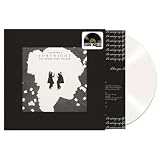
- LIMITED EDITION: Exclusive white vinyl 7-inch single featuring the collaboration between Taylor Swift and Post Malone on 'Fortnight'
- VINYL FORMAT: Premium 7-inch vinyl record pressed in pristine white color, perfect for collectors and audiophiles
- ARTWORK: Distinctive black and white cover art featuring silhouetted figures against a textured background
- COLLECTIBLE RELEASE: Special release from Taylor Swift's discography, featuring the unique pairing with Post Malone
- PHYSICAL MEDIA: High-quality vinyl pressing ensuring optimal sound reproduction and lasting durability
The song’s central metaphor
Swift told Capital Breakfast that she learned opalite is a man-made opal and connected that idea to happiness: “happiness can also be man-made too.” In the song’s logic, happiness is not counterfeit simply because people help produce it. A relationship can be real and meaningful while still requiring choices, work and maintenance.
That idea also appears in Swift’s comments reported by Variety about the official release-party film: “You had to fight for it. You had to work for it. You had to earn it.” The statement gives “Opalite” an agency-focused meaning. Love is not presented as a force that removes every difficulty; it is something two people can build after recognizing what did not work before.
Is “Opalite” really about Travis Kelce?
It is accurate to call the song tied to Travis Kelce, but stronger claims need qualification. Swift directly connected the title to Kelce by explaining that opal is his birthstone, and she said he loves the song. Those are documented links. Swift has not provided a line-by-line statement confirming that every scene or lyric describes Kelce or their private relationship.
Quick wins for a faster PC:
Scan for outdated or missing drivers - takes under a minuteDriver Scan →Clear out junk files and repair common Windows errorsFree Scan →Fix the driver behind crashes, sound loss and screen glitchesFind Drivers →What Swift has confirmed
- Kelce’s birthstone is opal, which explains why the word “opalite” carries a personal association for Swift.
- Swift sees the man-made nature of opalite as a parallel for making happiness through intention and effort.
- Kelce loves “Opalite,” and Swift has described it as probably his favorite track on the album.
What remains interpretation
The romantic addressee is widely read as Kelce, and the birthstone explanation strongly supports that reading. Still, an interpretation is not the same as an autobiographical key. The most precise description is that “Opalite” is inspired by, or tied to, Kelce while also functioning as a general song about recovery and chosen happiness.
Why does opal connect “Opalite” to Travis Kelce?
The connection is straightforward: Swift says Kelce’s birthstone is opal, while the title refers to opalite, which she describes as a man-made opal. That word choice turns a personal detail into the song’s governing image. The title can point toward Kelce without reducing the song to a private nickname or a formal dedication.
Also popular on Amazon
Opal therefore works on two levels. It identifies the person associated with the song, and it supplies the metaphor for an emotional life that is intentionally made. The title’s reference is specific, while the song’s message is expansive enough to include anyone rebuilding confidence after a failed relationship or plan.
How do the lyrics move from past relationships to hope?
The opening perspective is shaped by emotional residue. The narrator looks backward and feels surrounded by “perfect couples” who appear to understand rules of love that she has not mastered. The other person in the song is also emerging from a difficult, stagnant relationship, so the two characters meet with history rather than innocence.
Do these 3 things before closing this tab:
1Fix the driver behind crashes, sound loss and screen glitches2Repair Windows errors before they cause bigger problems3Scan for outdated or missing drivers - takes under a minuteLooking back without staying there
These details establish comparison and uncertainty, but they are not the destination. The past supplies information about what failed and what each person now recognizes. Self-forgiveness matters because the narrator is not asked to pretend the earlier choices were good; she is asked to stop treating them as proof that future happiness is impossible.
The turn toward a shared future
The song’s emotional turn comes when the two people recognize each other’s experience and begin imagining a different atmosphere. The brief image “now the sky is opalite” makes the gemstone feel like a changed emotional climate: the world has not become flawless, but it has become luminous and possible.
That shift is mutual rather than purely individual. The song does not say one person rescues the other from a bad past. Instead, two people who have learned from disappointment participate in a new form of happiness together.
Also popular on Amazon
What does “happiness can also be man-made” mean here?
Swift’s phrase rejects the assumption that happiness is less authentic when people work to create it. “Man-made” in this context does not mean artificial in the dismissive sense. It means constructed through decisions, care, forgiveness and persistence.
That distinction is important for understanding the song’s optimism. “Opalite” does not promise that a new relationship will erase every old wound. It suggests that people can use what they learned, choose different behavior and make conditions in which happiness has a chance to grow.
Romance and personal responsibility
The romantic message and the self-help message are intertwined. A partner can share the work, but neither person is passive. The song’s hope comes from agency: noticing patterns, forgiving earlier mistakes and taking responsibility for the future without claiming total control over it.
Where does “Opalite” appear on The Life of a Showgirl?
“Opalite” is track three on the 12-track album The Life of a Showgirl. The published sequence begins with “The Fate of Ophelia,” followed by “Elizabeth Taylor,” then “Opalite.” Its position places the song early in the album rather than at the closing or bonus-track stage.
| Album detail | Documented information |
|---|---|
| Album | The Life of a Showgirl |
| Track | “Opalite” |
| Position | Track 3 |
| Total tracks | 12 |
| Release window | October 3, 2025 |
The early placement helps explain why the song can feel like a thematic statement: it introduces an idea of earned happiness near the beginning of the album’s journey. That is an observation about sequencing, not a claim that Swift has assigned an official narrative role to the track.
Recommended Free Tools
Also popular on Amazon
What did Swift say about writing “Opalite”?
Swift has said she saved the word “opalite” among her favorite writing words before learning its material meaning. Discovering that it referred to a man-made opal gave her a bridge between a striking word and the idea of deliberately made happiness.
Her radio comments are the clearest guide to the song’s purpose. Capital Breakfast supplied the birthstone connection and the “man-made” happiness idea; Hits Radio supplied the explanation about forgiving yourself after something failed. Together, those statements support an interpretation that joins romantic love to emotional recovery.
What physical releases include “Opalite”?
Two physical-product paths are documented: an “Opalite” 7-inch vinyl single and a 12-track The Life of a Showgirl Portofino Orange Glitter Vinyl edition listed in the official Taylor Swift store. The single focuses on the individual track, while the album edition contains the complete album.
| Format | What it contains or emphasizes | Documented features |
|---|---|---|
| “Opalite” 7-inch Vinyl Single | A physical release centered on “Opalite” | Single-track focus |
| The Life of a Showgirl Portofino Orange Glitter Vinyl | All 12 album tracks | Collectible double gatefold jacket, full-size photograph, poem panel, photo strip and lyric sleeves |
Store stock, regional eligibility, sellers and prices can change. Before ordering, check the current official listing and confirm that the edition, shipping region and seller match what you want; a product notice does not guarantee continuing availability.
Crashes, No Sound, or Screen Glitches?
Random freezes, missing sound and display glitches usually trace back to one bad driver. Find and replace yours safely.Free scan · under a minutePC Slower Than It Used to Be?
A free scan shows the junk files, broken settings and background clutter dragging Windows down - then fixes them in one click.Free scan · Windows 10 & 11How should listeners interpret the Kelce connection without overreading it?
Separate what Swift said from what the lyrics invite listeners to infer. The opal birthstone reference and Kelce’s reported affection for the song are direct evidence. Reading the song as a portrait of their relationship is plausible, but it remains interpretation unless Swift confirms specific lyrics.
Also popular on Amazon
- Documented: opal is Kelce’s birthstone; Swift connected that fact to the title; she described happiness as something people can make; she said Kelce loves the song.
- Interpretive: the addressee is Kelce; individual images map onto events in their relationship; every line is autobiographical.
- Best wording: “tied to,” “inspired by” or “widely read as” rather than “a confirmed line-by-line account.”
This distinction preserves both sides of the song. It acknowledges the personal clue that makes “Opalite” newsworthy while taking seriously Swift’s larger explanation about growth and agency.
What is the song’s overall meaning?
“Opalite” says that a disappointing past does not disqualify someone from a joyful future. Two people can meet after failed relationships, forgive themselves for choices that did not work and take part in making a healthier happiness. The opal reference links that idea to Kelce, but the metaphor is broad enough to stand on its own.
Its optimism is therefore practical rather than magical. Happiness may look luminous, like opalite in the song’s sky, but getting there involves recognition, work and a willingness to choose a future instead of remaining trapped in comparison with the past.
Frequently Asked Questions
Did Taylor Swift call “Opalite” an official dedication to Travis Kelce?
No formal dedication has been documented. Swift connected the title to Kelce through his opal birthstone and said he loves the song, while leaving the lyrics open to broader interpretation.
What did Travis Kelce reportedly say about “Opalite”?
Swift said Kelce loves the track and described it as probably his favorite song on the album. That preference is part of the documented connection, separate from speculation about which lyrics refer to him.
Why did Swift choose the word “Opalite” instead of simply “Opal”?
Swift has explained that she was drawn to the word and then learned opalite is a man-made opal. That discovery allowed the title to carry both the personal birthstone reference and her metaphor about intentionally made happiness.
Is the “Opalite” 7-inch the same product as the album vinyl?
No. The 7-inch is a single-focused release, while the Portofino Orange Glitter Vinyl is the 12-track album edition with collectible packaging elements. Listing details and availability can change by region and over time.
The Tool Desk
Outbyte Driver Updater FREEScan for outdated or missing drivers - takes under a minuteDriver Scan →Outbyte PC Repair FREERepair Windows errors before they cause bigger problemsFix Now →





Say something about this film