Quick wins for a faster PC:
Clear out junk files and repair common Windows errorsFree Scan →Fix the driver behind crashes, sound loss and screen glitchesFind Drivers →Some links on this page are affiliate links: if you buy through them we may earn a commission, at no extra cost to you.
SANBS’s documentary Why Blood Matters premiered in Johannesburg on 8 October 2026 while South Africa’s reported blood supply stood at 4.2 days’ cover—below the service’s five-day minimum target. The film explains how voluntary donations are tested, separated, stored and sent to hospitals, and appeals to eligible people to donate before the festive-season pressure worsens. SANBS later reported 3.9 days’ cover in late October and about four days after a slight recovery. Those are dated snapshots, not a confirmed national figure for 12 November 2026; no later nationwide figure was published in the available reports.
What is Why Blood Matters about?
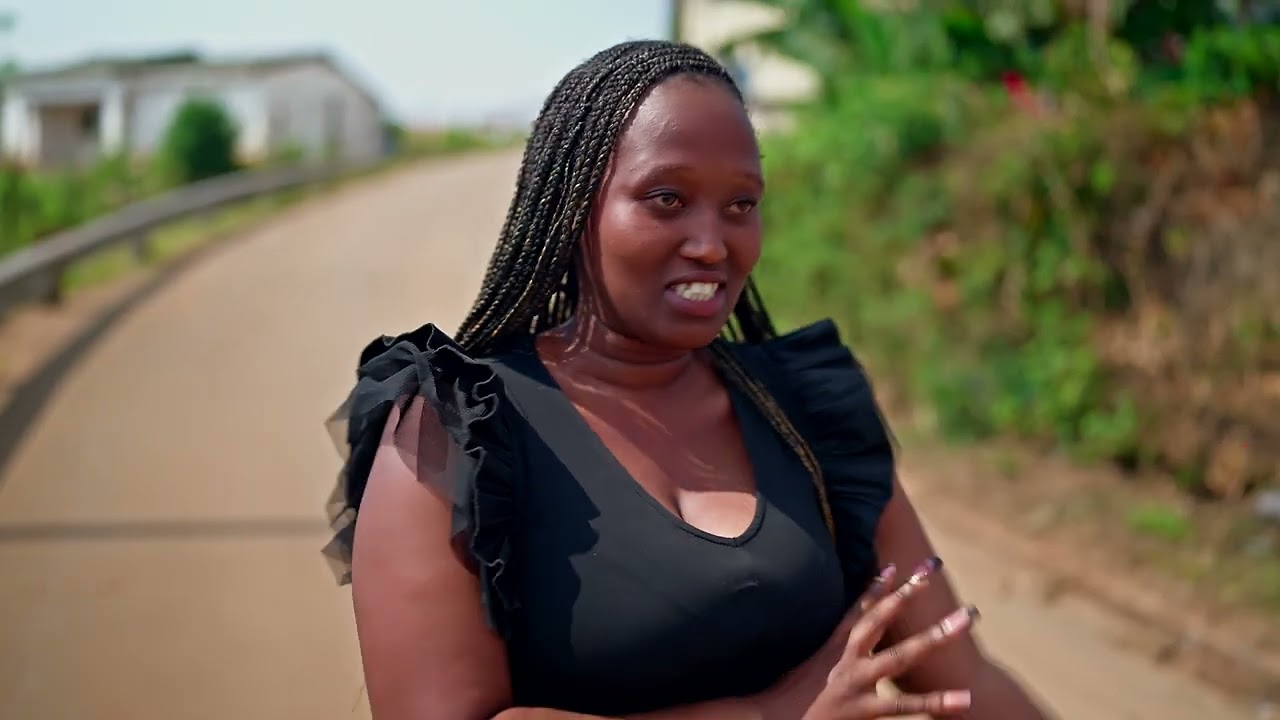
The SANBS film follows blood from a voluntary donor through testing, component processing, storage and hospital distribution. Donors, recipients, clinicians and SANBS staff describe why a unit matters beyond a stock-level statistic. Featured recipients include Marie Bontjes, who was diagnosed with anaemia as a one-year-old; Meena Singh, who needed multiple units during a liver transplant; and Gregory Naidoo, whose medical emergency was unpredictable. Donors include Mario Ferreira, who has donated since age 19, Boitumelo Masiu and Siyabonga Malinga.
Simphiwe Cele, SANBS marketing and branding manager, said every unit carries “a human story” involving a donor, safety staff and a patient. The film’s public message is “Be the Lifeline. Donate today.”
The Tool Desk
Outbyte Driver Updater FREEScan for outdated or missing drivers - takes under a minuteDriver Scan →Outbyte PC Repair FREERepair Windows errors before they cause bigger problemsFix Now →The premiere was followed by a scheduled SABC 2 broadcast on 11 October at 21:00. Coverage from Caxton/Citizen and OFM recorded a repeat on 16 October at 13:30. Quicknews published a documentary trailer; the available reports do not establish whether the complete film remains online.
Popular on Amazon

- HD streaming made simple: With America’s number 1 TV streaming platform,* exploring popular apps—plus tons of free movies, shows, and live TV—is as easy as it is fun. *Based on hours streamed—Hypothesis Group
- Compact without compromises: The sleek design of Roku Streaming Stick won’t block neighboring HDMI ports, and it even powers from your TV alone, plugging into the back and staying out of sight. No wall outlet, no extra cords, no clutter.
- No more juggling remotes: Power up your TV, adjust the volume, and control your Roku device with one remote. Use your voice to quickly search, play entertainment, and more.
- Shows on the go: Take your TV to-go when traveling—without needing to log into someone else’s device.
- TV, simplified: With setup that only takes minutes, a simple-to-navigate Home Screen, and an uncluttered remote control that does all you need—Roku makes it easier to watch the TV you love.
How low did SANBS blood stocks fall?
SANBS’s figures changed through October as collections and hospital demand moved. They should be read as a sequence rather than conflicting measurements:
| Date or period | Reported national position | What it meant |
|---|---|---|
| 8–17 October 2026 | 4.2 days’ cover | The level highlighted around the documentary premiere. |
| 23–27 October 2026 | 3.9 days’ cover | Below SANBS’s five-day minimum; some regions were below three days. |
| 28 October 2026 | Less than four days’ supply | Reported by SANBS through East Coast Radio. |
| 30 October 2026 | About four days’ cover | A slight recovery, but still below target; SANBS said stocks would last about four days if collection stopped. |
SANBS says it needs approximately 3,500 units every day. Raising stock from four days to five would therefore require about 7,000 additional units in one day, an increase SANBS representative Siemi Prithvi Raj said is not quickly achievable. There is no independently published national days-of-cover figure for 12 November 2026.
Why is the supply under pressure?
Blood is a continuously moving inventory, not a warehouse that can be filled once. Red blood cells last up to 42 days, so regular donations are needed to replace units as they expire. SANBS has also reported daily collections below its roughly 3,500-unit requirement, increased demand over recent months, cancelled workplace and shopping-centre drives, weather and venue problems, and reduced access to school donors while learners write examinations.
Also popular on Amazon

- Ultra-speedy streaming: Roku Ultra is 30% faster than any other Roku player, delivering a lightning-fast interface and apps that launch in a snap.
- Cinematic streaming: This TV streaming device brings the movie theater to your living room with spectacular 4K, HDR10+, and Dolby Vision picture alongside immersive Dolby Atmos audio.
- The ultimate Roku remote: The rechargeable Roku Voice Remote Pro offers backlit buttons, hands-free voice controls, and a lost remote finder.
- No more fumbling in the dark: See what you’re pressing with backlit buttons.
- Say goodbye to batteries: Keep your remote powered for months on a single charge.
The usual festive-season donation decline was still ahead when the October appeals ran. In KwaZulu-Natal, SANBS identified particular pressure in northern and southern areas, the lower south coast toward the Eastern Cape border and parts of eThekwini. Doctors may have to prioritise patients, and people needing several units may initially receive fewer while stocks recover.
Who depends on donated blood?
SANBS and its regional spokespeople cite trauma and accident patients, surgical patients, women with childbirth haemorrhage, people receiving cancer treatment, transplant recipients and patients with anaemia, including children. Jana Wallace of SANBS’s Free State and Northern Cape donor-relations team noted that blood’s limited shelf life makes recurring donations essential for reliable hospital care.
Group O red cells are the emergency universal type when there is no time to establish a patient’s group, but SANBS is asking for all blood groups. The official donor information notes that Rhesus-negative patients should ideally receive Rhesus-negative blood; during shortages, priority for that supply is given to women of childbearing age.
Also popular on Amazon

- 4K streaming made simple:With America’s number 1 TV streaming platform,* exploring popular apps—plus tons of free movies, shows, and live TV—is as easy as it is fun. *Based on hours streamed—Hypothesis Group
- 4K picture quality: With Roku Streaming Stick Plus, watch your favorites with brilliant 4K picture and vivid HDR color.
- Compact without compromises: Our sleek design won’t block neighboring HDMI ports, and it even powers from your TV alone, plugging into the back and staying out of sight. No wall outlet, no extra cords, no clutter.
- No more juggling remotes: Power up your TV, adjust the volume, and control your Roku device with one remote. Use your voice to quickly search, play entertainment, and more.
- Shows on the go: Take your TV to-go when traveling—without needing to log into someone else’s device.
Who can donate through SANBS?
Check the official SANBS requirements before travelling. The listed conditions include:
Recommended Free Tools
- First-time donors aged 16–75.
- At least 50 kg for whole blood, or 55 kg for platelet donation.
- Good health, a low-risk lifestyle and confidence that the donation is safe for transfusion.
- A meal less than four hours before donating; do not arrive fasting.
- No whole-blood donation in the previous 56 days, or platelet/plasma donation in the previous 14 days.
- Pulse of 60–100 beats per minute, blood pressure of 100–180 systolic and 60–100 diastolic, and haemoglobin of at least 12.0 g/dl for women or 13.0 g/dl for men.
SANBS says people who are HIV-positive, being treated for a sexually transmitted infection, donating solely to obtain an HIV test, or engaging in the high-risk sexual or injecting behaviours listed on its page should not donate. Eligibility can change with personal circumstances, so the screening interview remains decisive.
How do I find a SANBS donor centre or host a drive?
- Use sanbs.org.za to locate a fixed centre or mobile drive, or call 0800 11 9031 (also written 0800 11 90 31).
- Eat a meal within the SANBS time window, bring the information requested by the centre and allow time for health screening, collection and refreshments.
- If a workplace, school, church, residential complex or community venue can provide a free, publicly accessible space, submit the blood-drive booking form.
SANBS customer service lists Monday–Friday hours of 07:00–17:00 and Saturday hours of 08:00–13:00. Email support is available at [email protected]. Western Cape readers should verify which service operates their nearest collection site, because the material available for this report does not establish the Western Cape Blood Service’s current stock position.
Also popular on Amazon
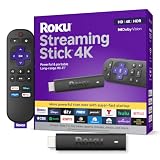
- Stunning 4K and Dolby Vision streaming made simple: With America’s number 1 TV streaming platform,* exploring popular apps—plus tons of free movies, shows, and live TV—is as easy as it is fun. *Based on hours streamed—Hypothesis Group
- Breathtaking picture quality: Stunningly sharp 4K picture brings out rich detail in your entertainment with four times the resolution of HD. Watch as colors pop off your screen and enjoy lifelike clarity with Dolby Vision and HDR10+.
- Seamless streaming for any room: With Roku Streaming Stick 4K, watch your favorite entertainment on any TV in the house, even in rooms farther from your router thanks to the long-range Wi-Fi receiver.
- Shows on the go: Take your TV to-go when traveling—without needing to log into someone else’s device.
- Compact without compromises: Our sleek design won’t block neighboring HDMI ports, so you can switch from streaming to gaming with ease. Plus, it’s designed to stay hidden behind your TV, keeping wires neatly out of sight
Why donating now matters more than waiting
SANBS is asking regular donors who are due, lapsed donors and eligible first-time donors to act before December. A single donation can be separated into red cells, plasma and platelets; OFM reported SANBS’s explanation that this can help as many as three people, although that is an operational component-splitting message rather than an independently audited clinical result. The practical point is timing: a donation today enters a short-lived supply chain, while waiting for holiday plans collides with examinations, cancelled drives and seasonal demand.
SANBS, established in 2001 through the amalgamation of six regional services, marked 25 years in 2026. Its campaign, Be The Lifeline: Give Blood. Give A Tomorrow, asks ordinary donors to provide the only source of blood that hospitals can transfuse—human donations.
Frequently Asked Questions
Can I donate blood if I am 16 or 17 in South Africa?
SANBS lists ages 16–75 for first-time donors. The centre will still apply its consent, health-screening and eligibility procedures, so contact SANBS before attending if you are a minor.
Also popular on Amazon

- The Google TV Streamer (4K) delivers your favorite entertainment quickly, easily, and personalized to you[1,2]
- HDMI 2.1 cable required (sold separately)
- See movies and TV shows from all your services right from your home screen[2]; and find new things to watch with tailored recommendations for everyone in your home based on their interests and viewing habits
- If you find an interesting show or movie on your TV, mobile app, or Google search, you can easily add it to your watchlist, so it’s ready when you are[2]
- Up to 4K HDR with Dolby Vision delivers captivating, true-to-life detail[4]; and you can connect speakers that support Dolby Atmos for more immersive 3D sound
Is O-negative the only blood type SANBS needs?
No. Group O red cells are used as the emergency universal type, but hospitals need every ABO and Rhesus group. A person with a less commonly requested group should not assume their donation is unnecessary.
How often can I donate platelets compared with whole blood?
SANBS lists a 56-day interval for whole-blood donations and 14 days for platelet or plasma donations. Platelet donors must meet the higher 55 kg minimum.
What happens to blood after it is collected?
SANBS tests each donation, processes it into components such as red cells, plasma and platelets, stores those components within their shelf-life limits and distributes them to hospitals when requested.






Say something about this film