If Netflix dialogue does not match the picture, first test another Netflix title, another app, and your TV’s built-in speakers. Those checks show whether the fault follows one title, the Netflix app or streaming device, or an external sound system. Start with a full restart; if the TV speakers are synchronized but a soundbar or receiver is not, focus on that audio path before changing or replacing equipment.
Run three quick tests to find where the problem is
Audio can be ahead of the picture, so you hear a line before the speaker’s lips move, or delayed, so the mouth moves first. That is different from choppy sound, a frozen picture, buffering, or a title whose dubbing or editing seems mismatched. An echo may simply mean the TV speakers and soundbar are both playing.
- Pause the title, then close and reopen it.
- Play a different Netflix title and compare the same kind of scene, ideally one with clear dialogue.
- Play another streaming app or another source on the TV, if available.
- Switch temporarily to the TV’s internal speakers, disconnecting or turning off the soundbar or receiver.
| What you find | Most likely area to check |
|---|---|
| One Netflix title is out of sync | The title or its source material; report it to Netflix rather than resetting the TV. |
| All Netflix titles are affected on one device | The Netflix app, device software, or that device’s audio output. |
| Netflix and other apps are affected on one TV | The TV, connected sound system, HDMI path, or TV audio processing. |
| Every source and app is affected | A system-wide TV or audio delay, or an audio device in the signal path. |
| TV speakers are in sync, external speakers are not | The soundbar, receiver, ARC/eARC or optical connection, or passthrough settings. |
| Another streamer works on the same TV and audio system | The original streaming device or its Netflix app. |
| The same title is out of sync on several devices | A title-specific Netflix issue or a problem with the source master. |
Netflix says sync trouble can originate with the device or the title. Its guidance recommends comparing other shows and movies; for an affected title, use Netflix’s audio/video troubleshooting steps and report the problem from Viewing Activity.
Try the least disruptive fixes first
Restart the TV and streaming device fully
A standby tap may not fully restart either device. Turn them off, then unplug the TV-connected streaming device from power. Netflix’s device-specific guidance includes pressing the device’s power button once and waiting one minute, or leaving it unplugged for three minutes. Reconnect, reopen Netflix, and test the same scene. A restart is a low-risk check, not a guaranteed cure.
Quick wins for a faster PC:
Scan for outdated or missing drivers - takes under a minuteDriver Scan →Clear out junk files and repair common Windows errorsFree Scan →Fix the driver behind crashes, sound loss and screen glitchesFind Drivers →#1 Best Overall

- HD streaming made simple: With America’s number 1 TV streaming platform,* exploring popular apps—plus tons of free movies, shows, and live TV—is as easy as it is fun. *Based on hours streamed—Hypothesis Group
- Compact without compromises: The sleek design of Roku Streaming Stick won’t block neighboring HDMI ports, and it even powers from your TV alone, plugging into the back and staying out of sight. No wall outlet, no extra cords, no clutter.
- No more juggling remotes: Power up your TV, adjust the volume, and control your Roku device with one remote. Use your voice to quickly search, play entertainment, and more.
- Shows on the go: Take your TV to-go when traveling—without needing to log into someone else’s device.
- TV, simplified: With setup that only takes minutes, a simple-to-navigate Home Screen, and an uncluttered remote control that does all you need—Roku makes it easier to watch the TV you love.
Test without the soundbar or receiver
Use the TV’s built-in speakers for the same scene. If sync returns, the delay is likely in the external audio route or its processing, not necessarily Netflix. Turn the external system back on only after noting the result.
Try a simpler audio output
As a diagnostic fallback, set the audio output to PCM or Stereo. These formats can avoid a decoding or format-negotiation problem, especially with older receivers, optical connections, or an uncertain setup. They are not automatically the best permanent choice: stereo may remove multichannel surround sound.
Check the connection and updates
- Reseat HDMI or optical connectors. Try another HDMI port or cable; a cable swap can help with a connection or handshake fault but is not a universal lip-sync fix.
- Install available Netflix app, streaming-device, TV, receiver, and soundbar software updates.
- Change one audio setting at a time so you can tell which change helped.
Netflix also recommends checking external-audio connections and trying another cable when relevant: Netflix audio/video troubleshooting.
Rank #2

- Ultra-speedy streaming: Roku Ultra is 30% faster than any other Roku player, delivering a lightning-fast interface and apps that launch in a snap.
- Cinematic streaming: This TV streaming device brings the movie theater to your living room with spectacular 4K, HDR10+, and Dolby Vision picture alongside immersive Dolby Atmos audio.
- The ultimate Roku remote: The rechargeable Roku Voice Remote Pro offers backlit buttons, hands-free voice controls, and a lost remote finder.
- No more fumbling in the dark: See what you’re pressing with backlit buttons.
- Say goodbye to batteries: Keep your remote powered for months on a single charge.
Isolate a soundbar, AV receiver, or HDMI audio path
A TV may display video before an external system finishes processing audio. The connection topology matters: a streamer routed through a receiver or soundbar takes a different path from a streamer connected directly to the TV.
Do these 3 things before closing this tab:
1Scan for outdated or missing drivers - takes under a minute2Repair Windows errors before they cause bigger problems3Fix the driver behind crashes, sound loss and screen glitches- Disconnect or power off the soundbar or receiver and test through TV speakers.
- Connect the streaming device directly to the TV instead of routing it through the receiver or soundbar.
- If direct connection fixes sync, reconnect the sound system using the TV’s HDMI ARC/eARC output where supported, then test again.
- Check the TV, receiver, and soundbar for Audio Delay, Lip Sync, A/V Sync, or similarly named controls.
- Test PCM or Stereo before restoring surround formats. Confirm every device in the chain supports the format selected.
Google specifically recommends direct-to-TV testing when an AVR or soundbar sits between a Google TV device and the TV; the TV can then return audio to the sound system over ARC/eARC. See Google TV’s connection and audio guidance. Roku also points to audio-delay controls and output settings in its sound-sync troubleshooting.
Move an audio-delay control according to what you hear: if sound follows the picture, reduce audio delay or use a faster audio path; if sound arrives first, increase delay. Make small adjustments while watching clear lip movement, and change only one device’s control at a time. Do not make a large global adjustment for a problem that affects only one title.
Rank #3

- 4K streaming made simple:With America’s number 1 TV streaming platform,* exploring popular apps—plus tons of free movies, shows, and live TV—is as easy as it is fun. *Based on hours streamed—Hypothesis Group
- 4K picture quality: With Roku Streaming Stick Plus, watch your favorites with brilliant 4K picture and vivid HDR color.
- Compact without compromises: Our sleek design won’t block neighboring HDMI ports, and it even powers from your TV alone, plugging into the back and staying out of sight. No wall outlet, no extra cords, no clutter.
- No more juggling remotes: Power up your TV, adjust the volume, and control your Roku device with one remote. Use your voice to quickly search, play entertainment, and more.
- Shows on the go: Take your TV to-go when traveling—without needing to log into someone else’s device.
- HDMI ARC/eARC: Recheck the selected TV audio output and the connected system’s input. If the delay appears only after reconnecting, test direct-to-TV again.
- Optical: Try PCM/Stereo as a compatibility check. The format options depend on what the connected equipment supports.
- Bluetooth: Test with Bluetooth disconnected, using the TV speakers or a wired connection. Wireless headphones and speakers can add latency.
- Two active speaker outputs: Disable simultaneous TV-speaker and soundbar output if it creates an echo.
Do not assume Dolby Atmos, Dolby Digital Plus, or passthrough is inherently the cause. Advanced formats can expose compatibility or processing delays when part of the chain cannot handle the selected signal. Google advises that the chosen Dolby Digital Plus, Dolby Digital, or PCM format must be supported by the connected equipment; see its audio and video sync guidance.
Device-specific checks
Smart TVs
Menu labels vary by brand, model, and firmware. Look under a path such as Settings > Sound or Audio for Digital Audio Output, A/V Sync, Audio Delay, or Lip Sync. Try PCM, Auto, or Pass-through one at a time, but choose only a format supported by the sound equipment. Test the TV’s built-in Netflix app against an external streamer, and restart the TV by unplugging it before retesting. The right output setting depends on whether the sound system uses HDMI ARC/eARC, optical, Bluetooth, or another connection.
The Tool Desk
Outbyte Driver Updater FREEFix the driver behind crashes, sound loss and screen glitchesFind Drivers →Outbyte PC Repair FREEClear out junk files and repair common Windows errorsFree Scan →Roku
Netflix documents this Roku audio fallback:
- Open Home > Settings > Audio.
- Set Audio mode to Stereo.
- Set HDMI to PCM-Stereo.
- If HDMI is not shown and S/PDIF applies, set S/PDIF to PCM-Stereo.
- Restart the Roku and test again, first with the soundbar or receiver disconnected if possible.
These settings are from Netflix’s sound troubleshooting guidance. Roku models and software versions vary; the TV may have its own Audio Delay or Lip Sync control, as described in Roku’s sync article.
Rank #4
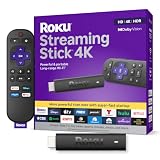
- Stunning 4K and Dolby Vision streaming made simple: With America’s number 1 TV streaming platform,* exploring popular apps—plus tons of free movies, shows, and live TV—is as easy as it is fun. *Based on hours streamed—Hypothesis Group
- Breathtaking picture quality: Stunningly sharp 4K picture brings out rich detail in your entertainment with four times the resolution of HD. Watch as colors pop off your screen and enjoy lifelike clarity with Dolby Vision and HDR10+.
- Seamless streaming for any room: With Roku Streaming Stick 4K, watch your favorite entertainment on any TV in the house, even in rooms farther from your router thanks to the long-range Wi-Fi receiver.
- Shows on the go: Take your TV to-go when traveling—without needing to log into someone else’s device.
- Compact without compromises: Our sleek design won’t block neighboring HDMI ports, so you can switch from streaming to gaming with ease. Plus, it’s designed to stay hidden behind your TV, keeping wires neatly out of sight
Apple TV
To test a different output format, go to Settings > Video and Audio > Audio Format > Change Format > New Format and try Dolby Digital 5.1. If that does not resolve the issue, return to the same menu and try Stereo, as Netflix recommends in its audio/video troubleshooting guidance.
Apple TV 4K also has Wireless Audio Sync, which uses an iPhone to calibrate the audio relationship with a connected display and audio equipment. It is relevant to persistent system-level sync issues, not proof that Netflix is at fault. Apple describes the feature in its Apple TV calibration guide.
Google TV and Chromecast
Restart the device, test it plugged directly into the TV, and temporarily disconnect an AVR or soundbar. If direct connection fixes the delay, reconnect the audio system through ARC/eARC if available. Check for an Audio Delay setting on the TV, receiver, or soundbar; if necessary, turn off surround sound as a test. Google notes that a constant delay can be adjusted on those devices and that the selected output format must be supported throughout the chain. See Google’s sync troubleshooting and its Google TV connection guidance.
Best Value
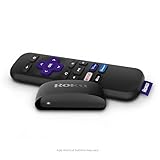
- Streaming made easy: Roku Express lets you stream free, live and premium TV over the Internet—right to your TV. It’s perfect for new users, secondary TVs and easy gifting—but powerful enough for seasoned pros
- Quick and easy setup: Just plug it into your TV with the included High Speed HDMI Cable and connect to the internet to get started
- Tons of power, tons of fun: Compact and power-packed, you’ll stream your favorites with ease; from movies and series on Apple TV, Prime Video, Netflix, The Roku Channel, HBO, Showtime and Google Play to cable alternatives like Hulu with Live TV and PlayStation Vue, enjoy the most talked about TV across free and paid channels
- Low cost, no extra fees: For under $30, Roku Express streaming device includes a High Speed HDMI Cable—and there’s no monthly equipment fee; with access to free TV on hundreds of channels, there’s plenty to stream without spending extra
- Simple remote: Incredibly easy to use, this remote features shortcut buttons to popular streaming channels
Fire TV, game consoles, and other TV-connected devices
Start with a full device restart, compare another Netflix title and another app, then test TV speakers and a direct-to-TV connection. Look for audio output options such as Stereo or PCM, but follow the device maker’s menu names rather than assuming every model has the same controls. If the issue is limited to Netflix on that device, update the app and device software before considering a reset.
Windows and Mac computers
- Shut down the computer completely, leave it off for at least 10 seconds, and restart.
- Install operating-system updates. On Windows, update compatible audio drivers where relevant.
- Close unnecessary browser tabs and background programs, then test a supported browser.
- Compare built-in speakers or wired headphones with Bluetooth audio. If only Bluetooth is delayed, troubleshoot that audio connection.
- If available, compare the Netflix app with Netflix in a browser.
Netflix recommends computer restarts, operating-system updates, closing resource-heavy applications, and updating compatible audio drivers for relevant playback issues; see its sync guidance, video playback troubleshooting, and audio troubleshooting. Netflix’s help documentation says Windows XP, Vista, 7, and 8.1 are unsupported by Microsoft and cannot be updated to a Netflix-compatible version; that statement concerns those older releases, not current Windows versions.
Android phones, iPhone, and iPad
Turn the device fully off and back on, then install available Android, iOS, or iPadOS updates. Compare the built-in speaker, wired headphones, and Bluetooth separately; disconnect Bluetooth to see whether it is introducing delay. Test a second Netflix title. Reinstalling Netflix is a later step, not the first one: it signs you out and may remove downloaded titles. Netflix recommends restarting Android phones and tablets and updating iOS or iPadOS for relevant sync issues in its audio/video troubleshooting guidance.
Independent reader supportYour contribution helps us test, update, and keep practical guides available for everyone.If the sync problem comes and goes
An intermittent fault does not identify one cause by itself. Note whether it begins after changing audio formats, reconnecting Bluetooth, switching picture modes, or changing a device in the HDMI chain. A handshake problem, software instability, heat, or a change in HDR, Dolby Vision, or frame-rate processing may be involved. Compare the same scene and setup before changing settings; avoid concluding that one format or device is responsible without that comparison.
When to report the title, and when to seek hardware help
Report a title-specific problem to Netflix
If only one movie or episode is out of sync while other titles and apps play correctly, do not factory-reset the TV. In Netflix, open Viewing Activity, find the affected title, and use Report a Problem. Netflix’s instructions are at Netflix Help Center: audio/video out of sync. Use another title as a workaround while the report is reviewed.
Contact the device or audio-system maker when the fault follows the equipment
If several apps and sources are out of sync, or the delay remains with a soundbar or receiver across devices, contact the TV or audio-system manufacturer after checking connections, output format, and available firmware. Consider replacing hardware only when comparison tests isolate a faulty, obsolete, unsupported, or broadly unstable device. A new streamer will not correct a delay that remains on TV speakers or follows the soundbar across multiple sources.
Quick Recap
Product prices and availability are accurate as of the date/time indicated and are subject to change. Any price and availability information displayed on Amazon at the time of purchase will apply.