Free tools Windows power users keep installed
One-click scans. No signup required.
Back to Black most commonly refers to Amy Winehouse’s second and final studio album, released by Island Records on October 27, 2006. It is also the name of the album’s title song, a 2018 making-of documentary, a 2024 scripted biographical drama, and the 2024 soundtrack connected to that film. The album is the central work: the song came from it, the documentary examines its creation, and the biopic takes its title and much of its story from the album’s era.
| Reference | What it is | Date |
|---|---|---|
| Back to Black | Amy Winehouse’s second and final studio album | 2006 |
| “Back to Black” | The album’s title track and a later single | 2007 |
| Amy Winehouse: Back to Black | A documentary about the making of the album | 2018 |
| Back to Black | A scripted biographical drama starring Marisa Abela | 2024 |
| Back to Black: Songs from the Original Motion Picture | The soundtrack to the 2024 film | 2024 |
The 2006 album: the main meaning of Back to Black
Back to Black is Amy Winehouse’s second studio album and the final studio album released during her lifetime. Island Records issued it on October 27, 2006. The standard edition contains 11 songs and runs for approximately 34 minutes. Apple Music lists the album as an 11-song, 34-minute release, while the official Amy Winehouse store identifies the standard explicit CD sequence.
The record brought together Winehouse’s direct, jazz-informed songwriting with soul, R&B, pop, hip-hop, and arrangements modeled on 1960s girl groups and Motown. Its emotional world is more complicated than its polished retro-soul surface suggests: the songs move through heartbreak, infidelity, guilt, addiction, grief, loneliness, and self-destructive attachment.
| # | Preview | Product | Price | |
|---|---|---|---|---|
| 1 |
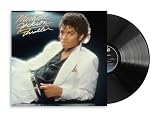
|
Thriller | $19.97 | Buy on Amazon |
| 2 |

|
Rumours | $19.59 | Buy on Amazon |
| 3 |
![Chronicle: The 20 Greatest Hits[2 LP]](https://m.media-amazon.com/images/I/411qOkbEPUL._SL160_.jpg)
|
Chronicle: The 20 Greatest Hits[2 LP] | $28.18 | Buy on Amazon |
| 4 |

|
Purple Rain | $22.99 | Buy on Amazon |
| 5 |

|
Greatest Hits Volume I & II | $26.97 | Buy on Amazon |
It is important to call Back to Black Winehouse’s final studio album, rather than her final release. Her posthumous catalog includes releases such as Lioness: Hidden Treasures.
The Tool Desk
Outbyte Driver Updater FREEScan for outdated or missing drivers - takes under a minuteDriver Scan →Outbyte PC Repair FREEClear out junk files and repair common Windows errorsFree Scan →Standard 11-track sequence
- “Rehab”
- “You Know I’m No Good”
- “Me & Mr Jones”
- “Just Friends”
- “Back to Black”
- “Love Is a Losing Game”
- “Tears Dry on Their Own”
- “Wake Up Alone”
- “Some Unholy War”
- “He Can Only Hold Her”
- “Addicted”
Track lists are not universal. Different territories and editions may place songs in a different order or include additional material. Some versions include “You Know I’m No Good” featuring Ghostface Killah, while deluxe editions add B-sides, live recordings, and alternate versions. For example, the Apple Music listing includes a 19-song deluxe edition, whereas the official store’s standard explicit CD lists 11 tracks.
#1 Best Overall
How the album was made
The album’s distinctive sound reflects two principal production environments rather than the work of one producer alone. Mark Ronson recorded six songs with Winehouse and members of the Dap-Kings in Brooklyn, New York. Additional material was produced by Salaam Remi in Miami, with overdubs completed in London. The Library of Congress registry essay describes this recording history and credits both Ronson and Remi as central to the album.
Ronson’s sessions with the Dap-Kings helped create the live horn-and-rhythm-section sound heard across several of the record’s most recognizable tracks. The Dap-Kings’ playing evoked the tight, punchy arrangements of classic soul and girl-group records without turning the album into a museum piece. Remi’s contributions helped supply a different but complementary mixture of contemporary R&B, jazz, and hip-hop-informed production.
Winehouse’s voice and writing unify these different sessions. Her phrasing can sound conversational, amused, wounded, accusatory, or almost numb within the space of a single song. That vocal intimacy is what prevents the period arrangements from becoming mere imitation: the lyrical perspective is unmistakably contemporary and personal.
What does the album sound like?
Back to Black is often described as “retro-soul,” but that label is incomplete. Its musical identity comes from the tension between old-fashioned arrangements and unusually frank modern songwriting.
- “Rehab” uses an upbeat, horn-driven arrangement and an almost playful vocal delivery to frame a serious conflict about treatment, autonomy, and denial. Its wit makes the song memorable, but the subject is not lightweight.
- “You Know I’m No Good” combines a contemporary R&B groove with a vintage band sound. The arrangement is stylish and controlled while the narrator admits to betrayal and emotional confusion.
- “Back to Black” slows the tempo and expands the drama. It is a torch song about abandonment, emotional collapse, and the return to a familiar darkness after a relationship ends.
- “Love Is a Losing Game” strips the mood back further. Its brevity and restraint make the song feel resigned rather than theatrical.
- “Tears Dry on Their Own” places Winehouse’s personal writing over a recognizable soul-pop framework, creating a striking contrast between an established musical shape and intimate lyrics.
- “Wake Up Alone” focuses on loneliness, obsessive desire, and the difficulty of being left alone with one’s thoughts.
- “Me & Mr Jones” combines relationship resentment with Winehouse’s hip-hop fandom and social world, showing how specifically her musical references belonged to her own life.
The Library of Congress describes the album’s blend of jazz, soul, R&B, hip-hop, and 1960s girl-group influence. The important point is not simply that the record sounds “old”; it is that Winehouse and her collaborators used familiar soul vocabulary to deliver songs that are psychologically exposed and lyrically contemporary.
What is “Back to Black” about?
At the most direct level, the title song is about the end of a relationship. The former partner has returned to someone else, while the narrator is left returning to “black”—a phrase that can suggest grief, depression, emotional isolation, substance use, or a broader pattern of self-destruction.
There is no need to reduce the phrase to a single literal code. Some listeners interpret “black” as a reference to drugs or alcohol; others hear it as mourning, depression, or the emotional void left by abandonment. The song supports these readings, but none should be presented as an indisputable decoding. “Back to black” works partly because it holds several forms of darkness at once.
Crashes, No Sound, or Screen Glitches?
Random freezes, missing sound and display glitches usually trace back to one bad driver. Find and replace yours safely.Free scan · under a minuteWindows Errors? Fix Them Before They Spread
Repair common Windows errors and clear accumulated junk for a smoother, more stable PC - no reinstall needed.Free scan · no reinstallThe autobiographical context is strongly associated with Winehouse’s volatile relationship with Blake Fielder-Civil, and the Library of Congress connects much of the album’s material to that breakup. That context is useful, but it should not be treated as a key that maps every lyric onto one documented event. Winehouse transformed personal experience into crafted songs; autobiography and artistic construction are not identical.
Rank #2
- Iconic Album: Rumours stands as one of the best-selling albums in music history, certified nineteen times platinum and widely regarded as the definitive album of the 1970s that transcends genre and generations
- Classic Tracks: Features timeless rock staples including Dreams, Don't Stop, Go Your Own Way, You Make Loving Fun, The Chain, and Gold Dust Woman, creating a collection that reads like a greatest hits package
- Legendary Performances: Showcases the magical collaboration of Stevie Nicks, Lindsey Buckingham, Mick Fleetwood, and the entire band delivering impeccable songwriting and passionate playing on every track
- Vinyl LP Format: This pressing captures the monumental 1977 album by the British-American rock band in authentic vinyl format, preserving the original sound quality and listening experience
- Musical Excellence: A vital rock album that succeeds through its exceptional composition and emotional depth, making it an essential addition to any music collection regardless of your preferred genre
The title song and its single history
“Back to Black” was written by Amy Winehouse and Mark Ronson. Ronson produced and co-arranged the recording, and the song was later released as a single in 2007. It reached No. 8 on the UK Official Singles Chart, debuting on the chart dated April 14, 2007. The Official Charts entry confirms its peak, label, and chart history.
The recording’s slow, dramatic arrangement gives the song the shape of a classic torch ballad, but Winehouse’s phrasing keeps it from sounding purely nostalgic. She sings with control rather than simply belting the pain, allowing the spaces between lines and the repeated melodic figures to carry the sense of emotional entrapment.
The official video, associated with director Phil Griffin, uses funeral imagery to parallel the death of a relationship. It is not a literal explanation of the song’s meaning; rather, it extends the song’s imagery into a visual language of mourning and finality. The official recording and video are available through Winehouse’s official artist-channel listing, which also credits Winehouse and Ronson as composer-lyricists and Ronson as producer and recording engineer.
Do these 3 things before closing this tab:
1Fix the driver behind crashes, sound loss and screen glitches2Clear out junk files and repair common Windows errors3Scan for outdated or missing drivers - takes under a minute“Rehab” was the album’s major breakthrough and its awards-dominating hit, while “Back to Black” became the defining title song and one of Winehouse’s most enduring recordings. Those are different kinds of success: “Rehab” had the larger immediate awards impact, whereas the title track is central to the album’s emotional identity.
Charts, Grammys, and commercial importance
Back to Black reached No. 1 in the United Kingdom. The current Official Charts album record lists six weeks at No. 1 and 569 weeks in the UK Top 100. In the United States, the album peaked at No. 2 on the Billboard 200, according to the Recording Academy’s Amy Winehouse record.
At the 50th Annual Grammy Awards in 2008, the album won Best Pop Vocal Album. It was also nominated for Album of the Year but did not win that category. Winehouse nevertheless won five Grammys that night:
- Best New Artist
- Best Pop Vocal Album for Back to Black
- Record of the Year for “Rehab”
- Song of the Year for “Rehab”
- Best Female Pop Vocal Performance for “Rehab”
The distinction matters: it is imprecise to say that Back to Black itself won five Grammys. The album won one of those awards, while the others recognized Winehouse as an artist or recognized “Rehab.” The Recording Academy’s 50th ceremony record and its 2008 Best Pop Vocal Album page separate those honors.
Quick wins for a faster PC:
Scan for outdated or missing drivers - takes under a minuteDriver Scan →Repair Windows errors before they cause bigger problemsFix Now →Fix the driver behind crashes, sound loss and screen glitchesFind Drivers →Certification figures are best checked by territory and award level. The RIAA search page contains a Back to Black certification entry dated March 12, 2008, but the award level is not exposed in plain text in the source record used here. It is therefore safer not to repeat an unsupported worldwide sales total or certification claim.
Rank #3
- Records have been cleaned and new sleeved.
- 2 LP release.
- Made in Spain.
Why the album still matters
Back to Black helped bring soul-oriented arrangements and girl-group textures into the center of mainstream pop while keeping the writing unusually candid. Its success did not come from retro styling alone. Winehouse’s songs made the old musical language feel immediate because they dealt in unvarnished contradictions: pride and dependence, humor and shame, desire and resentment.
The album is also a useful example of how production and performance can preserve different eras at once. The horn charts, backing vocals, and rhythm-section arrangements evoke 1960s records, while the vocal character and lyrical perspective resist period pastiche. That combination influenced how later singers and producers approached vintage soul sounds in a contemporary pop setting.
Its cultural importance received a major formal recognition in 2025, when Back to Black was added to the U.S. National Recording Registry. The Library of Congress cited the album’s cultural, historical, and aesthetic importance, emphasizing its synthesis of girl-group sounds, R&B, jazz, soul, hip-hop, and intensely personal songwriting. The recognition is for the album, not merely for the title single. See the official 2025 registry page and the Library of Congress announcement.
The 2018 documentary: a record-making story
Amy Winehouse: Back to Black is a 2018 documentary directed by Jeremy Marre. It runs for 59 minutes and focuses on the making of the album rather than attempting to provide a complete biography.
The documentary includes previously unseen studio footage, interviews with Mark Ronson and Salaam Remi, contributions from musicians who worked on the sessions, and a private London performance from February 2008 presented as an additional feature. Its value is its proximity to the recording process: viewers hear collaborators discuss the sessions and see material connected to how the album was built.
That narrow focus is also its limitation. It is not a comprehensive account of Winehouse’s childhood, fame, relationships, addiction, health, or death. If the question is “How did Back to Black sound the way it does?”, this is the most directly relevant screen work. If the question is “What happened across Amy Winehouse’s entire life?”, it is not sufficient on its own. The Apple TV listing identifies the documentary’s director, runtime, studio footage, and interview contributors.
The 2024 film: a scripted interpretation
Back to Black is a 2024 biographical drama directed by Sam Taylor-Johnson and written by Matt Greenhalgh. Marisa Abela plays Amy Winehouse, Jack O’Connell plays Blake Fielder-Civil, Eddie Marsan plays Mitch Winehouse, and Lesley Manville plays Cynthia Winehouse. The film runs for 2 hours 2 minutes, is rated R in the United States, and received its U.S. theatrical release on May 17, 2024. The Focus Features synopsis describes its focus on Winehouse’s early Camden years, rise to fame, and the making of the album.
What’s actually slowing this PC down?
Pick the symptom - the matching free tool is one click away.
Abela performs many of Winehouse’s songs in the film. The production was officially framed as a story told from Amy’s perspective and inspired by her lyrics, with support from the Amy Winehouse estate. That framing tells viewers what kind of work it is: not archival evidence, but a dramatic interpretation built around selected events, relationships, and songs.
Rank #4
- A1 - Let's Go Crazy
- A2 - Take Me With U
- A3 - The Beautiful Ones
- A4 - Computer Blue
- A5 - Darling Nikki
Like any biopic, the film condenses chronology, combines or rearranges events, and gives some relationships more narrative weight than others. It should not be used as documentary proof of a particular conversation, date, or private event. Calling the film simply “accurate” or “inaccurate” is too broad; any disputed scene needs to be compared with biographies, interviews, archival material, or other documentary evidence.
Critical response was mixed. In the source captures used for this article, Rotten Tomatoes listed a 35% critics score and 84% audience score, while Metacritic listed 43 out of 100 from 45 critics. Scores can change as sites update their databases. The criticism commonly centered on the film’s conventional biopic structure and its emphasis on the Fielder-Civil relationship. An Associated Press review argued that this emphasis could simplify Winehouse’s life and understate other forces surrounding her; that is a critical assessment, not an uncontested historical conclusion.
The 2024 drama is best understood alongside, not instead of, the 2018 making-of documentary. It offers performances, character relationships, and an emotional narrative. The documentary offers studio testimony and recording footage. Asif Kapadia’s 2015 documentary Amy is a separate, more documentary-driven work and should not be confused with either title.
The 2024 soundtrack is not the 2006 album
Back to Black: Songs from the Original Motion Picture is a separate 2024 film soundtrack, not a deluxe edition or reissue of Winehouse’s original album. The digital listing identifies an 18-song, 86-minute release issued on April 12, 2024.
It combines several kinds of material:
- original Amy Winehouse recordings;
- songs by artists who influenced Winehouse;
- performances from the film by Marisa Abela; and
- music selected to support the film’s narrative.
The soundtrack includes songs such as “Fuck Me Pumps,” “Back to Black,” “Valerie,” “Les Fleurs,” “Mad About the Boy,” “Me & Mr Jones,” “Love Is a Losing Game,” “Rehab,” and “Tears Dry on Their Own.” The film’s original score was composed by Nick Cave and Warren Ellis, while many of the Winehouse songs performed onscreen were sung by Abela. The digital soundtrack listing and Focus Features’ score announcement provide the relevant release and production details.
For the complete, coherent album experience, choose the 2006 Back to Black. Choose the 2024 soundtrack if you want to revisit the film’s musical world, including covers, film performances, and songs that were not part of the original album.
Which Back to Black should you choose?
| Your purpose | Best choice | Why |
|---|---|---|
| Hear the central artistic work | The 2006 album | It is the unified 11-song statement produced by Winehouse, Mark Ronson, Salaam Remi, the Dap-Kings, and other musicians. |
| Hear the title song | The original “Back to Black” recording and official video | The song originated on the 2006 album and was later issued as a 2007 single. |
| Understand how the album was recorded | The 2018 documentary | It includes studio footage and interviews with Ronson, Remi, and participating musicians. |
| Watch a dramatized account of Winehouse’s life | The 2024 film | It is a scripted biopic with Marisa Abela’s performances, not a documentary. |
| Hear the music used in the 2024 film | The 2024 motion-picture soundtrack | It mixes Winehouse recordings, covers, influences, and film performances. |
| Build the fullest factual picture | Use all three screen approaches carefully | The 2018 documentary is production-focused, the 2024 film is dramatized, and the separate 2015 documentary Amy provides another documentary perspective. |
What is happening for the 20th anniversary?
The album’s 20th anniversary falls in 2026. As of August 10, 2026, the major publicly documented anniversary activity identified in the sources checked is a late-2026 UK tour by the Amy Winehouse Band, including the tour listing published by De La Warr Pavilion.
Recommended Free Tools
The official Amy Winehouse store currently lists existing 15th-anniversary and deluxe products, but no new 20th-anniversary album edition was officially announced in the sources checked for this article. That could change, so readers should distinguish a confirmed announcement from speculation, retailer listings, or fan discussion.
Best Value
- ----------------------------------------
- Availability: Pre-Order
- Format: Vinyl
- Genre: Rock
- Released: 2025-08-22
Common points of confusion
The 2018 documentary and 2024 film have almost the same title
The year and format solve the problem. The 2018 version is a 59-minute Jeremy Marre documentary about recording the album. The 2024 version is a 2-hour-2-minute Sam Taylor-Johnson scripted drama starring Marisa Abela.
Mark Ronson did not produce the entire album alone
Ronson was crucial, especially in the New York sessions with the Dap-Kings, but Salaam Remi was also a major producer. The album’s different textures reflect both contributions.
“Back to black” does not have one settled meaning
The phrase can evoke grief, depression, addiction, alcohol, drugs, or a return to emotional darkness. Those are interpretations, not a definitive explanation that should be stated as fact.
The soundtrack is not the album
The 2006 album is an 11-track studio record. The 2024 soundtrack is an 18-song, 86-minute film companion containing original recordings, covers, and performances by Abela.
The album did not win five Grammys by itself
Back to Black won Best Pop Vocal Album. Winehouse won five Grammys at the 2008 ceremony when the album award, three “Rehab” awards, and Best New Artist are counted together.
Frequently Asked Questions
Is Back to Black a documentary or a movie?
Both references exist. Amy Winehouse: Back to Black is Jeremy Marre’s 2018, 59-minute documentary about the making of the album. Back to Black is Sam Taylor-Johnson’s 2024 scripted biographical drama starring Marisa Abela.
Should I listen to the 2006 album or the 2024 soundtrack first?
Listen to the 2006 album first if you want Winehouse’s central artistic statement. The 2024 soundtrack is a separate film companion that mixes Winehouse recordings with influential songs, covers, and performances by Marisa Abela.
What does “back to black” mean in Amy Winehouse’s song?
The song is plainly connected to a relationship ending and the narrator’s return to emotional darkness. “Black” may be heard as grief, depression, addiction, or self-destructive patterns, but the phrase should not be reduced to one proven literal meaning.
Did Back to Black win five Grammys?
The album won Best Pop Vocal Album in 2008. Amy Winehouse won five Grammys that night in total, including Best New Artist and three awards for “Rehab.”
The Bottom Line
Start with the 2006 album. It is the source of the title and the work that gives Back to Black its lasting musical importance. Add the 2018 documentary for the recording story, the 2024 film for a dramatized interpretation of Winehouse’s life, and the 2024 soundtrack only if you want the music assembled for that film. The album’s 2025 National Recording Registry selection confirms its historical importance; the documented 2026 anniversary activity currently centers on the Amy Winehouse Band’s UK tour, not a confirmed new anniversary edition.
Quick Recap
Product prices and availability are accurate as of the date/time indicated and are subject to change. Any price and availability information displayed on Amazon at the time of purchase will apply.
Free tools Windows power users keep installed
One-click scans. No signup required.

