Some links on this page are affiliate links: if you buy through them we may earn a commission, at no extra cost to you.
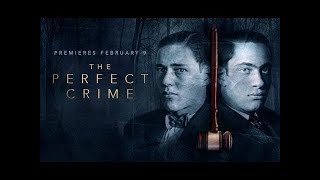
In May 1924, University of Chicago students Nathan Leopold and Richard Loeb kidnapped and murdered 14-year-old Bobby Franks, hoping to commit what they considered a “perfect crime.” Their guilt was admitted in court; the central fight at sentencing was whether they should be executed, a question Clarence Darrow argued against before Judge John R. Caverly.
The case remains a legal-history story about punishment, youth, responsibility, and the contested use of psychiatric testimony. The phrase “perfect crime” describes the defendants’ ambition—not a crime that went undetected or was flawless.


The crime and the clues
Franks’s body was discovered on May 22, 1924. Investigators pursued several leads, including a pair of glasses and a typewriter with defective keys. WTTW’s historical account says the supposed perfect crime was exposed ten days after the murder; the University of Minnesota Law Library’s Clarence Darrow Digital Collection also identifies the glasses and a typewritten ransom note among important case materials.
Free tools Windows power users keep installed
One-click scans. No signup required.
These clues belong to a broader investigation, not a simple story in which one object alone solved the case. The surviving records and historical accounts help show how evidence, statements, and investigative work came together.
Popular on Amazon
A trial focused on punishment
After Leopold and Loeb admitted guilt, the defense centered its appeal on avoiding execution. Darrow argued for mercy at sentencing, while prosecutor Robert E. Crowe sought the death penalty. The hearing became a public argument over how to punish two young, affluent defendants and how much weight to give arguments about their psychological condition and responsibility.
Darrow’s position should be understood as advocacy, not as an established scientific explanation of the crime. The University of Minnesota collection includes materials reflecting opposing views, including John H. Wigmore’s 1925 criticism of partisan expert witnesses. The case is still useful for examining how legal advocates presented expert testimony and how courts and the public grappled with it.
Also popular on Amazon
Sentence and surviving records
On September 10, 1924, Judge Caverly sentenced Leopold and Loeb to life imprisonment for murder plus 99 years for kidnapping, according to the University of Minnesota Law Library collection. That collection provides trial and sentencing materials, including transcript portions, a witness list, Darrow’s plea for mercy, Crowe’s demand for death, and Caverly’s decision.
What’s actually slowing this PC down?
Pick the symptom - the matching free tool is one click away.
The transcript collection has a significant gap: pages 3937–4115 are missing. The Minnesota collection says Darrow borrowed the pages containing his closing argument and did not return them, and that no library or archive appears to hold those pages. A separately presented version of the plea is available through the Voices of Democracy archive, which identifies its text as Darrow’s plea delivered on August 22, 23, and 25, 1924. That modern web text is not the missing original transcript leaf.
Also popular on Amazon
Where to explore the case
| Source | What it offers | Important limitation |
|---|---|---|
| University of Minnesota Law Library, Clarence Darrow Digital Collection | Trial summary, transcript portions, witness list, sentencing materials, and related documents. | The transcript set is incomplete, including the missing pages of Darrow’s closing argument. |
| Voices of Democracy archive | A text of Darrow’s plea for Leopold and Loeb, with the dates of delivery identified. | It is a separately presented text, not the missing original transcript pages. |
| WTTW historical account | A narrative account of the murder investigation, including the glasses and typewriter clues. | It is a secondary account rather than a collection of trial records. |
| Simon Baatz, For the Thrill of It: Leopold, Loeb, and the Murder That Shocked Jazz Age Chicago | A related nonfiction narrative about the case. | The research reviewed does not establish that this is the same work as a title called The Perfect Crime: The Leopold & Loeb Trial. |
The exact publication identity of a work titled The Perfect Crime: The Leopold & Loeb Trial has not been established in the sources reviewed. Do not assume it is a particular book or edition without confirmation from a catalog or publisher record.
Independent reader supportYour contribution helps us test, update, and keep practical guides available for everyone.FAQ
Who were Leopold and Loeb?
Nathan Leopold and Richard Loeb were affluent University of Chicago students who conspired to kidnap and murder 14-year-old Bobby Franks in May 1924.
Also popular on Amazon
Why was the case called a “perfect crime”?
The phrase describes the ambition behind the plan. The investigation uncovered clues, including glasses and a typewriter with defective keys, and the crime was exposed.
Quick wins for a faster PC:
Repair Windows errors before they cause bigger problemsFix Now →Fix the driver behind crashes, sound loss and screen glitchesFind Drivers →Clear out junk files and repair common Windows errorsFree Scan →Did Clarence Darrow argue that Leopold and Loeb were innocent?
No. The defense admitted guilt and focused its appeal on avoiding execution at sentencing. Darrow argued for mercy and used psychiatric testimony as part of that strategy.
Also popular on Amazon
What sentence did Judge Caverly impose?
On September 10, 1924, Caverly sentenced the defendants to life imprisonment for murder plus 99 years for kidnapping, as recorded in the University of Minnesota Law Library collection.
Can readers consult the original trial transcript?
The Minnesota collection makes portions of the transcript and related records available, but pages 3937–4115 are missing from its transcript set. The Voices of Democracy text of Darrow’s plea is a separate presentation and should not be mistaken for those missing pages.
Quick Recap
Product prices and availability are accurate as of the date/time indicated and are subject to change. Any price and availability information displayed on Amazon at the time of purchase will apply.