Quick wins for a faster PC:
Repair Windows errors before they cause bigger problemsFix Now →Fix the driver behind crashes, sound loss and screen glitchesFind Drivers →Kodi 21.0 “Omega” became a stable release on April 6, 2024. Since then, Kodi has issued three maintenance builds—21.1 (August 18, 2024), 21.2 (January 19, 2025), and 21.3 (December 13, 2025). If you are installing Kodi today, use the newest compatible 21.x build offered through Kodi’s official download page rather than the original 21.0 package.
What changed in Kodi 21 “Omega”?
Team Kodi described Omega as the result of more than 3,750 commits since Kodi 20.0 “Nexus” became available on January 15, 2023. The headline technical change is Kodi’s move to FFmpeg 6, the multimedia framework responsible for much of Kodi’s audio and video handling. Developers worked on that upgrade for more than 15 months, initially targeting FFmpeg 5 before moving to FFmpeg 6.
The stable release also contains work that is less visible but important for long-term maintenance:
- API changes affecting Python and binary add-ons.
- New skinning capabilities for interface developers.
- Dependency updates across most or all supported Kodi platforms.
- Static-analysis fixes intended to catch defects earlier.
- Database-migration fixes aimed at safer upgrades and improved stability.
These changes make Omega a platform and compatibility milestone, not simply a new collection of playback features.
#1 Best Overall
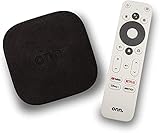
- 4K Ultra HD Resolution: Enjoy your TV in stunning resolution Ultra HD ers four times the resolution of Full HD for greater clarity and detail
- Android TV: With the Android TV operating system you will have access to the best content, download the infinity of applications available through the Google Play Store!
- Voice remote control: Just press the Google Assistant button and ask it to find, play and control content
- Chromecast Built-in: Easily cast movies, shows, and photos from your Android or iOS device to your Android TV
- Easy Setup: Access your Google account and configure the device, language and Wi-Fi network
Which Kodi Omega build should you install?
| Build | Release date | How to treat it |
|---|---|---|
| Kodi 21.0 | April 6, 2024 | Original stable Omega release; superseded by later maintenance builds |
| Kodi 21.1 | August 18, 2024 | Maintenance update |
| Kodi 21.2 | January 19, 2025 | Maintenance update |
| Kodi 21.3 | December 13, 2025 | Latest Omega point release listed in the official release history |
Choose the latest 21.x installer that Kodi presents for your operating system or hardware. The correct download depends on the platform and, where relevant, the device architecture; check the current official download page rather than relying on an old mirror or a package labelled only “Omega.”
How to download and install Kodi 21
- Open Kodi’s official download page.
- Select your operating-system or hardware category.
- Choose the newest compatible 21.x release shown for that platform.
- Install it using your platform’s normal package or installer process.
- After launching Kodi, allow your repositories, skins and add-ons to update before judging compatibility.
Kodi is free and open source. You do not need to buy a subscription or paid product to download the application.
Android users: why availability may differ
When 21.0 launched, Kodi said Android users might receive it sooner by sideloading the official package or joining the Google Play testing track while store processing was completed. Store availability can therefore lag behind Kodi’s own download channels.
Omega’s API and skinning changes also mean that an older third-party skin may not be ready immediately. If your current skin is essential, check with its developer before upgrading. Kodi also advised users to disable automatic updates if they needed to prevent an incompatible skin from being replaced before an update was available.
Rank #2

- 4K Ultra HD with Cinematic Visuals & Sound: Supports 4K resolution (3840 x 2160) at 60FPS, Dolby Vision, and HDR10+ for enhanced contrast, brightness, and color accuracy. Delivers immersive audio via Dolby Audio and DTS:X surround sound
- High-Performance Hardware: Equipped with a Quad-Core CPU (up to 2.5GHz) and ARM G310 V2 GPU for seamless navigation and multitasking. Includes 2GB RAM and 32GB internal storage (ROM) for ample app and content space
- Google TV Smart Platform: Runs the latest Google TV OS, offering personalized content recommendations, access to thousands of streaming apps (Netflix, YouTube, Disney+, etc.), and voice control via Google Assistant
- Advanced Connectivity & Decoding: Features dual-band Wi-Fi (2.4GHz/5GHz), Bluetooth 5.2, HDMI 2.1, and USB 2.0 ports. Supports decoding of 4K 60FPS video formats and Google Cast for screen mirroring
- Complete Setup Included: Comes with Xiaomi TV Box S (3rd Gen), voice remote control, power adapter, HDMI cable, and user manual. Compact design (95.25 x 95.25 x 16.7 mm) for discreet placement
What the FFmpeg 6 upgrade means for users
FFmpeg is a core multimedia dependency, so changing its major version can affect decoding, encoding, demuxing and other media operations throughout Kodi. Kodi’s Beta 3 announcement explicitly warned that the FFmpeg 6 change could introduce regressions. That warning applied to prerelease testing; it is not a claim that the final stable release is unsafe. It is a reason to use a stable build, keep add-ons current and report problems through Kodi’s support channels when they occur.
Upgrade checks before moving from Kodi 20
- Back up your setup: preserve your Kodi data and configuration before a major-version upgrade.
- Review add-ons: Python and binary API changes can require add-on updates.
- Check your skin: confirm that the skin supports Omega or be prepared to use a compatible default skin.
- Confirm platform support: select the installer made for your operating system and hardware.
- Prefer stable releases: avoid beta or development builds unless you specifically want to test prerelease software.
Using Kodi on a Raspberry Pi
Kodi supports multiple operating systems and hardware platforms, including Raspberry Pi setups. A Raspberry Pi case can be useful for protecting and installing a board in a home-media project, but the case must match the exact Raspberry Pi model. The hardware is optional: no Raspberry Pi or paid accessory is required to download Kodi.
What Omega does—and does not—promise
Omega’s development record demonstrates substantial engineering work, especially the FFmpeg 6 migration and related API, dependency and database changes. The available release information does not establish a universal performance gain, a user-count milestone or a market-share figure. Playback results still depend on the device, operating system, media formats, drivers, add-ons and network setup.
Quick Recap
Product prices and availability are accurate as of the date/time indicated and are subject to change. Any price and availability information displayed on Amazon at the time of purchase will apply.
Free tools Windows power users keep installed
One-click scans. No signup required.


