The Tool Desk
Outbyte Driver Updater FREEFix the driver behind crashes, sound loss and screen glitchesFind Drivers →Outbyte PC Repair FREERepair Windows errors before they cause bigger problemsFix Now →A Roku streaming player or stick typically delivers about 3–5 years of comfortable everyday use, but that is a planning estimate—not an official Roku expiration date or guaranteed service life. Some devices remain usable for 7–10 years or longer, while others develop problems sooner. The important question is not only whether the Roku still powers on, but whether it remains fast, supported, compatible with your apps, and reliable at the resolution and audio formats you use.
What “lasting” means for a Roku
A Roku can last in several different senses:
- Hardware lifespan: how long the device powers on and communicates with the TV.
- Performance lifespan: how long menus, app launches, playback, and remote response remain acceptable.
- Software-support lifespan: how long the device can run supported Roku OS software and receive updates.
- Feature lifespan: whether it still supports the resolution, HDR, audio, Wi-Fi, casting, and other features you want.
- Warranty period: the period when a qualifying hardware defect may be covered. A warranty is not a promise that the device will operate for that long—or stop operating afterward.
Roku does not publish one universal service-life table for every player, stick, or Roku TV. The often-repeated 3–5-year figure comes from user reports and secondary coverage, not a formal Roku reliability specification. A reasonable conclusion is that 3–5 years is a practical expectation for comfortable use, not a fixed expiration date. Roku community discussions and secondary reporting on Roku longevity include examples of both shorter-lived and much older working devices.
Typical expectations by Roku type
| Device type | Practical planning estimate | What commonly limits useful life |
|---|---|---|
| Roku Express | About 3–5 years of comfortable use | Lower hardware headroom can make menus and apps feel slow sooner. |
| Roku Streaming Stick | About 3–5 years, sometimes longer | Heat, TV USB power, Wi-Fi conditions, and aging internal hardware. |
| Roku Ultra or other higher-end player | Often a stronger candidate for longer useful service | App requirements, newer codecs, DRM, HDMI compatibility, and software support still change. |
| Roku TV | Varies by the TV hardware and built-in Roku platform | The panel, backlight, power supply, HDMI hardware, and smart-TV software age independently. |
| Older or secondhand Roku | Entirely model-dependent | Legacy status and current app compatibility matter more than the purchase date. |
These are not model guarantees. A well-ventilated, lightly used player may work for many years, while a device exposed to heat, unstable power, or poor ventilation may fail earlier.
Why a Roku becomes unusable
Heat and ventilation
Enclosed cabinets, stacked electronics, direct sunlight, and nearby heat-producing equipment can shorten a device’s useful life or trigger overheating warnings. Roku specifically warns against placing a streaming player inside an enclosed cabinet, particularly alongside other electronics. Move it into open air with room around it before assuming the hardware is finished. Roku’s overheating guidance explains the environmental checks to make.
#1 Best Overall

- HD streaming made simple: With America’s number 1 TV streaming platform,* exploring popular apps—plus tons of free movies, shows, and live TV—is as easy as it is fun. *Based on hours streamed—Hypothesis Group
- Compact without compromises: The sleek design of Roku Streaming Stick won’t block neighboring HDMI ports, and it even powers from your TV alone, plugging into the back and staying out of sight. No wall outlet, no extra cords, no clutter.
- No more juggling remotes: Power up your TV, adjust the volume, and control your Roku device with one remote. Use your voice to quickly search, play entertainment, and more.
- Shows on the go: Take your TV to-go when traveling—without needing to log into someone else’s device.
- TV, simplified: With setup that only takes minutes, a simple-to-navigate Home Screen, and an uncluttered remote control that does all you need—Roku makes it easier to watch the TV you love.
Power and cables
A damaged USB cable, aging power adapter, loose connection, or insufficient power from a television’s USB port can cause freezing, restarting, or failure to start. These symptoms can look like a dead Roku. Test the supplied adapter and cable, or a known-good compatible replacement, before replacing the player.
HDMI problems
A black screen or “no signal” message may come from the TV’s HDMI input, the HDMI cable, or an HDMI handshake problem rather than the Roku itself. Try another input and, where appropriate, another cable.
Network conditions
Buffering is not proof that a Roku is dying. Wi-Fi congestion, router placement, broadband problems, service congestion, or a recent router change can affect playback on an otherwise healthy device. Compare the connection with another device and test the Roku on a different network if possible.
Software and app compatibility
Older hardware can remain operational while losing access to newer Roku OS versions, apps, video formats, DRM requirements, or features. Roku’s hardware documentation identifies discontinued models as legacy when they cannot support newer Roku OS versions. Check the Roku hardware documentation for model-specific information.
Rank #2

- Ultra-speedy streaming: Roku Ultra is 30% faster than any other Roku player, delivering a lightning-fast interface and apps that launch in a snap.
- Cinematic streaming: This TV streaming device brings the movie theater to your living room with spectacular 4K, HDR10+, and Dolby Vision picture alongside immersive Dolby Atmos audio.
- The ultimate Roku remote: The rechargeable Roku Voice Remote Pro offers backlit buttons, hands-free voice controls, and a lost remote finder.
- No more fumbling in the dark: See what you’re pressing with backlit buttons.
- Say goodbye to batteries: Keep your remote powered for months on a single charge.
App support is not controlled by Roku alone: individual streaming services can change their minimum requirements or discontinue support for older platforms. A Roku may still receive general software updates yet lack a newer feature or format.
How to tell whether your Roku is actually failing
| Symptom | Likely first check |
|---|---|
| Only one app buffers or crashes | Test other apps, then update or reinstall the affected channel. |
| The remote does not respond | Replace batteries, check pairing or line of sight, and test the official Roku mobile app. |
| The picture disappears | Try another HDMI input, cable, and compatible display setting. |
| All devices have network trouble | Restart the router and investigate the Wi-Fi or broadband connection. |
| An overheating warning appears | Move the Roku away from enclosed or hot locations and improve airflow. |
| The whole interface stays slow | Restart, update, check power and heat, and consider a factory reset before replacement. |
| The device repeatedly reboots | Test power, cable, ventilation, and network conditions; persistent rebooting points more strongly to hardware failure. |
Replacement becomes more reasonable when several important apps fail, the device repeatedly reboots or freezes after basic checks, overheating continues in a cool open location, setup or updating cannot complete on a known-good network, or the model is legacy and cannot provide the features you need.
Troubleshoot in this order
- Identify the scope. Does the problem affect one app, playback only, or the entire Roku interface?
- Restart the device. Use the system restart option where available. If the interface is unusable, disconnect power briefly and reconnect it.
- Check for software updates. Roku normally checks during setup, when powered on, and periodically—usually every 24–36 hours—but a manual check is useful.
- Improve ventilation. Remove the player from an enclosed cabinet and keep it away from other hot electronics.
- Test power. Use the supplied or a known-good adapter and USB cable, and avoid relying on an unreliable TV USB port.
- Test HDMI. Try another TV input and cable.
- Check the network. Restart the router, compare other devices, and reduce Wi-Fi interference where possible.
- Test the remote separately. Install fresh batteries, re-pair a wireless remote if necessary, or use the official Roku mobile app as a diagnostic.
- Repair an isolated app problem. Remove and reinstall only the affected channel if other apps work normally.
- Factory-reset last. Confirm that you know your Roku account credentials and streaming-service sign-ins first, because a reset removes settings and requires setup again.
Roku’s return and replacement instructions recommend troubleshooting environmental and configuration causes before requesting a warranty replacement.
How to check for Roku updates
- Press Home on the Roku remote.
- Select Settings.
- Select System.
- Select Software update.
- Select Check Now.
The update screen shows the installed software version and build, along with the date and time of the latest update. Roku says updates normally download and install automatically, followed by a restart when needed. Menu wording or availability can differ by Roku TV manufacturer, region, device generation, and current Roku OS version. See the official Roku software-update instructions.
Rank #3
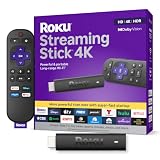
- Stunning 4K and Dolby Vision streaming made simple: With America’s number 1 TV streaming platform,* exploring popular apps—plus tons of free movies, shows, and live TV—is as easy as it is fun. *Based on hours streamed—Hypothesis Group
- Breathtaking picture quality: Stunningly sharp 4K picture brings out rich detail in your entertainment with four times the resolution of HD. Watch as colors pop off your screen and enjoy lifelike clarity with Dolby Vision and HDR10+.
- Seamless streaming for any room: With Roku Streaming Stick 4K, watch your favorite entertainment on any TV in the house, even in rooms farther from your router thanks to the long-range Wi-Fi receiver.
- Shows on the go: Take your TV to-go when traveling—without needing to log into someone else’s device.
- Compact without compromises: Our sleek design won’t block neighboring HDMI ports, so you can switch from streaming to gaming with ease. Plus, it’s designed to stay hidden behind your TV, keeping wires neatly out of sight
Keep the Roku, replace an accessory, or replace the player?
| Situation | Best next step |
|---|---|
| The player works through the mobile app, but the remote does not | Replace or troubleshoot the remote rather than the Roku. |
| The player works but the power connection is unreliable | Replace the damaged adapter or USB cable with a compatible one. |
| Only the TV picture connection fails | Test the HDMI cable and TV input before replacing the player. |
| The Roku is stable, current, and runs the needed apps | Keep it, regardless of age. |
| The entire interface is persistently slow after troubleshooting | Replace the player if the cost and effort of continued troubleshooting are not justified. |
| Multiple important apps fail or the model is legacy | Replace it with a device that supports your required apps and formats. |
Do not replace a Roku solely because it is five years old. Replace it when it no longer reliably performs the job you need.
Independent reader supportYour contribution helps us test, update, and keep practical guides available for everyone.Roku player versus Roku TV
A standalone Roku stick or player is relatively simple to replace. The television, HDMI connection, subscriptions, and screen remain in place while you swap the streaming hardware.
A Roku TV is different. Its display panel, backlight, speakers, power supply, HDMI ports, remote, and built-in Roku software can age or fail separately. A slow Roku TV does not automatically require a new television: if the screen and HDMI inputs work, an external streaming player may provide a newer and faster interface at much lower cost. It cannot, however, repair a failed panel, defective power board, damaged HDMI hardware, or other television fault.
Roku-branded televisions and Roku TV models made by partner manufacturers can also have different warranty and service responsibilities. For a Roku TV, check the television manufacturer’s documentation and support channel rather than assuming a standalone Roku-player warranty applies. See Roku’s warranty information and replacement guidance.
Free tools Windows power users keep installed
One-click scans. No signup required.
Rank #4
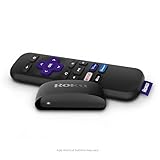
- Streaming made easy: Roku Express lets you stream free, live and premium TV over the Internet—right to your TV. It’s perfect for new users, secondary TVs and easy gifting—but powerful enough for seasoned pros
- Quick and easy setup: Just plug it into your TV with the included High Speed HDMI Cable and connect to the internet to get started
- Tons of power, tons of fun: Compact and power-packed, you’ll stream your favorites with ease; from movies and series on Apple TV, Prime Video, Netflix, The Roku Channel, HBO, Showtime and Google Play to cable alternatives like Hulu with Live TV and PlayStation Vue, enjoy the most talked about TV across free and paid channels
- Low cost, no extra fees: For under $30, Roku Express streaming device includes a High Speed HDMI Cable—and there’s no monthly equipment fee; with access to free TV on hundreds of channels, there’s plenty to stream without spending extra
- Simple remote: Incredibly easy to use, this remote features shortcut buttons to popular streaming channels
Warranty is not a service-life promise
For U.S. end users, Roku’s limited warranty covers eligible Roku-manufactured streaming products purchased and delivered in the United States for qualifying defects in materials and workmanship under normal use and the applicable product documentation. If Roku determines that a covered hardware defect exists during the applicable warranty period, its stated remedy may be repair or replacement, including a new or rebuilt unit.
The exact warranty term depends on the product, purchase details, and market. Use the applicable warranty terms rather than assuming one universal period for every Roku device. Products bought directly from Roku and products bought through another retailer may follow different return procedures.
What to look for when replacing a Roku
Choose based on the problem you are solving, not just the age of the old device:
- Resolution and HDR: confirm that the player supports your TV’s desired HD, 4K, HDR, or Dolby Vision capabilities.
- Audio: check support for the format used by your soundbar or receiver, including Dolby Atmos where relevant.
- Connectivity: consider Wi-Fi conditions, Ethernet needs, and the distance from the router.
- Remote features: decide whether voice control, private listening, or hands-free features matter.
- TV compatibility: verify HDMI requirements and available ports, especially on an older television.
- Platform preferences: compare Roku with Apple TV 4K, Fire TV, Google TV Streamer, or other current options if the interface, advertising, voice assistant, or app ecosystem is important.
- Cost: an inexpensive player may be the sensible upgrade for a functional TV, while a premium player may make more sense when speed, connectivity, or advanced formats matter.
Roku’s current player range and comparison page are the appropriate places to confirm current models and specifications. Prices and availability change, so do not treat older listings as current. Buying a Roku does not generally include paid streaming subscriptions; individual services may charge separately.
Quick Recap
Frequently misunderstood cases
- An old Roku still streams: that proves it remains usable, not that every app, feature, or future update is supported.
- Netflix buffers: investigate Wi-Fi, broadband, router placement, and service conditions before blaming the player.
- The device slows after an update: restart and check storage, apps, heat, and network conditions. Slowness alone does not establish intentional throttling or planned obsolescence.
- An overheating warning appears: fix placement and airflow first, but repeated warnings in a cool, ventilated location can indicate deterioration.
- A secondhand Roku looks cheap: find the exact model number and check whether it is listed as legacy before buying.
- The remote fails: a replacement remote may save a perfectly good player.
Product prices and availability are accurate as of the date/time indicated and are subject to change. Any price and availability information displayed on Amazon at the time of purchase will apply.