Some links on this page are affiliate links: if you buy through them we may earn a commission, at no extra cost to you.
If symptoms could threaten life, breathing, brain function, or permanent movement, call 911 or go to an emergency department now. Use urgent care for problems that need prompt attention but are not life-threatening, such as many mild illnesses, sprains, minor cuts, and some minor fractures. If no emergency warning sign is present but you cannot tell which setting is appropriate, call your clinician or a nurse advice line. This guidance is U.S.-specific and cannot replace an evaluation of the person’s actual symptoms.
The fastest safe decision
The choice is based first on severity and risk from delay, not convenience or price. Emergency departments are equipped and staffed to evaluate potentially life-threatening illness and serious injury. Urgent-care centers are designed for conditions that need same-day or prompt treatment but do not appear to threaten life or cause permanent disability.


Call 911 or use an emergency department when life or permanent function may be at risk
MedlinePlus describes the emergency threshold this way: “If a person or unborn baby could die or be permanently disabled, it is an emergency.” Do not drive yourself if you are severely ill, confused, fainting, having trouble breathing, or otherwise unsafe to travel. Call 911 and follow the dispatcher’s instructions.
Recommended Free Tools
- Choking, stopped breathing, blue or gray lips or skin, or severe breathing difficulty.
- Severe chest pain or pressure, especially with shortness of breath, sweating, nausea, or faintness.
- Sudden inability to speak, see, walk, or move; one-sided weakness or facial drooping; or other sudden stroke-like symptoms.
- Loss of consciousness, fainting, severe confusion, or a seizure that lasts more than a minute or is not followed by rapid awakening.
- Heavy bleeding, a deep wound, or bleeding that does not stop with firm pressure.
- A serious head, neck, or spine injury; loss of feeling; inability to move; or a head injury followed by fainting, confusion, repeated vomiting, or abnormal behavior.
- Severe burns, electric shock, or a possible broken bone accompanied by loss of movement or sensation.
- A severe allergic reaction with breathing trouble, swelling of the face or throat, faintness, or rapidly worsening symptoms.
- Poisoning, suspected overdose, or another dangerous exposure.
- Severe headache, high fever with a stiff neck, or persistent vomiting or diarrhea with signs of serious illness or dehydration.
This is an illustrative warning-sign list, not a diagnostic checklist. A person can have an emergency without matching every example.
Popular on Amazon
- Quality material used to make all Pro force products
- Tested in the field and used in the toughest environments
- 100 percent designed in the USA
Urgent care is for serious-but-stable problems below the emergency threshold
HealthCare.gov defines urgent care as care for “an illness, injury or condition serious enough that a reasonable person would seek care right away, but not so severe it requires emergency room care.” MedlinePlus examples include colds, flu, earache, sore throat, migraine, low-grade fever, a limited rash, back pain, sprains, minor cuts or burns, some minor fractures, and minor eye injuries.
Use urgent care when the person is stable, has no emergency warning sign, and needs evaluation sooner than a primary-care appointment is available. Call the specific center first if you need an X-ray, stitches, a particular test, pediatric care, or treatment for a condition the clinic may not handle. General urgent-care lists do not guarantee that every location has the same equipment, clinicians, hours, or procedures.
When neither choice is obvious
Contact the person’s clinician or a nurse telephone advice line when there is no clear emergency sign but the symptoms, medical history, age, or rate of change make the decision uncertain. Explain what happened, when it began, how severe it is, relevant medical conditions, medicines, pregnancy status when applicable, and any change in breathing, alertness, strength, or bleeding. Do not postpone emergency care while trying to compare facilities or costs.
The Tool Desk
Outbyte PC Repair FREEClear out junk files and repair common Windows errorsFree Scan →Outbyte Driver Updater FREEFix the driver behind crashes, sound loss and screen glitchesFind Drivers →Emergency department versus urgent care at a glance
| Question | Emergency department or 911 | Urgent care |
|---|---|---|
| Primary purpose | Immediate evaluation and treatment when death, permanent disability, or a rapidly worsening condition is possible. | Prompt evaluation of a non-life-threatening illness or injury that cannot reasonably wait for a routine appointment. |
| Examples | Severe breathing trouble, severe chest pain, stroke-like symptoms, major trauma, uncontrolled bleeding, poisoning, severe allergic reaction, loss of consciousness, or serious burns. | Colds, flu, earache, sore throat, low-grade fever, limited rash, migraine, sprain, back pain, minor cut or burn, some minor fractures, or minor eye injury. |
| Transport | Call 911 when the person is unstable, cannot safely travel, or may need emergency medical care en route. Otherwise go to the closest hospital that can help. | Use personal transportation only when the person is stable and safe to travel; call ahead if the clinic’s capability is uncertain. |
| Capability | Hospital-based emergency evaluation and escalation for critical illness or injury. | Capabilities vary by center; confirm tests, imaging, procedures, age limits, and hours locally. |
| What determines the decision | Risk from waiting, not the expected bill or convenience. | Stable symptoms that need prompt care but do not indicate an emergency, plus local capability and clinician advice. |
How to decide step by step when there is no obvious emergency
- Check immediate danger. Look for severe breathing difficulty, chest pain, unresponsiveness, major bleeding, sudden neurologic change, severe allergic reaction, poisoning, or serious trauma. If any is present, call 911 or go to an emergency department.
- Assess whether the condition is worsening quickly. Rapid deterioration, new confusion, fainting, inability to keep fluids down, or a new loss of strength or sensation raises the urgency even if the original symptom seemed minor.
- Consider the risk of permanent harm from waiting. A suspected spinal injury, serious eye injury, stroke-like symptom, or loss of movement requires emergency assessment because delay can affect long-term function.
- If the person is stable, identify the needed service. A clinic may be appropriate for an uncomplicated illness, sprain, minor wound, or similar problem. If you need imaging, wound closure, a particular medication, or pediatric assessment, verify that the chosen center provides it.
- Check the local center rather than relying on a generic list. Ask whether it sees the patient’s age group, has the needed imaging or test, can close the wound or treat the suspected fracture, and is open when you plan to arrive. If staff say the problem needs hospital-level evaluation, follow that direction.
- Use professional advice when uncertainty remains. Call the primary-care office, on-call clinician, or nurse advice line. Give a precise symptom timeline and mention age, pregnancy, chronic illness, medicines, allergies, and recent injury or exposure.
- Reassess while waiting or traveling. If breathing, alertness, pain, bleeding, movement, or color worsens, switch to emergency action. A prior recommendation to use urgent care does not override new emergency symptoms.
Warning signs that warrant emergency care
Breathing, circulation, and consciousness
Call 911 for stopped breathing, choking, blue or gray coloration, severe shortness of breath, severe chest pain or pressure, fainting, or inability to stay awake. A person who is confused, suddenly difficult to awaken, or collapsing needs emergency assessment rather than a walk-in clinic.
Brain, spine, and movement changes
Sudden trouble speaking, seeing, walking, or moving; one-sided weakness or facial drooping; new loss of feeling; or inability to move after a neck or spine injury are emergency signs. A head injury followed by loss of consciousness, confusion, vomiting, or abnormal behavior also belongs in the emergency department.
Also popular on Amazon
Bleeding, wounds, burns, and trauma
Heavy bleeding, a deep wound, severe burns, electric shock, and injuries that may involve a broken bone with loss of movement require emergency care. Apply only the first aid you can give safely while arranging help; do not delay calling 911 to clean or photograph the injury.
Allergic reactions, poisoning, and severe infection-like symptoms
Use emergency services for a severe allergic reaction with breathing difficulty or swelling, suspected poisoning or overdose, a severe headache, high fever with a stiff neck, or persistent vomiting or diarrhea accompanied by serious illness. These symptoms can progress unpredictably and need capabilities beyond a typical walk-in clinic.
Seizures
MedlinePlus identifies a seizure lasting more than a minute, or one from which the person does not rapidly awaken, as an emergency example. Protect the person from nearby hazards, do not put anything in the mouth, and call 911.
Problems commonly suited to urgent care
Urgent care can be a practical option when symptoms are uncomfortable or concerning but the person is alert, breathing normally, able to move as usual, and not showing signs of major trauma or rapid deterioration. Examples from MedlinePlus include:
- Cold or flu symptoms, earache, sore throat, or a low-grade fever.
- A migraine or other headache pattern that is familiar and lacks emergency warning signs.
- A limited rash without breathing trouble, facial swelling, faintness, or severe systemic illness.
- A sprain, uncomplicated back pain, or a minor injury that does not cause loss of sensation or movement.
- Minor cuts or burns that may need evaluation but are not deep, extensive, or associated with uncontrolled bleeding.
- Some minor fractures, provided there is no open injury, major deformity, loss of circulation, or loss of sensation and the clinic confirms it can provide imaging and treatment.
- Minor eye injuries without sudden vision loss, severe pain, penetrating trauma, or chemical exposure.
“Urgent care” is not a guarantee of immediate treatment or a uniform service. A center may transfer a patient to an emergency department if the examination reveals a dangerous condition or if the required test or treatment is unavailable. Calling ahead can prevent a trip to a clinic that cannot safely manage the problem.
Also popular on Amazon
Children need a separate safety check
Children can worsen quickly, and the appropriate setting depends on age, symptoms, medical history, and the capabilities of the local service. MedlinePlus identifies stopped breathing or turning blue, possible poisoning, and a head injury followed by passing out, vomiting, or abnormal behavior as pediatric emergency examples. Call 911 for these signs.
Free tools Windows power users keep installed
One-click scans. No signup required.
Common childhood illnesses and minor injuries may be suitable for urgent care when the child is stable and the clinic accepts that age group. Before traveling, ask whether the center evaluates infants or young children, performs the needed test, and can treat the suspected injury or illness. Contact the child’s clinician or a nurse advice line when the symptoms are not clearly emergent but you are unsure; caregivers should not rely on an online list to judge a child who looks seriously ill.
Insurance, out-of-network care, and cost
Cost should never delay treatment for a genuine emergency. HealthCare.gov advises going to the closest hospital that can help. It also states that an insurer cannot require prior approval for emergency-room services from an out-of-network hospital. The amount you ultimately pay still depends on your health plan, the hospital, deductibles, copayments, coinsurance, and other plan rules.
Do not assume that every urgent-care visit costs less than every emergency-department visit. The available guidance does not establish a current, universal urgent-care-versus-emergency price comparison, and local contracts and services differ. MedlinePlus reports that emergency-department treatment can cost “2 to 3 times or more” than the same care in a patient’s provider’s office; that statistic is an office comparison, not a direct urgent-care comparison.
| Situation | Safe approach |
|---|---|
| Possible life-threatening emergency | Call 911 or go to the closest hospital that can help. Do not wait to check network status or obtain prior approval. |
| Stable problem with no emergency sign | Check your plan’s urgent-care and office benefits, then confirm the clinic’s capability and availability. |
| Unclear symptoms | Ask a clinician or nurse advice line. If emergency signs appear, use emergency services regardless of cost concerns. |
What to ask an urgent-care center before you go
A short call can establish whether the visit is appropriate without turning a possible emergency into a comparison exercise. Describe the main symptom, when it started, how it is changing, the patient’s age, and any relevant injury or exposure. Ask whether the center can evaluate that age group and provide the service you may need, such as imaging, wound closure, or treatment for a suspected minor fracture. Confirm the hours and whether the center is currently accepting patients. If the staff cannot provide the needed care or advise emergency evaluation, go to the emergency department.
Also popular on Amazon
Do not call multiple centers if the person has an emergency warning sign. In that situation, call 911 or go to the closest hospital that can help. The purpose of calling ahead is to verify a stable patient’s destination, not to obtain permission to seek emergency treatment.
Why a clinic can still become an emergency
A person may initially appear suitable for urgent care and then develop a dangerous sign. New trouble breathing, fainting, confusion, blue or gray color, uncontrolled bleeding, sudden weakness, inability to move, or rapidly worsening pain changes the decision. Tell clinic staff immediately if any of these occurs while waiting. They may arrange emergency transport or direct you to a hospital.
Likewise, an urgent-care visit does not rule out a serious illness. The center may lack hospital-level monitoring, specialized imaging, or other services. If staff recommend transfer, do not delay because the original complaint seemed minor or because of cost concerns. The emergency department is the appropriate escalation when the risk has changed or the needed capability is unavailable.
Independent reader supportYour contribution helps us test, update, and keep practical guides available for everyone.What this decision cannot be reduced to
No single symptom list can account for every person’s risk. The same complaint may require different care depending on age, pregnancy, immune status, chronic disease, medicines, recent surgery, injury mechanism, and how quickly the condition is changing. A mild-looking symptom can be dangerous in a vulnerable person, while a familiar stable symptom may be appropriate for urgent care.
The reviewed guidance also does not establish universal wait times, staffing, equipment, tests, procedures, hours, or prices for urgent-care centers. Those details must be confirmed with the specific clinic and your insurance plan. If the facts are uncertain and the downside of waiting could be death or permanent disability, choose emergency help rather than trying to optimize convenience.
Also popular on Amazon
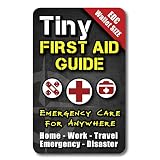
- COMPREHENSIVE FIRST AID REFERENCE: Includes 51 clear illustrations, 110 practical first aid skills, 167 expert emergency tips, 24 bonus online training resources, 10 critical mistakes to avoid, 5 mindset strategies for high-stress situations, 19 essential responder tactics, and 4 core pillars of readiness. This first aid pocket guide is designed as a compact, easy-to-use medical preparedness guide.
- POCKET-SIZE EMERGENCY ESSENTIAL: Our edc first aid guide is built to be carried, studied, and referenced when it matters most. This tiny first aid guide is designed for quick access during unexpected emergencies, helping you stay calm and focused with clear, step-by-step instructions.
- FIRST AID FOR REAL-WORLD SITUATIONS: These first aid instructions cover a wide range of everyday and outdoor scenarios, including home and workplace incidents, travel mishaps, vehicle accidents, natural disasters, wilderness emergencies, hiking, camping, and more. A practical reference for building confidence across common emergency situations.
- PROACTIVE SKILL-BUILDING TOOL: Best used before an emergency happens. Learn how to develop the mindset, skills, tactics, and preparedness habits needed to respond effectively when time matters. Ideal for assembling smarter kits and becoming more medically prepared.
- THOUGHTFUL GIFT FOR ANY OCCASION: Compact, informative, and engaging to browse, this first aid guide makes a meaningful gift for family, friends, travelers, and outdoor enthusiasts. Perfect as a stocking stuffer, birthday gift, or everyday preparedness essential.
Bottom line for the ER-versus-urgent-care question
Choose the emergency department or call 911 for signs that breathing, circulation, consciousness, brain function, movement, or life may be in danger. Choose urgent care for a stable illness or minor injury that needs prompt attention but does not meet that emergency threshold, after confirming the clinic can provide the needed service. When the warning signs are absent but the decision is unclear, contact a clinician or nurse advice line—and move to emergency care immediately if the person worsens.
Frequently Asked Questions
What is the clearest difference between an emergency department and urgent care?
The emergency department is for symptoms or injuries that could cause death, permanent disability, or rapid deterioration. Urgent care is for a stable illness or injury serious enough to need prompt attention but not severe enough to require hospital emergency care.
Can urgent care treat a broken bone or a cut that needs stitches?
Some centers can evaluate minor fractures or close minor wounds, but capabilities vary. Call the specific clinic to confirm imaging, wound-closure services, age limits, hours, and treatment options. Loss of movement or sensation, major deformity, a deep wound, or uncontrolled bleeding requires emergency care.
Should I choose urgent care because it may cost less?
No. Do not delay a genuine emergency to compare prices or coverage. HealthCare.gov says to go to the closest hospital that can help, and an insurer cannot require prior approval for out-of-network emergency-room services. Your actual cost depends on your plan and hospital. There is no universal current price comparison showing that every urgent-care visit costs less than every emergency visit.
What should I do if I am unsure where to go?
If there is no emergency warning sign, call the person’s clinician, on-call provider, or a nurse advice line. Give the symptom timeline, severity, age, medical conditions, medicines, pregnancy status when applicable, and any changes in breathing, alertness, movement, or bleeding. If an emergency sign appears, call 911 immediately.
When should a child go to the emergency department?
Call 911 for stopped breathing or turning blue, possible poisoning, or a head injury followed by passing out, vomiting, or abnormal behavior. Stable common illnesses and minor injuries may fit urgent care if the clinic treats that age group, but contact the child’s clinician or a nurse advice line when uncertain.
What if urgent care tells me to go to the hospital?
Follow the recommendation. A clinic may discover a dangerous condition or lack the test or treatment required. If the person develops breathing trouble, fainting, confusion, sudden weakness, uncontrolled bleeding, or another emergency sign while waiting, call 911 rather than arranging routine transportation.
What’s actually slowing this PC down?
Pick the symptom - the matching free tool is one click away.
The Bottom Line
Emergency signs mean 911 or the closest capable emergency department. Stable, non-life-threatening problems may fit urgent care after you verify the center’s capabilities. When uncertain, call a clinician or nurse advice line, and never let cost or convenience delay emergency treatment.






Say something about this film