Quick wins for a faster PC:
Repair Windows errors before they cause bigger problemsFix Now →Fix the driver behind crashes, sound loss and screen glitchesFind Drivers →Some links on this page are affiliate links: if you buy through them we may earn a commission, at no extra cost to you.
A useful support kit is not a fixed checklist or a one-size-fits-all bag. It should be assembled around the child’s age, development, preferences, culture, disability access, family situation and living conditions, after checking what the household and local response already provide. In practice, that usually means a small set of safe play or learning materials, individually appropriate hygiene and dignity supplies, and a clear connection to caregivers and protection, education, health and psychosocial services.
Use the categories below as prompts for a conversation with the child, caregiver or a trusted local organization. UNICEF’s Kits that Fit Playbook emphasizes feedback, tailoring, local sourcing, dignity, choice and continued review. The goal is not to fill every bag with every item, but to provide what this child can use safely and with dignity in this setting.
Why there is no universal displaced-child kit
Displacement can mean a temporary shelter, a host family’s home, a camp, a school used for accommodation or an unstable arrangement between several places. A child may arrive with some belongings, share supplies with siblings, or have no reliable access to water, storage, electricity or a private place to wash. A standard package can therefore be generous in one setting and unusable in another.
Free tools Windows power users keep installed
One-click scans. No signup required.
UNICEF’s “Kits that Fit” approach starts with rights-holder feedback rather than a generic contents list. Before selecting an item, ask whether the child wants it, can use it, can carry or store it, and can obtain the supporting resources it requires. Local purchasing can make replacement easier, fit local customs and support dignity, provided quality and safety are checked.
Popular on Amazon
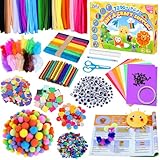
- Great Variety in One Box: Comes with 1800pcs tissue papers, 500pcs sequins, 200pcs google eyes, 150pcs feathers, 100pcs pipe cleaners, 100pcs pompoms, 100pcs matchsticks, 100pcs foam stickers, 50pcs popsicle sticks, 50pcs buttons, 20pcs doll noses, 14pcs cardstock, 1 roll of double side tape, 1pcs pencil, 1pcs ruler, 1pcs scissors, 1 user manual and 1 exquisite gift box
- Step-by-Step Detailed Guide: Including 12 craft designs, ranging from easy to advanced, each with a detailed, illustrated tutorials. The art kit is perfect for independent play as well as parent-child craft time, ensuring children of all ages enjoy fun and creative fulfillment while making art projects
- Easy to Cleanup and Storage: Each craft supply is individually wrapped and neatly stored in a large craft box. Perfect for bringing out for crafting time and then whisking away when you need the table clear
- Educational & Developmental: The art set can not only teach kids to recognize size, color and counting, but also help them practice concentration, imagination and fine motor skills (paper cutting, pen holding and sorting small objects). It is very suitable for both schoolwork and home education
- Ideal Gift Choice: Kids art supplies with an exquisite gift box is an excellent choice for Christmas, birthdays, parties, family gatherings, school activities and holidays. Both toddler and older kids will love it
| Decision factor | Questions to answer |
|---|---|
| Age and development | Is the activity understandable and physically manageable? Does it support the child’s current learning or play stage? |
| Preference and choice | What does the child enjoy, and which colors, stories, games or formats feel familiar? |
| Culture and language | Are images, text, clothing-related products and personal-care items acceptable to the child and family? |
| Disability access | Can the child see, hear, hold, reach, communicate with or otherwise use the item? Is an adaptation needed? |
| Actual setting | Is there enough water, soap, power, privacy, ventilation, floor space and secure storage? |
| Existing assistance | Would this duplicate supplies from a school, shelter, clinic, relief agency or household kit? |
| Local availability | Can the item be replaced locally, and can its safety and quality be verified? |
Begin with a respectful needs conversation
A short, private conversation prevents well-intentioned items from becoming burdensome or embarrassing. Speak to the child in an age-appropriate way, include a caregiver where safe and appropriate, and involve a trusted local organization when language, protection or disability support is needed. Never pressure a child to disclose a traumatic experience in order to receive supplies.
- Check immediate safety. Confirm where the child is sleeping, who is responsible for care, and whether urgent protection, medical attention, food, shelter or reunification support is required. A kit is not a substitute for those services.
- Ask what is already available. Note household water access, soap, cooking equipment, bedding, clothing, school materials, lighting and safe play space. Record what a response agency has already issued.
- Establish practical constraints. Find out what the child can carry, where items can be stored, whether belongings may be shared with siblings and whether transport between locations is likely.
- Invite preferences. Offer a small choice of activities or colors when possible. Choice restores agency and helps avoid culturally inappropriate or unwanted gifts.
- Check access needs. Ask about vision, hearing, mobility, dexterity, communication, sensory sensitivities and continence needs without making assumptions. Adapt sizes, handles, textures, instructions or formats accordingly.
- Plan replenishment. Identify who can replace consumables, batteries, menstrual products, soap, paper or art materials and how the family can request them.
- Agree on privacy. Personal hygiene and dignity items should be packed discreetly and discussed with the user, not announced publicly.
- Set a review date. Needs change as a child moves, returns to school, joins a host household or gains access to services. Ask what is useful and what should be exchanged or removed.
Choose play and learning materials by developmental fit
Play can provide routine, expression and connection, while learning materials can help a child re-enter education. The item should match the child’s abilities and the setting, not simply the donor’s idea of what a child should like.
Early-childhood materials
UNICEF describes its Early Childhood Development Kit as a “treasure box” of materials and ideas for learning and fun. Examples include puzzles and games, puppets and art supplies. For an individual child, select only safe, usable components: large pieces where choking is a risk, washable materials when cleaning is limited, and simple instructions when literacy or language differs. Check that crayons, paints, adhesives and small parts are age-appropriate and non-toxic according to local standards.
Recommended Free Tools
School-age recreation and learning
UNICEF’s Recreation Kit is intended for ages 7–18 and includes board games and sports equipment. That age span covers very different abilities, so a board game for younger players may not suit an older adolescent, and a ball may be unusable where there is no safe open space. Ask whether the child will play alone, with siblings or in a supervised group, and choose compact equipment that can be stored securely.
Also popular on Amazon

- CRAYOLA KIDS ART KIT: This 140-piece drawing kit includes 1 Crayola Inspiration Art Case, 40 Washable Markers, 20 Short Colored Pencils, 64 Crayons, and 15 Large Pieces of Paper (9" x 13").
- HOLIDAY CRAFTS FOR KIDS: Give the gift of creativity with this Crayola set, perfect as a Christmas craft, or Christmas gift for kids to enjoy throughout the season.
- PORTABLE ART STUDIO: The compact and durable tie-dye art case lets kids take their art supplies wherever they go. The sturdy construction can withstand active use and frequent transport.
- VERSATILE ART SUPPLIES: These safe and nontoxic art supplies are ideal for art class, creative projects at home, or holiday crafts, this comprehensive art kit has all the creative tools kids need.
- VIBRANT COLORS: The set includes a variety of colors, from bright and bold to soft and subtle, so kids can create artwork that pops.
Adolescent-focused materials
UNICEF’s Adolescent Kit combines guidance, tools, activities and supplies. An adolescent may value practical information, private writing or planning materials, creative activities and peer or group exercises more than toys associated with younger children. Provide materials privately when stigma, gender expectations or safety concerns could make public distribution uncomfortable.
| Program example | Typical purpose | How to adapt for one child |
|---|---|---|
| Early Childhood Development Kit | Early learning and playful exploration | Select developmentally safe puzzles, puppets, games or art materials; remove pieces the child cannot safely use. |
| Recreation Kit | Play and group recreation for ages 7–18 | Match games or sports equipment to age, ability, supervision and available space. |
| Adolescent Kit | Guidance, activities, tools and supplies for adolescents | Offer relevant, private and culturally acceptable materials chosen with the adolescent. |
These are humanitarian program examples, not instructions to place every listed item in a personal bag. A child may need one activity, a shared group resource or no additional play item at all if safe recreation is already available.
Include hygiene and dignity supplies only when they fit the user and setting
Hygiene products can protect health and restore privacy, but the right choice depends on age, culture, body, disability, personal preference and the infrastructure available. UNHCR guidance calls for culturally and age-appropriate hygiene, dignity and menstrual products, including products designed for children when needed, and recommends consultation with users and caregivers.
Personal-care choices
Possible categories include soap, toothbrush and toothpaste, hair-care items, toilet paper or other locally accepted cleansing materials, menstrual products, diapers, incontinence supplies and a small towel. Do not assume that a product marketed for adults is suitable for a child. Check sizing, instructions, skin sensitivities and whether the child can use it independently or needs a trusted caregiver’s help.
Also popular on Amazon

- 140-PIECE CRAYOLA ART KIT: Includes 64 Crayola Cayons, 40 Washable Markers, 20 Short Colored Pencils, 15 Large Drawing Sheets, and a durable space-themed art case for kids who love to create.
- VIBRANT COLORING SUPPLIES: This art set features a wide range of bold and bright colors—perfect for school projects, crafts, and everyday creativity.
- PORTABLE & ORGANIZED: The lightweight Crayola art case includes compartments, locking latches, and a handle—ideal for travel, storage, and on-the-go fun.
- DRAWING KIT FOR BEGINNERS: A complete starter kit for young artists to explore coloring, drawing, and crafting with confidence.
- SAFE & NONTOXIC: All Crayola supplies are safe and non-toxic, making this a worry-free choice for parents and teachers.
Reusable products need infrastructure
Reusable diapers, menstrual products and incontinence products are appropriate only when the child has dependable access to water, soap, a place to wash and a hygienic place to dry them. Without those conditions, a reusable item can create discomfort, infection risk, stigma or extra work for a caregiver. Ask specifically about privacy and drying space rather than treating “reusable” as automatically better.
Pack for privacy and replenishment
Use opaque or discreet packaging for personal items, provide instructions in a language the user understands, and explain how to request replacements. Avoid putting a child’s name or sensitive information on the outside of a package. If a caregiver will manage the supplies, obtain the child’s assent where possible and explain what is being provided.
Keep household supplies separate from a child’s personal kit
Some needs belong to the household or shared shelter, not to one child’s bag. UNICEF’s WASH and Dignity Kit is an example: its 2023 description says it is designed for a household of five for one month. Listed contents include a lidded bucket, jerrycan, soap, laundry detergent, locally variable menstrual-hygiene items, a self-powered torch and a whistle.
Do these 3 things before closing this tab:
1Fix the driver behind crashes, sound loss and screen glitches2Clear out junk files and repair common Windows errors3Scan for outdated or missing drivers - takes under a minuteThat scope matters. A bucket, water container or torch may benefit every family member, while a menstrual product or child-sized item is personal. Label household supplies as shared support so responsibility and replacement are clear; do not present the household kit as a universal displaced-child kit. Menstrual-hygiene contents vary by context, so they should not be treated as a fixed global formula.
Also popular on Amazon
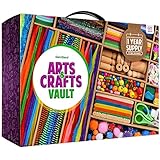
- Unleash & Spark Your Creativity: Your complete arts and crafts supply set with arts & crafts supplies for kids to create and craft. Packaged and stored in a beautiful 2-drawer case.
- Premium Value: Kit includes Pipe Cleaners, Fuzzy Sticks, Pom Poms, Wooden Pieces, Felt Strips, Craft Sticks, Sequins, Wooden Discs, Wooden Beads, Plastic Beads, Sticky Gems, Googly Eyes, Scissors, Sewing Needles, Glue, Glitter Glue, Feathers, Buttons, Thread.
- Unlimited Uses: Make jewelry by adding beads to the thread or pipe cleaners. A windcatcher by gluing sticks together into a shape, decorating them, and then tying beads to hang down. Using as many of the different supplies as possible, make the world’s strangest-looking monster. Create an animal that’s a mix of animals … the feathers of a bird, a tail like a monkey, and the trunk of an elephant. You get the idea... the possibilities are endless with this mega kit!
Connect the kit to protection, care and psychosocial support
A toy, notebook or game can create a moment of normality, but objects alone do not provide protection, education, health care or mental-health support. UNICEF’s Community-based mental health and psychosocial support in humanitarian settings guidance, published in August 2018, emphasizes safe, nurturing environments and coordinated strategies involving children, caregivers, families and community providers.
Include a simple, locally verified information card or verbal referral only when it can be kept safe and current: where to find a child-protection focal point, health service, school or psychosocial-support provider; when it is open; and how to request interpretation or disability assistance. Do not print unverified phone numbers, promise confidentiality that a service cannot provide or ask children to carry sensitive case details.
Watch for practical protection issues. Small parts can be dangerous for younger children; cords can pose strangulation risks; sports equipment can be unsafe in crowded shelters; and a flashing or noisy item may distress a child with sensory sensitivities. Avoid collecting identifying data unless a responsible service requires it and has explained how it will be protected.
The Tool Desk
Outbyte PC Repair FREERepair Windows errors before they cause bigger problemsFix Now →Outbyte Driver Updater FREEFix the driver behind crashes, sound loss and screen glitchesFind Drivers →Consider wider non-food needs without overloading the child
UNHCR’s guidance on in-kind non-food-item distribution describes common displacement needs across shelter, sleeping, cooking, energy, health and sanitation. These may be urgent, but they do not automatically belong in a child’s personal package. A sleeping mat, blanket, cooking vessel, fuel or solar light may be better issued to the household or shelter according to the response plan.
Also popular on Amazon

- Premium Art Drawing Supplies with Rainbow Multicolored Pencils: Set come with 12 pcs Rainbow Colored Pencils for professional artists adults teenage beginners and kids, 5mm thick and soft lead core, not easy to break, very soft, and each pencil is composed of at least three different colors, beautiful colors mixed. create lifelike artwork that seems to pop off the page
- Complete Drawing kit and Sketch Pencils Set: 81 pack Art Pencils Set along with 21 Oil Based Colored Pencils, 15 Wooden Graphite Sketching Pencils, 12 Watercolor Pencils, 12 Metallic Coloring Pencils, 3 Charcoal Pencils, Perfect for drawing, sketching, coloring, shading, layering, and blending
- Sketchbook kit with Unique 3-Color Sketch Pad, 6 x 9", SPIRAL BOUND, 100GSM, 50 Pages (30 pages white, 10 pages toned tan, 10 pages black), Different colors of sketch paper are suitable for different styles of drawing
- Art Colored Pencils Set with Coloring Book for Adults to Relax and Relieve Anxiety, Coloring Books will be a good leisure pastime. Use your imagination and enjoy the rewards of relaxation.
- 【Drawing Supplies Pencils Kit with Drawing Tutorial on “how to draw flowers”】 give you a uniquely comprehensive guide to getting you started with your first steps in the art world, start creating your artwork NOW and taking your art to the next level
Ask three questions before adding a large or heavy item: Is the child expected to carry it? Is there a safer household-level distribution channel? Will it work in the current shelter? If the answer points to shared provision, refer the family rather than turning the child’s support kit into a substitute for a full non-food-item response.
A practical assembly and review workflow
- Map the setting. Record water, sanitation, power, privacy, storage, sleeping arrangements, school access and safe play space.
- Make a short needs list. Separate personal items, shared household supplies and service referrals.
- Offer choices. Let the child or caregiver select among safe alternatives instead of receiving an imposed bundle.
- Verify safety and access. Check age suitability, materials, size, language, disability adaptations, supervision needs and cultural acceptability.
- Source locally where possible. Confirm quality, replacement availability and instructions with a trusted local supplier or organization. Local sourcing supports UNICEF’s tailoring approach, but it is not a guarantee of quality; inspect every item.
- Pack by function. Use separate, clearly labeled pouches for play or learning, hygiene and household referrals. Keep private items discreet.
- Explain use and limits. Demonstrate unfamiliar products, explain washing or charging requirements and state that the kit does not replace services.
- Collect feedback. After the child has used the items, ask what helped, what was uncomfortable, what was missing and what should be exchanged.
- Review after changes. Reassess after a move, school enrolment, change in caregiver, new disability need, seasonal weather change or depletion of consumables.
Common mistakes to avoid
- Giving every child the same bag: standardization can ignore age, disability, culture and personal choice.
- Mixing household and personal supplies: a family water container or torch should not be described as a child-specific item.
- Providing reusable products without wash facilities: water, soap, washing space and drying space are prerequisites.
- Using play as a substitute for care: activities support well-being but cannot replace protection, schooling, medical treatment or psychosocial services.
- Ignoring duplication: extra goods consume storage and transport capacity when a school, shelter or agency already supplies them.
- Distributing without consent or privacy: public handouts of sensitive products can cause stigma or expose personal information.
- Adding unverified referrals: outdated contact details can delay help and create a false sense of safety.
- Assuming a retail art kit is a complete response: a small art-supplies kit can be an optional creative activity, but it is not a humanitarian standard or a substitute for coordinated assistance.
An adaptable way to describe the finished package
For documentation or handover, describe the package in modules rather than claiming a universal contents list:
- Child-selected activity module: one or more age- and ability-appropriate games, books, puzzles, puppets, sports items or art materials.
- Personal dignity module: only the hygiene, menstrual, diaper or continence products the user wants and can use safely in the available infrastructure.
- Shared household referral: a clearly identified request for water, lighting, bedding, cooking, shelter or sanitation supplies when those needs exceed a personal kit.
- Support connection: current, locally verified information about protection, education, health and psychosocial services, delivered in a safe format.
- Review plan: the person responsible for follow-up, the expected replenishment route and the date or trigger for reassessment.
This modular description makes it easier to exchange an unsuitable item, prevent duplication and preserve the child’s voice. It also lets a local organization update one component without representing the whole package as fixed.






Say something about this film