Some links on this page are affiliate links: if you buy through them we may earn a commission, at no extra cost to you.
The 2022 “Jolene” video is not Dolly Parton’s voice cloned by AI. It is Holly Herndon’s artist-controlled digital identity, Holly+, performing a digitally mediated cover of Parton’s song. The result sounds polished and mournful enough to unsettle casual listeners, while audible seams—very long breaths, unusually even delivery and less vulnerable phrasing—keep it from being an exact Parton imitation.
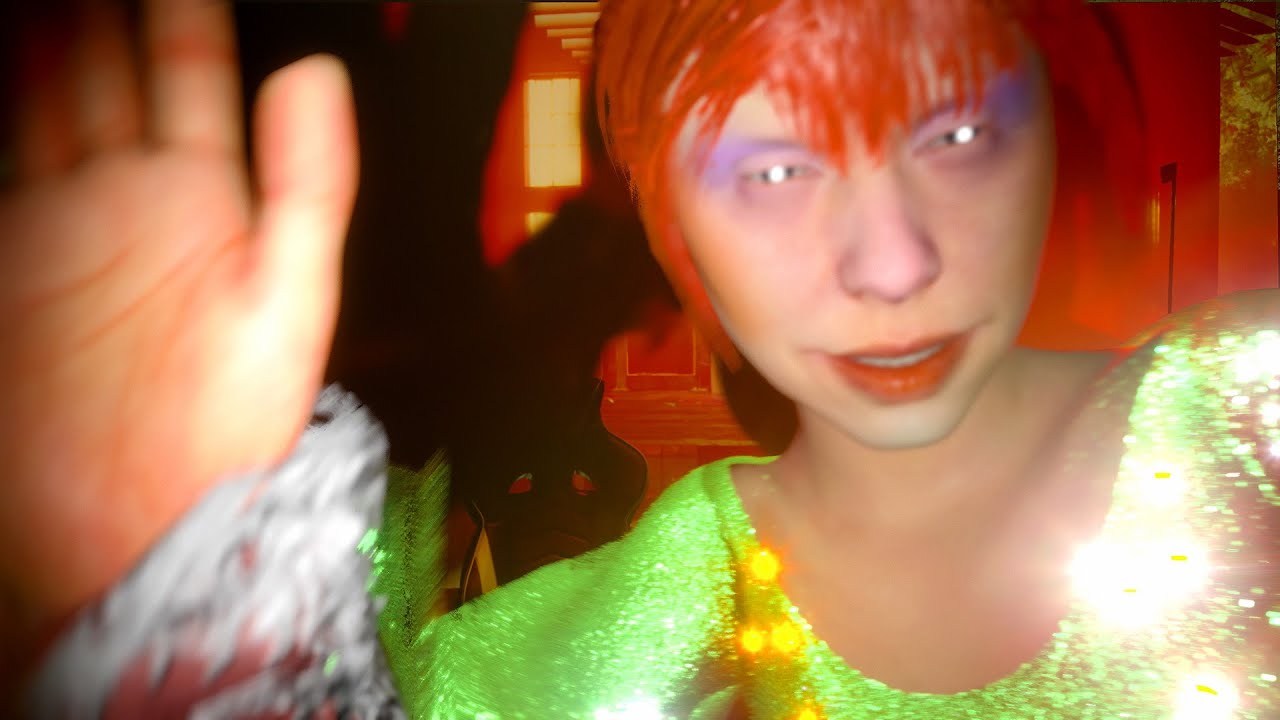
Watch the performance, credited as Holly Herndon – “Jolene” (feat. Holly+). Futurism published its report on November 2, 2022, making this an early example of artist-led synthetic vocal performance rather than a 2026 benchmark for the technology.
| # | Preview | Product | Price | |
|---|---|---|---|---|
| 1 |

|
Jolene (Expanded Edition) | $12.99 | Buy on Amazon |
| 2 |

|
Dolly Parton - Platinum & Gold Hits - Greatest Hits Album Collection - Remastered - 12 Tracks... | $29.94 | Buy on Amazon |
What the “Jolene” recording actually is
Dolly Parton wrote and recorded “Jolene,” but the performer in this video is presented as Holly Herndon through Holly+, described in contemporary coverage as Herndon’s digital or deepfake twin. The accompanying video places a 3D Holly+ avatar in a surreal, decaying digital environment.
That distinction matters. The project is an AI-mediated performance of another artist’s composition, not evidence that Parton supplied vocals, appeared in the video or endorsed the recording. The available reporting does not establish the software architecture, training data or how much of the finished track was generated automatically.
Popular on Amazon
- Shrink-wrapped
Is Dolly Parton’s voice being cloned?
No. The headline’s use of “deepfake” is broad and attention-grabbing; it can lead viewers to assume an unauthorized Parton impersonation. The more accurate description is an artist-controlled Holly+ performance of a Dolly Parton cover.
| Question | What this recording supports |
|---|---|
| Whose song is it? | Dolly Parton’s “Jolene.” |
| Whose digital identity is presented? | Holly Herndon’s Holly+ persona. |
| Is it Parton’s cloned vocal identity? | Not according to the available description; the performance is not an exact Parton recreation. |
| Was it made autonomously by software? | Not established. Human choices in arrangement, direction, editing, mixing and release may all be involved. |
A cover of a composition, a recording that copies a particular singer’s voice, and a digital likeness of an artist are separate things. Copyright in the song, rights in a specific sound recording, publicity or likeness rights, and control of a performer’s voice should not be treated as one interchangeable permission.
Why the performance sounds so convincing at first
The track uses familiar signals of a sorrowful acoustic cover: a rounded, reverberant vocal, a bouncing accompaniment, sustained notes and dramatic backing vocals. Those ingredients can trigger the listener’s expectations before close attention reveals how the voice was produced.
The Tool Desk
Outbyte PC Repair FREEClear out junk files and repair common Windows errorsFree Scan →Outbyte Driver Updater FREEScan for outdated or missing drivers - takes under a minuteDriver Scan →Surface realism
- Pitch and melody are coherent enough to support the song.
- Reverb and acoustic texture place the vocal in a recognizable singer-songwriter setting.
- Sustained notes and conventional rises in intensity create the outline of emotional expression.
- The arrangement supplies much of the atmosphere, so the listener may initially judge the whole production rather than the vocal alone.
Convincing output does not prove that a system understands the lyric or possesses human-like musical experience. A synthetic performance can reproduce the audible signals associated with intimacy, grief and pleading without sharing a performer’s personal history.
Where careful listening exposes the seams
Futurism’s contemporary review points to unusually long breaths, vocals that remain unusually even and phrasing that lacks some of the vulnerability associated with Parton’s recording. These are listening observations, not published forensic measurements.
- Inhalations can last longer than a human singer would normally sustain between phrases.
- Pitch and volume transitions are technically smooth but may not carry natural vocal tension.
- Consonants and note changes can feel softened or detached from the lyric’s emotional emphasis.
- Vibrato and intensity may appear more consistently applied than in a live, interpretive performance.
- The emotional level does not always develop organically from verse to chorus; the production can feel as though it is assembling the expected signs of a dramatic cover.
What Holly+ and the video add
Holly+ turns the experiment into more than an isolated vocal effect. The 3D avatar presents a complete digital persona, while the deteriorating virtual setting makes instability and artificial identity part of the visual meaning. The available coverage confirms the avatar and setting; it does not establish that every visual element was generated by AI.
Herndon’s project is also different from a random viral voice-cloning stunt. She is presented as deliberately exploring how an artist might extend and control a digital version of their own identity. Herndon has argued, as quoted by Futurism, that vocal deepfakes are likely to remain part of the cultural landscape and that artists need a balance between protection and experimentation. Her Holly+ statement is referenced at hollyherndon.com/holly.
PC Slower Than It Used to Be?
A free scan shows the junk files, broken settings and background clutter dragging Windows down - then fixes them in one click.Free scan · Windows 10 & 11Outdated Drivers Are Slowing You Down
One free scan finds every outdated or missing driver and matches the right update for your exact hardware.Free scan · exact hardware matchAlso popular on Amazon
- 12 Track CD Greatest Hits Collection
The consent question is bigger than this one cover
Artist authorization changes the ethical category
A project presented as Herndon’s own digital identity experiment is materially different from making Dolly Parton appear to sing something without permission. Transparency about whose identity is being used and who approved it gives listeners information that an undisclosed imitation would withhold.
Control is difficult to preserve at scale
The same capabilities can be reused in very different situations:
- An artist licenses a voice for a defined recording.
- A label uses a performer’s digital likeness under a contract.
- A fan makes a clearly labeled parody.
- A scammer fabricates a celebrity endorsement.
- A model is trained on recordings whose owners never gave clear consent.
Consent, scope, attribution and the ability to revoke permission are therefore practical safeguards, not abstract additions to the debate. Herndon’s participation does not make every other use of voice synthesis safe.
Authenticity and authorship
The track also challenges the idea that a vocal performance must be produced by a person singing in real time. If a human artist chooses the song, directs the system, edits the takes, shapes the arrangement, approves the mix and releases the work, authorship is distributed across those decisions even when the audible vocal is synthetic or digitally transformed. The source material does not document the exact division of labor for this recording, so claims about autonomous creation would go too far.
How to assess the performance on its own terms
| Criterion | What to listen for |
|---|---|
| Technical realism | Believable breaths, intelligible consonants, natural pitch transitions and interaction with the accompaniment. |
| Musicality | Accurate melody, changing dynamics, tension and release, and an arrangement that supports rather than masks the vocal. |
| Identity | Whether the sound reads as Holly+, Holly Herndon, Dolly Parton or an intentionally synthetic singer—and whether that mediation is disclosed. |
| Ethics | Who authorized the voice, what the listener is told and whether the same method could deceive or exploit someone else. |
| Artistic value | Whether the digital persona enables a meaningful new performance or merely imitates a familiar singer. |
On these criteria, “Jolene” is technically persuasive enough to demonstrate the power of synthetic vocals, but its regularity and reduced interpretive vulnerability keep it from replacing the specificity of a human performance. Its artificiality is also part of the subject: the video asks what an artist-owned digital self might sound and look like.
What this 2022 example does—and does not—prove
It shows that a digitally mediated vocal can pass an initial casual-listening test, especially when a familiar arrangement supplies emotional context. It does not show that an AI independently wrote the song, reproduced Parton’s voice, understood the lyric as a person would, or represents the best singing technology available in 2026.
The unresolved issue is not simply whether a machine can become indistinguishable from a singer. It is whether audiences, artists and platforms can tell which identity is being used, who authorized it and how much human creative work shaped the result. Holly+ offers one artist-controlled answer; the broader consent problem remains open.






Say something about this film