Recommended Free Tools
Long before algorithms dictated what played next, the 1993 original lived a second life in living rooms and school sleepovers, worn into memory through VHS rewinds and cable reruns. Released to modest box office returns and mixed reviews, the film quietly defied its theatrical fate, becoming a generational touchstone for Millennials who grew up quoting its jokes and memorizing its musical detours. Its appeal wasn’t prestige or spectacle, but comfort, timing, and a mischievous tone that felt tailor-made for October.
A Halloween Habit That Never Died
What transformed the movie into a cult classic was repetition and ritual. Networks like Disney Channel turned it into seasonal programming, cementing it as a Halloween tradition rather than a one-off novelty. Each annual rewatch reinforced its status, passing the spell down to Gen Z viewers who discovered it not in theaters, but through family movie nights and early streaming libraries.
| # | Preview | Product | Price | |
|---|---|---|---|---|
| 1 |
![Hocus Pocus [Blu-ray] [2018]](https://m.media-amazon.com/images/I/51SfsqYzKmL._SL160_.jpg)
|
Hocus Pocus [Blu-ray] [2018] | $17.15 | Buy on Amazon |
| 2 |
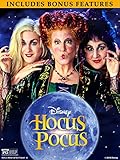
|
Hocus Pocus | $4.99 | Buy on Amazon |
| 3 |

|
Hocus Pocus (4K UHD) | $3.99 | Buy on Amazon |
| 4 |
![Disney's Hocus Pocus UHD [Blu-ray] [2020] [Region Free] [4K UHD]](https://m.media-amazon.com/images/I/51ZNBTgB3GL._SL160_.jpg)
|
Disney's Hocus Pocus UHD [Blu-ray] [2020] [Region Free] [4K UHD] | $30.37 | Buy on Amazon |
That long-tail cultural endurance is exactly why the sequel’s recent streaming surge makes sense. The 1993 film didn’t just age well; it became infrastructure for the holiday viewing ecosystem, a title audiences instinctively return to when fall hits. In the streaming era, where nostalgia is both currency and comfort, the original’s legacy set the stage for its follow-up to keep reappearing on charts years after release, fueled by memory as much as curiosity.
A Sequel 29 Years in the Making: Why the Long Delay Actually Fueled Anticipation
In Hollywood, long gaps between installments usually signal creative drift or audience indifference. In this case, the opposite happened. The nearly three-decade wait turned the sequel into a kind of pop culture mirage, whispered about for years, joked about online, and assumed impossible until it suddenly wasn’t.
#1 Best Overall
- Actors: Bette Midler, Sarah Jessica Parker, Kathy Najimy, Omri Katz, Thora Birch
- Directors: Kenny Ortega
- Format: PAL, Blu-ray
- Language: English
- Subtitles: French, Latin
That absence gave the original film something most franchises never get: time to become myth. Without sequels diluting its identity, the 1993 movie stood alone as a self-contained seasonal ritual, growing more beloved precisely because it was untouched.
The Power of “They’re Finally Doing It”
When the sequel was officially announced, it didn’t feel like just another greenlight. It felt like a victory lap for fans who had spent years treating the idea as wishful thinking rather than inevitability. That emotional investment translated into immediate curiosity, even from viewers who don’t normally chase follow-ups.
The return of the original cast only amplified that effect. Seeing familiar faces step back into roles nearly 30 years later framed the sequel as a continuation of memory, not a reboot engineered by committee. For nostalgia-driven audiences, that distinction matters.
Growing Up With the Audience, Not Replacing Them
Unlike many legacy sequels aimed at rebooting franchises for younger demographics, this one leaned into aging alongside its fans. Millennials who watched the original on VHS were now parents, introducing the sequel to Gen Z viewers as a shared experience rather than a handoff.
The Tool Desk
Outbyte PC Repair FREEClear out junk files and repair common Windows errorsFree Scan →Outbyte Driver Updater FREEFix the driver behind crashes, sound loss and screen glitchesFind Drivers →That multi-generational appeal gave the film an unusually long runway on streaming. It wasn’t just a premiere-weekend curiosity; it became something families revisited together, especially during October, when seasonal habits override release dates.
Delay as a Branding Strategy, Even If It Wasn’t Planned
Ironically, the 29-year gap functioned as accidental marketing. The sheer length of time made the sequel feel eventized by default, less like content and more like a cultural checkpoint. Viewers weren’t just watching a new movie; they were closing a loop that had been open since childhood.
That sense of completion is a powerful motivator in the streaming era. It explains why the sequel keeps resurfacing on charts years after release, pulled back into relevance each fall by audiences who waited decades to see what happened next and still aren’t done revisiting it.
Why It’s Trending Now: Seasonal Viewing Habits and the Perpetual Halloween Effect
What ultimately keeps the sequel bubbling back to the top isn’t marketing or novelty. It’s timing. Specifically, the way modern streaming habits have turned Halloween into a months-long viewing season rather than a single-night event.
Windows Errors? Fix Them Before They Spread
Repair common Windows errors and clear accumulated junk for a smoother, more stable PC - no reinstall needed.Free scan · no reinstallCrashes, No Sound, or Screen Glitches?
Random freezes, missing sound and display glitches usually trace back to one bad driver. Find and replace yours safely.Free scan · under a minuteEvery fall, audiences instinctively reach for familiar spooky comfort titles, and this franchise now occupies a rare sweet spot. It’s Halloween-coded without being scary, nostalgic without feeling dated, and accessible enough to play in the background during everything from pumpkin carving to family movie nights.
Halloween Has Become a Streaming Season, Not a Date
On streaming platforms, October isn’t just a spike; it’s a ritualized content cycle. Viewers begin searching for Halloween movies weeks in advance, and algorithms respond by resurfacing titles that already show strong seasonal engagement.
Because the sequel reliably performs during this window, it benefits from compounding visibility. Each October rewatch teaches the platform that this is a dependable seasonal draw, making it more likely to be promoted again the following year, regardless of its original release date.
A Comfort Watch That Bridges Generations
Unlike horror franchises that skew toward teens or adults, this sequel functions as a rare all-ages option. Millennials revisit it for nostalgia, Gen Z watches it as a campy seasonal staple, and parents feel comfortable putting it on without negotiating content concerns.
That broad appeal matters in shared living spaces. Streaming charts often reflect what households agree on, not just what individuals crave, and this film’s tone makes it an easy yes during October evenings.
Rewatchability Beats Newness Every Fall
Seasonal charts tend to reward familiarity over freshness. When viewers want a Halloween movie, they’re often looking to recreate a feeling rather than discover something new, and the sequel now carries the emotional shorthand of the original.
Three years after its release, it’s no longer competing as “the new one.” It’s simply part of the Halloween rotation, queued up alongside the original and revisited with the same casual affection.
The Algorithm Loves Predictable Nostalgia
Streaming platforms are built to amplify behavior patterns, and few patterns are as reliable as nostalgic seasonal viewing. Once a title proves it can drive repeat engagement during a specific time of year, it effectively becomes evergreen.
That’s why the sequel’s chart resurgence feels sudden but isn’t accidental. It’s the result of audiences returning on cue, year after year, and the algorithm quietly rewarding that loyalty with renewed prominence every time Halloween rolls around.
Rank #2
Nostalgia as a Streaming Superpower: Millennials, Gen Z, and Comfort-Viewing Economics
What’s powering this sequel’s unexpected chart dominance isn’t novelty, but emotional muscle memory. Streaming has transformed nostalgia from a passive feeling into an active consumption driver, especially for viewers who grew up during the VHS-to-DVD era and now control household viewing choices.
For Millennials, revisiting this franchise taps into childhood rituals, cable reruns, and October traditions that predate algorithmic recommendations. For Gen Z, the sequel functions differently, less as a memory lane trip and more as a communal pop culture artifact they’ve inherited and embraced through memes, TikTok clips, and annual rewatches.
Millennials Drive the Clicks, Gen Z Drives the Conversation
Millennials remain the backbone of nostalgic streaming performance. They’re the ones actively searching, queuing, and rewatching, often introducing the sequel to partners or kids as part of a seasonal routine.
Gen Z amplifies the effect by turning the movie into a shareable moment. Irony-free enjoyment, camp appreciation, and social-media-friendly aesthetics keep the sequel circulating online, which feeds back into platform visibility and cultural relevance well beyond its release window.
Comfort Viewing Is an Economic Force Now
Streaming platforms increasingly understand that comfort is currency. Viewers aren’t always chasing prestige or originality; they’re often looking for something emotionally predictable that fits a specific mood, season, or group setting.
This sequel thrives in that space. It’s low-stakes, familiar, and emotionally legible, making it ideal background viewing, family nights, or casual rewatches that don’t demand full attention. Those habits generate long watch times, repeat views, and minimal drop-off, metrics platforms value just as much as buzz.
Nostalgia Franchises Age Better on Streaming
Unlike theatrical releases that live or die on opening weekends, streaming allows nostalgia-driven titles to mature. The sequel no longer carries the burden of expectations that followed its debut; it exists now as part of a broader franchise ecosystem.
Free tools Windows power users keep installed
One-click scans. No signup required.
Each year it remains available, it deepens its association with the season and strengthens its identity as a go-to Halloween watch. That slow-burn integration is why its popularity feels organic rather than manufactured, and why its chart presence keeps returning like clockwork.
The Familiar Wins in an Overwhelming Content Landscape
As streaming libraries balloon, decision fatigue sets in. Viewers increasingly default to what they already know they enjoy, especially during seasonal viewing windows when time is limited and expectations are specific.
In that environment, a sequel tied to a beloved 1993 classic holds a massive advantage. It doesn’t need to explain itself or earn trust; it arrives pre-approved, wrapped in nostalgia, and ready to play its role in the annual October lineup.
The Algorithm Knows What You Did Last October: How Platform Curation Revived the Sequel
The sequel’s streaming resurgence isn’t accidental; it’s algorithmic precision meeting cultural memory. Modern platforms are engineered to surface titles that align with seasonal behavior, past viewing habits, and franchise affinity, and this movie checks every box at once. Once October hits, the system knows exactly who to call back to Salem.
Do these 3 things before closing this tab:
1Scan for outdated or missing drivers - takes under a minute2Repair Windows errors before they cause bigger problems3Fix the driver behind crashes, sound loss and screen glitchesSeasonal Rows Are the New Marquee
Placement matters more than ever in an interface-driven ecosystem. Being featured in a Halloween hub, family-friendly spooky row, or nostalgia collection can outperform traditional marketing campaigns, especially when viewers are already primed for the mood.
The sequel benefits from repeat annual surfacing. Each October, it re-enters the conversation not as a new release, but as a familiar option presented at exactly the right moment, often just a scroll away from the original.
Autoplay, Completion Rates, and the Power of Passive Viewing
Algorithms reward behavior, not intention. Viewers may click the sequel out of curiosity or background comfort, but high completion rates and low abandonment signal satisfaction to the platform.
That feedback loop matters. When a movie is frequently finished rather than sampled, it earns more visibility, which leads to more clicks, more finishes, and a self-sustaining rise up the charts that looks organic because it is.
What’s actually slowing this PC down?
Pick the symptom - the matching free tool is one click away.
Franchise Pairing Strengthens the Loop
Watching the 1993 original often triggers the sequel as a recommended follow-up, especially for family accounts and shared profiles. That pairing turns nostalgic rewatches into double features without viewers consciously seeking the sequel out.
For younger Gen Z audiences encountering the franchise for the first time, the sequel isn’t a delayed follow-up; it’s simply the next episode. The algorithm flattens the timeline, making a three-year-old release feel newly relevant every time the original trends.
Rank #3
Platform Memory Is Longer Than Cultural Memory
What’s changed is not the movie, but how long platforms remember viewer behavior. Each October rewatch, playlist add, and group-night selection trains the system to prioritize this title when seasonal demand spikes again.
The result is a sequel that doesn’t fade between Halloweens. Instead, it lies dormant in the data, waiting for October to roll around, ready to be summoned back to the top of the charts by an algorithm that understands nostalgia better than most studio executives ever did.
Familiar Faces, New Generations: Franchise Loyalty and the Appeal of Legacy Characters
One of the sequel’s quiet superpowers is how comfortably it leans on recognition without requiring reverence. For Millennials who grew up with the 1993 original, seeing the Sanderson Sisters return isn’t just a casting choice; it’s an emotional callback tied to childhood Halloweens, cable rewatches, and shared family rituals.
At the same time, the film avoids positioning those legacy characters as untouchable icons. Instead, it reframes them as part of an ongoing story that welcomes new viewers rather than excluding them, a balance that many legacy sequels struggle to achieve.
The Sanderson Sisters as Comfort Viewing
Bette Midler, Sarah Jessica Parker, and Kathy Najimy aren’t simply reprising roles; they’re embodying a familiar rhythm. Their performances tap into a specific brand of heightened theatricality that feels intentionally old-fashioned in the best way, making the sequel feel instantly recognizable even to casual viewers.
That familiarity lowers the barrier to entry. Viewers don’t need to remember plot details or lore to enjoy the dynamic, which makes the sequel an easy pick for group viewing, background watches, or family movie nights where consensus matters.
Quick wins for a faster PC:
Scan for outdated or missing drivers - takes under a minuteDriver Scan →Clear out junk files and repair common Windows errorsFree Scan →Fix the driver behind crashes, sound loss and screen glitchesFind Drivers →Legacy Casting as a Trust Signal
In the streaming era, recognizable faces function as a form of quality assurance. Returning cast members signal continuity and care, especially for audiences wary of legacy follow-ups that feel disconnected from their source.
For older fans, that trust encourages curiosity rather than skepticism. For younger audiences, the legacy cast becomes part of the franchise’s identity rather than a nostalgic reference they feel excluded from.
New Characters Bridge the Generational Gap
The sequel’s younger leads serve a strategic purpose beyond narrative necessity. They provide entry points for Gen Z viewers, grounding the story in contemporary sensibilities while allowing the legacy characters to remain delightfully outsized.
This generational layering mirrors how families actually watch the film. Parents recognize the witches they grew up with, while kids and teens latch onto characters who reflect their own experiences, turning the movie into shared cultural real estate rather than a nostalgia artifact.
Free tools Windows power users keep installed
One-click scans. No signup required.
Franchise Loyalty Without Homework
Perhaps the sequel’s most streaming-friendly trait is that loyalty is rewarded but not required. Knowing the original enhances the experience, but not knowing it doesn’t diminish the fun.
That accessibility is key to its chart longevity. The movie functions as both a nostalgic return and a standalone seasonal pick, allowing it to circulate endlessly among viewers who discover it in different ways, at different ages, and for different reasons.
Independent reader supportYour contribution helps us test, update, and keep practical guides available for everyone.Was It Ever About Reviews? How Audience Affection Outweighs Critical Consensus
The sequel’s renewed dominance on streaming charts quietly answers a question that has followed it since release: did reviews ever really matter here? Critical responses were mixed, with many reviewers measuring the film against modern blockbuster expectations rather than the peculiar charm that made the original endure.
For audiences, that disconnect barely registered. What critics labeled as uneven pacing or tonal silliness registered with viewers as comfort, familiarity, and a willingness to lean into the absurd rather than sand it down.
Quick wins for a faster PC:
Repair Windows errors before they cause bigger problemsFix Now →Fix the driver behind crashes, sound loss and screen glitchesFind Drivers →Critics Graded the Movie It Wasn’t Trying to Be
Much of the critical hesitation stemmed from a mismatch in criteria. The sequel was rarely aiming to reinvent its mythology or modernize its humor in a way that would appeal to prestige-minded reviewers.
Instead, it prioritized theatrical performances, broad comedy, and Halloween-friendly spectacle. Those choices may read as safe on paper, but they align perfectly with how audiences actually consume the film: casually, seasonally, and often communally.
Audience Scores Reflect Usage, Not Evaluation
Streaming audiences don’t approach movies like verdicts; they approach them like experiences. Viewers aren’t asking whether the sequel pushes the franchise forward, but whether it feels good to revisit and easy to rewatch.
Rank #4
- The disk has English audio and subtitles.
That distinction matters. A movie designed to be replayed every October benefits more from warmth and familiarity than from innovation, and audience affection tends to grow with each repeat viewing rather than diminish.
Do these 3 things before closing this tab:
1Repair Windows errors before they cause bigger problems2Fix the driver behind crashes, sound loss and screen glitches3Clear out junk files and repair common Windows errorsThe Streaming Era Rewards Emotional Utility
Unlike theatrical releases, streaming success isn’t about opening-weekend momentum. It’s about return value. Does the movie fit a mood? Does it satisfy a seasonal craving? Does it feel like a safe pick when no one wants to argue over what to watch?
The sequel answers all three with ease. That utility gives it a longer shelf life than many better-reviewed films that lack a clear emotional function in the streaming ecosystem.
Nostalgia Isn’t Blind, It’s Selective
What the chart resurgence reveals isn’t blind loyalty, but selective affection. Audiences aren’t defending the sequel as flawless; they’re embracing it as good enough in exactly the ways that matter to them.
In that sense, the movie’s success says less about critical misfires and more about evolving audience priorities. When viewers press play years later, they aren’t chasing validation. They’re chasing a feeling they already know the movie can deliver.
Recommended Free Tools
What This Streaming Resurgence Says About the Future of Legacy Sequels and Event Nostalgia
The sequel’s renewed chart dominance isn’t a fluke or a Halloween-only anomaly. It’s a clear signal that legacy sequels, when designed as seasonal events rather than cinematic reinventions, can thrive long after their initial release. Streaming has changed the value system, and this movie is benefiting from that shift in real time.
What matters now isn’t how loudly a sequel arrives, but how reliably it returns.
Seasonal Viewing Is Becoming a Streaming Power Play
Holiday-adjacent films have always had longevity, but streaming has turned that pattern into a measurable, recurring surge. Every October, audiences actively seek out content that feels like a tradition, even if that tradition is only a few years old.
The sequel has effectively become a modern Halloween staple, joining the rotation alongside the original rather than competing with it. That repeatable, calendar-based relevance is more valuable to platforms than one-off viral hits.
Legacy Sequels Are Shifting From Canon to Comfort
This resurgence reinforces that not every franchise continuation needs to push lore forward or redefine its identity. For many viewers, especially millennials and Gen Z raised on rewatchable VHS and cable staples, comfort is the point.
The sequel succeeds because it understands its role as a communal experience, something parents can introduce to kids, friend groups can throw on during a party, or couples can revisit without emotional investment. That accessibility is becoming the defining trait of successful legacy follow-ups.
Event Nostalgia Outperforms Prestige Ambition
The film’s streaming afterlife highlights a growing divide between critical ambition and audience utility. Prestige films may dominate conversation for weeks, but nostalgia-driven events dominate habits for years.
Viewers return to what fits their lives, not what demands their attention. A movie that enhances a season, rather than competes for cultural supremacy, has a far longer runway in the streaming ecosystem.
Studios Are Watching, and the Strategy Is Already Changing
This kind of sustained performance sends a clear message to studios: audiences will show up for legacy properties if they’re treated as rituals, not reboots. Expect future sequels to lean even harder into tone preservation, returning cast members, and calendar-based releases.
The goal isn’t to relaunch a franchise. It’s to anchor it.
In the end, the sequel’s resurgence says less about surprise success and more about smart alignment. It knows when it’s supposed to exist, how it’s meant to be watched, and what feeling it’s there to deliver. In a streaming era driven by mood, memory, and repeat value, that might be the most powerful spell of all.
Quick Recap
Product prices and availability are accurate as of the date/time indicated and are subject to change. Any price and availability information displayed on Amazon at the time of purchase will apply.