Some links on this page are affiliate links: if you buy through them we may earn a commission, at no extra cost to you.
Sumo and Olympic wrestling can look similar from a distance, but they reward different decisions. In the United States Sumo Federation’s rules summary, a bout is won by forcing an opponent outside the ring or making any body part other than the soles of the feet touch the ground. Freestyle and Greco-Roman wrestling instead use points, with a fall able to end the bout. This comparison focuses on sumo versus the two Olympic styles most readers mean by “other wrestling”: freestyle and Greco-Roman. Rules can change by governing body, age division, and event, so the cited rules belong to the organizations and editions identified below.
Sumo, freestyle, and Greco-Roman at a glance
The fastest way to understand the difference is to ask what each sport makes an athlete protect. Sumo athletes protect the ring and their balance. Wrestlers protect scoring positions while creating takedowns, exposure, throws, or a fall.
| Dimension | Sumo | Freestyle | Greco-Roman |
|---|---|---|---|
| Primary way to win | Force the opponent out of the ring, or make any body part other than the soles of the feet touch the ground. | Score with takedowns, exposure, throws, and other actions; a fall can end the bout. | Uses the same broad point-and-fall framework; the United World Wrestling overview also describes an eight-point technical-superiority margin for Greco-Roman. |
| Leg attacks | Trips and sweeps are among the techniques listed by the United States Sumo Federation. | Leg attacks and active leg use are allowed. | Grasping below the beltline and active use of the legs are restricted. |
| Main tactical emphasis | Ring position, forward pressure, belt grips, throws, trips, and redirecting an opponent’s momentum. | Leg attacks, takedowns, throws, exposure, and counter-defense. | Upper-body clinches, lifts, throws, and control without active leg attacks. |
| Clothing and grips | A mawashi provides the belt surface used for belt-control techniques. | UWW describes wrestling as requiring no equipment and no clothing grips. | Same UWW equipment and clothing-grip description. |
| Format documented in the cited overview | The USSF rules page establishes win conditions but does not establish one universal bout clock for every sumo setting. | Two three-minute periods with a 30-second break. | Two three-minute periods with a 30-second break. |
For the governing-body descriptions behind this table, see the United States Sumo Federation rules overview and United World Wrestling’s The Sport page.
The Tool Desk
Outbyte PC Repair FREEClear out junk files and repair common Windows errorsFree Scan →Outbyte Driver Updater FREEScan for outdated or missing drivers - takes under a minuteDriver Scan →How the win condition changes the entire contest
Sumo: the boundary is an active weapon
The USSF summarizes the objective plainly: “The object of sumo is simple.” The decisive action is not a pin or a running score. One wrestler wins when the other is forced out of the ring, or when any part of the body other than the soles of the feet touches the ground. A competitor can therefore lose while appearing to be driving forward if that pressure carries them beyond the boundary or leaves them unable to keep a foot-only base.
Popular on Amazon

- Sumo Japanese Style Wrestling Costume Halloween Cosplay Fancy Dress Up Party
- Standard fit offers a balanced silhouette that's not too loose or tight
- High-performance moisture-wicking material with UPF 50 protection
- Snag-resistant fabric technology helps reduce pulls and surface damage
That rule makes position relative to the ring as important as position relative to the opponent. A push that would merely move an opponent in another wrestling style can be a match-ending attack in sumo. Conversely, a retreat is dangerous if it gives the opponent a straight path to the edge. Throws, trips, and sweeps do not need to produce a pin; they need to make the opponent touch down or leave the ring.
Freestyle and Greco-Roman: points create recoverable positions
Under the UWW overview, both Olympic styles score actions such as takedowns, exposure, and throws, and a fall can end a bout immediately. A failed attack can therefore cost points without necessarily ending the match, leaving time to recover through another scoring sequence. The result is a contest of score, position, and clock rather than a single ring-boundary condition.
Greco-Roman also has a technical-superiority route described by UWW: an eight-point margin can end the bout. That is a different kind of stoppage from a fall and should not be confused with a sumo win by forcing an opponent out.
Do these 3 things before closing this tab:
1Clear out junk files and repair common Windows errors2Fix the driver behind crashes, sound loss and screen glitches3Repair Windows errors before they cause bigger problemsLeg use is the clearest technical divide
Freestyle allows attacks to the legs
Freestyle permits leg attacks and active leg use. A wrestler can attack the legs directly, finish a takedown by changing levels, or use the legs while defending and countering. UWW’s discipline description treats those attacks as a defining part of freestyle’s tactical range.
Also popular on Amazon

- For sumo wrestlers and fans who respect the dohyo, the mawashi, the opening charge, balance, footwork, training discipline, and ring-out strategy.
- Great gift idea for a martial arts friend, grappler, tournament watcher, Japan sports enthusiast, or athlete who loves powerful traditional wrestling.
- Lightweight, Classic fit, Double-needle sleeve and bottom hem
Greco-Roman keeps the action above the beltline
Greco-Roman restricts grasping below the beltline and restricts active use of the legs. Its attacks are built around upper-body contact: clinches, body locks, lifts, turns, and throws generated with the torso and arms. A wrestler may still use footwork for balance and positioning, but the style does not permit the active leg attacks that make freestyle’s low-level shots possible.
Sumo uses legs differently
Sumo is not simply a no-leg version of wrestling. The USSF rules summary lists trips and sweeps among permitted techniques, alongside pushing, belt control, throws, and armlocks. The tactical purpose is usually to disturb the opponent’s base or redirect momentum toward a fall or the edge. These are available options, not fixed archetypes: athletes can combine them with pressure, grips, and positional changes in many ways.
Equipment and gripping rules
The mawashi changes sumo grips
Sumo uses a mawashi, the belt around which many control techniques are organized. A grip can become a steering handle, a way to stop an opponent’s retreat, or a lever for a throw. Anyone buying a “sumo practice mawashi” should check its construction, fit, and intended activity against the rules of the event or club; the USSF rules page identifies the mawashi and belt-based techniques but does not endorse a particular product or vendor.
Wrestling relies on the athlete, not clothing grips
UWW describes wrestling as requiring no equipment and no clothing grips. Freestyle and Greco-Roman competitors therefore seek control through legal body contact rather than grabbing an opponent’s shirt. The clothing rule reinforces the technical distinction between a belt-centered sumo exchange and a wrestling exchange based on limbs, torso position, and mat control.
Also popular on Amazon

- Real Men Wear Mawashi. #japan #martialarts #athlete Sumo Wrestler. Funny Japanese Wrestling Quotes Sport Fan Memes. #grappling
- Are you looking for an awesome sumo wrestling design? Show the world how much you care about this sport with this funny sumo sporting design. Welcome to the Japanes style of Wrestling.
- Lightweight, Classic fit, Double-needle sleeve and bottom hem
Match length and pacing
The UWW overview describes freestyle and Greco-Roman bouts as two three-minute periods separated by a 30-second break. That fixed structure makes time management part of strategy: a wrestler may need to attack for points, defend a lead, or seek a fall before the clock expires.
The cited USSF rules summary establishes how a sumo bout is won but does not establish one universal bout clock for professional, amateur, or every international setting. Do not transfer the two-period wrestling schedule to sumo. A particular tournament’s rulebook, age division, or federation determines its timing and procedures.
Weight classes: what the 2024 UWW categories actually show
Weight classes are not interchangeable across the three sports. The 2024 UWW international rulebook lists ten senior, U23, and U20 categories for each Olympic style at World and Continental Championship level. It separately lists six Olympic categories per style. Those are competition schedules, not a claim that every event uses every listed class.
Recommended Free Tools
| Style | World and Continental Championships (senior/U23/U20), 2024 UWW rulebook | Olympic categories in the same document |
|---|---|---|
| Freestyle | 57, 61, 65, 70, 74, 79, 86, 92, 97, and 125 kg | 57, 65, 74, 86, 97, and 125 kg |
| Greco-Roman | 55, 60, 63, 67, 72, 77, 82, 87, 97, and 130 kg | 60, 67, 77, 87, 97, and 130 kg |
The category figures come from the 2024 UWW international rules PDF. Check the applicable event rules before relying on a class, because federation, age, and tournament schedules can differ. USA Wrestling also notes that its domestic rulebook includes modifications and changes over time in its Rule Book & Guide to Wrestling.
Also popular on Amazon

- This graphic says "Always Be Yourself Unless You Can Be A Sumo Wrestler Then Always Be A Sumo Wrestler" and features a Sumo Wrestler. Ideal for people who value the culture of sumo and history, and sumo lovers who like to watch rikishi wrestlers.
- This sumo design influences a great occasion for sumo wrestling competitions, Japanese culture festivals, ring tournaments, comic conventions or leisure outings with friends and family. Show off your Japanese pride culture!
- Classic fit design provides a relaxed, roomier cut
- Moisture-releasing technology keeps body dry during activity
- Anti-static fleece technology helps prevent fabric cling
Why “sumo has no weight classes” is too broad
The USSF source used for this comparison does not document professional Japanese sumo or amateur international sumo weight-class rules. It is therefore not sound to state universally that sumo has no weight classes. Professional Japanese competitions and amateur international events have their own governing documents; identify the organization and event before describing eligibility or divisions.
How strategy works in each style
Sumo strategy: win the space before you win the exchange
- Protect the center and the edge. Because stepping out ends the bout, an athlete must pressure without overcommitting and must keep a stable base when the opponent angles away.
- Choose pressure or redirection. Straight pushing can drive an opponent out, while a throw, trip, or sweep can use the opponent’s forward movement against them.
- Fight for useful belt control. A mawashi grip can limit an opponent’s ability to turn, retreat, or regain balance. The value of a grip depends on angle and foot position, not merely on securing it.
- Attack the base. Trips and sweeps are listed by the USSF as legal options. Their purpose is to make the opponent touch down or lose the boundary, not to accumulate points.
- Keep the finish decisive. A nearly successful drive has no scoring value if the attacker loses balance first or steps out.
These are strategic options identified by the USSF rules summary, not a claim that every athlete uses the same style.
Freestyle strategy: create scoring through level changes and leg access
- Use the legal leg-attack range. Direct attacks to the legs can produce takedowns or force defensive reactions that open other scoring opportunities.
- Link attacks. When the first attempt is defended, a wrestler can change direction, continue to a second attack, or counter the defense rather than treating the exchange as finished.
- Manage exposure and control. A takedown may be followed by attempts to expose the opponent’s back or build enough control for additional scoring.
- Use the clock. With two three-minute periods and a 30-second interval in the cited UWW overview, the tactical choice changes when protecting a lead, chasing points, or pursuing a fall.
UWW’s overview supplies the scoring framework and timing; exact scoring values and procedures can depend on the applicable edition and event rules.
Greco-Roman strategy: upper-body leverage replaces low attacks
- Build an upper-body connection. Since below-the-belt grips and active leg attacks are restricted, hand position, head position, torso pressure, and body locks become central.
- Create elevation and rotation. Upper-body throws and lifts can score without the leg-attack entries available in freestyle.
- Win the clinch before attempting the throw. A strong position can deny an opponent’s attack while creating the angle needed to turn or lift.
- Recognize the technical-superiority route. UWW describes an eight-point margin as a possible Greco-Roman bout-ending condition, so a large lead can be as decisive as a fall.
What changes when a wrestler crosses styles?
A freestyle wrestler moving to Greco-Roman must remove the instinct to attack below the beltline and learn to create offense from upper-body positions. A Greco-Roman wrestler moving to freestyle gains leg attacks but must defend the lower-body entries that were not legal in the original style.
Also popular on Amazon
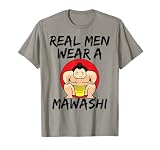
- Celebrate the ancient sport of Sumo Wrestling with this bold Japanese style design featuring iconic wrestlers in action, perfect for martial arts enthusiasts and fans of traditional Japanese culture.
- Great gift for wrestling fans, Japanese culture lovers, and anyone who appreciates the ceremonial beauty and power of this historic combat sport, ideal for casual wear and events.
A sumo athlete entering either wrestling style must adapt to a scoring environment in which driving someone backward is not automatically decisive. Leaving the mat is not the universal objective, clothing grips are not part of UWW’s description, and a successful exchange may require a takedown, exposure, or throw that earns points. A wrestler entering sumo must instead treat the ring boundary as an immediate threat and account for the mawashi’s grip possibilities.
How to identify the style while watching
- Look at the surface and clothing. A mawashi and a ring-boundary contest indicate sumo; a wrestling mat and standard wrestling attire indicate an Olympic style.
- Watch the legs. Direct leg attacks point toward freestyle. A match built around upper-body attacks without active leg use points toward Greco-Roman.
- Watch the scoring display and stoppages. Points, exposure, a fall, or an eight-point Greco-Roman margin belong to the UWW framework. A sumo exchange ends when the boundary or ground-touch condition is met.
- Check the event’s rulebook. National federations and age divisions can modify procedures, so the event identity matters more than a visual guess.
Rules vary by federation and event
UWW’s overview is a broad international reference, not a promise that every local competition uses identical procedures. USA Wrestling explicitly presents its domestic rulebook as subject to modifications and changes over time. Sumo also spans different settings, and the USSF page used here should not be treated as a complete substitute for professional Japanese or amateur international rules.
Before competing or explaining a result, verify four details: the governing body, the edition of the rulebook, the age or eligibility division, and the event’s match-format provisions. Those checks resolve most apparent contradictions about weight classes, timing, scoring, and permitted techniques.
Bottom line: choose the comparison that matches the question
Sumo is a ring-position and balance contest with a mawashi, legal trips and throws, and a binary finish: force the opponent out or make the wrong body part touch down. Freestyle is the broadest of the two Olympic wrestling styles in lower-body offense because leg attacks are legal. Greco-Roman removes active leg attacks and below-the-belt grips, concentrating its strategy on upper-body control and throws. Weight categories and timing belong to specific governing bodies and events, so always attach the organization and rulebook edition to any comparison.






Say something about this film