Quick wins for a faster PC:
Clear out junk files and repair common Windows errorsFree Scan →Scan for outdated or missing drivers - takes under a minuteDriver Scan →Some links on this page are affiliate links: if you buy through them we may earn a commission, at no extra cost to you.
Yes—Kodi 20.0 “Nexus” was officially released on January 15, 2023, but it is no longer the version most people should install. The Nexus series ended with Kodi 20.5 in March 2024, and Kodi’s release history now lists newer versions. Check Kodi’s official download page for the newest stable version compatible with your device. Choose Kodi 20 only if you have a specific compatibility reason to stay on that release line.
What Kodi 20 “Nexus” is
Kodi is free, open-source media-center software for organizing and playing video, music and other media from local drives and network sources. It can provide a television-friendly library interface, and it can be extended with add-ons. “Nexus” is the codename for Kodi’s version 20 release line.
Kodi itself is not a streaming subscription and does not come with a catalogue of commercial films or television channels. Online services depend on the relevant add-on, service and account; third-party add-ons are not automatically official or endorsed by Kodi. The software can be used for legitimate personal media and services, but an official Kodi installation does not make every source an add-on may expose lawful.
Do these 3 things before closing this tab:
1Clear out junk files and repair common Windows errors2Scan for outdated or missing drivers - takes under a minute3Repair Windows errors before they cause bigger problemsRelease date and the end of the Nexus series
Kodi published its 20.0 announcement on January 15, 2023; the release-history page records the release on January 16. That one-day difference reflects the announcement and release-history dates, not two separate launches. Kodi said Nexus was being distributed through its download channels and app stores.
#1 Best Overall

- 4K Ultra HD with Cinematic Visuals & Sound: Supports 4K resolution (3840 x 2160) at 60FPS, Dolby Vision, and HDR10+ for enhanced contrast, brightness, and color accuracy. Delivers immersive audio via Dolby Audio and DTS:X surround sound
- High-Performance Hardware: Equipped with a Quad-Core CPU (up to 2.5GHz) and ARM G310 V2 GPU for seamless navigation and multitasking. Includes 2GB RAM and 32GB internal storage (ROM) for ample app and content space
- Google TV Smart Platform: Runs the latest Google TV OS, offering personalized content recommendations, access to thousands of streaming apps (Netflix, YouTube, Disney+, etc.), and voice control via Google Assistant
- Advanced Connectivity & Decoding: Features dual-band Wi-Fi (2.4GHz/5GHz), Bluetooth 5.2, HDMI 2.1, and USB 2.0 ports. Supports decoding of 4K 60FPS video formats and Google Cast for screen mirroring
- Complete Setup Included: Comes with Xiaomi TV Box S (3rd Gen), voice remote control, power adapter, HDMI cable, and user manual. Compact design (95.25 x 95.25 x 16.7 mm) for discreet placement
The 20.0 launch was followed by point releases: 20.1 on March 12, 2023; 20.2 on June 29, 2023; 20.3 on January 10, 2024; 20.4 on February 11, 2024; and 20.5 on March 3, 2024. Kodi’s release history lists 20.5 as the final Nexus release and lists Kodi 21.3 “Omega” on December 13, 2025, with Kodi 22 “Piers” in development. Store availability can vary by device and rollout, so consult the Kodi release history and official download page rather than relying on an old “available now” headline.
What Kodi 20.0 added
AV1 playback support
Nexus added AV1 support on several platforms, including hardware decoding where the device and platform support it. Kodi also updated its InputStream API to handle AV1 streams, including for compatible streaming add-ons such as inputstream.adaptive. This does not mean every Kodi device can decode AV1 in hardware: playback depends on the processor or video hardware, drivers, operating system, stream and add-on.
A substantial subtitle overhaul
Kodi reworked subtitle handling, adding improvements to font and subtitle positioning, border and background-colour controls, multilingual support and consistency across subtitle formats. This can be especially useful for viewers who regularly watch subtitled material. The exact appearance still depends on the subtitle file’s format and the skin in use.
Recommended Free Tools
HDR on Windows desktop
Kodi’s announcement described full HDR support for the Windows desktop version, alongside changes to the Windows video pipeline and tone mapping. It specifically distinguished desktop Windows from the non-desktop UWP Store and Xbox versions, where that HDR implementation was not available at the time. Do not assume that installing Nexus enables HDR on every Windows device, Xbox or display: compatible hardware, drivers, display settings and content matter.
Rank #2
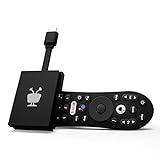
- No More App-Switching. Forget learning to navigate a new screen with every app. TiVo Stream 4K enables one centralized place for searching, browsing, and creating watch lists across all your apps..DC Input Range 5V/1.0A. Power Consumption : Maximum 5 W
- Recommendations Across All of Your Apps: Get rid of the walls between what you watch. TiVo recommends your next favorite shows and movies based on what you love, not where they live.
- Say it and watch it. The power of voice control makes it easy to find shows. Integrated Google Assistant allows you to launch apps, dim the lights and more.
- One place for all your favorite streaming apps. TiVo Stream 4K includes Netflix, Prime Video, Disney+, Peacock plus many more, so you can get to your shows fast.
- TiVo Stream 4K is one of Time Magazine’s “2020 Best Inventions, Special Mention” and PCMag hails it as “an excellent media streamer for TV lovers.” Operating Temperature 0˚C - 40˚C
More flexible binary add-ons
Nexus introduced support for multiple instances of a binary add-on. Kodi’s example was connecting to more than one TVHeadend backend with separate settings, such as channel groups or hidden channels. It is a capability for add-on developers to implement, not a promise that every add-on can be duplicated this way.
NFSv4, retro-game savestates and interface refinements
Kodi 20 added NFSv4 alongside NFSv3 for network shares. When configuring a source, users must select the protocol that matches the server; a share set up for one version may not connect using the other.
For users of libretro/RetroPlayer games, Nexus added savestate support, so a game state can be saved even when the game itself lacks a native save-state feature. This is a retro-gaming feature rather than a change to ordinary video playback.
Context-menu behaviour was made more consistent across parts of the interface. For example, Kodi cited actions such as playing albums directly from widgets and resuming a series. These are navigation improvements, not a complete redesign of Kodi’s interface.
Rank #3

- Android AOSP 11 & Amlogic S928X-K: MINIX U8K-ULTRA Smart Media Player powered by the Amlogic S928X-K big.LITTLE ARM Cortex A76 + Quad-Core Cortex A55 Processor (64-bit), ARM G57 MC2.Android AOSP 11, upgradeable via OTA
- 8K ULTRA HD Video Playback: Experience the future of visual clarity with seamless 4K/8K UHD video playback. Enjoy a vast array of video formats, including AV1, VP9, H.265-10, AVS3, and AVS2, for unparalleled visual immersion.8K playback requires: HDMI 2.1a cable + 8K-compatible display
- Seamless BD Playback with Menu Navigation: The U8K - ULTRA elevates home entertainment with its outstanding BD-Rip playback. It supports high - quality BD video and offers intuitive menu navigation. You can effortlessly browse BD menus, pick favorite scenes, access special features, and enjoy a cinema - like experience at home. It's ideal for movie fans who want to relive films in all their splendor
- Enhance your visuals with AI-powered technology. The AI-SR upscaler boosts 1080p to 2X, 720p to 3X, and 480p to 4X detail. Combined with AI-PQ, it analyzes scenes in real-time, optimizing picture quality for an immersive viewing experience. Enable both AI-PQ/AI-SQ in [Settings →Network&Internet→Device Preferences→MINIX Settings → AI-PQ] for optimal quality
- Dual-Band 2x2 MIMO 802.11ax Wi-Fi 6 and Gigabit Ethernet: Experience the future of wireless networking with ultra-fast Wi-Fi 6. Enjoy low-latency streaming and downloads, ideal for 4K/8K streaming and online gaming, even in crowded networks
Under-the-hood changes and compatibility implications
Nexus also brought Python and binary add-on API changes, skinning capabilities, dependency updates, static-analysis fixes and database-migration work. Kodi described broad stability, performance and safety improvements, but did not provide universal benchmark results; there is no basis for promising that Kodi will run faster on every device. The API and dependency changes do mean that some add-ons or skins may need updates, particularly when moving from Kodi 19 to Kodi 20.
Which devices can run Kodi?
Compatibility depends on the operating system, device model and Kodi build. Kodi’s supported-hardware guide lists Windows 10 as the minimum and Windows 11 as recommended. Windows systems need compatible x86 or x86-64 hardware and graphics support; drivers and hardware decoding can make a major difference for high-bitrate or high-resolution video.
- macOS: Kodi’s guide says Kodi 20 and later require an Intel Mac running OS X 10.13 or newer. Do not assume that this particular requirement describes every Apple Silicon build; check current platform-specific support.
- Linux: Kodi recommends OpenGL 3.3 or newer; OpenGL 4.0 is needed for the full feature set. Actual video playback also depends on the system’s graphics and hardware-decoding support.
- Windows graphics: The guide lists DirectX 11 Feature Level 9.1 support for Windows. Older hardware may need updated drivers or may not handle demanding formats well.
- Android and Android TV: Kodi releases can be rolled out in stages, so an update may not appear for every user at once. Store versions can also lag behind an announcement. Behaviour varies among manufacturers and models.
- Other TV-connected devices: Check the official download page for the build and installation route available for your exact device. “Kodi-compatible” hardware does not guarantee support for every codec, add-on, remote or HDR mode.
Kodi’s guide gives roughly 4–8 GB as a minimum storage range and 16 GB or more as recommended, though the real requirement depends on the device and library. The application may occupy around 100–200 MB, while artwork and thumbnail caches can use substantially more. Low-powered systems can work well for some libraries when suitable hardware video decoding is available; the label “Kodi device” alone does not establish playback capability.
How to download Kodi safely
- Identify your device and operating system, including whether a Windows device uses the desktop or UWP version.
- Go to Kodi’s official download page and select the platform that matches your device.
- Install the newest compatible stable release offered for that platform. Do not seek out the original 20.0 installer unless you have a specific reason to use that older version.
- Where available, use the normal app-store or platform-package route. Store rollouts may be staged or delayed.
- After installation, check Kodi’s system information for the version, then test your library, audio output, subtitles, remote or controller, and essential add-ons.
Avoid unofficial APK sites, “fully loaded” builds and repositories that bundle unverified software. They can create security and reliability risks, and a preloaded third-party build is not the same thing as the official Kodi application. If an older installer is genuinely necessary, use only Kodi’s official download or archive channels where available; obsolete builds can carry security and compatibility downsides.
Rank #4

- Android 14.0 TV Box 2026: R69MAX Android TV Box is equipped with the latest Android 14.0 operating system, The box has upgraded the compatibility of the Android system and APP, runs more smoothly, has a brighter and simpler home page, higher security, and better protection of user privacy
- Powerful Processor: The android TV box comes with RK3528 Quad-Core Cortex-A53 CPU with Mali-450 GPU, which make sure the box running stable, stronger image processing capability and smooth to load movies, pictures and games without a buffer
- 4GB RAM 64GB ROM: The Smart TV Box with 4GB RAM and 64GB ROM, comes with a large storage space to ensure faster and more stable operation of the operating system, There's also a TF card slot for you to expand the memory up to 256GB to save all your favorite videos, pictures and games, so you never have to worry about running out of memory again
- 2.4G/5.0G WIFI 6 & BT 5.0: Android box support 2.4G/5.0G WiFi 6 and 100M Ethernet. With WiFi 6 being the sixth generation of network technology, ensuring download and upload faster, more stable signal. Bluetooth 5.0 also allows for easy connection to a wide range of peripherals, enhancing your entertainment experience
- 8K TV Box & HDR10: Android 14 TV Box 2025 supports up to 8K@25fps decoding and smooth playback of 4K videos. Optimized chip performance reduces latency, offering a fluid viewing experience. With HDR10 dynamic metadata rendering, it enhances frame-by-frame contrast and color display, accurately restoring the original visual effects, make the picture display more vivid and beautiful
Should you upgrade from Kodi 19 or install Nexus?
If you are choosing Kodi now and your device offers a newer compatible stable version, that is usually the sensible starting point. If you are already on Kodi 20, use the newest compatible release available for your platform rather than staying on the original 20.0 build. A reason to remain on Nexus would generally be a specific add-on, skin, device or workflow that depends on it—not simply that the original release announcement called it new.
A move from Kodi 19 “Matrix” to Kodi 20 “Nexus” is a major-version upgrade. Installing a 20.x point release over an existing 20.x setup is a smaller step, though it can still change behaviour or fix bugs. Before a major upgrade, back up Kodi’s userdata if your library, settings, add-ons or customisations matter. Kodi’s release guidance recommends backing up anything you cannot afford to lose.
Before upgrading, check that your essential add-ons and skin support the target Kodi major version. Add-ons may need changes for the newer Python or binary API environment; skins can be tied to a specific major release. Unmaintained repositories may stop working. None of those failures is inevitable, but they are realistic risks alongside database migration and device-specific changes. On first launch after a major update, a library migration may take time.
What’s actually slowing this PC down?
Pick the symptom - the matching free tool is one click away.
After the update, verify the media paths, storage permissions, network access, audio output, subtitles and playback before rescanning a large library or reinstalling add-ons. If something fails, work through the relevant checks below rather than downloading a random build:
Best Value
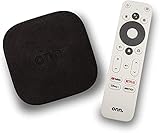
- 4K Ultra HD Resolution: Enjoy your TV in stunning resolution Ultra HD ers four times the resolution of Full HD for greater clarity and detail
- Android TV: With the Android TV operating system you will have access to the best content, download the infinity of applications available through the Google Play Store!
- Voice remote control: Just press the Google Assistant button and ask it to find, play and control content
- Chromecast Built-in: Easily cast movies, shows, and photos from your Android or iOS device to your Android TV
- Easy Setup: Access your Google account and configure the device, language and Wi-Fi network
- Add-on no longer works: Check whether its developer supports your Kodi version and install updates only from a source you trust.
- Skin breaks or menus look wrong: Switch temporarily to Kodi’s default skin, then look for a version of your skin compatible with the installed major release.
- Library looks empty: Confirm source paths, network availability and storage permissions; also allow time for any database migration before launching a full rescan.
- Playback stutters: Check codec support, hardware decoding, graphics drivers, output resolution and refresh-rate settings. A version update cannot compensate for unsupported hardware.
- HDR is missing on Xbox: Kodi’s Nexus HDR announcement concerned Windows desktop, not the UWP/Xbox version at that time.
- NFS share will not connect: Confirm whether the server requires NFSv3 or NFSv4 and explicitly select the matching protocol.
- Android controller or playback trouble: Do not assume the original 20.0 build is the best fix. Later Nexus releases addressed Android controller regressions and colour-mode and AudioTrack issues; update to the newest compatible release available.
How the later Nexus releases refined 20.0
The later 20.x versions were mainly fixes and backports rather than a succession of large feature launches. Kodi described 20.1 as a bug-fix release, with Android audio fixes and a Python 3.11.2 update, and said it could be installed over an existing 20.x setup. Version 20.2 included fixes touching E-AC3 audio, music visualisation, game-related memory exhaustion and Android TV recommendation channels. Version 20.3 included Android controller and Windows 10-bit display colour fixes, DVD playback and scraper fixes; its initial Google Play deployment also had an “Cannot download OBB” issue before an updated release.
Version 20.4 included Android deployment and input fixes and an iOS/tvOS change intended to reduce black-screen playback with interlaced content. The final listed Nexus release, 20.5, reverted controller changes associated with serious Android failures and included Android colour-mode and AudioTrack fixes. Kodi described it as a point release without major new features. These changes are why a person who specifically needs Nexus should not treat the original 20.0 build as interchangeable with the final 20.5 release.
Is Kodi a good fit?
Kodi is a strong fit if you want to manage your own local or network media library, use a TV-oriented interface, customise a media centre with supported skins and add-ons, or use features such as RetroPlayer. It offers more control than a conventional streaming app, but also asks you to handle setup, compatibility and troubleshooting yourself.
Free tools Windows power users keep installed
One-click scans. No signup required.
A dedicated streaming platform may be easier if your priority is certified mainstream streaming apps, automatic updates and simple remote-control support. Kodi can run on existing computers and many TV-connected devices, but it does not supply a licensed streaming catalogue. Choose the software and hardware around your sources and needs, not the assumption that Kodi includes content or that every inexpensive “Kodi box” is safe or well supported.
Quick Recap
Product prices and availability are accurate as of the date/time indicated and are subject to change. Any price and availability information displayed on Amazon at the time of purchase will apply.

