Some links on this page are affiliate links: if you buy through them we may earn a commission, at no extra cost to you.
The safest flood plan starts before rain begins: check your property’s risk, enroll in local alerts, decide when and where you will evacuate, assemble several days of supplies, protect documents, review flood insurance, and address vulnerable utilities and drains. When water rises, follow official evacuation orders, stay out of floodwater, and treat life safety as more important than saving belongings.
This guide is written for households in the United States. Flood maps, warning systems, evacuation routes, building requirements, insurance terms, and available assistance differ by location, so confirm local instructions with your emergency-management office and insurer.
1. Find out how your home could flood
Flooding is not limited to homes beside a river. Heavy rain can overwhelm streets and drainage systems, storm surge can push water inland, and sewer systems can back up into lower-level fixtures. Your first preparation task is to identify the hazards that apply to your address and the official channels that will issue warnings.
Check the property’s mapped risk
Use FEMA’s Flood Map Service Center to review the mapped flood hazard for your property. A map is a planning tool, not a guarantee that an unmapped home cannot flood; local drainage, construction, terrain, and changing weather can alter the actual risk. Ask your local emergency-management office which flood sources and evacuation zones affect your neighborhood.
Popular on Amazon

- Outstanding Performance: This sump pump battery backup system delivers 2500W pure sine wave output, supporting dual-pump operation (1 HP main + 1/3 HP backup). Includes a USB port and AC outlet, ideal for emergency use and a home prone to heavy rainfall
- Quick Plug-In Setup: Say goodbye to risky wiring. This sump pump battery backup inverter features a standard 3-prong plug for quick and secure installation. It reduces errors and electrical hazards. Just plug in, and you're ready
- Battery-Friendly Charging: Equipped with 3-stage charging (Bulk, Absorption, Float), this basement protection sump pump inverter automatically optimizes battery performance and service life. Compatible with 12V Lead-acid, AGM, Gel, and LiFePO4 batteries
- Real-Time Display: Stay informed with an LCD screen and LED indicators. This pure sine wave power inverter allows you to monitor voltage, battery level, and working status easily. Control with confidence
- Security Comes First: Designed with security in mind, this back up system for emergency includes built-in protection against overcurrent, overvoltage, short circuit, reverse polarity, and high temp. A circuit breaker adds another layer of safeguards
Sign up for local warnings
Enroll in county, city, or tribal emergency alerts and keep weather notifications enabled on a phone that will remain charged. Learn the difference between the alert terms used in your area, including the instructions that mean you should leave immediately. Identify how officials will communicate if power, cellular service, or internet access fails.
Make the plan usable by everyone
- Write down the household’s evacuation destination and at least one alternate destination.
- Choose more than one route and identify where roads, bridges, or low crossings could become impassable.
- Decide how family members will reconnect if separated at work, school, or while traveling.
- List an out-of-area contact who can relay messages when local networks are congested.
- Include children, older adults, people with disabilities, pets, and service animals in every decision.
- Practice the route before storm conditions make driving difficult.
Be prepared to shelter in place if officials say evacuation is not required or if leaving would be more dangerous, but keep monitoring official instructions. A shelter plan is not permission to ignore an evacuation order.
2. Build a household flood kit
Store supplies where they remain accessible if a lower level floods. Plan for several days without normal shopping, utilities, or transport. Replace expired items and review the kit whenever household needs change.
The Tool Desk
Outbyte Driver Updater FREEScan for outdated or missing drivers - takes under a minuteDriver Scan →Outbyte PC Repair FREEClear out junk files and repair common Windows errorsFree Scan →Core supplies
- Drinking water and ready-to-eat food for each household member.
- Prescription and essential over-the-counter medicines, plus a written medication list.
- Phone chargers, spare batteries, flashlights, and a battery-powered way to receive official information.
- First-aid supplies and personal hygiene items.
- Weather-appropriate clothing, sturdy footwear, blankets, and needed mobility or communication aids.
- Supplies for infants, older adults, pets, and service animals.
- Cash, keys, identification, and contact information kept in a secure grab-and-go location.
Keep the kit portable enough for the household to carry or load quickly. If a medically necessary device requires electricity, identify its backup power requirement and tell the evacuation destination in advance.
Protect paper and digital records
Put insurance documents, identification, property records, prescriptions, and emergency contacts in a dry, safe or waterproof container. Create password-protected digital copies and store them where they can be reached if the home is inaccessible. Do not rely on one device or one local storage location.
Also popular on Amazon

- System comes preassembled and preplumbed so that installation is simple and quick
- Reliable design with durable ½ HP energy efficient copper-wound Permanent Split Capacitor (PSC) motor for long life and savings on your electric bills
- Includes a WiFi-capable battery backup system that provides 24-hour-a-day monitoring of pump, power and battery conditions; backup controller will sound an alarm, illuminate a warning light and describe what to do for easy maintenance
- Allows for connection to a Basement Watchdog CONNECT Module (BW-WiFi2—a SEPARATE PURCHASE), giving you real-time alerts via text, email, push notification or through the Basement Watchdog free app
- Provides days of intermittent pumping power on a single battery charge and is compatible with both maintenance-free AGM and wet-cell batteries. Connect two batteries in parallel for double the runtime.
3. Review flood insurance before a storm
Standard homeowners policies generally do not cover flood damage. Ask an insurance agent specifically about flood coverage, what counts as a flood under the policy, covered building and contents, deductibles, exclusions, and how the policy treats basements and temporary protective measures.
A FEMA/Ready.gov hurricane-preparedness guide says a newly purchased flood policy takes 30 days to go into effect. Waiting periods and exceptions can change, so confirm the current term, effective date, and any lender or program requirements with the insurer before relying on coverage. Buying a policy after a warning may not protect against the approaching event.
Free tools Windows power users keep installed
One-click scans. No signup required.
Keep evidence of what you own
Photograph or video major rooms and valuable belongings, record model and serial numbers where available, and keep receipts or appraisals for high-value items. Store the inventory with the protected documents. These records do not prevent damage, but they can make a claim easier to document.
4. Reduce damage before floodwater arrives
Home measures should be selected for the building, flood source, and local rules. They reduce particular pathways for damage; none guarantees that a home will remain dry. Work involving electrical, fuel, structural, or plumbing systems should be planned with qualified local professionals and completed under applicable permits and codes.
Move belongings and equipment upward
Move irreplaceable papers, electronics, chemicals, furniture, and other valuables to higher levels before a warning becomes urgent. Raise items on shelves or upper floors rather than leaving them on a lower-level floor. Do not create a dangerous lifting task for anyone who should evacuate.
Also popular on Amazon

- 【CONTINUOUS POWER】The Cantonape 2000 Watt Sump Pump Backup Battery System is a professional backup system in case of a power outage, featuring pure sine wave output, 2000 watts of powerful power output, LED display and 3 AC outputs, which produces a seamless, grid-like power output that is resistant to interference, can drive any type of load (resistive and inductive loads), has the highest conversion efficiency, and the lowest losses, and is therefore safer for all types of loads.
- 【CHARGING MODE】The 2000W sump pump backup battery system has a built-in 20A battery charger, which supports fast charging. In the event of a power outage, this sump pump battery backup system can quickly auto-switch to battery inverter power, ensuring continuous sump pump operation.
- 【LED DISPLAY】The Cantonape sump pump battery backup system is equipped with LED display, you can instantly monitor vital information such as battery voltage and AC voltage. Enjoy confident and informed decision-making every step of the way!
- 【SAFETY IN USE】The Cantonape sump pump battery backup system has a built-in cooling system and overload protector, as well as multiple protection functions such as overheat protection, short circuit protection, low voltage protection, overcharge protection, etc., which not only improves the safety of use, but also extends the service life of the device.
- 【MULTIPLE APPLICATIONS】Our sump pump battery backup system also works as a power inverter for many applications requiring backup power. You can use it to operate various electric devices, including lights, mobile phones, monitors, and other equipment. This inverter doesn't come with battery, a 12V GEL, AGM/SLA, Flooded/Wet battery is required for backup power operation.
FEMA hurricane guidance identifies the furnace or heating system, water heater, and electric panel as utilities that may be candidates for elevation when they are vulnerable to flooding. The correct design depends on the building and local requirements; the guidance does not provide a universal height or retrofit plan. Have a qualified professional evaluate whether relocation or elevation is feasible and safe.
Keep water moving away from the structure
Clear leaves and debris from gutters, downspouts, roof drains, and surface drains. Make sure discharge does not simply direct water toward a foundation or an adjacent property. Complete this work before severe weather, not while lightning, high winds, or rising water create additional hazards.
Consider a sewer backwater or check valve
A backwater or check valve can be considered where sewer water could reverse through building drains. Suitability depends on the plumbing layout and local requirements. Ask a licensed plumber how a valve would affect maintenance and whether other measures are needed; do not assume a valve protects against every source of flooding.
Consider a sump pump with battery backup
A sump pump can help remove water that reaches a sump basin, while a battery backup can keep pumping when the electrical supply fails. FEMA and Ready.gov guidance names battery operation or backup as a consideration, but the FEMA and Ready.gov guidance does not compare pump capacities, pump types, batteries, or products. A professional can assess whether a sump system fits the foundation and drainage conditions.
Evaluate basement waterproofing and water alarms
FEMA hurricane guidance also mentions waterproofing basements and using water alarms. The right approach varies with construction, groundwater, drainage, and the way water enters. FEMA hurricane guidance supplies no installation specification, so obtain a building-specific assessment rather than treating a coating or alarm as a complete flood solution.
Quick wins for a faster PC:
Repair Windows errors before they cause bigger problemsFix Now →Scan for outdated or missing drivers - takes under a minuteDriver Scan →Also popular on Amazon

- Maintenance free - no need to add battery fluid or distilled water
- Up to 40-hour protection (based on a 10% duty cycle) on the Basement Watchdog Big Dog (BWD12-120C+)
- Up to 48-hour protection (based on a 10% duty cycle) on the Basement Watchdog Special + (BWSP+) and Basement Watchdog Big Combination sump pump system (BW4000, CITS-50)
- Up to 80-hour protection (based on a 10% duty cycle) on the Basement Watchdog Emergency (BWE) and Basement Watchdog Combination sump pump system (DFK961, CITE-33)
- Runs various Basement Watchdog sump pump systems intermittently for days
5. Temporary barriers and protective materials
When officials have not ordered evacuation and conditions remain safe, households may use temporary materials such as sandbags, plastic sheeting, or lumber to reduce damage at selected openings. These are short-term measures, not substitutes for evacuation or permanent drainage and building work.
Sandbags
Sandbags can be used as a temporary barrier where local authorities recommend them and enough time exists to place them safely. They are heavy, labor-intensive, and cannot guarantee that water will stay out. Do not delay departure to build a barrier after water is already moving quickly.
Plastic sheeting and lumber
Plastic sheeting and lumber appear in FEMA guidance as potential protective materials. Their effectiveness depends on how and where they are installed; FEMA guidance does not establish a universal design, sealing method, or load rating. Improvised structures can fail or create hazards, so follow local emergency instructions and professional advice.
Possible limited NFIP loss-avoidance benefits
FEMA’s May 2018 flood loss-avoidance document describes conditional National Flood Insurance Program benefits of up to $1,000 for reasonable expenses to protect insured property and up to $1,000 to move insured property away from a flood or imminent danger. Eligibility, documentation, policy type, and current limits must be confirmed with the insurer; the 2018 guidance should not be treated as current policy wording.
What’s actually slowing this PC down?
Pick the symptom - the matching free tool is one click away.
6. What to do when flooding threatens
Follow orders immediately
Monitor weather reports and local officials continuously. Evacuate as soon as authorities direct you to leave. Take the planned route, obey barricades, and never drive around a road closure. Roads can become impassable faster than they appear from a vehicle.
Also popular on Amazon
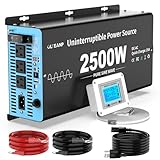
- 【Designed for Basement Flood Protection & Emergency Preparedness】: Protect your home from flooding during hurricanes, heavy rainstorms, and unexpected power outages. This sump pump battery backup system automatically switches from grid power to battery power, ensuring uninterrupted water removal and continuous basement protection. Ideal for homeowners in flood-prone areas and finished basement properties.
- 【Acts as a Reliable Emergency Backup Power Source (Battery Not Included)】: Serves as a dedicated emergency backup solution for primary or secondary sump pump systems. When utility power fails, it instantly transfers to 12V deep cycle battery power (battery required, not included) and automatically recharges when power is restored. Compatible with LiFePO4, AGM, GEL, and Flooded deep-cycle batteries.
- 【Built-in 25A Smart Charger with Multi-Stage Battery Protection】:Features a high-speed 25A charger with selectable charging modes to optimize battery lifespan. Includes overcharge, low voltage, overload, short circuit, and overheat protection. Designed for long-term reliability during storm season and emergency situations.
- 【2500W Pure Sine Wave Output – Safely Powers Sump Pumps & Essential Devices】: Delivers stable pure sine wave power capable of running sump pumps smoothly and efficiently without damaging sensitive equipment. With 3 AC outlets, USB port, and Type-C port, it can also support essential household devices during outages.
- 【LCD Remote Monitoring & Easy Installation】: Includes a remote controller with LCD display to monitor battery voltage, load status, and operating mode in real time. Supports wall mounting or flat placement with simple AC and DC connections — no complicated rewiring required. Trusted by homeowners, property managers, and contractors seeking dependable flood prevention solutions.
Stay out of floodwater
Do not walk, swim, or drive through floodwater. FEMA’s January 2025 flood-hazard information sheet warns that just a foot of moving water can sweep a vehicle, including a sport utility vehicle, off the road. The water may hide washed-out pavement, debris, contamination, or electrical hazards. The direct instruction is: “Do not attempt to cross floodwaters.”
Protect yourself from electrical hazards
Do not touch electrical equipment that is wet or touch electrical equipment while standing in water. Do not enter a flooded area to switch equipment off. Leave electrical disconnection and inspection to qualified personnel when officials say it is safe.
If you are trapped inside
Move to the highest level that remains accessible, but do not enter a closed attic if rising water could trap you. A roof or upper-level refuge may be safer only when it can be reached and exited safely and when emergency instructions support that action. Keep communicating your location through official channels.
Do these 3 things before closing this tab:
1Repair Windows errors before they cause bigger problems2Fix the driver behind crashes, sound loss and screen glitches3Clear out junk files and repair common Windows errorsUse generators safely
The 2025 FEMA flood-hazard sheet says to operate generators and other fuel-burning equipment outdoors and at least 20 feet from building openings. Follow the current equipment manual and local emergency guidance as well. Never use a generator, grill, or fuel-burning appliance inside a home, garage, basement, crawlspace, or other partially enclosed area.
Independent reader supportYour contribution helps us test, update, and keep practical guides available for everyone.7. Match each measure to the decision you need to make
| Measure | Protection type | When it helps | Limits and conditions |
|---|---|---|---|
| Local alerts and an evacuation plan | Life safety | Before and during a warning | Requires current contact information, practiced routes, and obedience to official instructions. |
| Moving valuables upward | Contents protection | Before water enters lower levels | Does not protect the building or make evacuation unnecessary. |
| Elevating susceptible utilities | Building-system protection | Permanent preparation before a flood | Requires a property-specific design and qualified professionals for electrical, fuel, structural, or plumbing work. |
| Clearing gutters and drains | Drainage maintenance | Before heavy rain | Reduces blockage-related problems but cannot control every flood source. |
| Backwater or check valve | Plumbing protection | Where sewer reversal is a concern | Requires a plumbing assessment and does not address all types of flooding. |
| Sump pump with battery backup | Water removal and power-outage resilience | Where a sump system suits the property | Capacity, installation, and product performance are property-specific; no universal model is established here. |
| Basement waterproofing or water alarm | Building or early-warning measure | Before a flood, when appropriate to the structure | Suitability and installation details depend on the building. |
| Sandbags, plastic sheeting, or lumber | Temporary barrier | When local authorities recommend them and time and conditions permit | Labor-intensive, temporary, and not a guarantee against flooding. |
| Flood insurance | Financial risk transfer | Before a flood policy’s effective date | Standard homeowners policies generally exclude flood; confirm current waiting period, coverage, and exclusions with an insurer. |
8. A practical timeline
Before flood season
- Check the property in FEMA’s Flood Map Service Center and ask local emergency management about hazards and evacuation zones.
- Enroll in local alerts and learn the warning language used in your area.
- Choose evacuation destinations, routes, meeting points, and an out-of-area contact; practice the plan.
- Assemble several days of food, water, medication, chargers, batteries, and household-specific supplies.
- Put critical documents in a dry, safe or waterproof container and create password-protected digital copies.
- Review flood insurance early, including the effective date and current waiting-period rules.
- Inspect gutters, drains, sump equipment, vulnerable utilities, and sewer connections; schedule qualified work before severe weather.
When a flood watch or warning is issued
- Follow official weather and emergency-management updates.
- Move essential belongings and documents to higher levels if it can be done without delaying evacuation.
- Charge phones and backup batteries, collect medications, and place the emergency kit where it can be carried quickly.
- Use temporary protective materials only if conditions are safe and officials have not ordered you to leave.
- Prepare pets, service animals, children, older adults, and anyone who needs assistance.
When evacuation is ordered
- Leave immediately using the designated route.
- Do not cross barricades or attempt to drive, walk, or swim through floodwater.
- Take the emergency kit and protected documents only if they are already ready; do not re-enter for possessions.
- Tell the designated contact where you are going and follow instructions at the evacuation destination.
9. Common preparation mistakes
- Waiting for visible water: roads and utilities can become unsafe before water reaches the home.
- Assuming homeowners insurance is enough: standard policies generally do not cover flood damage.
- Treating a flood map as a guarantee: mapped risk does not describe every drainage or rainfall scenario.
- Buying coverage after the warning: a policy may have a waiting period; confirm the current rule with the insurer.
- Relying on one power source or one communication method: keep batteries, chargers, and alternate contacts.
- Entering an attic automatically: a closed attic can become a trap as water rises.
- Using a generator indoors or too close to openings: fuel-burning equipment belongs outdoors, at least 20 feet from building openings according to the 2025 FEMA flood-hazard sheet.
- Turning a temporary barrier into a reason to stay: sandbags and sheeting do not override an evacuation order.
Frequently Asked Questions
Does renters insurance usually cover flood damage?
Do not assume it does. Standard property policies generally exclude flood, so renters should ask an insurer specifically about flood coverage for belongings and any available policy options.
Can I turn off my home’s electricity before a flood?
Only follow instructions from your utility or emergency officials, and never touch electrical equipment while wet or standing in water. A qualified professional should handle inspection and restoration after flooding.
How much water is dangerous for a vehicle?
FEMA’s January 2025 flood-hazard sheet says just 1 foot of moving water can sweep a vehicle, including a sport utility vehicle, off the road.






Say something about this film