What’s actually slowing this PC down?
Pick the symptom - the matching free tool is one click away.
Yes, an American Robin may visit and eat from a suet feeder, but suet is not a dependable way to attract robins. The available guidance describes robins primarily eating insects, earthworms and fruit. For a better chance of seeing them, offer fruit such as soaked raisins or currants on a table or low platform feeder. Reserve suet for cool weather and for the woodpeckers, chickadees, nuthatches, titmice and wrens that are more typically associated with it.
What the evidence actually says about robins and suet
The careful answer is “occasionally, but not reliably.” The National Audubon Society says American Robins may visit bird feeders, and Cornell Lab of Ornithology also notes feeder visits. Neither source establishes how often robins eat suet, how many individual robins use suet cages, or a dependable suet-based attraction pattern.
That distinction matters. A robin seen on a feeder proves that an individual bird used that feeder; it does not show that suet is the food it prefers or that buying more suet will bring robins to a yard. The feeding guidance instead treats robins as fruit-oriented birds. Audubon’s advice for berry-eating birds, including robins, is to provide fruit on a table feeder, while its suet guidance mainly names other bird groups.
American Robins are not the same species as the unrelated European Robin. This article uses “American Robin” for the North American thrush commonly seen on lawns, gardens and woodland edges.
#1 Best Overall
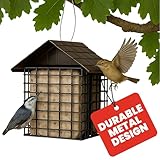
- DOUBLE SUET CAKE FEEDER: This wild bird feeder holds (2) suet cakes in separate cages to attract woodpeckers, nuthatches, chickadees, and other clinging birds to your backyard bird feeding station. Provide food and energy for birds during cold months when food is scarce as the double-sided feeder is made for outdoor use
- DURABLE CONSTRUCTION: Keep the suet cakes dry during rain and snow, as the feeder features a shingle-patterned weather guard roof while the durable powder-coated steel construction resists outdoor elements year-round for lasting performance
- VERSATILE FEEDING: Supply wild birds with varied nutrition throughout the seasons as this hanging bird feeder station is perfect for suet cakes, small seed cakes, nesting materials in spring, and orange slices in summer
- EASY TO USE: Hold your suet or birdseed cakes in place, as the double-locking closure system opens effortlessly for quick suet cake replacement. Secure tightly to prevent spillage while keeping bird food fresh and accessible for your backyard birding activities
- CLINGING BIRDS: Measuring 6.75in (L) x 5in (W) x 7in (H), this feeder has a cage grid with spacing designed specifically for clinging birds like titmouses and nuthatches so they can feed comfortably outdoors
Why a robin might use a suet feeder
Birds do not always follow a single food category. An American Robin can investigate an unfamiliar feeder, take an available food, or use a feeding station when natural foods are scarce. Individual behavior also varies with season, weather, local habitat and the other foods available nearby. Those possibilities explain why a robin can appear at a suet cage without making suet a reliable robin food.
The sources do not provide a controlled study of robin visits to suet feeders. They also do not provide a percentage chance, a daily visit rate or a comparison showing that one suet formulation is preferred by robins. Any claim that a particular cake or cage will attract robins consistently goes beyond the available evidence.
What American Robins normally eat
Robins’ natural diet explains why fruit is a more logical offering than suet. The National Audubon Society’s American Robin field guide says the species feeds heavily on fruit, especially in winter, and estimates that fruit accounts for perhaps 60% of its diet year-round. The same guide identifies wild berries as the main fruit source, with some cultivated fruit also eaten.
Rank #2

- CUTE DESIGN - Weather proof roof shelters suet from the weather, so your suet lasts longer. Durable all-metal structure with powder coated fnish will not rust, great for year-round use!
- BETTER FEEDING - There are two extra metal perches in this feeder, which is convenient and easy for more kinds of birds to feed on it.
- EASY TO FILL AND CLEAN - Holds up to 2 standard size suet cakes. The roof is removable to allow for easy refilling and cleaning. Fill it up with suet or seed cakes in the winter and oranges, bread, or nesting material in the summer.
- BEST GIFT CHOICE: This hanging suet feeders is one of the most widely used feeder type and suitable for attracting clinging birds such as woodpecker, chickadee, titmice and nuthatch. Making a great gift for parents, children and bird lovers.
- GREAT SERVICE - If there are any problems with the purchase, please feel free to contact us; Pls kindly search Kingsyard Bird Feeder/House to surf our entire catalog listing on amazon for additional great collections to enrich your bird feeder collection.
Robins also consume insects and earthworms. Cornell’s American Robin account describes a daily pattern: robins eat more earthworms in the morning and more fruit later in the day. This is a useful behavioral clue, not a promise that every robin follows the same schedule. A yard with suitable ground-foraging habitat can therefore be more attractive to robins than a hanging suet cage.
Audubon characterizes robins, waxwings, bluebirds and mockingbirds as fruit specialists that rarely eat birdseed. Suet is not the same thing as seed, but the point is relevant: a feeder filled with a food designed for seed-eating birds is not the most natural match for a robin. Fruit placed where a ground-foraging bird can see and reach it is closer to the source-backed recommendation.
Suet feeders and fruit feeders serve different audiences
Suet and fruit should not be treated as interchangeable attractants. They target different feeding habits and different groups of birds.
Rank #3

- Attract birds and bring nature: Attaching a suet feeder directly to the trunk of a tree birds love is a great way to attract trunk-hugging birds like nuthatches, woodpeckers, and creepers. Birds can perch and eat from all sides. Basket-style feeder can be filled with suet to attract a variety of wild birds
- With a good view - Because suet-loving birds naturally forage in trees, they will find a suet feeder more quickly and feel more secure visiting if the feeder is hung close to trees. A suet feeder should always be hung where birders can see and enjoy the birds that visit
- Durability for long lasting: Constructed from powder-coated heavy steel, it is engineered to withstand harsh weather conditions and is rust-resistant for long-term use. Please note, suet is not included with this product
- Easy use and no need cleaning: This cage feeder features an easy-open lid for convenient refilling and cleaning and holds one suet cake. It is great for filling with suet, seed blocks, fruit or bird nesting material. Simply mount the feeder with the metal hook and watch the birds gather
- Perfect for holding seed cakes, large suet cakes, nesting material, fruit halves and more
| Offering | Birds and behavior described by the guidance | Seasonal advice | Use for attracting American Robins |
|---|---|---|---|
| Suet cakes in a suet feeder | Audubon’s winter-feeding guidance primarily names woodpeckers, wrens, chickadees, nuthatches and titmice as typical visitors. | Offer suet in cool weather. In hot weather it can turn rancid, and dripping fat can damage the natural waterproofing of bird feathers. | A robin may investigate or eat from it, but no reliable visit rate or preference is established. |
| Fruit, including soaked raisins or currants | Audubon recommends fruit for berry-eating birds such as robins. | The guidance does not give a universal schedule; fruit availability naturally changes by season. | The more directly supported choice when the goal is to attract robins. |
How to offer food if robins are your target
1. Choose fruit rather than making suet the main plan
Start with fruit because it matches the feeding guidance for berry-eating birds. Soaked raisins or currants are the specific examples Audubon gives for a table feeder. This does not mean every robin will accept them immediately, nor does it replace the wild berries, insects and earthworms that make up the species’ normal diet.
2. Use a table or low platform feeder
Place the fruit on a table feeder or low platform feeder, the setup Audubon recommends for this purpose. A low, open surface makes the food available without requiring the robin to cling to a small wire cage. It also lets you observe whether a bird is actually eating the fruit rather than merely perching nearby.
Windows Errors? Fix Them Before They Spread
Repair common Windows errors and clear accumulated junk for a smoother, more stable PC - no reinstall needed.Free scan · no reinstallCrashes, No Sound, or Screen Glitches?
Random freezes, missing sound and display glitches usually trace back to one bad driver. Find and replace yours safely.Free scan · under a minute3. Keep expectations tied to local food and habitat
Robins may ignore a feeder when natural berries, insects or earthworms are abundant. Their food choices change with season and time of day, so a quiet feeder does not prove that the food is unsuitable. Conversely, a robin visiting once does not establish a regular pattern. Watch for repeated feeding behavior before deciding that an offering is working.
Rank #4

- [Anti-Squirrel Hook Design] iBorn bird feeder features a anti-squirrel hang hook.Rigorously tested, even when subjected to full pressure by an adult, it cannot bend or break—making it impossible for squirrels to tackle. This design prevents squirrels from accessing the food inside, effectively preventing theft and ensuring the food is exclusively for birds. This not only helps save on feeding costs but also reduces refill frequency, providing a worry-free and efficient bird-feeding experience.
- [Large Weatherproof Metal Roof - Keeps Seeds Dry & Fresh] iBorn Bird Feeder for Outdoors features a weatherproof roof that prevents rain and snow from entering, ensuring seeds stay dry and fresh. No more moisture-induced clumping — fewer refills and less maintenance save you time and money. Watch cheerful birds happily feeding in all kinds of weather — no soggy mess, just pure joy. With our feeder, you're not just feeding birds — you're creating peaceful moments and bringing your yard to life.
- [4 Feeding Ports 1.8 * 1.8 cm,Smooth Flow,No Clogging]iBorn metal bird feeder is designed to hold a variety of seeds – perfect for corn, peanuts, sunflower seeds, and more. Featuring 4 durable PC plastic feeding ports with 1.5 cm (0.59 inch) openings, it ensures smooth seeds flow without blockages, so birds always have easy access to food. The thoughtful design minimizes waste while allowing birds to feed comfortably and efficiently.
- [All-Metal Bird Feeder: Durable & Long-Lasting]iBorn bird feeder with double suet holder is sturdy & durable, offering significant advantages over traditional wooden feeders. Wooden feeders are prone to moisture damage, or chewing by squirrels, which shortens their lifespan. In contrast, metal feeder resists wind, rain, and sun exposure, making it ideal for any weather condition. Sturdy metal construction will not be damaged by squirrels, providing birds with a long-lasting feeding solution.
- [14 Drain Holes,No Standing Water in Tray]iBorn hanging bird feeder with 14 drainage holes that prevent water buildup and keep seeds from clumping due to moisture. By maintaining dry, fresh seed, iBorn birdfeeders reduces the need for frequent cleaning and refilling — saving you time and hassle. More importantly, it ensures birds have access to clean, nutritious food every time they visit. Say goodbye to messes and soaked seeds, and watching healthy birds thrive in your yard.
4. Treat commercial products as optional tools
Dried-fruit bird food and wild bird suet cakes are both product categories a backyard birder may encounter, but they solve different problems. Dried fruit is the more relevant category for someone specifically seeking robins. Suet cakes make more sense when the goal is to attract the clinging birds commonly listed in Audubon’s suet guidance. Buying suet solely for robins is therefore an uncertain strategy.
Independent reader supportYour contribution helps us test, update, and keep practical guides available for everyone.If you still use a suet feeder
Use suet with its intended audience and seasonal limitation in mind. Audubon advises putting out suet during cool weather only. In hot weather, suet can turn rancid. Melted or dripping fat can also damage the natural waterproofing on birds’ feathers. These are food-safety and bird-health reasons to remove or withhold suet during heat, not merely reasons that a feeder might become messy.
Choose a location and feeder design appropriate for the birds you actually want to see, and follow the product’s handling directions. If a robin appears, observe it without assuming that the species has adopted suet as a preferred diet. The sighting is useful evidence about that individual bird’s behavior, not a general guarantee for the next robin.
Free tools Windows power users keep installed
One-click scans. No signup required.
Best Value
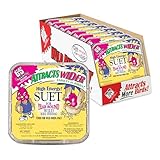
- ECONOMICAL & EASY TO USE compared to traditional seeds. C&S High Energy Suet combined with a wire feeder offers a great value for today’s wild bird feeding customer.
- ENJOY QUALITY WITHOUT COMPROMISE. C&S Suet Products are produced by melting the highest quality rendered beef fat, blending a variety of seeds, nuts, and fruits
- CONCENTRATED SOURCE OF ENERGY for woodpeckers, nuthatches, chickadees and jays using only five ingredients. C&S High Energy Suet blend provides easily digestible fat and essential nutrients for wild birds.
- MADE IN THE USA and trusted by bird enthusiasts since 1986. We take pride in creating the highest quality products that give great value and results.
- CREATE A BACKYARD OASIS that birds will flock to all year round with C&S High Energy Suet; this versatile feed can be used in summer, winter, spring and fall
Why a robin may not come to your feeder
Natural food is more attractive
A robin with access to wild berries, cultivated fruit, insects or earthworms may have little reason to use a feeder. Cornell’s description of morning earthworm feeding and later fruit feeding also means that timing can affect what you see. An empty feeder at one hour does not establish that robins never use the area.
The food does not match the species
Seed-heavy stations are aimed at birds that eat seed, while suet cages are most strongly associated in the guidance with woodpeckers and several small clinging insect-eating birds. If the objective is robins, switch the test from suet to fruit on a table or low platform rather than adding more suet cakes.
The feeder is being judged by a single visit
Robins may visit feeders, but the sources do not quantify frequency. A one-time appearance and a week of repeated feeding are different observations. Record what the bird does: whether it takes the food, how often it returns and whether other natural food is present. Avoid turning a short observation into a claim that suet attracts robins generally.
What to expect from other birds at a suet station
If your suet feeder is busy but robins are absent, that result is consistent with Audubon’s guidance. Woodpeckers, wrens, chickadees, nuthatches and titmice are the groups specifically highlighted as typical suet visitors. Their presence indicates that the feeder is serving its usual purpose; it does not indicate a failure because a fruit-oriented species has not joined them.
Do these 3 things before closing this tab:
1Repair Windows errors before they cause bigger problems2Fix the driver behind crashes, sound loss and screen glitches3Clear out junk files and repair common Windows errorsThis distinction can help you choose a realistic goal. Use suet to watch the birds associated with suet in cool weather. Use fruit on a table or low platform when your priority is an American Robin. One station can support both goals, but the foods should be selected for the birds they are meant to serve.
Practical decision guide
- You want to attract American Robins: Offer soaked raisins or currants on a table or low platform feeder, while recognizing that natural berries, insects and earthworms remain important foods.
- You want woodpeckers, chickadees, nuthatches, titmice or wrens: A suet cake and suet feeder are the better-supported choice, used in cool weather.
- You already have a suet feeder and a robin visits: Treat the visit as possible individual behavior, not proof that suet is a reliable robin attractant.
- You are considering suet during hot weather: Do not put it out; Audubon warns that it can turn rancid and that dripping fat can damage feather waterproofing.
- You see no robins: Do not infer a numerical failure rate. The available guidance gives no percentage for robin visits to suet feeders.
The bottom line on American Robins and suet
An American Robin can come to a suet feeder, but the evidence supports “may” or “occasionally,” not “usually.” Robins’ documented diet is centered on insects, earthworms and fruit, with fruit estimated by Audubon to make up perhaps 60% of the diet year-round. For a robin-focused setup, fruit on a table or low platform feeder is the more directly supported choice. Keep suet for cool weather and for the birds most commonly associated with it, and never treat a single robin sighting as a guarantee that suet cakes will attract the species.
Quick Recap
Product prices and availability are accurate as of the date/time indicated and are subject to change. Any price and availability information displayed on Amazon at the time of purchase will apply.






Say something about this film