Free tools Windows power users keep installed
One-click scans. No signup required.
Some links on this page are affiliate links: if you buy through them we may earn a commission, at no extra cost to you.
Films about a possible World War 3 usually begin with one failure of judgment: a warning is misread, an order is disputed, an automated system is trusted, or a local clash is allowed to become a superpower confrontation. The strongest examples cover three stages—brinkmanship before launch, the exchange itself, and the civilian aftermath. This guide ranks 20 researched films across those stages, from Fail Safe and WarGames to Threads and On the Beach, while also explaining where adjacent titles such as Leave the World Behind, Steel Rain, Tenet, and The Creator fit.
At a glance
| Name | Best for | Key spec | Checked |
|---|---|---|---|
| Threads (1984) | Most severe civilian aftermath | Sheffield after nuclear exchange | Nov 2026 |
| Fail Safe (1964) | Procedural brinkmanship | Accidental US nuclear attack | Nov 2026 |
| The War Game (1966) | Documentary-style warning | Britain after nuclear attack | Nov 2026 |
| The Day After (1983) | Mass-audience civilian realism | Lawrence, Kansas before and after exchange | Nov 2026 |
| Dr. Strangelove (1964) | Satirical view of command failure | Automated escalation as black comedy | Nov 2026 |
| On the Beach (1959) | Intimate end-of-world drama | Australia awaits fallout | Nov 2026 |
| WarGames (1983) | Cyber and automation anxiety | Teen hacker reaches war computer | Nov 2026 |
| When the Wind Blows (1986) | Domestic-scale nuclear warning | Animated elderly couple after attack | Nov 2026 |
| Testament (1983) | Slow local social erosion | California community and radiation | Nov 2026 |
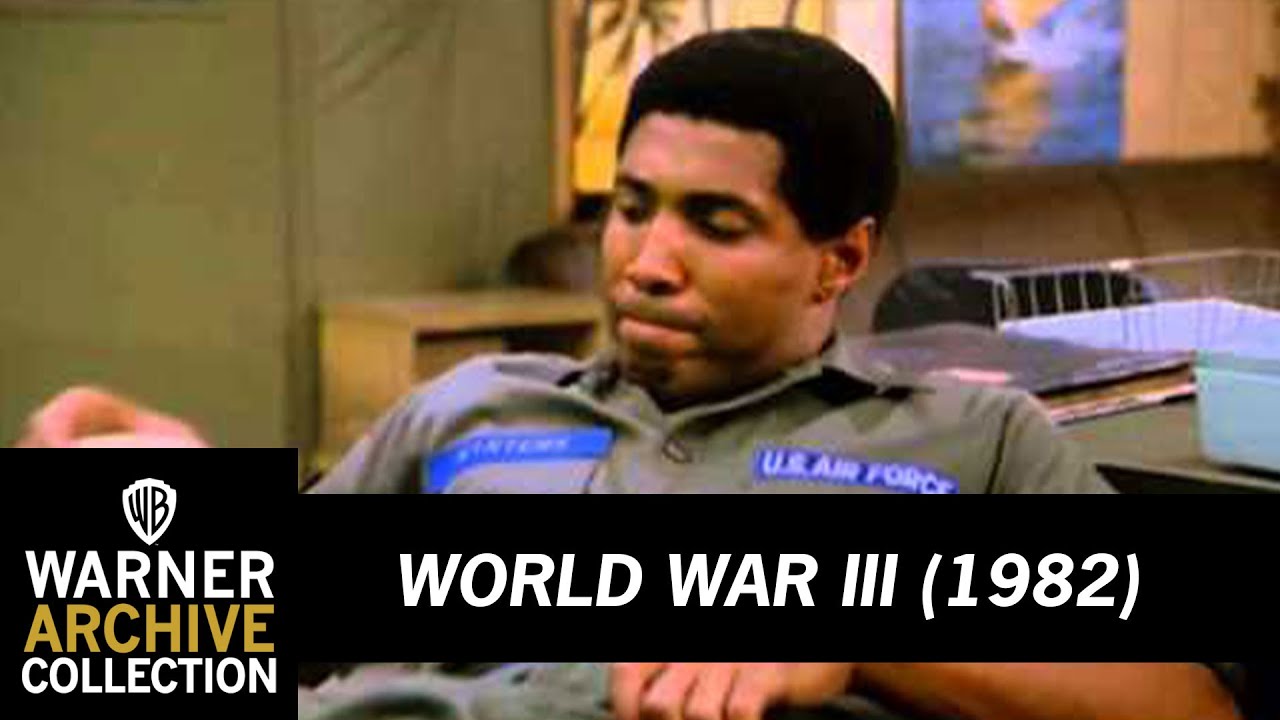
| World War III (1982) | Conventional incident becoming global crisis | Alaskan pipeline station and superpower decisions | Nov 2026 |
| Red Dawn (1984) | Invasion-on-American-soil scenario | Soviet-bloc conventional invasion | Nov 2026 |
| Miracle Mile (1988) | Hours-of-panic perspective | Los Angeles warning of incoming missiles | Nov 2026 |
| By Dawn’s Early Light (1990) | Late-Cold-War command thriller | False information and launch decisions | Nov 2026 |
| Crimson Tide (1995) | Authority and authentication | Disputed submarine launch order | Nov 2026 |
| The Sum of All Fears (2002) | Attribution and intelligence failure | Nuclear terrorism threatens US–Russia war | Nov 2026 |
| The Peacemaker (1997) | Loose nuclear material scenario | Stolen weapon aimed at a major city | Nov 2026 |
| The Fourth Protocol (1987) | Covert destabilization plot | Spy thriller built around a nuclear operation | Nov 2026 |
| Future War 198X (1982) | Explicit US–USSR World War 3 anime | Superpower war escalates to nuclear exchange | Nov 2026 |
| Thirteen Days (2000) | Historical brinkmanship context | Cuban missile crisis dramatization | Nov 2026 |
| The Bedford Incident (1965) | Naval escalation mechanics | Destroyer pursuit of Soviet submarine | Nov 2026 |
Prices and availability vary by territory and format; this table compares story focus, not a streaming catalog.
| # | Preview | Product | Price | |
|---|---|---|---|---|
| 1 |

|
World War III | $15.71 | Buy on Amazon |
| 2 |

|
World War Z | $7.79 | Buy on Amazon |
| 3 |

|
War of the Worlds (Full Screen Edition) | $5.69 | Buy on Amazon |
| 4 |
|
WWII DVD Bundle Lot –Heroes of WWII, Heroes of World War II 3-Pack, Stephen Ambrose WWII... | $49.99 | Buy on Amazon |
| 5 |

|
Left Behind - World at War | $11.52 | Buy on Amazon |
What counts as a potential World War 3 film?
“World War 3” is used here as an umbrella rather than a claim that every story depicts the same event. The category includes nuclear brinkmanship, accidental escalation, conventional superpower conflict, cyber-triggered launch, covert nuclear operations, and the civilian aftermath of a global exchange. The British Film Institute, Council on Foreign Relations, National Museums Liverpool, the Encyclopedia of Science Fiction and the Bulletin of the Atomic Scientists all treat these strands as connected parts of nuclear-age cinema. BFI’s atomic-age survey and its companion list on nuclear apocalypse show how films move from command rooms to ordinary households; National Museums Liverpool’s teaching resource makes the same distinction between attack and aftermath.
What’s actually slowing this PC down?
Pick the symptom - the matching free tool is one click away.
Which films best show the escalation before a nuclear exchange?
Fail Safe, Dr. Strangelove, The Bedford Incident, WarGames, By Dawn’s Early Light and Crimson Tide are the clearest pre-launch group. They ask who has authority, whether information is reliable, and how much time remains when a system starts moving faster than human judgment.
Popular on Amazon
1. Fail Safe (1964)
Sidney Lumet’s control-room thriller is the most disciplined study in this list of an accidental US nuclear attack and the attempt to prevent a wider exchange. Its tension comes from procedures: warning systems, authentication, communication and the shrinking interval in which officials can reverse an order. The film is useful beside Dr. Strangelove because it removes the latter’s comic release and asks what institutions would do if a technical failure produced an apparently valid attack.
The story stays close to command centers and decision-makers rather than following a broad civilian cast. That narrow viewpoint makes every delay visible: a message must reach the right person, a military order must be believed, and a counter-order may arrive too late. The Encyclopedia of Science Fiction places Fail Safe within the wider World War Three cycle, while the BFI’s nuclear-apocalypse material highlights the film’s procedural seriousness. The SFE overview is useful for seeing how this kind of near-miss story connects to later films.
2. Dr. Strangelove (1964)
Stanley Kubrick’s black comedy turns military command failure and automated nuclear escalation into absurdist satire. A rogue decision, rigid doctrine and systems designed to continue without human restraint combine into a chain that leaders cannot easily stop. The joke is not that nuclear war is harmless; it is that institutions can make catastrophe appear rational while using the language of security.
The Tool Desk
Outbyte PC Repair FREERepair Windows errors before they cause bigger problemsFix Now →Outbyte Driver Updater FREEFix the driver behind crashes, sound loss and screen glitchesFind Drivers →Watch it as the tonal opposite of Fail Safe. Both films are interested in orders, machines and communication, but Dr. Strangelove exposes the irrationality beneath official confidence. The Council on Foreign Relations includes it among essential films about the threat of nuclear war, and the Bulletin of the Atomic Scientists places it in the essential nuclear-age tradition. CFR’s film discussion provides historical context for that satirical reading.
3. The Bedford Incident (1965)
This naval Cold War confrontation begins with a US destroyer aggressively pursuing a Soviet submarine. Its World War Three possibility grows from a conventional encounter rather than an already declared nuclear attack. The film therefore works as a study of escalation mechanics: a commander’s desire to demonstrate resolve can create a situation in which every retreat looks like defeat.
The shipboard setting keeps the stakes physical and immediate. Sonar contacts, orders and rules of engagement become the plot’s vocabulary, while the larger political consequences remain just beyond the crew’s view. That gap between local action and strategic risk is one of the recurring ideas in Cold War cinema identified by the Encyclopedia of Science Fiction.
4. WarGames (1983)
WarGames is the clearest cyber-and-automation entry here. A teenage hacker reaches a military computer that treats nuclear war as a game, opening a false-alarm path toward World War III. The film’s central fear is not simply that a malicious person wants war; it is that a system may be unable to distinguish a simulation from an attack once the sequence begins.
Its perspective is unusual for a nuclear thriller: the audience enters through a young civilian who does not understand the military consequences of the program he has accessed. That choice makes technical opacity part of the suspense. The film belongs with Fail Safe and Dr. Strangelove when discussing the danger of delegating irreversible decisions to machines. BFI’s atomic-age and nuclear-apocalypse lists both identify the importance of this automation theme.
5. By Dawn’s Early Light (1990)
This late-Cold-War command thriller uses false information and attack decisions to push the United States and Soviet Union toward an exchange. The drama is concentrated at the level of officials and military crews who must act while the information picture is incomplete. The question is whether leaders can slow a process that has already been set in motion by warning reports and standing procedures.
It pairs naturally with Fail Safe, but its later production date reflects a period when television audiences had already seen decades of nuclear near-miss stories. The Encyclopedia of Science Fiction places it among late-Cold-War depictions of nuclear confrontation, making it a useful bridge between classic command-room films and post-Cold-War thrillers.
6. Crimson Tide (1995)
On a nuclear submarine, a mutiny and a disputed launch order turn command procedure into a strategic crisis. Crimson Tide is less interested in a technical accident than in authority: who can authenticate an order, what happens when communications are interrupted, and whether obedience remains valid when a crucial message is incomplete.
Its confined setting lets the film dramatize constitutional and military questions through personal conflict. Pair it with Fail Safe for a discussion of launch authority and incomplete information. The comparison is not that the stories share the same plot, but that both show how a small group may carry consequences for millions.
Which films show the exchange or its immediate aftermath?
The War Game, The Day After, Threads, Testament, On the Beach, When the Wind Blows, Miracle Mile and Future War 198X shift attention from decision-makers to bodies, homes, hospitals, food systems and social memory. Their methods differ—documentary reconstruction, television drama, animation, anime and intimate family stories—but each asks what “victory” could mean after a nuclear exchange.
Also popular on Amazon
- Factory sealed DVD
7. Threads (1984)
Set in Sheffield, Threads follows the blast, radiation sickness, famine and generational collapse that follow nuclear war. It is the most severe civilian-aftermath film in this guide because it does not treat the attack as a climax after which normal life resumes. Infrastructure fails, medical care disappears, language and institutions erode, and the consequences extend beyond the people who first witness the explosion.
The film’s power comes from scale changes. It begins with ordinary domestic and civic routines, then widens to national catastrophe and narrows again to individual survival. National Museums Liverpool describes Threads as one of the uncompromising depictions of nuclear aftermath, while BFI’s nuclear-apocalypse list places it in the same essential tradition. The National Museums Liverpool resource is especially useful for educators comparing immediate effects with long-term social consequences.
8. The War Game (1966)
Peter Watkins’ documentary-style reconstruction imagines a nuclear attack on Britain and follows its social consequences. It is structured like a public information film that has lost the reassuring ending: officials speak, ordinary people react, and the practical realities of injury, displacement and disorder become impossible to sanitize.
National Museums Liverpool calls it a worst-case scenario, and BFI emphasizes its uncompromising depiction of nuclear aftermath. The film is valuable before Threads because it shows how a television-documentary vocabulary can make a fictional attack feel like civic evidence. Its restraint is part of the shock; there is no heroic command decision to balance the suffering.
9. The Day After (1983)
This made-for-television drama follows residents of Lawrence, Kansas, before and after a US–Soviet nuclear exchange. Its comparison axis is civilian realism and political reach: instead of keeping the audience in a bunker or a command center, it shows how a mass television audience might encounter the consequences through recognizable neighborhoods, families and public services.
The film’s before-and-after structure makes escalation legible. Ordinary routines continue while international tension rises, then the exchange abruptly changes the meaning of roads, hospitals, schools and food. A scholarly discussion of the film’s Cold War culture and political impact is available in Overpeck’s paper. Its importance is not a claim that it predicts a specific future; it is an example of how television placed nuclear consequences inside an everyday American landscape.
Recommended Free Tools
10. Testament (1983)
Testament narrows the national catastrophe to a small California community that slowly succumbs to radiation after nuclear explosions devastate the United States. The local scale changes the question from “Can leaders stop the war?” to “How do people preserve relationships and responsibility when the future has been shortened?”
The film’s gradual social erosion contrasts with the immediate blast imagery of The War Game or Threads. Families must make choices about care, information and routine while the effects of radiation become harder to ignore. The Bulletin of the Atomic Scientists includes Testament in its broader essential-film tradition, which helps place this intimate story beside command-room thrillers.
11. On the Beach (1959)
In On the Beach, the Northern Hemisphere has already been destroyed by nuclear war and Australia waits for radioactive fallout to arrive. There is no campaign to reverse the exchange; the drama is about the final months of civilian life, relationships and choices under a fatalistic deadline.
That makes it the clearest aftermath companion to Threads. Threads emphasizes social collapse across generations, while On the Beach concentrates on the quiet extension of a catastrophe that has already been decided. National Museums Liverpool and BFI both treat this kind of postwar civilian story as central to nuclear-age cinema.
12. When the Wind Blows (1986)
This animated adaptation follows an elderly English couple trying to preserve ordinary routines after a nearby nuclear attack. Its gentle domestic style creates a stark contrast with radiation and nuclear winter. The couple’s faith in familiar instructions and household habits becomes part of the tragedy because those routines cannot account for the scale of the disaster.
Animation does not soften the premise; it makes the gap between domestic normality and strategic violence more visible. The film belongs beside On the Beach when the reader wants a personal, intimate perspective rather than a military one. BFI identifies it among major films about the atomic age and nuclear apocalypse.
13. Miracle Mile (1988)
Miracle Mile compresses global catastrophe into one frantic Los Angeles night after a civilian hears that nuclear missiles may be incoming. Its comparison axis is time scale: where The Day After follows a community before and after an exchange, this film tracks hours of panic, traffic, rumor and desperate decisions.
Also popular on Amazon
- Factory sealed DVD
The warning may be uncertain, but uncertainty is the point. People must decide whether to flee, contact loved ones or trust official information before they know whether the alert is genuine. The film therefore connects civilian experience to the false-alarm concerns of WarGames and By Dawn’s Early Light.
Quick wins for a faster PC:
Repair Windows errors before they cause bigger problemsFix Now →Scan for outdated or missing drivers - takes under a minuteDriver Scan →14. Future War 198X (1982)
This anime depicts a US–USSR World War 3 that escalates into nuclear exchange. It makes the superpower-war premise explicit rather than treating the conflict as an unnamed background threat. The anime format broadens the guide beyond Anglo-American live action and allows the scale of the conflict to be represented directly.
Its value in a viewing sequence is comparative: watch it after a command-room film to see how the same superpower logic becomes a global battlefield, then follow it with an aftermath film such as Threads or On the Beach. The reference list of nuclear-holocaust fiction records the film’s place in this tradition. The reference entry supplies the dated identification used here.
Which films turn a local or covert incident into a global war?
World War III, Red Dawn, The Fourth Protocol, The Peacemaker and The Sum of All Fears show escalation through invasion, espionage, stolen weapons or attribution failure. They are useful because World War 3 does not have to begin with missiles already in the air; it can grow from an incident that leaders interpret as deliberate aggression.
15. World War III (1982)
This television film begins with the Soviet seizure of an Alaskan pipeline station during an economic crisis and moves between the battlefield and global decision-makers. Warner Archive summarizes the journey “from a lonely battleground in an Alaskan valve station to the inner sanctums of world power,” a structure that makes the local-to-global transition explicit. The Warner Archive description is the source for that quoted framing.
Do these 3 things before closing this tab:
1Fix the driver behind crashes, sound loss and screen glitches2Clear out junk files and repair common Windows errors3Scan for outdated or missing drivers - takes under a minuteUse it to compare conventional conflict with nuclear-aftermath films. The immediate mechanism is an occupation and superpower confrontation, not a society already living under fallout. Its narrative question is whether political leaders can contain a battlefield incident before alliance commitments and public pressure turn it into a general war.
16. Red Dawn (1984)
Red Dawn imagines a Soviet-bloc invasion of the United States and follows the conversion of a geopolitical crisis into conventional World War 3 on American soil. Unlike Threads or The Day After, its comparison axis is invasion mechanics: occupation, resistance and the experience of war before an immediate nuclear aftermath.
The film belongs in a double feature with World War III when the reader wants to examine how a conventional opening can precede strategic escalation. It also provides a useful counterpoint to command-room stories because its viewpoint is dispersed among civilians and young fighters rather than concentrated in national capitals.
17. The Fourth Protocol (1987)
The Fourth Protocol uses espionage and a covert nuclear plot to destabilize the Cold War balance. Its pathway to World War 3 is secret operation rather than battlefield miscalculation: a small number of people try to create conditions in which governments will draw the wrong conclusion about who attacked first.
Outdated Drivers Are Slowing You Down
One free scan finds every outdated or missing driver and matches the right update for your exact hardware.Free scan · exact hardware matchWindows Errors? Fix Them Before They Spread
Repair common Windows errors and clear accumulated junk for a smoother, more stable PC - no reinstall needed.Free scan · no reinstallThat makes it a bridge between spy thriller and nuclear crisis film. Watch it alongside The Sum of All Fears to compare hidden preparation with the later problem of attribution. The film’s value is in showing that escalation can be engineered through information as well as explosives.
18. The Peacemaker (1997)
The Peacemaker is a post-Cold-War thriller about stolen nuclear weapons and an attempt to detonate one in a major city. It is best treated as a terrorism-and-loose-material scenario, not as a superpower invasion narrative. The strategic danger comes from the possibility that a single detonation could trigger retaliation, panic or a mistaken assumption about state responsibility.
Its later setting shifts the genre’s focus from US–Soviet doctrine to the security problem of weapons moving outside formal command structures. Pair it with The Fourth Protocol for two different covert pathways: destabilization by an organized state-linked plot and destabilization by a stolen weapon.
19. The Sum of All Fears (2002)
The Sum of All Fears centers on nuclear terrorism and the possibility that an attack could trigger US–Russia war through attribution and political assumption. The crucial escalation step is interpretive: leaders decide who is responsible before the evidence is complete, and that decision may become more dangerous than the initial detonation.
Also popular on Amazon
- world war movies
- war movies
- world war documentaries on dvd
- world war movies collection
This is the most direct entry for readers interested in intelligence failure. Compare it with WarGames, where a system misreads simulation as attack, and with The Peacemaker, where stolen material threatens a city. All three stories ask how quickly a partial signal can become an official explanation.
20. Thirteen Days (2000)
Thirteen Days dramatizes the Cuban missile crisis, a historical near-miss rather than a fictional World War 3. It belongs on this list because it supplies documentary-grounded context for later films about brinkmanship, communication and the danger of assuming that the other side will back down.
Watch it before Fail Safe or By Dawn’s Early Light to distinguish a historical crisis from invented launch scenarios. The Council on Foreign Relations identifies the Cuban missile crisis as a key reference point for understanding nuclear-war cinema. Its historical status also makes it a useful reminder that the category includes films about avoiding war, not only stories in which war occurs.
How should you choose among these films?
Choose by the scale of the human viewpoint first. If you want institutions under time pressure, start with Fail Safe; if you want satire, choose Dr. Strangelove; if you want a documentary-style warning, choose The War Game; if you want the most punishing account of civilian collapse, choose Threads. For a domestic story, select On the Beach or When the Wind Blows. For a cyber-triggered crisis, choose WarGames. For invasion rather than immediate nuclear aftermath, choose Red Dawn or World War III.
The Tool Desk
Outbyte PC Repair FREEClear out junk files and repair common Windows errorsFree Scan →Outbyte Driver Updater FREEFix the driver behind crashes, sound loss and screen glitchesFind Drivers →Pre-launch, exchange or aftermath?
- Pre-launch brinkmanship: Fail Safe, Dr. Strangelove, The Bedford Incident, WarGames, By Dawn’s Early Light and Crimson Tide.
- Immediate civilian impact: The War Game, The Day After, Miracle Mile, Testament and Future War 198X.
- Long aftermath: Threads, On the Beach and When the Wind Blows.
- Conventional or covert escalation: World War III, Red Dawn, The Fourth Protocol, The Peacemaker and The Sum of All Fears.
- Historical context: Thirteen Days.
How we picked
The selection uses the available data’s criteria: a film must depict nuclear brinkmanship, accidental escalation, conventional superpower conflict, cyber-triggered launch, covert nuclear destabilization or the civilian aftermath of global war. We also balanced viewpoint and tone—command rooms, submarines, national populations, families and individual neighborhoods; satire, procedural thriller, documentary-style warning, animation, anime and survival drama. The list is not a claim that these films predict events or share one canon.
Independent reader supportYour contribution helps us test, update, and keep practical guides available for everyone.Where do the other requested titles fit?
Several titles commonly grouped with World War 3 or nuclear-crisis films are not described in the available data. They are retained here so readers can distinguish adjacent science-fiction, geopolitical and technological stories from the 20 researched entries. Because the available data supplies no synopsis or source for these titles, the notes below do not assign plot details beyond their names and years.
Leave the World Behind (2023)
The available data lists this title among the page’s required items but provides no sourced scenario description. Treat it as an adjacent contemporary crisis film rather than as one of the ranked nuclear-war case studies above unless a specific edition or synopsis is verified independently.
Red Dawn (2012)
This title is listed separately from the 1984 film. The supplied evidence does not establish details for the 2012 version, so it is not merged with the 1984 entry or assigned the older film’s comparisons.
Steel Rain (2017)
The research list names Steel Rain but gives no sourced plot or escalation analysis. Keep it as an adjacent Korean geopolitical title when building a broader watchlist, not as evidence for claims made about the researched films.
Tenet (2020)
Tenet appears in the required title set without supporting material in the available data. Its inclusion here signals a technology-and-geopolitics adjacency, but this article does not infer a World War 3 scenario from the title alone.
Terminator
The available data supplies no year, installment or synopsis for the generic Terminator entry. Since different films in that series use different conflict premises, no single claim is attached to it here.
The Creator (2023)
Available sources list The Creator but does not document its scenario, sources or comparison axis. It is therefore kept outside the ranked evidence-based 20.
Windows Errors? Fix Them Before They Spread
Repair common Windows errors and clear accumulated junk for a smoother, more stable PC - no reinstall needed.Free scan · no reinstallOutdated Drivers Are Slowing You Down
One free scan finds every outdated or missing driver and matches the right update for your exact hardware.Free scan · exact hardware matchWorld War III (2013)
The title is listed separately from the researched 1982 television film. The available data provides no source for a 2013 production, so readers should not treat it as the same work or assume that the 1982 synopsis applies.
Also popular on Amazon
This distinction matters because a title can suggest a global-war theme without the supplied evidence establishing the film’s plot, year, edition or availability. The ranked list stays with films for which the available data provides a clear premise and a source-backed comparison.
What viewing order gives the clearest picture?
A four-film route covers the whole escalation arc without requiring a marathon. Start with Thirteen Days for historical brinkmanship, continue with Fail Safe for an accidental launch, watch WarGames for cyber and automation risk, and finish with Threads for the civilian aftermath. Add Dr. Strangelove if you want satire, or On the Beach if you want a quieter, fatalistic ending.
- Context: Thirteen Days shows how communication and restraint can prevent a crisis from becoming war.
- System failure: Fail Safe shows what happens when warning and command procedures move toward an attack.
- Automation: WarGames shifts the threat to a computer system that cannot distinguish play from reality.
- Consequences: Threads follows the blast, disease, famine and generational damage after prevention fails.
What should viewers know about tone and content?
These films vary sharply in emotional intensity. Dr. Strangelove is comic in form but bleak in implication; Fail Safe is austere and procedural; The War Game and Threads use documentary-like realism and severe aftermath imagery; When the Wind Blows uses animation to make domestic tragedy more accessible without making the premise lighter. A viewer choosing a film for education should check local ratings and content notices, particularly for depictions of mass casualties, radiation sickness, famine and child distress.
How can documentaries and classrooms use this list?
Use the films as primary cultural texts, not as technical forecasts. Ask students to identify the initiating signal, the institution that interprets it, the point at which alternatives disappear and the people who bear the consequences. Then compare the film’s viewpoint: command staff in Fail Safe, civilians in The Day After, a family in When the Wind Blows, or a community in Testament.
A second useful exercise is to compare tone. Pair Dr. Strangelove with Fail Safe to discuss satire and procedural realism; pair The War Game with Threads to discuss documentary form and social collapse; pair WarGames with Crimson Tide to discuss machine authority versus human authentication. The Bulletin of the Atomic Scientists’ survey provides a broader nuclear-age frame for these classroom comparisons. The Bulletin’s film list is the relevant outside reference.
How do availability and editions affect a watchlist?
Availability changes by country, broadcaster and format, especially for television films such as World War III, The Day After and By Dawn’s Early Light. A distributor description can identify a release without guaranteeing current stock, territory or streaming access. Check a licensed library, broadcaster, digital rental service or the rights holder’s current catalog before planning a screening.
For educational use, verify subtitles, aspect ratio and whether the edition includes the complete film. Older films may circulate in restorations or television versions with different runtimes. Do not infer that a title is currently available merely because it appears in a historical film list.
What does the complete set say about World War 3 stories?
Taken together, these films are less interested in battlefield spectacle than in escalation control. A warning, order, invasion, covert operation or misread signal becomes larger than the people who initiated it. The classic Cold War cycle concentrates on US–Soviet confrontation, while later stories shift toward terrorism, cyber systems and attribution failures. The human scale changes from command rooms and submarines to cities, families and one neighborhood waiting for news.
That is why no single film is “the” World War 3 movie. Fail Safe explains the logic of a near-miss, Threads explains the cost of failure, Dr. Strangelove exposes the absurdity of the machinery, and On the Beach asks how people live when the outcome is already fixed. Choose the entry that matches the question you want the film to answer.
Frequently Asked Questions
Which movie shows the aftermath of nuclear war most realistically?
Threads is the most severe choice in this guide because it follows radiation sickness, famine, institutional collapse and generational damage in Sheffield. The War Game offers a documentary-style British reconstruction, while The Day After presents civilian consequences through a US television-drama structure.
What is the best World War 3 movie for a classroom discussion?
Start with Fail Safe for decision-making, then pair it with Threads for consequences. Ask students to track the initiating error, the last reversible moment and the people absent from the command room.
Quick wins for a faster PC:
Scan for outdated or missing drivers - takes under a minuteDriver Scan →Repair Windows errors before they cause bigger problemsFix Now →Are there films about cyberattacks causing a nuclear war?
WarGames is the clearest researched example: a military computer treats nuclear war as a game after a teenager reaches it. The film focuses on false alarms and automation rather than a modern network-intrusion technical manual.
Which film is based on a real nuclear crisis?
Thirteen Days dramatizes the Cuban missile crisis, a historical near-miss rather than a fictional World War 3. Its value is showing how communication and restraint can prevent escalation.
Where can I find older nuclear-war films legally?
Availability depends on territory and rights. Check licensed libraries, official distributor catalogs, broadcasters and authorized digital rental services, and confirm the exact edition before scheduling a screening.






Say something about this film