Eighty years after George Lucas entered the world, the galaxy he created feels more alive than ever. As fans across generations pause to mark the milestone, the moment resonates not just as a birthday, but as a cultural checkpoint for the man who reshaped blockbuster cinema and modern mythmaking. From a scrappy space fantasy in 1977 to a multibillion-dollar universe that still defines popular imagination, Lucas’ influence remains impossible to overstate.
Among the many tributes circulating, Mark Hamill’s stands out for its intimacy and emotional clarity. More than a co-star honoring a creator, Hamill’s words reflect a lifelong gratitude toward the filmmaker who trusted an unknown actor with the role of Luke Skywalker and, in doing so, changed both of their lives. Their bond underscores how Star Wars was never just a technological or commercial triumph, but a deeply human collaboration rooted in belief, risk, and shared wonder.
| # | Preview | Product | Price | |
|---|---|---|---|---|
| 1 |

|
Star Wars: Original Trilogy (3 Discs) - DVD | $29.96 | Buy on Amazon |
| 2 |

|
Star Wars: Prequel Trilogy (3 Discs) - DVD | $29.96 | Buy on Amazon |
| 3 |

|
Star Wars: Sequel Trilogy (3 Discs) - DVD | $29.96 | Buy on Amazon |
| 4 |

|
Star Wars Trilogy (A New Hope / The Empire Strikes Back / Return of the Jedi) (Widescreen Edition... | $58.30 | Buy on Amazon |
| 5 |
|
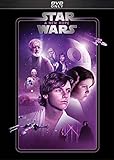
Star Wars: A New Hope | $12.99 | Buy on Amazon |
Lucas turning 80 invites reflection on a legacy that stretches far beyond lightsabers and starships. His innovations in visual effects, sound design, and independent filmmaking infrastructure transformed Hollywood’s creative possibilities, while his storytelling instincts reintroduced classical mythology to a modern audience hungry for hope. As Hamill’s tribute makes clear, the impact of George Lucas is not only measured in box office numbers or cultural reach, but in the lasting relationships and creative sparks that continue to echo through the Force.
‘Forever Grateful’: Mark Hamill’s Heartfelt Birthday Tribute and What He Said
As tributes poured in for George Lucas’ 80th birthday, Mark Hamill’s message quickly resonated as one of the most personal. Shared publicly, the actor’s words carried the weight of a journey that began nearly five decades ago, when a young, largely unknown performer was handed a hero’s destiny. Hamill framed the moment not as a celebration of fame, but as a reminder of how profoundly Lucas altered the course of his life.
What’s actually slowing this PC down?
Pick the symptom - the matching free tool is one click away.
#1 Best Overall
- The Skywalker saga’s center trilogy introduces Luke Skywalker, who is drawn into the rebellion against the evil Galactic Empire when he is recruited by Obi-Wan Kenobi. Strong in the Force, Luke is confronted with a shocking truth — while Sith Lord Darth Vader faces a supreme decision.
A Simple Message with Decades of Meaning
Hamill expressed deep gratitude for Lucas’ faith in him, emphasizing that none of what followed would have been possible without that initial leap of trust. He acknowledged Lucas not only as the creator of Star Wars, but as the person who gave him an opportunity that defined his career and public identity. The tone was affectionate and grounded, less about mythology and more about appreciation for a mentor who believed before the world did.
Rather than leaning into nostalgia for its own sake, Hamill’s tribute reflected humility. He positioned himself as a beneficiary of Lucas’ vision, someone forever connected to a story that became larger than any single actor or filmmaker. In doing so, he reminded fans that behind the cultural phenomenon was a creative relationship built on risk, patience, and mutual respect.
More Than Luke Skywalker
What made Hamill’s message especially poignant was its acknowledgment of Lucas as a quiet architect of lives, not just franchises. He alluded to the ripple effect of Star Wars, how one casting decision opened doors, forged lifelong friendships, and embedded him in a global community of fans. The gratitude extended beyond professional success, touching on the personal fulfillment that comes from being part of a story that continues to inspire hope.
Hamill has often spoken about the responsibility he feels toward Star Wars’ legacy, and his birthday tribute reinforced that sense of stewardship. By celebrating Lucas at 80, he framed the creator’s legacy as ongoing rather than complete, a living influence that still shapes how stories are told and received. The message underscored that Luke Skywalker was never just a role, but a shared creation born from Lucas’ belief in timeless myth and human potential.
A Bond That Reflects the Heart of Star Wars
At its core, Hamill’s tribute echoed one of Star Wars’ central themes: gratitude for those who guide us. His words suggested that Lucas’ greatest achievement may not be technological innovation or box office dominance, but the trust he placed in collaborators and the creative family that emerged as a result. It was a reminder that the Force binding Star Wars together has always been as much about people as it is about spectacle.
In celebrating Lucas’ milestone, Hamill offered fans a glimpse into the emotional foundation beneath the saga. The tribute stood as a testament to a partnership that helped define modern pop culture, and to a filmmaker whose influence is measured not only in galaxies far, far away, but in the lives he changed along the way.
From Unknown Actors to Cultural Icons: Lucas and Hamill’s Creative Bond
When George Lucas cast Mark Hamill as Luke Skywalker, neither could have predicted how completely that decision would reshape their lives. Hamill was a young actor with television credits and modest film experience, while Lucas was coming off a single cult success and staking everything on a deeply personal space fantasy. Their partnership was born not from certainty, but from shared belief in a story that felt sincere, mythic, and quietly radical.
Lucas saw something in Hamill that went beyond performance polish. He recognized an everyman quality, an emotional openness that could carry Joseph Campbell’s heroic ideals without irony. That trust allowed Hamill to grow alongside the character, learning the rhythms of blockbuster filmmaking while anchoring Star Wars in relatable humanity.
Trust as the Foundation of the Saga
Hamill has often reflected on how Lucas’ reserved demeanor masked a deep loyalty to his cast. The director gave his actors room to experiment, stumble, and ultimately define their roles in ways that felt organic rather than manufactured. For Hamill, that creative freedom was transformative, turning a role into a lifelong vocation and responsibility.
This bond extended beyond the original trilogy, resurfacing decades later when Hamill returned to the galaxy as an elder Luke. Even as Star Wars evolved across generations and corporate eras, the mutual respect between actor and creator remained intact. Hamill’s tribute underscores that Lucas never viewed performers as interchangeable parts, but as essential storytellers entrusted with carrying his vision forward.
Rank #2
- The Skywalker saga begins with the story of Anakin Skywalker, a young boy living on the desert planet Tatooine who is unusually strong with the Force. Trained to be a Jedi by Obi-Wan Kenobi, Anakin bristles under the restraints imposed by the Jedi Order — leading to dire consequences throughout the entire galaxy.
Legacy Forged Through Collaboration
The journey from unknown actor to cultural icon mirrors Star Wars itself, a modest gamble that became a defining pillar of modern cinema. Lucas’ willingness to bet on fresh faces helped redefine casting norms in Hollywood, proving that sincerity and conviction could resonate more powerfully than star power alone. Hamill stands as the most visible example of that philosophy, his career forever intertwined with Lucas’ creative courage.
In honoring Lucas at 80, Hamill wasn’t just celebrating a filmmaker’s longevity. He was honoring the moment his life intersected with a storyteller who believed that myth could still matter, and that ordinary people, on and off screen, could rise to something extraordinary.
Windows Errors? Fix Them Before They Spread
Repair common Windows errors and clear accumulated junk for a smoother, more stable PC - no reinstall needed.Free scan · no reinstallCrashes, No Sound, or Screen Glitches?
Random freezes, missing sound and display glitches usually trace back to one bad driver. Find and replace yours safely.Free scan · under a minuteBuilding a New Mythology: How George Lucas Changed Modern Filmmaking
George Lucas didn’t just create a hit movie; he reintroduced myth as a living language for modern audiences. By drawing openly from Joseph Campbell, Akira Kurosawa, and classic serials, Lucas reframed ancient archetypes through a futuristic lens that felt both timeless and immediate. Star Wars didn’t ask viewers to admire its world from a distance. It invited them to believe in it.
That belief is at the heart of Mark Hamill’s tribute, which consistently points back to Lucas’ sincerity as a storyteller. Hamill has often noted that Star Wars worked because it wasn’t ironic or self-aware. It treated heroism, temptation, and hope as ideas worth taking seriously, even in a galaxy far, far away.
Myth Over Cynicism
At a time when New Hollywood was dominated by moral ambiguity and antiheroes, Lucas leaned into clarity of purpose. Luke Skywalker’s journey wasn’t about deconstruction; it was about becoming. That earnestness became Star Wars’ secret weapon, allowing audiences of all ages to see themselves reflected in its trials and triumphs.
Lucas trusted that myth could still function in a modern world, and history proved him right. His approach reshaped how studios viewed genre storytelling, paving the way for fantasy and science fiction to carry emotional and philosophical weight without apology. In many ways, every earnest blockbuster hero since owes a debt to that gamble.
Recommended Free Tools
Rewriting the Rules of the Blockbuster
Beyond story, Lucas transformed the business and craft of filmmaking itself. By retaining control over licensing and merchandising, he quietly shifted where creative power could reside, giving filmmakers a blueprint for independence within a studio system. Star Wars wasn’t just a movie; it became a self-sustaining universe.
That ecosystem extended to technology. Industrial Light & Magic revolutionized visual effects, while Skywalker Sound and THX set new standards for audio immersion. These innovations weren’t created for spectacle alone, but to serve the story, ensuring that myth and machinery moved in harmony.
A Galaxy Built on Collaboration
Lucas’ mythology thrived because it was never a solo endeavor. He surrounded himself with artists, technicians, and performers who shared his belief in the material, then empowered them to elevate it. Hamill’s enduring gratitude speaks to that environment, one where collaboration was not just encouraged but essential.
As Star Wars expanded into sequels, prequels, animation, and beyond, that foundational philosophy remained visible. The galaxy grew larger, but its core values stayed intact. Lucas had built more than a franchise; he built a modern myth-making engine, one that continues to shape how stories are told and why they matter.
The Tool Desk
Outbyte PC Repair FREERepair Windows errors before they cause bigger problemsFix Now →Outbyte Driver Updater FREEScan for outdated or missing drivers - takes under a minuteDriver Scan →Rank #3
- The final trilogy in the Skywalker saga introduces a new threat to the galaxy, the tyrannical First Order, which rises to overthrow the New Republic. Rey, a desert scavenger strong in the Force, confronts dark agent of the First Order Kylo Ren, and ultimately a powerful Sith Lord to fight for the future of the galaxy.
Star Wars Beyond the Screen: Lucas’ Lasting Impact on Pop Culture and Fandom
If Star Wars changed Hollywood, it transformed audiences just as profoundly. Lucas didn’t merely create a series of films; he gave generations a shared language of hope, redemption, and resilience. The Force, the Jedi, and the saga’s moral compass became cultural shorthand, instantly recognizable across borders, ages, and backgrounds.
Mark Hamill’s tribute resonates so deeply because fans recognize that same personal connection in themselves. Like Luke Skywalker, many grew up alongside the saga, finding guidance and inspiration in its ideals. Lucas’ storytelling didn’t dictate what to think; it invited viewers to believe in something bigger than themselves.
A Fandom Forged in Myth and Meaning
Star Wars fandom has always been participatory, not passive. From conventions and cosplay to fan fiction and online communities, Lucas’ universe encouraged audiences to step inside the myth and make it their own. That openness fostered a sense of belonging rarely matched in pop culture.
Hamill has long served as a bridge between creator and community, embracing fans with humor and humility. His birthday message to Lucas felt less like a celebrity post and more like a son honoring a mentor. It echoed the gratitude fans feel toward the man who gave them a galaxy where kindness and courage still mattered.
Free tools Windows power users keep installed
One-click scans. No signup required.
From Childhood Imagination to Cultural Bedrock
What makes Lucas’ impact endure is how seamlessly Star Wars moves from childhood wonder to adult reflection. Lightsabers and starships may draw young viewers in, but themes of legacy, failure, and compassion deepen with time. Each return to the saga reveals something new, shaped by where the viewer is in life.
That multigenerational pull has turned Star Wars into a cultural inheritance. Parents introduce it to their children not just as entertainment, but as a formative experience. In that way, Lucas’ greatest creation may be the ritual of passing the story on.
The Creator Behind the Curtain
Lucas often resisted the spotlight, letting the work speak for itself. Yet moments like Hamill’s tribute underscore how personal his influence has been on those closest to the saga. Behind the technological breakthroughs and mythic storytelling was a filmmaker who trusted his collaborators and believed in emotional sincerity.
At 80, Lucas’ legacy lives not only in box office records or cinematic innovations, but in the hearts of those who helped bring Star Wars to life and those who continue to find meaning in it. The bond between Lucas and his actors, especially Hamill, reflects the same spirit that defines the saga itself: mentorship, growth, and enduring hope.
A Chorus of Tributes: How Hollywood and Fans Are Honoring Lucas at 80
As Mark Hamill’s message rippled across social media, it opened the floodgates for an outpouring of gratitude from across Hollywood. Filmmakers, actors, and creatives who grew up inspired by Star Wars used Lucas’ 80th birthday as a moment to acknowledge the architect behind one of cinema’s most influential myths. The result felt less like an industry obligation and more like a communal thank-you.
Filmmakers Paying It Forward
Steven Spielberg, a longtime friend and creative confidant, has often credited Lucas with reshaping the modern blockbuster and redefining what moviegoing could feel like. That sentiment resurfaced in birthday tributes praising Lucas not just as a visionary, but as a risk-taker who trusted imagination over convention. Francis Ford Coppola, Lucas’ mentor and collaborator from the American Zoetrope days, echoed that respect by highlighting Lucas’ early belief that filmmakers could own their voices outside the studio system.
Younger directors joined the chorus as well. From Star Wars successors to filmmakers working far outside the galaxy, many cited Lucas as the reason they first picked up a camera. The common thread was clear: Lucas didn’t just make movies, he made it possible to dream of making them.
The Star Wars Family Speaks
Within the Star Wars cast and creative family, the tributes carried a distinctly personal tone. Kathleen Kennedy reflected on Lucas’ trust in those he empowered to steward the franchise, emphasizing his quiet confidence and generosity as a collaborator. Other actors from across the saga’s eras shared memories of a creator who valued sincerity over spectacle, even within the biggest space opera ever made.
Do these 3 things before closing this tab:
1Clear out junk files and repair common Windows errors2Fix the driver behind crashes, sound loss and screen glitches3Repair Windows errors before they cause bigger problemsHamill’s tribute stood at the emotional center of it all. By framing Lucas as a mentor and guide rather than a distant icon, he reminded fans that Star Wars was built on human relationships as much as special effects. It was a sentiment echoed by castmates who described Lucas as patient, thoughtful, and deeply invested in the people behind the characters.
Fans Turn Celebration Into Ritual
Outside Hollywood, the celebration took on a life of its own. Fans marked the milestone with art, personal essays, and messages recounting how Star Wars helped them through childhood, grief, or moments of self-discovery. Hashtags celebrating Lucas’ birthday trended alongside photos of worn VHS tapes, first-edition action figures, and family viewing traditions passed down through generations.
Some theaters and fan groups organized anniversary screenings, treating the films less like nostalgia and more like sacred texts meant to be revisited together. In those spaces, Lucas’ influence felt immediate and alive, reinforced by shared laughter, tears, and applause at moments long etched into collective memory.
An Enduring Cultural Thank-You
What made the 80th birthday tributes resonate was their consistency of tone. Whether from Oscar-winning directors or first-time viewers discovering Star Wars decades late, the message was one of gratitude for stories that dared to be earnest. Lucas’ belief in myth, morality, and hope stood in contrast to cynicism, and that choice continues to echo.
Quick wins for a faster PC:
Clear out junk files and repair common Windows errorsFree Scan →Fix the driver behind crashes, sound loss and screen glitchesFind Drivers →In celebrating George Lucas at 80, Hollywood and fans alike weren’t simply honoring a career milestone. They were acknowledging a creative legacy that taught generations how stories can shape values, forge community, and remind us, even now, to believe in something bigger than ourselves.
Independent reader supportYour contribution helps us test, update, and keep practical guides available for everyone.The Man Behind the Myth: Lucas’ Philosophy, Independence, and Creative Risks
Behind the cultural monument of Star Wars has always stood a filmmaker driven less by fame than by conviction. George Lucas approached storytelling as a modern mythmaker, guided by Joseph Campbell’s ideas about archetypes, moral trials, and transformation. For Lucas, space battles and alien worlds were simply vessels for lessons about compassion, temptation, and choosing the light when darkness feels easier.
Mark Hamill has often reflected on that philosophical core, noting that Lucas spoke about Star Wars less as entertainment and more as a moral framework. In his birthday tribute, Hamill emphasized how Lucas believed young audiences deserved stories that took their inner lives seriously. That belief shaped Luke Skywalker into a hero defined not by power, but by empathy and restraint.
Choosing Independence Over Approval
Lucas’ creative philosophy was inseparable from his fierce independence. At a time when studios were tightening their grip on blockbuster filmmaking, he chose to self-finance, retain creative control, and build an infrastructure that protected his vision. It was a gamble that could have ended his career, but instead reshaped Hollywood’s power dynamics.
Best Value
- George Lucas' mythological popcorn movie is a two-hour roller-coaster ride that has passed into movie legend. The story, for the tiny number of people not familiar with it, concerns a farm boy named Luke Skywalker (Mark Hamill) who discovers that the used robot recently purchased by his family plays back a message from one Princess Leia (Carrie Fisher), begging for help from Obi-Wan Kenobi. Luke a
Hamill has described watching that independence up close as quietly instructive. Lucas didn’t posture or sell rebellion as a brand; he simply followed his instincts, even when it meant enduring skepticism or outright dismissal. That resolve gave the actors permission to trust the material, no matter how unconventional it seemed on the page.
Risk as a Creative Constant
Even after Star Wars became a global phenomenon, Lucas never stopped taking risks with it. The prequel trilogy, animated expansions, and technical innovations all reflected a creator more interested in exploration than preservation. Lucas was willing to challenge his own legacy, accepting criticism as the cost of pushing forward.
Hamill’s tribute subtly acknowledged that bravery, framing Lucas as someone unafraid to let stories evolve beyond comfort. For the actors, that willingness to risk failure fostered loyalty, not resentment. It reinforced the idea that Star Wars was never meant to be frozen in time, but to grow alongside its audience.
A Mentor Disguised as a Mythmaker
What emerges most clearly from Hamill’s words is the portrait of Lucas as a mentor rather than a distant auteur. He listened, encouraged curiosity, and trusted his collaborators to bring emotional truth to fantastical settings. That human-centered approach is why so many performers still speak of him with personal affection decades later.
Windows Errors? Fix Them Before They Spread
Repair common Windows errors and clear accumulated junk for a smoother, more stable PC - no reinstall needed.Free scan · no reinstallOutdated Drivers Are Slowing You Down
One free scan finds every outdated or missing driver and matches the right update for your exact hardware.Free scan · exact hardware matchIn the end, Lucas’ philosophy, independence, and creative risks are inseparable from the bonds he formed along the way. The myth of Star Wars may belong to the world now, but its heart was shaped by a filmmaker who believed in people first, stories second, and spectacle only as a means to something more lasting.
An Enduring Legacy: What George Lucas at 80 Means for the Future of Star Wars
At 80, George Lucas occupies a rare space in modern culture: a creator whose work has outgrown him, yet still bears his fingerprints at every turn. Mark Hamill’s tribute doesn’t frame Lucas as a relic of Star Wars’ past, but as its moral and creative compass. Even as the franchise continues under new leadership, Lucas’ philosophy remains the gravitational center it orbits.
Stewardship Over Ownership
One of the clearest throughlines from Lucas’ career, echoed in Hamill’s reflections, is the belief that stories are meant to be handed forward, not held tightly. Lucas stepped away from active control, but not from responsibility, trusting others to interpret the mythology rather than replicate it. That act of letting go may be his most underappreciated creative decision.
For Star Wars today, that mindset matters. It encourages filmmakers to engage with the saga as living folklore, open to reinterpretation while grounded in timeless themes of hope, identity, and moral choice. The future of the franchise depends less on nostalgia than on understanding why these stories resonated in the first place.
Free tools Windows power users keep installed
One-click scans. No signup required.
The Myth Still Evolves
Hamill’s tribute underscores that Lucas never saw Star Wars as a finished text. From the earliest drafts to the most controversial revisions, Lucas treated the saga as something fluid, responsive to technology, culture, and audience imagination. That restless energy is baked into Star Wars’ DNA.
As new films and series expand the galaxy, Lucas’ example offers permission to experiment without abandoning emotional sincerity. Innovation, when paired with mythic clarity, is not a betrayal of Star Wars but a continuation of its founding spirit. At 80, Lucas stands as proof that longevity in storytelling comes from evolution, not stasis.
A Legacy Rooted in Humanity
What ultimately endures, and what Hamill’s words make unmistakably clear, is that Lucas’ greatest contribution was not world-building alone, but belief in people. He believed in young, unknown actors. He believed in audiences willing to embrace sincerity. And he believed that spectacle only matters when it serves the human experience beneath it.
As Star Wars looks ahead, that lesson feels especially vital. George Lucas at 80 represents more than a milestone birthday; he embodies a creative ethos that still guides the franchise’s best instincts. The galaxy may keep expanding, but its emotional core remains tethered to the man who taught Hollywood that imagination, when paired with heart, can change everything.
Quick Recap
Product prices and availability are accurate as of the date/time indicated and are subject to change. Any price and availability information displayed on Amazon at the time of purchase will apply.