The Tool Desk
Outbyte PC Repair FREERepair Windows errors before they cause bigger problemsFix Now →Outbyte Driver Updater FREEScan for outdated or missing drivers - takes under a minuteDriver Scan →After years of teas, triumphs, and tearful goodbyes, the Crawley family’s final bow is finally coming home. The last Downton Abbey film, positioned as the definitive farewell to Julian Fellowes’ beloved saga, now has an official streaming release date, giving fans a clear moment to mark on their calendars. Beginning March 15, the film will stream exclusively on Peacock, offering audiences a chance to revisit Downton on their own terms.
This streaming arrival carries a special kind of significance for a franchise that has always thrived on intimacy and ritual. Downton Abbey began as a television event, unfolded into a pair of celebratory theatrical chapters, and now completes its journey back where it all started: in the living room. The move feels intentional, framing the final chapter not as a spectacle, but as a shared goodbye between the series and its most devoted viewers.
| # | Preview | Product | Price | |
|---|---|---|---|---|
| 1 |
|
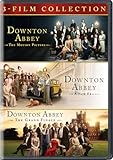
Downton Abbey: 3-Film Collection | $20.39 | Buy on Amazon |
| 2 |

|
Downton Abbey: The Grand Finale | $12.00 | Buy on Amazon |
| 3 |
![Downton Abbey: A New Era - Collector's Edition [DVD]](https://m.media-amazon.com/images/I/51Sr-FilmWL._SL160_.jpg)
|
Downton Abbey: A New Era - Collector's Edition [DVD] | $7.56 | Buy on Amazon |
| 4 |
![Downton Abbey 2-Film Collection [DVD]](https://m.media-amazon.com/images/I/51Hk1IEw87L._SL160_.jpg)
|
Downton Abbey 2-Film Collection [DVD] | $7.96 | Buy on Amazon |
| 5 |
![Downton Abbey: The Complete Series [DVD]](https://m.media-amazon.com/images/I/41Kq5XapFeL._SL160_.jpg)
|
Downton Abbey: The Complete Series [DVD] | $25.99 | Buy on Amazon |
For longtime fans, the film promises a graceful closing of arcs that have spanned more than a decade, blending the comfort of familiar rhythms with the weight of finality. Expect elegant callbacks, emotional reckonings, and one last gathering beneath the chandeliers of Highclere Castle. It’s not just another release date; it’s an invitation to say farewell properly, at home, with Downton Abbey exactly as it has always belonged.
Where This Film Fits in the Downton Timeline: From the Series Finale to the Last Big-Screen Chapter
Downton Abbey’s story has always been meticulously tethered to time, and this final film arrives as the natural endpoint of a journey that began with the series finale in 2015. That closing episode left the Crawley family poised on the edge of a changing world, with Lady Mary firmly in command of the estate and the household cautiously optimistic about the future. The films that followed were never about reopening old wounds, but about showing how these characters continued to adapt as history marched on.
#1 Best Overall
- Runtime: 371 minutes
Picking Up After the Series Finale
Set in the mid-1920s, the television finale closed one chapter while deliberately leaving room for more life beyond the frame. Julian Fellowes used that ending to signal stability rather than finality, suggesting Downton would endure even as traditions evolved. The films pick up from that promise, treating the finale as a foundation rather than a finish line.
The Films as Transitional Chapters
The first Downton Abbey film expanded the world with royal pageantry and a renewed sense of purpose for the estate, while A New Era pushed further into the late 1920s, embracing cultural shifts, romance, and the encroaching modern age. Together, those films functioned as bridges, showing Downton not frozen in time, but actively negotiating its place in a rapidly changing society. Each cinematic chapter moved the clock forward, both historically and emotionally.
The Final Film’s Place in the Saga
This last film sits at the far end of that progression, positioned as the culmination of everything the series and films have been building toward. Without anchoring itself to spectacle, it focuses on resolution: where these characters ultimately land after years of social upheaval, personal growth, and quiet resilience. It’s the point where Downton’s long narrative arc finally curves inward, offering closure that feels earned rather than abrupt.
In the broader timeline, the film functions less like an epilogue and more like a final chapter written with full awareness of what came before. It acknowledges the past, honors the transitions of the films, and allows the story to end on its own terms. For fans tracing Downton’s chronology from its television roots to this last big-screen moment, the placement feels deliberate, thoughtful, and deeply in keeping with the series’ sense of history.
Why This Is Truly the End: Creative Intent, Franchise Closure, and What Makes This Film Final
Unlike previous installments that left narrative doors ajar, this final Downton Abbey film arrives with a clear creative mandate: to conclude, not continue. Julian Fellowes has framed the story as a deliberate endpoint, crafted with the understanding that there would be no next chapter waiting in the wings. That intent shapes every choice, from character arcs to the film’s unhurried, reflective tone.
Julian Fellowes’ Decision to Close the Book
Fellowes has long spoken about respecting the natural lifespan of a story, and this film reflects that philosophy in full. Rather than chasing escalation or novelty, the script leans into resolution, allowing long-running relationships and personal journeys to settle where they belong. It’s storytelling driven less by plot mechanics and more by emotional completion.
That restraint is what separates this film from a franchise extension and positions it as a true finale. There’s an awareness throughout that Downton Abbey has said what it needed to say about class, change, and continuity. Continuing beyond this point would risk repetition rather than revelation.
A World That Has Caught Up With Its Characters
By the time this film unfolds, history has finally aligned with the characters’ internal journeys. The modern world is no longer a distant pressure but an accepted reality, and the Crawleys’ adaptation feels complete rather than ongoing. Downton itself no longer needs to prove its relevance; it has already evolved.
Quick wins for a faster PC:
Scan for outdated or missing drivers - takes under a minuteDriver Scan →Clear out junk files and repair common Windows errorsFree Scan →This alignment gives the film its sense of calm finality. Conflicts are quieter, resolutions more personal, and the drama comes from acceptance rather than resistance. It’s the feeling of a household at peace with its place in time.
No Setup, No Teasers, No Promises Beyond the Frame
One of the clearest signals that this is truly the end is what the film refuses to do. There are no dangling threads designed to spark speculation, no narrative handshakes with potential spin-offs, and no sense of “check back later.” The story ends where it ends, confident enough not to hedge.
Rank #2
- Runtime: 124 minutes
That confidence extends to the franchise’s move into its final viewing phase. With a streaming release date now set, the film transitions from theatrical event to lasting archive, becoming the definitive final chapter fans can revisit knowing nothing follows. It’s Downton Abbey preserved, complete and intact.
Closure as a Gift to the Audience
For longtime viewers, this film functions as a thank-you rather than a cliffhanger. It trusts the audience’s investment and rewards it with clarity, warmth, and a sense of narrative dignity. The goodbye is intentional, measured, and deeply in character with the series’ values.
In an era of endlessly extended IP, Downton Abbey choosing to stop is part of what makes its ending resonate. This film isn’t final because the franchise ran out of ideas; it’s final because it finished its story.
What Fans Can Expect from the Last Chapter: Storylines, Emotional Goodbyes, and Thematic Resolution
As the final Downton Abbey film arrives on streaming, it does so with a narrative confidence that comes from knowing exactly where it wants to land. This isn’t a story built around last-minute spectacle or dramatic reinvention. Instead, it focuses on the quiet satisfaction of seeing long-running lives settle into their rightful places.
The film treats its streaming debut less like a second act and more like an invitation to linger. Viewers can absorb the details, the performances, and the final conversations knowing this chapter was designed to be revisited, not rushed past.
Character Arcs That End Where They Began
Rather than introducing sweeping new conflicts, the story draws its power from revisiting the emotional journeys that defined the series. The Crawley family and their household staff face decisions that echo earlier seasons, but with the wisdom earned through years of change. The tension isn’t about survival anymore; it’s about stewardship, legacy, and letting go.
Do these 3 things before closing this tab:
1Clear out junk files and repair common Windows errors2Scan for outdated or missing drivers - takes under a minute3Repair Windows errors before they cause bigger problemsSeveral characters find closure through small, intimate moments rather than grand declarations. A look held a beat longer, a conversation that finally says what’s been left unsaid, or a choice that confirms growth without announcing it. For longtime fans, these moments feel deeply earned.
Goodbyes That Respect Time and Memory
The emotional goodbyes are measured, never indulgent. The film understands that Downton Abbey has always been about continuity as much as change, so farewells come with gratitude rather than grief. Even moments of loss are framed as part of a larger, ongoing human story.
Importantly, the film allows the audience to say goodbye alongside the characters. Scenes are given space to breathe, allowing nostalgia to surface naturally. It’s an approach that feels especially fitting as the film transitions to streaming, where viewers can pause, reflect, and return.
Themes of Legacy, Home, and Completion
Thematically, the final film reinforces what Downton Abbey has explored since its first episode: the idea that institutions endure only when they adapt, and that people matter more than titles. Home is no longer just a place to defend but a history to honor and eventually entrust to the future.
Free tools Windows power users keep installed
One-click scans. No signup required.
Rank #3
As the franchise settles into its final form on streaming, that thematic resolution feels complete. Downton Abbey ends not with uncertainty, but with assurance. The story closes having said exactly what it set out to say, leaving fans with a sense of peace that mirrors the world it leaves behind.
Returning Faces and Final Performances: The Cast Delivering Downton’s Curtain Call
One of the final film’s greatest pleasures is how fully it reunites the ensemble that made Downton Abbey a cultural institution. Nearly every familiar face returns, creating a sense of completeness that feels essential for a true farewell. Watching them step back into these roles is less about performance and more about presence, as if the characters never truly left.
The transition to streaming only heightens that intimacy. With the ability to revisit scenes at leisure, audiences can savor the nuances in performances that reflect more than a decade of shared history. It feels like a final gathering rather than a last call.
The Crawley Family’s Last Chapter
Hugh Bonneville’s Robert Crawley is quietly reflective this time, a man finally at ease with a world he once struggled to understand. Elizabeth McGovern brings warmth and emotional clarity to Cora, anchoring the family with calm authority rather than overt drama. Michelle Dockery’s Lady Mary, long defined by restraint, allows flickers of vulnerability to surface, suggesting a character who has learned when to hold on and when to step back.
Recommended Free Tools
Elsewhere among the Crawleys, Laura Carmichael and Allen Leech lend sincerity to Edith and Tom’s settled lives. Their arcs feel intentionally complete, offering reassurance that the next generation will carry Downton forward without erasing what came before.
The Heart of Downton Below Stairs
Downstairs, the emotional weight lands just as powerfully. Jim Carter’s Carson, now more observer than enforcer, embodies the passing of an era with quiet dignity. Phyllis Logan’s Mrs. Hughes remains the moral center of the household, her kindness underscoring how leadership evolves over time.
Lesley Nicol, Brendan Coyle, and Sophie McShera each bring subtle grace notes to their final turns. These are performances built on familiarity, where a raised eyebrow or half-smile conveys years of shared labor and loyalty.
Performances That Feel Like Farewells
What distinguishes this final film is how consciously the cast plays each moment as potentially the last. There’s a gentle deliberateness in the way scenes unfold, as if the actors themselves understand the significance of closure. No one is reaching for a show-stealing moment; instead, the ensemble moves as one.
What’s actually slowing this PC down?
Pick the symptom - the matching free tool is one click away.
As the film makes its way to streaming, those performances become something viewers can return to again and again. It’s not just about seeing beloved characters one last time, but about recognizing how fully the cast honors Downton Abbey’s legacy by knowing exactly when, and how, to let it rest.
From Theaters to Streaming: How and Where to Watch the Final Downton Abbey Film
After a measured theatrical run designed to give longtime fans one last shared big-screen experience, the final Downton Abbey film is officially heading to streaming. Focus Features has confirmed that the film will debut on Peacock in the U.S. on December 20, 2025, positioning it as a holiday-season event for subscribers ready to say goodbye from the comfort of home.
The move from cinemas to streaming feels less like a step down and more like an invitation. This is a story built for revisiting, where small gestures and quiet conversations often reveal more on a second or third viewing.
Streaming Home and International Availability
In the United States, Peacock remains the exclusive streaming home for the Downton Abbey films, following the franchise’s long-standing partnership with NBCUniversal. All previous entries are already available on the platform, making it easy for viewers to revisit the full journey before pressing play on the finale.
Internationally, release plans mirror past rollouts. The film is expected to arrive on Sky Cinema and NOW in the U.K., with additional availability through Prime Video and other regional platforms rolling out shortly thereafter. As with earlier installments, timing may vary slightly by territory, but the intention is clear: this farewell is meant to be widely accessible.
Why the Streaming Release Matters
Watching the final Downton Abbey film at home adds a different emotional texture than the theatrical experience. Without the scale of the cinema, the emphasis shifts even more strongly to performance, dialogue, and the accumulated history between characters. It becomes an intimate goodbye rather than a ceremonial one.
For a franchise that began on television and thrived on weekly rituals, ending its life cycle on streaming feels poetically appropriate. Downton Abbey returns to where it all started, inviting viewers to close the door on the estate at their own pace, in their own living rooms.
What Viewers Can Expect From This Last Chapter
This final film is not structured around shock or spectacle, and that remains true on streaming. Instead, it offers a reflective tone that rewards patience and familiarity, trusting that the audience understands the weight of what is being left unsaid.
PC Slower Than It Used to Be?
A free scan shows the junk files, broken settings and background clutter dragging Windows down - then fixes them in one click.Free scan · Windows 10 & 11Crashes, No Sound, or Screen Glitches?
Random freezes, missing sound and display glitches usually trace back to one bad driver. Find and replace yours safely.Free scan · under a minuteAs it becomes part of a streaming library rather than a limited theatrical event, the film stands as a permanent coda to the Downton Abbey story. It’s a farewell designed to be revisited, not rushed, allowing the legacy of the Crawleys and their household to linger long after the credits roll.
Independent reader supportYour contribution helps us test, update, and keep practical guides available for everyone.Why the Streaming Release Matters: Accessibility, Legacy Viewing, and Rewatch Culture
Accessibility Beyond the Theater Window
The streaming release ensures that the final Downton Abbey film reaches viewers who may have missed its theatrical run or simply prefer watching from home. For longtime fans, this removes barriers of timing, location, and ticket availability, turning the farewell into an experience that fits comfortably into everyday life. The confirmed streaming date gives audiences the freedom to plan their goodbye rather than rush toward it.
It also reinforces Downton Abbey’s identity as a series built for the home. What began as a weekly television ritual now concludes in the same space, completing a full-circle journey that feels both intentional and deeply earned.
A Permanent Place in the Franchise Legacy
Streaming transforms the final film from an event into a lasting chapter of the Downton Abbey canon. Once it joins the platform alongside the series and previous films, the entire saga becomes a continuous narrative, easily watched in order without interruption. That sense of permanence matters for a franchise defined by continuity, memory, and the passage of time.
Best Value
- Duration: 50.75 hours
- Soundtrack: English
- Widescreen
- Genre: Drama; TV Shows
For newer viewers discovering Downton Abbey for the first time, the ending will no longer feel distant or fragmented. The full story, from the pilot episode to the final farewell, exists together as a complete, accessible archive.
Designed for Rewatching, Not Just Closure
Downton Abbey has always thrived in rewatch culture, where small gestures, glances, and lines of dialogue gain new meaning over time. Streaming encourages that relationship, allowing fans to return to the final film not just for closure, but for comfort and reflection. The emotional beats are meant to be lived with, not consumed once and left behind.
In that way, the streaming release doesn’t signal an ending so much as a settling. The story may be complete, but its place in viewers’ lives remains open, ready to be revisited whenever the familiar pull of Downton Abbey calls them back.
Downton Abbey’s Enduring Legacy: What This Franchise Leaves Behind After Its Final Bow
As the final Downton Abbey film settles into its place on streaming, the franchise leaves behind more than a completed story. It departs as one of the most influential period dramas of the modern television era, a series that reshaped expectations for historical storytelling on the small screen and beyond. Few shows have balanced intimacy and scale so gracefully, turning domestic life into something genuinely cinematic.
Downton Abbey’s legacy is rooted in its emotional accessibility. While set against the rigid structures of early 20th-century Britain, its concerns were universal: family loyalty, social change, love, loss, and the fear of being left behind by time. That emotional clarity is what allowed the series to cross borders, generations, and viewing habits with rare consistency.
Characters That Became Cultural Touchstones
The Crawley family and the staff who lived and worked below stairs became more than fictional creations; they became companions to viewers over more than a decade. Characters like Lady Violet, Mr. Carson, Lady Mary, and Anna didn’t just drive plot, they embodied philosophies about tradition, progress, duty, and compassion. Their arcs unfolded slowly, allowing audiences to grow alongside them rather than simply observe them.
This patience in storytelling is increasingly rare, and it’s part of why the final film carries such emotional weight. Saying goodbye feels personal because the franchise invested time in letting viewers truly know its characters. The farewell isn’t rushed, and that restraint honors the bond Downton Abbey spent years building.
A Benchmark for Period Drama Storytelling
Downton Abbey also leaves behind a technical and creative standard that few period dramas have matched. From its meticulous production design to its richly textured costumes and restrained score, the series treated history with both reverence and warmth. It proved that historical accuracy and mass appeal were not opposing forces, but complementary ones.
Under Julian Fellowes’ guidance, the franchise maintained a clear authorial voice while adapting to changing formats, moving seamlessly from television to film without losing its identity. That consistency is part of why the final chapter feels earned rather than extended.
A Franchise That Knew When to Say Goodbye
Perhaps the most meaningful part of Downton Abbey’s legacy is that it chose to end deliberately. In an era where popular properties are often stretched indefinitely, this franchise opted for resolution. The final film doesn’t exist to reopen doors, but to close them gently, with gratitude for what came before.
Now preserved in full on streaming, Downton Abbey stands as a complete work, ready to be revisited, rediscovered, and shared. Its legacy isn’t defined by how long it lasted, but by how thoughtfully it concluded. For fans, that may be the greatest comfort of all: knowing that Downton Abbey didn’t fade away, but took a final bow worthy of its remarkable journey.
Quick Recap
Product prices and availability are accurate as of the date/time indicated and are subject to change. Any price and availability information displayed on Amazon at the time of purchase will apply.
Free tools Windows power users keep installed
One-click scans. No signup required.