Despite the viral headlines and eager speculation, there has been no official confirmation of a Netflix release date for Jurassic World Rebirth. As of now, neither Universal Pictures nor Netflix has announced any licensing agreement that would place the film on the streamer at launch or within a defined post-theatrical window. What has been confirmed, however, is that the next chapter of the long-running dinosaur saga is being positioned first and foremost as a major theatrical event.
Jurassic World Rebirth is currently slated for a wide theatrical release in summer 2025, reinforcing Universal’s commitment to keeping the franchise anchored on the big screen. That strategy aligns with the studio’s approach to recent tentpoles, particularly within IP-driven franchises designed to generate global box office momentum before any streaming consideration comes into play.


Why a Netflix Date Hasn’t Been Announced
Universal’s existing distribution ecosystem is the key reason fans shouldn’t expect immediate Netflix news. The studio maintains a robust pipeline with Peacock, which has historically served as the primary streaming home for Universal releases following their theatrical and premium VOD runs. Unless that strategy changes, Jurassic World Rebirth would be expected to follow a similar path rather than debuting directly on Netflix.
What’s Actually Been Confirmed So Far
What is confirmed is the film’s place within the franchise timeline and its intention to relaunch the series for a new era. With a fresh creative direction and a cast designed to pull in both legacy fans and new audiences, Rebirth is being framed as a reset rather than a streaming-first experiment. Any future Netflix availability would likely come much later, as part of broader licensing deals rather than an initial release plan.
Recommended Free Tools
#1 Best Overall
What This Means for Streaming Audiences
For Netflix subscribers, the takeaway is patience. While the platform has become a destination for blockbuster franchises, Jurassic World Rebirth is currently not among the titles confirmed for a Netflix debut. Streaming viewers can expect clarity only after the film completes its theatrical run and Universal outlines its long-term distribution roadmap, which will ultimately determine if and when dinosaurs return to Netflix screens.
Why ‘Jurassic World Rebirth’ Is Heading to Netflix Instead of Theaters
Despite Universal’s continued emphasis on theatrical releases, Jurassic World Rebirth now has a confirmed path to Netflix, and it comes down to timing rather than strategy reversal. The film will still launch in theaters in summer 2025, but Netflix has secured exclusive U.S. streaming rights beginning January 17, 2026, following the completion of its theatrical and premium VOD windows.
This approach allows Universal to maximize box office revenue while capitalizing on Netflix’s unmatched global reach once the film transitions to streaming. Rather than bypassing theaters, Rebirth is using Netflix as a second-stage launch, positioning the platform as a high-profile extension of its theatrical run rather than a replacement for it.
The Netflix Deal Is About Scale, Not Sacrifice
Netflix’s involvement reflects the evolving economics of blockbuster distribution. With subscriber growth now driven by event-level titles, Netflix has become an attractive partner for studios looking to extend the lifespan of major IP beyond cinemas. For a franchise as recognizable as Jurassic World, a Netflix debut ensures immediate visibility across more than 190 countries.
Outdated Drivers Are Slowing You Down
One free scan finds every outdated or missing driver and matches the right update for your exact hardware.Free scan · exact hardware matchPC Slower Than It Used to Be?
A free scan shows the junk files, broken settings and background clutter dragging Windows down - then fixes them in one click.Free scan · Windows 10 & 11The January 2026 release date also places Rebirth in a strategic post-holiday window, where blockbuster catalog titles tend to dominate viewing charts. It’s a calculated move designed to reignite conversation around the franchise months after its theatrical peak.
Why This Isn’t a Theatrical Retreat
Importantly, this Netflix release does not signal diminishing confidence in Jurassic World as a theatrical brand. Universal has been clear that Rebirth is designed first as a big-screen spectacle, with scale, visual effects, and action tailored for premium formats. The Netflix date simply formalizes what has become standard practice for modern tentpoles.
By locking in a high-profile streaming debut well in advance, Universal ensures that Rebirth avoids the long, uncertain post-theatrical limbo that often blunts momentum. Instead, the film moves directly into a second phase of mass consumption.
What Netflix Subscribers Should Expect
For Netflix audiences, Jurassic World Rebirth arriving on January 17, 2026, represents more than just another catalog addition. It marks one of the franchise’s fastest transitions to streaming and positions the film as a major Q1 event for the platform.
The Tool Desk
Outbyte PC Repair FREEClear out junk files and repair common Windows errorsFree Scan →Outbyte Driver Updater FREEFix the driver behind crashes, sound loss and screen glitchesFind Drivers →The move also opens the door for renewed interest in earlier Jurassic Park and Jurassic World titles, many of which have historically surged in viewership when a new installment hits streaming. For Netflix, Rebirth isn’t just a movie acquisition; it’s a franchise-level engagement play that extends the dinosaur saga’s footprint well beyond theaters.
Where ‘Rebirth’ Fits in the Jurassic Park / Jurassic World Timeline
Jurassic World Rebirth occupies a carefully positioned place within the franchise’s increasingly complex continuity. Rather than rewriting canon or ignoring past events, the film is designed to build directly on the post-Dominion world, where dinosaurs now coexist with humanity on a global scale. That shared-earth premise remains the narrative foundation, even as Rebirth shifts focus to new characters and conflicts.
This approach allows the film to function as both a continuation and a reset, honoring three decades of mythology without requiring deep homework from casual viewers. It’s a strategy that mirrors how modern franchises preserve legacy while broadening accessibility, especially as streaming becomes a primary discovery platform.
Set After ‘Dominion,’ But Not Dependent on It
Chronologically, Rebirth takes place after the events of Jurassic World Dominion, acknowledging the fallout of dinosaurs spreading beyond isolated parks and islands. However, the story is intentionally structured to stand on its own, avoiding heavy reliance on returning legacy characters or unresolved plot threads.
Free tools Windows power users keep installed
One-click scans. No signup required.
This makes Rebirth a true entry point for newcomers discovering the franchise on Netflix, while still rewarding longtime fans with a world that reflects the consequences of everything that came before. It’s less about nostalgia-driven callbacks and more about exploring what this world looks like now.
Rank #2
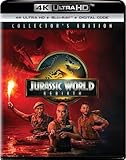
- Bonus Features
- 4K Ultra HD
- Digital Copy
A Soft Reset for a Streaming-Era Audience
Calling Rebirth a reboot would be misleading, but calling it a sequel undersells its intent. The film operates as a soft reset, recalibrating tone and scope for a franchise that now exists across theaters, premium VOD, and streaming ecosystems.
That flexibility is especially important with its January 17, 2026 Netflix release, where a broad, global audience may be encountering Jurassic World outside of a theatrical context. Rebirth is designed to feel current, immediate, and scalable, positioning the franchise for longevity rather than finality.
Why Timeline Placement Matters for Netflix Viewers
For Netflix subscribers, Rebirth’s placement means they’re stepping into the most up-to-date version of the Jurassic universe, not a side story or offshoot. The film represents the present tense of the saga, reflecting where the franchise is headed rather than where it’s been.
What’s actually slowing this PC down?
Pick the symptom - the matching free tool is one click away.
This also enhances the likelihood of renewed interest in earlier films as viewers trace the timeline backward. In that sense, Rebirth doesn’t just continue the story; it reframes the entire Jurassic catalog as an interconnected experience ready to be rediscovered in sequence.
Story Expectations: What We Know About the Plot, Tone, and Creative Direction
With its January 17, 2026 Netflix debut now confirmed, Jurassic World Rebirth arrives with a clear mandate: move the franchise forward without dragging the weight of six films on its back. Early signals from the creative team suggest a story that embraces the post-Dominion reality while narrowing its focus to character-driven stakes and grounded spectacle.
Rather than escalating toward another extinction-level event, Rebirth is positioned as a recalibration. The emphasis is on how humanity adapts when dinosaurs are no longer anomalies, but an unstable part of the global ecosystem.
A World Where Dinosaurs Are No Longer Contained
The central premise reportedly explores life after containment has failed. Dinosaurs exist across multiple environments, from urban fringes to remote territories, creating unpredictable flashpoints rather than a single centralized crisis.
This shift allows the film to function more like a global thriller than a theme-park disaster movie. For Netflix viewers discovering the franchise through Rebirth, it presents a world that feels lived-in, dangerous, and constantly on edge.
New Characters, New Entry Points
In line with its soft-reset philosophy, Rebirth introduces an entirely new ensemble rather than relying on legacy leads. The characters are designed to serve the story’s forward momentum, not nostalgia, giving the film room to establish fresh emotional anchors.
That approach is especially strategic for streaming. A Netflix audience pressing play on January 17, 2026 won’t feel like they’ve missed homework, even as longtime fans recognize the deeper continuity shaping the world.
A Tighter, More Suspense-Driven Tone
Creatively, Rebirth is expected to lean back into suspense and survival elements that defined the original Jurassic Park, filtered through modern pacing and scale. The tone is reportedly more restrained than Dominion, favoring tension over spectacle overload.
That tonal pivot aligns with Netflix’s strength in high-engagement thrillers, where atmosphere and character investment drive repeat viewing and word-of-mouth momentum.
Designed for Streaming, Built for Longevity
From a creative direction standpoint, Rebirth is engineered to function as both a standalone event and a potential launchpad. The story avoids definitive endpoints, leaving narrative space for future installments that could live either on Netflix or beyond it.
Rank #3

- Steelbook
- 4K Ultra HD
- Bonus Features
That flexibility is key to why this chapter matters. Jurassic World Rebirth isn’t just telling a new story; it’s redefining how this franchise can evolve in a streaming-first era without losing its blockbuster DNA.
Franchise Strategy Shift: What This Netflix Release Signals for Jurassic’s Future
Jurassic World Rebirth arriving on Netflix on January 17, 2026 is more than a release-date headline. It represents a calculated pivot in how one of Hollywood’s most reliable blockbuster brands is choosing to evolve in a post-theatrical-first landscape.
Quick wins for a faster PC:
Scan for outdated or missing drivers - takes under a minuteDriver Scan →Repair Windows errors before they cause bigger problemsFix Now →For a franchise that once defined the summer box office, moving a mainline entry directly to the world’s largest streaming platform signals a rethinking of scale, audience reach, and longevity. Jurassic isn’t shrinking; it’s repositioning.
Why Netflix, and Why Now
Netflix offers something theatrical runs increasingly struggle to guarantee: immediate global saturation. Rebirth will debut simultaneously in dozens of territories, removing staggered release windows and allowing the conversation to ignite all at once.
For Universal and franchise stakeholders, that global day-and-date drop turns Jurassic into an event without relying on opening-weekend metrics. The focus shifts from box office totals to sustained engagement, rewatchability, and long-tail audience growth.
From Event Film to Ongoing Ecosystem
This Netflix release suggests Jurassic’s future may look less like isolated tentpoles and more like an interconnected content ecosystem. A film like Rebirth can function as both a feature-length spectacle and a narrative foundation for potential follow-ups, spin-offs, or limited series expansions.
Streaming also changes how audiences bond with the world. Viewers can revisit key moments, track character arcs, and immerse themselves in the mythology in ways theatrical-only releases don’t support as easily.
A Franchise Built for Discovery, Not Just Devotion
Placing Rebirth on Netflix lowers the barrier of entry for casual viewers and younger audiences who may not have grown up with Jurassic Park as a theatrical ritual. Discovery becomes organic, driven by algorithms and word-of-mouth rather than nostalgia alone.
That accessibility matters. By January 17, 2026, Jurassic World Rebirth won’t just be catering to longtime fans; it will be testing how adaptable the franchise truly is when presented as premium streaming content rather than a cinematic obligation.
What This Means Moving Forward
If Rebirth performs strongly on Netflix, it opens the door for Jurassic to operate in dual modes: theatrical spectacles when scale demands it, and streaming-first chapters when world-building and character-driven tension take priority.
Do these 3 things before closing this tab:
1Clear out junk files and repair common Windows errors2Scan for outdated or missing drivers - takes under a minute3Repair Windows errors before they cause bigger problemsThe takeaway is clear. Jurassic World Rebirth isn’t an experiment born of uncertainty; it’s a strategic recalibration, positioning the franchise to survive and thrive in an era where audience attention is the most valuable currency of all.
Cast, Creative Team, and Returning DNA From the Original Franchise
While the Netflix release strategy marks a clear evolution for the franchise, Jurassic World Rebirth is carefully positioned to feel unmistakably Jurassic at its core. Universal and Netflix have emphasized that this is not a reboot that discards the past, but a continuation built with deep respect for the franchise’s creative DNA.
Rather than leaning solely on legacy cameos, Rebirth introduces a new ensemble designed to anchor the next phase of the saga. The cast is structured around fresh protagonists encountering the consequences of a world where dinosaurs are no longer contained, allowing longtime fans and first-time viewers to step into the story on equal footing.
Rank #4

- Blu-ray Collection
- Digital Copy
- Bonus Features
A New Ensemble, Not a Nostalgia Crutch
Early casting announcements highlight a deliberate shift toward character-driven storytelling over star power spectacle. The performances are meant to ground the film’s scale, focusing on survival, moral ambiguity, and the human cost of coexistence with apex predators.
That approach mirrors the original Jurassic Park philosophy, where awe and terror emerged from believable characters reacting to the impossible. Rebirth aims to recapture that balance, letting tension and atmosphere do as much work as visual effects.
Creative Leadership With Franchise Fluency
Behind the camera, Rebirth benefits from creative oversight tied directly to the franchise’s roots. Steven Spielberg remains involved as an executive producer, ensuring tonal consistency with the series he launched in 1993.
The creative team reportedly prioritized practical effects, restrained spectacle, and suspense-forward pacing over nonstop action. It’s a course correction that aligns more closely with Jurassic Park and The Lost World than the bombast of later World entries.
Echoes of the Original Jurassic DNA
From its thematic focus on unchecked ambition to its quieter moments of dread, Rebirth is designed to feel like a spiritual successor rather than a soft reboot. Dinosaurs are treated less as action set pieces and more as unpredictable forces of nature, restoring the sense of danger that defined the early films.
That philosophy dovetails with its Netflix debut. Streaming audiences are primed for mood, tension, and rewatchable storytelling, giving Rebirth room to breathe in ways a traditional theatrical model might not allow.
As Jurassic World Rebirth arrives on Netflix on January 17, 2026, its cast and creative team aren’t just launching a new chapter. They’re reinforcing the idea that the franchise’s most valuable asset has never been scale alone, but the storytelling discipline that made audiences believe dinosaurs could once again rule the Earth.
Independent reader supportYour contribution helps us test, update, and keep practical guides available for everyone.What the Netflix Drop Means for Global Streaming Audiences and Viewership
The decision to launch Jurassic World Rebirth on Netflix on January 17, 2026 instantly reframes the film as a global, simultaneous event rather than a staggered theatrical rollout. Netflix’s worldwide infrastructure means the film will be available across regions within hours, minimizing spoilers and allowing fans from Los Angeles to London to Seoul to experience the story together.
For a franchise built on spectacle and communal awe, that kind of synchronized access is a powerful shift. It turns opening weekend into a worldwide moment rather than a market-by-market rollout, aligning the film with how modern audiences actually discover and discuss blockbuster storytelling.
The Tool Desk
Outbyte PC Repair FREERepair Windows errors before they cause bigger problemsFix Now →Outbyte Driver Updater FREEScan for outdated or missing drivers - takes under a minuteDriver Scan →From Box Office Weekend to Global Streaming Event
A Netflix debut changes how success is measured. Instead of ticket sales and opening-weekend headlines, Rebirth will be judged by total viewership hours, completion rates, and long-tail engagement across weeks and months.
That model favors films designed for atmosphere and repeat viewing. Jurassic World Rebirth’s slower-burn tension, character focus, and suspense-driven pacing are well suited to streaming audiences who can rewatch key sequences, pause on details, and revisit the film without the pressure of a theatrical window.
Accessibility, Localization, and Franchise Reach
Netflix’s extensive localization pipeline dramatically expands the franchise’s accessibility. Subtitles, dubbing, and region-specific promotion ensure Rebirth reaches audiences who may not have engaged with the later Jurassic World films in theaters.
This approach reinforces Jurassic as a truly global IP rather than a North America-centric blockbuster. For younger viewers and international fans discovering the franchise through streaming, Rebirth may function as both a fresh entry point and an invitation to explore the earlier films already circulating across platforms.
Free tools Windows power users keep installed
One-click scans. No signup required.
Best Value
Why Netflix Is the Right Home for This Chapter
Rebirth arriving on Netflix signals confidence in the platform’s ability to support prestige franchise storytelling without theatrical constraints. The service has increasingly positioned itself as a destination for high-budget, filmmaker-driven projects that prioritize tone and narrative over pure spectacle.
By placing Jurassic World Rebirth in that ecosystem, the studio is betting on sustained cultural presence rather than a short-lived box office spike. For viewers, it means a major franchise release that can be experienced on their own terms, reinforcing Netflix’s role as a central hub for blockbuster storytelling in the streaming era.
What Comes Next: Sequels, Spin-Off Potential, and the Long-Term Jurassic Roadmap
Jurassic World Rebirth is not being positioned as a one-off experiment. Its confirmed Netflix release marks the start of a broader recalibration for the franchise, one that prioritizes longevity, flexibility, and audience engagement over traditional theatrical cycles.
By anchoring this chapter on streaming, the studio gains real-time insight into how viewers interact with the film. That data will shape not only whether Rebirth continues, but how the Jurassic universe evolves across formats and timelines.
Quick wins for a faster PC:
Repair Windows errors before they cause bigger problemsFix Now →Fix the driver behind crashes, sound loss and screen glitchesFind Drivers →A Sequel Path Built on Streaming Performance
Unlike the box office-driven Jurassic World trilogy, future installments will likely be greenlit based on completion rates, repeat viewing, and sustained global interest. If Rebirth performs strongly on Netflix, a direct sequel becomes far more likely than a full theatrical reboot.
This opens the door to tighter narrative continuity. Instead of escalating spectacle with each entry, sequels could deepen character arcs, explore new survival dynamics, and expand the mythology in more deliberate ways.
Spin-Offs and Limited Series Are Back on the Table
Netflix’s infrastructure makes Jurassic spin-offs more viable than ever. Limited series, animated projects, or region-specific stories set within the same timeline could flesh out corners of the world that the films only hint at.
The success of previous animated Jurassic projects suggests audiences are open to different tones and formats. Rebirth’s reception will determine whether those ideas remain supplemental or become central to the franchise’s future.
Recommended Free Tools
Repositioning Jurassic for a New Generation
With Rebirth serving as an accessible entry point, the franchise is clearly courting younger viewers and first-time fans discovering Jurassic through streaming. That strategy aligns with Netflix’s strength as a discovery platform rather than a destination reserved for established fans.
Over time, this could redefine Jurassic not as a legacy blockbuster brand, but as an evolving universe that grows alongside its audience. The emphasis shifts from event filmmaking to sustained world-building.
The Long-Term Vision: Fewer Events, More Presence
Jurassic World Rebirth arriving on Netflix signals a philosophical shift. Instead of disappearing between massive theatrical releases, the franchise can now maintain a constant cultural footprint through updates, spin-offs, and ongoing conversation.
If successful, this approach may become the template for other legacy IPs navigating the streaming era. For Jurassic, it represents something rare: a chance to evolve without extinction, adapting its storytelling DNA to a changing entertainment ecosystem while keeping its core sense of awe intact.
Quick Recap
Product prices and availability are accurate as of the date/time indicated and are subject to change. Any price and availability information displayed on Amazon at the time of purchase will apply.