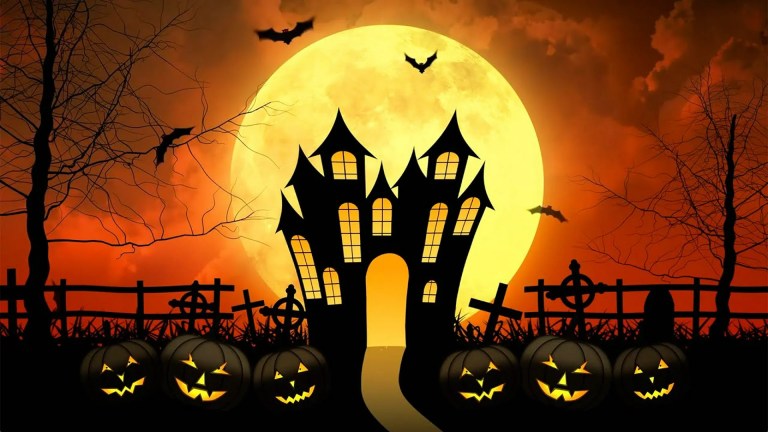
Ireland is generally considered Halloween’s birthplace because the holiday is closely associated with Samhain, a traditional Irish seasonal festival. Halloween is not simply ancient Samhain unchanged: its name reflects the Christian calendar, and familiar customs developed over time.
Why Ireland is considered Halloween’s birthplace
The country-level answer is Ireland. The National Museum of Ireland describes Samhain as a major seasonal observance in Irish tradition, while Tourism Ireland calls Ireland the birthplace of Halloween and connects the holiday to Samhain.


That answer refers to Halloween’s traditional roots, not to a single documented moment when the modern holiday was invented. Tourism Ireland says Ireland has celebrated Halloween for “over 2,000 years”; this is the tourism body’s broad historical claim, not a precise archaeological measurement.
How Samhain and Halloween are connected
Samhain marked the start of winter
The National Museum of Ireland describes Samhain as the first day of winter in the traditional Irish calendar, marked on 1 November. Celebrations mainly took place the preceding evening, known as Oíche Shamhna—Halloween. The season’s shift was associated with harvest and preparations for winter.
What’s actually slowing this PC down?
Pick the symptom - the matching free tool is one click away.
#1 Best Overall
The name reflects the Christian calendar
“Halloween” is linked to Hallowe’en, the evening before the Feast of All Saints. The holiday therefore carries both seasonal traditions associated with Samhain and a name shaped by the Christian calendar. That layered history is a more accurate explanation than saying modern Halloween is identical to an ancient festival.
What Irish Halloween customs involved
The National Museum of Ireland’s account describes a mix of communal celebration and protective customs. Practices included feasting on fruit and nuts, games involving marriage divination, masked visiting, and efforts to protect households. Beliefs about spirits and the dead also formed part of the traditional observance.
Clodagh Doyle, Keeper of the National Folklife Collection at the National Museum of Ireland, has said: “Halloween is one of the few festivals of the calendar year that is still practiced in much the same way as it was for generations. Before electricity, the countryside was a very dark place, adding to the scariness of the festival.”
How Irish customs spread and changed
The National Museum describes carved turnips as traditional Irish lanterns; pumpkins became a familiar alternative in the United States. Tourism Ireland connects the transformation and spread of Halloween customs in the U.S. with Irish migration there during the 19th century. These accounts support a story of customs changing as they traveled, rather than a claim that one person invented today’s Halloween.
The Tool Desk
Outbyte PC Repair FREERepair Windows errors before they cause bigger problemsFix Now →Outbyte Driver Updater FREEFix the driver behind crashes, sound loss and screen glitchesFind Drivers →What can be said confidently about Halloween’s origins?
- Ireland is the conventional birthplace answer because of Halloween’s close connection to Irish Samhain traditions.
- The holiday has layered roots: a seasonal observance associated with Samhain and a name tied to the Christian Feast of All Saints.
- Modern customs evolved. The Irish turnip lantern and its American pumpkin counterpart illustrate how practices changed across places and generations.
Accounts of ancient Samhain are limited, so it is not possible to establish that every present-day Halloween custom descends directly from a particular ancient rite. Time’s historical discussion underscores the limits of what is known about the festival’s earliest details: Time’s account of Halloween and Samhain.
Quick Recap
Best Value
Product prices and availability are accurate as of the date/time indicated and are subject to change. Any price and availability information displayed on Amazon at the time of purchase will apply.