Free tools Windows power users keep installed
One-click scans. No signup required.
For fans tracking every signal from Gotham, the fear that The Batman Part II might quietly disappear didn’t come from a single delay, but from a growing stack of industry warning signs. What began as a prestige sequel with an early greenlight gradually slipped into uncertainty, raising questions about whether Matt Reeves’ grounded Batman saga still had a secure place at Warner Bros. The concern intensified as the studio entered one of the most turbulent restructuring periods in its modern history.
The anxiety wasn’t helped by how long the sequel has remained in development without cameras rolling. In an era where superhero follow-ups often move swiftly to maintain momentum, The Batman Part II has endured repeated date changes, shifting priorities at DC, and long stretches of silence. For fans, that combination has historically been the prelude to projects being reworked, absorbed into larger franchises, or quietly shelved.
| # | Preview | Product | Price | |
|---|---|---|---|---|
| 1 |

|
Batman, The (Blu-ray) | $13.88 | Buy on Amazon |
| 2 |

|
The Batman: The Complete Series (2004) (Blu-ray) | $29.99 | Buy on Amazon |
| 3 |
|
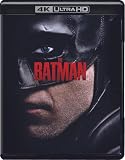
Batman, The (4K Ultra HD + Blu-ray) | $17.63 | Buy on Amazon |
| 4 |

|
Batman Beyond: The Complete Series (Blu-ray) | $18.49 | Buy on Amazon |
| 5 |

|
Batman 80th Anniversary Collection (Blu-ray) | $39.99 | Buy on Amazon |
Complicating matters further was the broader context surrounding DC Studios itself. As James Gunn and Peter Safran took control of the DC slate, every pre-existing project faced renewed scrutiny, fueling speculation that Reeves’ Batman could be sidelined in favor of a unified cinematic reboot. That perception, fair or not, became the foundation for widespread cancellation fears.
March 2022 – A Fast Greenlight Sets Expectations
Warner Bros. announced The Batman Part II shortly after the first film’s strong box office and critical reception, positioning it as a cornerstone sequel rather than a question mark. At the time, the studio confirmed Matt Reeves’ return as writer-director, with Robert Pattinson set to continue as Bruce Wayne. The initial release window suggested a relatively standard development cycle for a major franchise film.
#1 Best Overall
2023 – The DC Reset Changes the Conversation
The formation of DC Studios under new leadership marked a philosophical shift for the brand, emphasizing long-term planning and interconnected storytelling. Although Reeves’ Batman was labeled an “Elseworlds” project, fans worried that anything outside the new core continuity was more vulnerable to cancellation. The lack of concrete updates during this transition only amplified uncertainty.
2023–2024 – Strikes and Script Delays Stall Momentum
The WGA and SAG-AFTRA strikes halted progress across Hollywood, and The Batman Part II was no exception. Reeves has been candid about taking additional time to refine the script, but extended development without production milestones often triggers concern among audiences. Combined with Pattinson’s packed schedule and shifting studio calendars, the sequel’s timeline began to feel increasingly fluid.
Repeated Release Date Changes Fuel Doubt
Warner Bros. quietly pushed the film’s release further down the calendar more than once, each move reigniting online speculation. For fans accustomed to seeing DC projects retooled or abandoned mid-development, those changes carried historical baggage. By the time months passed without firm production updates, the question wasn’t just when The Batman Part II would arrive, but whether it was still fully on track at all.
The Official Word from Warner Bros. and DC Studios: Has The Batman Part II Been Canceled?
The short, definitive answer from Warner Bros. and DC Studios is no. The Batman Part II has not been canceled, shelved, or quietly phased out of the studio’s plans. Despite the prolonged silence and shifting dates, the sequel remains an active project in development under Matt Reeves.
Multiple studio representatives have reiterated that Reeves’ Gotham-set universe is proceeding as intended, just on a longer timetable than initially expected. Internally, the film has consistently been described as delayed, not discarded.
What Warner Bros. and DC Studios Have Publicly Confirmed
DC Studios leadership has repeatedly emphasized that The Batman exists as a standalone “Elseworlds” franchise, separate from the main DC Universe but fully supported by the studio. That distinction is crucial, as it insulates Reeves’ films from the creative resets affecting Superman, Batman, and other core DCU characters.
James Gunn and Peter Safran have both addressed fan concerns directly, stating that Reeves is taking the time he needs to finish the script and that the studio is aligned with that approach. Warner Bros. has echoed this stance through release calendar updates, continuing to list the film rather than removing it from the slate, a key industry signal that development is ongoing.
Why the Delays Don’t Equal Cancellation
From a studio development perspective, The Batman Part II’s delays are explainable rather than alarming. The dual industry strikes froze writing and casting across Hollywood, and Reeves’ insistence on completing a polished screenplay before cameras roll has extended pre-production further than a typical sequel cycle.
Warner Bros. has framed the delays as a quality-control decision rather than a loss of confidence. The studio views the first film as a long-term asset, both creatively and commercially, making patience preferable to rushing a follow-up that could dilute the brand.
What This Means for the Film’s Production Timeline
As of now, The Batman Part II remains scheduled for a later theatrical release, with production expected to begin once Reeves’ script is finalized and key cast availability aligns. The continued presence of Robert Pattinson in studio planning further reinforces that this is a pause, not a pivot away from the project.
In practical terms, fans should expect fewer incremental updates until the script is locked and cameras are ready to roll. Warner Bros. appears content to let Reeves operate on his own timeline, signaling that the studio’s confidence in this darker, grounded Batman universe remains firmly intact.
What Caused the Delays? Inside Matt Reeves’ Development Process and Studio Strategy
While release date shifts often trigger cancellation fears, The Batman Part II’s extended timeline is rooted in a deliberate creative and corporate approach rather than instability. At its core, the delay reflects Matt Reeves’ methodical development style and Warner Bros.’ decision to protect one of its most critically successful DC properties.
Recommended Free Tools
Rank #2
- Demon Slayer: Kimetsu No Yaiba - 4
- Demon Slayer: Kimetsu No Yaiba - 4
- Demon Slayer: Kimetsu No Yaiba - 4
- Demon Slayer: Kimetsu No Yaiba - 4
- Demon Slayer: Kimetsu No Yaiba - 4
Matt Reeves’ Script-First Philosophy
Reeves has consistently prioritized story over speed, treating The Batman less like a traditional franchise engine and more like a prestige crime saga. Unlike many blockbuster sequels that enter pre-production with evolving scripts, Reeves has insisted on completing a fully realized screenplay before locking in production dates.
That approach naturally slows the process, especially for a sequel expected to deepen Gotham’s mythology rather than simply escalate spectacle. Studio sources have indicated that Reeves is carefully mapping character arcs and thematic continuity, ensuring the sequel justifies its existence creatively rather than functioning as a routine follow-up.
The Ripple Effects of the Industry Strikes
The 2023 writers’ and actors’ strikes played a significant role in stretching the timeline. Even projects already in development were effectively frozen, halting revisions, casting discussions, and logistical planning across the industry.
For The Batman Part II, the timing was particularly disruptive. Reeves was deep in the writing phase when the strikes began, and Warner Bros. opted not to rush or workaround the process, choosing instead to resume only once conditions allowed for full creative collaboration again.
Crashes, No Sound, or Screen Glitches?
Random freezes, missing sound and display glitches usually trace back to one bad driver. Find and replace yours safely.Free scan · under a minutePC Slower Than It Used to Be?
A free scan shows the junk files, broken settings and background clutter dragging Windows down - then fixes them in one click.Free scan · Windows 10 & 11DC Studios’ Restructuring and the Elseworlds Buffer
Another factor often misunderstood by fans is the broader DC Studios overhaul under James Gunn and Peter Safran. While the main DC Universe underwent extensive reevaluation, Reeves’ Batman was intentionally walled off as an Elseworlds project, shielding it from reboots and continuity pressures.
That separation removed urgency but added stability. Without the need to sync with a larger shared universe, Reeves was given freedom to operate on his own schedule, and Warner Bros. had no incentive to force alignment with DCU milestones.
A Long-Term Asset, Not a Rushed Sequel
From a studio strategy standpoint, Warner Bros. views The Batman as a durable franchise with longevity beyond a single sequel. The success of The Penguin spinoff further reinforced confidence in Reeves’ Gotham, encouraging a patient, ecosystem-building approach rather than a rapid sequel rollout.
Internally, the delays are framed as protective, not problematic. By allowing Reeves the time to refine the story and maintain tonal consistency, the studio is signaling that The Batman Part II is being positioned as an event film, not a placeholder on the release calendar.
What’s actually slowing this PC down?
Pick the symptom - the matching free tool is one click away.
How James Gunn’s DC Universe Reset Affects — and Doesn’t Affect — The Batman Part II
The most persistent concern surrounding The Batman Part II has been whether James Gunn’s DC Universe reboot quietly sidelined, or outright canceled, Matt Reeves’ sequel. Warner Bros. has been unambiguous on this point: the film is not canceled, and it remains an active priority within the studio’s release strategy.
What changed under Gunn and Safran was not the fate of Reeves’ Batman, but the framework around it. Their DCU reset was designed to create a cohesive long-term narrative for core franchises, while allowing proven standalone visions to continue without interference.
The Elseworlds Label Is a Feature, Not a Warning Sign
Reeves’ Batman officially exists under the DC Studios “Elseworlds” banner, a designation Gunn himself has repeatedly clarified as intentional insulation rather than creative exile. The label ensures that The Batman Part II does not need to pivot tone, casting, or story direction to fit a shared universe timeline.
This separation actually reduced pressure on the sequel. Without the obligation to introduce future heroes, tease crossover events, or align with DCU Phase One milestones, Reeves can focus entirely on Gotham, Bruce Wayne’s evolution, and the grounded noir identity established in the first film.
What Warner Bros. and James Gunn Have Actually Said
Public statements from Gunn have consistently reinforced stability rather than uncertainty. He has described Reeves as delivering scripts on his own timeline and has framed patience as a creative asset, not a scheduling problem. Warner Bros., for its part, continues to list The Batman Part II as part of its future theatrical slate, even as dates shift.
Rank #3
Crucially, no official communication has ever suggested the project is in jeopardy. Delays have been attributed to writing timelines, strike interruptions, and quality control, not internal disagreement or strategic deprioritization.
Parallel Batmen, Parallel Strategies
The existence of a separate DCU Batman has fueled speculation, but internally, Warner Bros. views the dual-track approach as complementary rather than competitive. Reeves’ Batman serves a prestige, filmmaker-driven audience, while the DCU iteration is being built for interconnected franchise storytelling.
That distinction allows both versions to coexist without cannibalizing momentum. The Batman Part II is not waiting on DCU developments, nor is it being reshaped by them, reinforcing that its delays are logistical and creative, not existential.
Quick wins for a faster PC:
Clear out junk files and repair common Windows errorsFree Scan →Scan for outdated or missing drivers - takes under a minuteDriver Scan →What This Means for the Road Ahead
The DC Universe reset ultimately grants Reeves more autonomy, not less. With Gunn managing the macro strategy and Reeves focused on his microcosm, The Batman Part II benefits from a rare clarity of purpose in a studio landscape often defined by course correction.
Rather than signaling trouble, the prolonged development reflects Warner Bros.’ willingness to let two Batman visions thrive on different creative timelines. For fans worried about cancellation, the message from both the studio and DC Studios leadership has been consistent: The Batman Part II is moving forward, just deliberately.
Robert Pattinson, Matt Reeves, and Key Talent: Where Things Stand Behind the Scenes
One of the most persistent concerns surrounding The Batman Part II has been whether its core creative team remains fully committed. Behind the scenes, the answer remains consistent and reassuring: the principal players are still aligned, engaged, and waiting on the same creative milestone—Matt Reeves’ finished script.
Robert Pattinson’s Commitment Has Not Wavered
Robert Pattinson remains firmly attached to return as Bruce Wayne, with no indication from Warner Bros. or his representatives that his involvement is in question. While Pattinson’s schedule has grown increasingly busy, including high-profile studio and auteur-driven projects, insiders stress that availability has never been the root cause of the sequel’s delays.
Instead, Pattinson has consistently framed his return as contingent on the strength of the material. That approach mirrors the studio’s stance: the film moves when the script is right, not when a calendar demands it.
Matt Reeves Is Still Driving the Creative Timeline
Reeves continues to serve as writer, director, and architect of this Batman universe, and Warner Bros. has shown no signs of rushing or sidelining him. Development slowed significantly during the writers’ strike, and sources close to the production emphasize that Reeves resumed work at his own deliberate pace once restrictions lifted.
James Gunn has publicly acknowledged this hands-off approach, describing Reeves as someone who delivers when the story is ready. That creative insulation is intentional, especially given the critical success and cultural impact of the first film.
The Supporting Creative Team Remains Intact
Key collaborators from The Batman are expected to return, including cinematographer Greig Fraser, whose visual language defined the franchise’s noir tone. While final contracts are typically completed once a script locks and production dates solidify, there has been no meaningful turnover or behind-the-scenes shakeup reported.
The Tool Desk
Outbyte PC Repair FREEClear out junk files and repair common Windows errorsFree Scan →Outbyte Driver Updater FREEFix the driver behind crashes, sound loss and screen glitchesFind Drivers →This continuity underscores that The Batman Part II is being treated as an extension of a carefully curated creative vision, not a project undergoing reinvention or internal conflict.
Rank #4
- Demon Slayer: Kimetsu No Yaiba - 4
- Demon Slayer: Kimetsu No Yaiba - 4
- Demon Slayer: Kimetsu No Yaiba - 4
- Demon Slayer: Kimetsu No Yaiba - 4
- Demon Slayer: Kimetsu No Yaiba - 4
Why This Matters for the Production Timeline
The emphasis on script-first development means production will not officially ramp up until Reeves completes the screenplay and Pattinson formally commits dates. While that has extended the wait, it also signals confidence rather than instability.
From Warner Bros.’ perspective, maintaining creative continuity with Reeves and Pattinson is essential to preserving the identity of this Batman universe. The delays, while frustrating for fans, reflect patience and long-term planning—not a loss of momentum or faith in the project.
The Current Production and Release Timeline: What Warner Bros. Is Now Targeting
With speculation swirling after multiple date shifts, Warner Bros. has been clear on one point: The Batman Part II has not been canceled. Instead, the studio has recalibrated its expectations around a longer, more deliberate runway that aligns with Matt Reeves’ creative process and the realities of modern franchise production.
Do these 3 things before closing this tab:
1Scan for outdated or missing drivers - takes under a minute2Repair Windows errors before they cause bigger problems3Fix the driver behind crashes, sound loss and screen glitchesThe Official Release Target on the Books
As of its most recent scheduling update, Warner Bros. is targeting an October 2026 theatrical release for The Batman Part II. That date reflects a move away from the previously announced 2025 window, acknowledging both the impact of the industry strikes and the extended development timeline of Reeves’ screenplay.
Studio leadership has treated the date as a placeholder rather than a pressure point. Internally, the emphasis is on hitting that window only if the film is fully ready, rather than forcing production to meet an arbitrary calendar slot.
When Production Is Expected to Begin
While cameras are not yet rolling, the current expectation is that principal photography would begin sometime in 2025, assuming the script is finalized and Robert Pattinson’s schedule locks in. Pre-production elements, including design work and location planning, are believed to be progressing in parallel, even as Reeves continues to refine the story.
This approach allows Warner Bros. to avoid a hard start-stop cycle. By staging prep work carefully, the studio can move efficiently once Reeves formally delivers the screenplay.
Why the Delays Don’t Signal Trouble
Warner Bros. has framed the delays as a byproduct of intentional development rather than uncertainty or internal disagreement. Executives have consistently pointed to the first film’s critical acclaim and box office strength as justification for giving Reeves the time he needs to get the sequel right.
Importantly, there has been no indication of budget pullbacks, creative restructuring, or franchise downgrading. The film remains positioned as a flagship release, not a project quietly drifting toward limbo.
How The Batman Part II Fits Within DC Studios’ Broader Plans
Under the DC Studios banner led by James Gunn and Peter Safran, The Batman Part II occupies a clearly defined lane as an Elseworlds project. That distinction has insulated it from the reboot-driven urgency surrounding the new DCU, allowing Reeves’ Gotham to evolve on its own timeline.
For Warner Bros., this separation reduces risk. It ensures the sequel can arrive when it is strongest, without being forced to synchronize with a broader universe reset or compromise the tone that made The Batman resonate so strongly with audiences.
Crashes, No Sound, or Screen Glitches?
Random freezes, missing sound and display glitches usually trace back to one bad driver. Find and replace yours safely.Free scan · under a minuteWindows Errors? Fix Them Before They Spread
Repair common Windows errors and clear accumulated junk for a smoother, more stable PC - no reinstall needed.Free scan · no reinstallThe Bigger Picture: The Future of Matt Reeves’ Batman Universe at Warner Bros.
At a time when franchise instability has become the norm, Matt Reeves’ Batman universe remains one of Warner Bros.’ most carefully protected assets. The studio has been clear that The Batman Part II is not only active, but central to a long-term creative vision that extends beyond a single sequel. Delays, in this context, are about preservation, not hesitation.
This is not a case of Warner Bros. quietly backing away from the project. On the contrary, leadership has repeatedly emphasized that Reeves’ Gotham is one of the few modern DC interpretations to achieve both critical credibility and commercial success without creative compromise.
Best Value
An Elseworlds Strategy Built for Longevity
Positioned firmly within DC Studios’ Elseworlds banner, Reeves’ Batman exists outside the continuity pressures of the new DCU. That insulation gives Warner Bros. flexibility, allowing the films and spinoffs to develop at a filmmaker-driven pace rather than racing to meet shared-universe milestones.
James Gunn and Peter Safran have consistently framed this separation as intentional. Rather than folding Reeves’ grounded noir vision into a larger reboot, the studio has opted to let it stand as a parallel pillar, one that appeals to audiences seeking a darker, more self-contained take on Gotham.
Free tools Windows power users keep installed
One-click scans. No signup required.
Beyond the Sequel: Expanding Gotham Carefully
The success of The Penguin series on HBO has reinforced Warner Bros.’ confidence in Reeves’ world as a sustainable ecosystem. These extensions are designed to deepen the mythology without overwhelming the core films, keeping Batman himself at the center of the cinematic experience.
Crucially, the studio has avoided over-announcing future projects tied to this universe. That restraint signals a lesson learned from past DC missteps: expansion will be deliberate, story-driven, and dependent on Reeves’ creative approval rather than corporate mandate.
What This Means for The Batman Part II and Beyond
Warner Bros.’ messaging has been consistent: The Batman Part II has not been canceled, deprioritized, or creatively sidelined. The delays reflect a willingness to wait for the right script, the right production window, and the right moment to re-enter Gotham.
For fans, that means patience is being traded for stability. Reeves’ Batman is not being rushed, reshaped, or absorbed into a larger reboot. Instead, it remains one of the few DC properties moving forward with clarity, purpose, and long-term confidence from the studio that launched it.
Bottom Line for Fans: What This Update Really Means for The Batman Part II’s Survival
No, The Batman Part II Has Not Been Canceled
Despite online speculation fueled by shifting dates and long gaps between updates, Warner Bros. has been unambiguous on the core question: The Batman Part II is still alive and in active development. Studio leadership has repeatedly reaffirmed Matt Reeves’ sequel as a priority Elseworlds project, not a casualty of DC’s broader restructuring.
In Hollywood terms, silence paired with reaffirmation is often more telling than flashy announcements. Projects that are truly in trouble tend to disappear quietly from schedules and executive talking points. Reeves’ Batman has done neither.
Why the Delays Happened, Plain and Simple
The primary driver behind the delays has been script development, not budget concerns, cast availability, or a loss of studio confidence. Reeves is known for meticulous world-building and layered character work, and Warner Bros. has allowed that process to run its course rather than forcing a premature production start.
Compounding that timeline were industry-wide disruptions, including labor strikes and shifting theatrical calendars, which affected nearly every major studio franchise. In this case, the delays reflect caution and quality control, not instability.
What the Current Outlook Suggests About the Timeline
While Warner Bros. has not locked in a final release date, all indicators point toward a deliberate march toward production rather than a stalled project. The studio’s continued investment in Gotham-based spinoffs, paired with consistent executive support, suggests The Batman Part II is being positioned as an event sequel, not a rushed follow-up.
Importantly, Reeves’ universe is not competing with the DCU for narrative space. That separation removes pressure to synchronize timelines and allows the sequel to arrive when it is ready, not when a corporate calendar demands it.
The Real Takeaway for Fans Watching Closely
For audiences worried about déjà vu from past DC false starts, this situation is fundamentally different. Warner Bros. is signaling restraint, patience, and creative trust, three qualities historically absent from the studio’s most troubled eras.
The Batman Part II isn’t surviving in spite of the delays. It’s surviving because of them. And in an industry where rushed sequels often undermine their own legacies, that may be the strongest confirmation fans could hope for that Gotham’s next chapter is still very much coming.
Quick Recap
Product prices and availability are accurate as of the date/time indicated and are subject to change. Any price and availability information displayed on Amazon at the time of purchase will apply.

