What’s actually slowing this PC down?
Pick the symptom - the matching free tool is one click away.
The engines have officially gone quiet—for now. Twisted Metal Season 2 has wrapped filming, with the Peacock series confirming production is complete after months of high-octane shoots that promise to push the adaptation far beyond its already chaotic debut. For a show that surprised skeptics by leaning hard into character, comedy, and carnage, crossing the finish line on Season 2 signals a confident escalation rather than a victory lap.
The creative team has been clear that “bigger” isn’t just marketing shorthand this time around. Season 2 is expected to expand the scope of the wasteland, widen the roster of familiar faces from the games, and lean further into the mythos that Season 1 only teased—most notably the larger, more organized chaos fans associate with the Twisted Metal tournament itself. More locations, more vehicles, and more elaborate stunts were reportedly part of the production push, suggesting a season designed to feel less like a road trip and more like an all-out demolition derby.
That ambition also reflects Peacock’s confidence in the series as a flagship genre offering. By wrapping filming without major delays and doubling down on scale, Twisted Metal Season 2 is positioning itself as a louder, meaner, and more fan-forward evolution—one that aims to reward longtime players while giving newcomers even more reasons to buckle up for what comes next.
What ‘Even Bigger’ Really Means: Scale, Spectacle, and Carnage Compared to Season 1
If Season 1 was about proving Twisted Metal could work as a live-action series, Season 2 is about letting it off the leash. The show’s creative team has repeatedly framed the new episodes as a true escalation, not just in volume but in intent. That means fewer limitations, more moving parts, and a version of the apocalypse that finally feels as unhinged as the games that inspired it.
#1 Best Overall

- TRIFORCE TITANIUM 50 MM DRIVERS — Our cutting-edge proprietary design divides the driver into 3 parts for the individual tuning of highs, mids, and lows—producing brighter, clearer audio with richer highs and more powerful lows
- HYPERCLEAR CARDIOID MIC — An improved pickup pattern ensures more voice and less noise as it tapers off towards the mic’s back and sides, with the sweet spot easily placed at the mouth because of the mic’s bendable design
- ADVANCED PASSIVE NOISE CANCELLATION — Sturdy closed earcups fully cover the ears to prevent noise from leaking into the headset, with its cushions providing a closer seal for more sound isolation
- LIGHTWEIGHT DESIGN WITH MEMORY FOAM EAR CUSHIONS — At just 240 g, the headset features thicker headband padding and memory foam ear cushions with leatherette to keep gaming in peak form during grueling tournaments and training sessions
- WORKS WITH WINDOWS SONIC — Make the most of the headset’s powerful drivers by pairing it with lifelike surround sound that places audio with pinpoint accuracy, heightening in-game awareness and immersion
A Wider Wasteland, Not Just a Longer Road
Season 1 largely unfolded as a brutal road trip, hopping between contained locations and self-contained encounters. Season 2 reportedly expands the map, introducing more distinct regions of the wasteland with their own rules, factions, and visual identities. This broader geography gives the story room to breathe while also setting up larger conflicts that can’t be resolved with a single chase or shootout.
The shift also helps the series feel less episodic and more event-driven. Instead of surviving one dangerous stop at a time, the characters are moving toward something bigger and more organized.
Leaning Into the Tournament DNA
One of the biggest promises of “even bigger” is a deeper embrace of the Twisted Metal tournament mythology. Season 1 teased the idea of structured chaos, but Season 2 is expected to bring that concept into sharper focus. That means more competitors, clearer stakes, and a sense that these violent encounters are part of a larger, twisted system rather than random acts of mayhem.
For longtime fans of the games, this is a crucial evolution. The show appears ready to move from inspiration to adaptation, finally delivering the competitive insanity that defines the franchise.
Free tools Windows power users keep installed
One-click scans. No signup required.
Bigger Action Means Louder, Messier Set Pieces
From a production standpoint, Season 2 reportedly upped the ante with more vehicles, more elaborate stunt work, and larger-scale destruction. Where Season 1 balanced practical action with restraint, the new season sounds designed to overwhelm, stacking crashes, explosions, and gunfire into extended sequences rather than quick bursts. The result should feel closer to a demolition derby than a series of skirmishes.
That escalation isn’t just about spectacle for its own sake. Bigger action allows the show to externalize character conflicts, using chaos and carnage to push arcs forward instead of pausing them.
More Faces, More Metal, More Personality
An expanded scope also opens the door for a wider cast of characters and vehicles drawn from the games’ deep bench. Season 2 is expected to introduce more drivers with distinct looks, fighting styles, and twisted motivations, making the wasteland feel crowded in the best possible way. Each new arrival adds texture, rivalry, and unpredictability.
This influx of personalities should help the series avoid repetition. With more players on the board, alliances can shift, vendettas can escalate, and no confrontation has to play out the same way twice.
Quick wins for a faster PC:
Repair Windows errors before they cause bigger problemsFix Now →Fix the driver behind crashes, sound loss and screen glitchesFind Drivers →Production Confidence on Display
Perhaps the most telling part of Season 2’s “bigger” promise is how confidently it’s being discussed now that filming has wrapped. The language coming out of the production suggests a team that knows what worked, knows what fans responded to, and wasn’t afraid to push harder the second time around. Bigger, in this case, isn’t just about scale—it’s about commitment.
Season 2 is shaping up to feel less like an experiment and more like a statement. Twisted Metal isn’t just surviving the wasteland anymore; it’s building one designed to leave a mark.
From Road Trip to Tournament: How Season 2 Expands the Core Twisted Metal Mythology
Season 1 of Twisted Metal functioned as a brutal road trip, using John Doe and Quiet’s cross-country journey to introduce the tone, humor, and fractured world of the wasteland. It was deliberately intimate, focused on survival, character chemistry, and small-scale power structures. That approach made the world feel dangerous and unpredictable, but it also held back the franchise’s most iconic element: the tournament itself.
Season 2 is where the series fully embraces its namesake. With filming now wrapped, all signs point to the story pivoting from scattered chaos to organized madness, finally placing the characters inside the twisted competition fans have been waiting for.
The Tournament Finally Takes Center Stage
The Twisted Metal games have always revolved around one central promise: enter Calypso’s contest, destroy the competition, and earn a wish at a terrible cost. Season 1 teased that mythology, but Season 2 appears ready to make it the engine of the narrative. Rather than characters stumbling into conflicts, the tournament structure gives the violence purpose and direction.
This shift instantly raises the stakes. Every confrontation now feeds into a larger endgame, and every driver on the road becomes a potential rival with something to gain and everything to lose.
Calypso and the Rules of the Wasteland
Moving into tournament territory also allows the show to formalize its rules, and that’s where Calypso’s influence looms largest. Season 2 is expected to deepen the mythology around who controls the wasteland, how power is enforced, and why the tournament exists in the first place. It’s less about random cruelty and more about a system built on exploitation and spectacle.
Rank #2
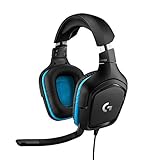
- Enjoy expansive cinematic sound. Big 50 mm audio drivers deliver an incredible sound experience
- Hear Enemies From All Sides. DTS Headphone:X 2.0 surround sound(1) lets you hear enemies sneaking behind you, special ability cues, and immersive environments. It’s positional clarity that can make the difference between victory and defeat. Experience three-dimensional audio that goes beyond 7.1 channels to make you feel like you’re right in the middle of the action. (1) DTS Headphone:X 2.0 requires Logitech G HUB Software.
- Be Heard Loud and Clear. The big 6 mm boom mic makes sure you’re heard by gaming partners and mutes when flipped up.
- Use One Headset For Most Game Platforms. Your headphones work with your PC or Mac via USB DAC or 3.5 mm cable, mobile devices with 3.5 mm cable or with gaming consoles including PlayStationⓇ 5 and PlayStationⓇ 4 (USB wireless stereo sound only), Nintendo Switch (wireless stereo sound when docked)
- Game for Hours in Comfort. Everything about these headphones is about comfort: The deluxe lightweight leatherette ear cups and headband are made to keep pressure off your ears. Ear cups rotate up to 90 degrees for convenience.
That added structure makes the world feel lived-in and intentionally broken. The violence isn’t just noise anymore; it’s the currency that keeps the wasteland running.
The Tool Desk
Outbyte PC Repair FREEClear out junk files and repair common Windows errorsFree Scan →Outbyte Driver Updater FREEScan for outdated or missing drivers - takes under a minuteDriver Scan →Familiar Characters, New Roles
For returning characters, the tournament changes everything. John Doe is no longer just trying to deliver a package or survive the next mile; he’s navigating a competition designed to test his limits physically and psychologically. Quiet, Sweet Tooth, and other familiar faces are positioned to evolve from chaotic obstacles into strategic players.
This evolution allows Season 2 to reward viewers who stuck with the show while inviting deeper emotional investment. As alliances form and rivalries harden, the chaos gains weight, turning Twisted Metal from a wild ride into a full-blown war on wheels.
Returning Favorites and New Faces: Characters, Vehicles, and Fan-Service Deep Cuts
With filming officially wrapped on Season 2, Twisted Metal’s creative team has been increasingly clear about what “bigger” actually means. It’s not just more explosions or louder action, but a broader roster of characters, more recognizable vehicles, and a deeper pull from the games’ decades-long legacy. The tournament framework opens the door for exactly the kind of fan-favorite chaos longtime players have been waiting for.
Season 2 is shaping up to feel less like a road trip and more like a full demolition derby, stacked with personalities who don’t exist solely to die in spectacular fashion.
Returning Drivers Step Into the Spotlight
Anthony Mackie’s John Doe remains the emotional anchor of the series, but the tournament forces him into a more active role as both competitor and target. Survival is no longer enough; every choice he makes now has consequences that ripple across the entire field. The shift gives Mackie more room to explore John’s moral limits in a world that actively punishes empathy.
Stephanie Beatriz’s Quiet is also positioned for expansion, moving beyond her guarded loner persona as alliances and betrayals become unavoidable. Meanwhile, Sweet Tooth’s presence looms larger than ever, transitioning from scene-stealing wildcard to a genuine force within the competition. With the stakes formalized, his violence feels less random and far more dangerous.
New Faces, New Nightmares
Season 2’s wrapped production reportedly includes a wave of new drivers, many of whom are expected to pull inspiration directly from classic Twisted Metal characters. While Peacock is keeping specific reveals under wraps, the promise of an expanded roster suggests the show is finally embracing the anthology-style madness of the games, where every opponent has a distinct gimmick, motivation, and tragic edge.
These newcomers aren’t just cannon fodder. The tournament structure allows them to arrive fully formed, with clear goals and personal wishes tied to Calypso’s cruel reward system. That narrative clarity makes each confrontation feel like a story beat rather than a random collision.
Recommended Free Tools
Vehicles as Characters, Not Just Set Dressing
One of the biggest upgrades Season 2 promises is how it treats the cars themselves. With filming complete, behind-the-scenes chatter points to more practical builds, customized rigs, and vehicles designed to reflect their drivers’ personalities. This aligns the series more closely with the games, where cars like Sweet Tooth’s ice cream truck were as iconic as the characters behind the wheel.
Expect more signature weapons, more distinct silhouettes, and action sequences built around the capabilities of specific vehicles rather than interchangeable mayhem. It’s a crucial step in making the tournament feel authentic to fans who know these machines by heart.
Deep Cuts for Longtime Fans
Perhaps the most exciting aspect of Season 2’s “bigger” promise lies in its fan service. With the groundwork laid in Season 1, the new episodes reportedly lean harder into Easter eggs, visual callbacks, and thematic nods to multiple eras of the franchise. From character names and costume details to environmental storytelling, the show is clearly more confident in embracing its source material.
That confidence is what separates adaptation from homage. By weaving deep cuts directly into the narrative instead of winking at the audience, Twisted Metal Season 2 aims to reward longtime fans without alienating newcomers, turning recognition into emotional payoff rather than distraction.
Behind the Chaos: Production Upgrades, Action Design, and Practical Mayhem
With Season 2 officially wrapped, Twisted Metal’s creative team has been unusually candid about how much the production scaled up this time around. The mandate was clear: if the story was getting bigger and the tournament was finally underway, the physical production had to match that escalation. That meant more locations, longer shoot days, and action sequences designed to feel dangerous, unpredictable, and gloriously excessive.
Unlike Season 1, which had to balance world-building with budgetary restraint, Season 2 leans into the advantage of an established hit. Peacock’s renewed confidence translated into tangible upgrades across departments, from expanded stunt teams to more ambitious vehicle choreography that could only happen once the show knew exactly what it was.
Rank #3

- Immersive 7.1 Surround Sound: This gaming headset delivering stereo surround sound for realistic audio. Whether you're in a high-speed FPS battle or losing yourself RPG adventures, this Ps5 headset provides crisp treble, punchy bass, and precise directional cues, giving you a competitive edge
- Great Humanized Design: Comfortable and breathable permeability protein over-ear pads perfectly on your head, adjustable headband distributes pressure evenly, you’ll enjoy lasting comfort during hours of gaming and suitable for all gaming players of all ages
- Sensitivity Noise-Cancelling Microphone: 360° omnidirectionally rotatable sensitive microphone, premium noise cancellation, sound localisation, your voice comes through loud and natural, ensuring your teammates catch every callout, even in chaotic battle scenes.
- Universal Compatibility: This gaming headphone support for PC, Ps5, Ps4, Xbox one, Xbox Series X/S, Switch, Laptop, Mobile Phone and other devices with 3.5mm jack.Note 1: When you use headset on your PC, be sure to connect the "1-to-2 3.5mm audio jack splitter cable" (Red-Mic, Green-audio). (Please note you need an extra Microsoft Adapter when connect with an old version Xbox One controller)
- Cool style gaming experience: Colorful RGB lights create a gorgeous gaming atmosphere, adding excitement to every match. Heightening immersion for FPS, MOBA, and action titles. These eye-catching lights give your setup a gamer-ready look while maintaining focus on performance. (*Note: The USB connector is for LED lighting only)
More Practical Destruction, Less Digital Safety Net
One of the most significant changes behind the scenes is the increased reliance on practical effects and real-world mayhem. Production sources have pointed to a heavier emphasis on in-camera explosions, physical crashes, and stunt-driven action rather than leaning on CG to sell the chaos. That approach gives the combat a heavier, more tactile feel that aligns perfectly with Twisted Metal’s gritty, absurd tone.
This doesn’t mean visual effects are gone, but they’re being used to enhance real destruction instead of replacing it. Cars flip, collide, and burn with a weight that sells the danger of the tournament, reinforcing the idea that every wish comes at a brutal cost.
Windows Errors? Fix Them Before They Spread
Repair common Windows errors and clear accumulated junk for a smoother, more stable PC - no reinstall needed.Free scan · no reinstallOutdated Drivers Are Slowing You Down
One free scan finds every outdated or missing driver and matches the right update for your exact hardware.Free scan · exact hardware matchAction Designed Around Character, Not Just Spectacle
Season 2’s action design reportedly starts with character motivation first, then builds the set pieces around it. Each major confrontation is shaped by who’s behind the wheel, what they want from Calypso, and how far they’re willing to go to get it. That philosophy ensures that the chaos always serves the story, rather than overwhelming it.
This approach also allows the show to vary its action rhythm. Some battles unfold like high-speed demolition derbies, while others simmer with tension before erupting, giving the season a dynamic flow instead of a constant barrage of noise.
Logistical Scale to Match the Tournament Format
The tournament structure demanded a larger physical footprint than Season 1 ever attempted. Filming stretched across multiple regions to sell the scope of the contest, with environments designed to feel like distinct stages rather than reused backdrops. Each location functions as its own arena, complete with hazards, visual identity, and narrative purpose.
That expansion reinforces the idea that Twisted Metal is no longer a road trip survival story, but a full-blown event. The wrapped production reflects that shift, positioning Season 2 as the point where the series fully embraces its identity as controlled chaos on a massive scale.
Do these 3 things before closing this tab:
1Fix the driver behind crashes, sound loss and screen glitches2Clear out junk files and repair common Windows errors3Scan for outdated or missing drivers - takes under a minuteA Confident Production Embracing Its Weirdness
Perhaps the most telling upgrade is tonal. With filming complete, it’s clear the creative team is no longer hedging its bets on how strange or violent the show can be. Season 2 reportedly doubles down on the franchise’s dark humor, grotesque visuals, and operatic violence, trusting the audience to come along for the ride.
That confidence is the real engine behind the promise of “even bigger.” Not just louder explosions or more characters, but a production unafraid to push every element further, knowing exactly what kind of madness Twisted Metal fans showed up for.
Independent reader supportYour contribution helps us test, update, and keep practical guides available for everyone.Anthony Mackie, Sweet Tooth, and the Evolving Emotional Stakes
If Season 1 proved Twisted Metal could translate vehicular mayhem into binge-worthy television, Season 2 appears determined to deepen the emotional cost of survival. With filming officially wrapped, the creative focus has shifted toward how its characters evolve once the rules of Calypso’s game are fully revealed. Bigger explosions may grab attention, but it’s the relationships behind the wheel that are expected to hit hardest.
Anthony Mackie’s John Doe Faces Consequences, Not Just Carnage
Anthony Mackie’s John Doe is no longer just a fast-talking courier reacting to chaos around him. Season 2 reportedly places him in situations where his choices actively shape the outcome of the tournament, forcing him to confront what he’s willing to sacrifice to stay alive. The emotional armor that defined his swagger in Season 1 begins to crack as the stakes escalate beyond simple survival.
With the tournament format now in play, John Doe’s moral flexibility is tested in ways the road-trip structure never allowed. Rivals aren’t just obstacles; they’re people with competing wishes, regrets, and histories, many of which collide directly with his own. Mackie’s performance is positioned to lean further into vulnerability without losing the character’s humor or edge.
Sweet Tooth’s Role Expands From Icon to Emotional Wild Card
Sweet Tooth remains the franchise’s most recognizable face, but Season 2 reportedly treats him as more than just a chaotic fan favorite. The wrapped production hints at a deeper exploration of the character’s psychology, using his unpredictability as both spectacle and narrative pressure. He isn’t just there to steal scenes; he’s there to destabilize everyone else’s plans.
By giving Sweet Tooth more narrative weight, the show reinforces its commitment to character-driven chaos. His presence reportedly reshapes entire sequences, turning what might have been straightforward action beats into tense standoffs where no one can predict the outcome. The result is a version of the character that feels truer to the games while still serving the show’s evolving emotional core.
Why Season 2’s Chaos Hits Harder
What makes Season 2 “even bigger” isn’t just the expanded cast or the tournament’s scale, but the way personal stakes are woven into every collision. Victories come with consequences, alliances are fragile, and Calypso’s promises carry emotional weight instead of abstract temptation. The chaos lands harder because it costs more.
With filming complete, Twisted Metal Season 2 is shaping up to be less about proving it can adapt a video game and more about proving it can make viewers care who survives the wreckage. The engines are louder, the arenas are larger, and the emotional damage is very much part of the design.
Rank #4
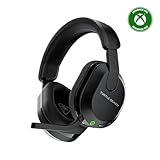
- Memory Foam Cushions with Glasses-Friendly Technology
- Powerful, 50mm Nanoclear Drivers for Vibrant Spatial Audio
- Mappable Wheel and Mode Button for Customizable Functions
- QuickSwitch Button for Seamless Wireless to Bluetooth switching
- Flip-to-Mute Mic with A.I.-Based Noise Reduction
How Season 2 Sets the Stage for the Franchise’s Future on Peacock
Season 2 doesn’t just escalate Twisted Metal’s mayhem; it actively repositions the series as a long-term franchise play for Peacock. By fully committing to the tournament structure and widening the scope of its world, the show moves beyond feeling like an experiment and into the territory of an expandable universe. The road ahead is no longer a single journey, but a collision course of intersecting stories.
The Tournament as a Franchise Engine
Introducing the tournament format does more than raise the stakes for Season 2; it creates a repeatable narrative engine. Each contestant arrives with a wish, a past, and a reason to survive, giving the series a rotating door of new characters without losing cohesion. That flexibility is key for longevity, allowing future seasons to refresh the roster while keeping Calypso’s deadly game at the center.
The tournament also gives Peacock a structure that audiences can easily return to. Much like reality competition shows or anthology-style arcs, it promises new rivalries and escalating spectacle while maintaining a familiar framework. It’s a smart evolution that aligns with binge-friendly streaming storytelling.
Free tools Windows power users keep installed
One-click scans. No signup required.
World-Building Beyond the Asphalt
Season 2 reportedly spends more time fleshing out the fractured societies that exist beyond the races themselves. The world is no longer just a backdrop for vehicular carnage, but a post-apocalyptic ecosystem shaped by fear, power vacuums, and desperation. This broader lens makes Twisted Metal feel less episodic and more mythic.
That added depth opens the door for future expansions, whether through new locations, shifting power structures, or characters whose stories extend past a single season. Peacock appears to be betting on Twisted Metal as a universe, not just a series.
Characters Built for Long-Term Payoff
By pushing John Doe, Quiet, Sweet Tooth, and Calypso into more emotionally complicated territory, Season 2 lays groundwork that can pay off over multiple seasons. These aren’t static icons anymore; they’re evolving figures whose choices ripple outward. That kind of character investment encourages viewers to stick around, not just for explosions, but for consequences.
The emphasis on internal conflict also future-proofs the show. Even as action scales up, the emotional throughline remains intact, giving Twisted Metal room to grow without losing its identity.
Crashes, No Sound, or Screen Glitches?
Random freezes, missing sound and display glitches usually trace back to one bad driver. Find and replace yours safely.Free scan · under a minuteWindows Errors? Fix Them Before They Spread
Repair common Windows errors and clear accumulated junk for a smoother, more stable PC - no reinstall needed.Free scan · no reinstallPeacock’s Confidence in Controlled Chaos
Wrapping filming with talk of a “bigger” season signals confidence from Peacock in both the creative team and the audience. Bigger here doesn’t just mean louder action, but a willingness to lean into the franchise’s weirdness, brutality, and dark humor without dilution. It suggests fewer guardrails and more trust.
If Season 1 proved Twisted Metal could work, Season 2 is positioning it as a cornerstone genre series for the platform. The chaos may be escalating, but the strategy behind it feels increasingly deliberate.
Release Window Expectations and What Comes Next After Post-Production
With cameras officially down, Twisted Metal Season 2 now shifts into an intensive post-production phase that will largely determine just how “big” the finished product feels on screen. Given the show’s reliance on practical stunts enhanced by visual effects, sound design, and heavy music cues, this stage is where the series truly finds its final form. It’s also where scale becomes tangible, not just promised.
While Peacock has not announced an official premiere date, the production timeline suggests a release window that prioritizes polish over speed. The first season benefited from a focused post-production rollout, and there’s little reason to believe Season 2 will be rushed, especially with more vehicles, locations, and character arcs in play.
Quick wins for a faster PC:
Clear out junk files and repair common Windows errorsFree Scan →Fix the driver behind crashes, sound loss and screen glitchesFind Drivers →Repair Windows errors before they cause bigger problemsFix Now →Why Post-Production Matters More Than Ever
Season 2 reportedly expands its action set pieces and world-building significantly, which places added pressure on editing, effects integration, and tonal balance. Twisted Metal thrives when its chaos feels intentional rather than overwhelming, and post-production is where that calibration happens. The blend of brutal action, dark comedy, and character-driven moments needs precision to land properly.
Sound design and music are also crucial components, particularly for a series rooted in vehicular combat. Engine roars, explosions, and needle-drop moments are part of the franchise’s identity, and refining those elements can elevate even familiar gameplay-inspired beats into something cinematic. This is where the show separates itself from being a novelty adaptation and becomes a fully realized genre series.
Setting Expectations for the Season 2 Launch
Based on Peacock’s previous release strategies, a mid-to-late release window feels plausible, though nothing is locked in. The streamer has shown a preference for spacing out its genre offerings, giving them room to breathe and build word-of-mouth. Twisted Metal, with its cult appeal and crossover potential, fits neatly into that approach.
When Season 2 does arrive, it’s positioned to feel like an escalation on every front. More characters, deeper mythology, and higher stakes mean the show won’t simply reset the board, but push forward with intent. For fans, that suggests a season designed to reward investment rather than reintroduce the basics.
Do these 3 things before closing this tab:
1Clear out junk files and repair common Windows errors2Scan for outdated or missing drivers - takes under a minute3Repair Windows errors before they cause bigger problemsAs Twisted Metal moves through post-production, the message is clear: this isn’t just about finishing episodes, but about sharpening an identity. If Season 1 proved the concept could survive the jump from console to streaming, Season 2 looks ready to claim its space as a long-term franchise play. Bigger, in this case, means more confident, more ambitious, and far less interested in playing it safe.
Quick Recap
Product prices and availability are accurate as of the date/time indicated and are subject to change. Any price and availability information displayed on Amazon at the time of purchase will apply.




