Quick wins for a faster PC:
Fix the driver behind crashes, sound loss and screen glitchesFind Drivers →Repair Windows errors before they cause bigger problemsFix Now →Netflix is officially charting its course back to the Grand Line. After months of speculation and strategic silence, the streamer has confirmed that One Piece Season 2 is locked for a 2026 release, signaling confidence in its most ambitious live-action adaptation to date. The announcement doesn’t just reassure fans that the Straw Hat Pirates’ journey continues; it confirms that Netflix is treating One Piece as a long-term franchise rather than a one-season experiment.
The timing matters. Season 1’s global success proved that Eiichiro Oda’s sprawling pirate epic could survive the leap from manga panels and anime frames into live-action spectacle. By committing to 2026, Netflix is allowing the production runway needed to expand the world properly, especially as the story moves into larger arcs, stranger islands, and characters that demand serious visual effects investment. This longer horizon suggests Season 2 won’t be rushed, a crucial factor for maintaining fan trust.
That confidence is embodied in the reveal fans have been waiting for: Tony Tony Chopper is officially joining the live-action crew. As a fan-favorite and a visual effects challenge rolled into one, Chopper’s inclusion confirms that Season 2 is diving headfirst into One Piece’s more fantastical identity. His arrival isn’t just a casting or design milestone; it’s a statement that Netflix is ready to embrace the heart, humor, and emotional complexity that define the series’ future.
Why the Wait? Breaking Down the Extended Production Timeline
At first glance, a 2026 release date might feel distant, especially after the momentum of Season 1’s debut. But for One Piece, time is less a delay and more a strategic investment. Season 2 isn’t simply continuing the story; it’s expanding the scope, the cast, and the technical demands in ways that fundamentally change how the series is produced.
What’s actually slowing this PC down?
Pick the symptom - the matching free tool is one click away.
#1 Best Overall

- Bandai's Anime Heroes figure line now lets you step into the anime world of One Piece. Tony Tony Chopper comes to life with interchangable faces and true to show character features
- Comes in premium packaging that is influenced by Japanese manga and art
- The detailed and amazingly decorated 6.5-inch scale figure allows you to recreate iconic moments with over 20+ points of articulation. This figure is perfect for play and display!
- Each Anime Heroes figure comes with an additional 2 sets of switchable hands and character-specific accessories
- Fans can look for more Anime Heroes One Piece series figures from Bandai (Each figure sold separately)
Scaling Up the World of One Piece
Season 2 moves the Straw Hats deeper into the Grand Line, where islands become more visually distinct and the action grows more ambitious. That means more location shoots, more elaborate sets, and a heavier reliance on visual effects to sell environments that don’t exist in the real world. Netflix is giving the production room to build those worlds carefully rather than relying on shortcuts that could undermine immersion.
This approach mirrors what worked in Season 1, where practical sets and grounded textures helped sell the fantasy. Doubling down on that philosophy naturally extends the timeline, especially as the story demands bigger and stranger places.
Chopper Changes Everything
Tony Tony Chopper’s reveal is a major reason the production calendar stretches into 2026. Unlike most characters introduced so far, Chopper isn’t just another cast member; he’s a constant visual effects presence with a wide emotional range. Getting him right means extensive development work, from performance capture to animation tests, long before cameras roll in earnest.
Netflix knows that Chopper is a litmus test for fan trust. Rushing his design or execution would risk breaking the emotional connection that defines the character, so the added time suggests a commitment to quality over speed.
Recommended Free Tools
Script Development and Oda’s Oversight
One Piece isn’t a straightforward adaptation, and Season 2 carries the added pressure of building on goodwill rather than earning it from scratch. Scripts need to balance fidelity to Eiichiro Oda’s story with the realities of live-action pacing and episode structure. That process takes time, especially with Oda continuing to play an active advisory role.
The longer timeline allows the creative team to refine arcs, introduce new characters organically, and ensure that emotional beats land as intended. For a series this beloved, that kind of careful scripting is non-negotiable.
Netflix’s Long-Game Franchise Strategy
From an industry perspective, the 2026 date also reflects Netflix’s evolving approach to tentpole series. One Piece is being positioned alongside the streamer’s most valuable global brands, not as fast-turnaround content but as a premium event series. Spacing out seasons helps maintain anticipation while ensuring production standards stay high.
Rather than flooding the schedule, Netflix appears focused on making each season feel definitive. For fans, the wait is part of the trade-off for a Season 2 that aims to feel bigger, richer, and more confident in its identity.
Enter Tony Tony Chopper: How Netflix Is Bringing the Fan-Favorite Character to Life
The official reveal of Tony Tony Chopper marks a turning point for Netflix’s One Piece, both creatively and technically. As the Straw Hats head into the heart of the Grand Line in Season 2, Chopper isn’t just another new face; he’s the series’ first fully non-human main character, and a symbol of how far the adaptation is willing to go. His arrival signals that the show is ready to embrace the stranger, more emotional side of Eiichiro Oda’s world.
Chopper’s introduction also helps anchor why Season 2 is targeting a 2026 release. Bringing the character to life requires a level of visual fidelity and performance nuance that simply wasn’t necessary in Season 1. Netflix isn’t treating him as a novelty; he’s being positioned as a core member of the crew from day one.
A Hybrid Approach to a Beloved Character
Netflix has confirmed that Chopper will be realized through a hybrid of cutting-edge visual effects and performance capture, rather than a fully animated or purely practical solution. This approach allows for expressive facial work and physical comedy while preserving the warmth and vulnerability that define the character. It’s a method designed to keep Chopper emotionally present in scenes, not just visually convincing.
Rank #2

- Dynamic poses: 16 points of articulation let you recreate Chopper’s most iconic battle stances and adventure-packed moments.
- Exciting accessories: Includes 3 swappable faces, a medical bag, a medical vial, and a berry coin base.
- Versatile play: Switch between Chopper's swappable faces for fun, action-packed posing.
- Authentic detail: Recreate Chopper's cheeky look from Netflix’s One Piece series.
- Ready for action or display: Includes a berry coin base for showcasing when Chopper's not in action.
The goal is consistency, not spectacle for its own sake. Chopper needs to function in quiet character moments as well as high-energy action, which means his design has to hold up across dozens of interactions per episode. That level of integration is a major reason the production pipeline stretches well into 2026.
Why Chopper Matters to the Story
Narratively, Chopper represents One Piece’s emotional pivot toward found family and personal trauma. His backstory, tied to isolation, acceptance, and self-worth, deepens the thematic stakes of the series at exactly the moment the world expands. Season 2 isn’t just bigger geographically; it’s heavier emotionally, and Chopper is central to that shift.
For live-action audiences, he also changes the tone of the ensemble. His presence introduces a balance of innocence and melancholy that contrasts with the growing dangers of the Grand Line. Getting that balance right is essential if the adaptation hopes to sustain long-term storytelling.
A Litmus Test for the Future of the Franchise
From a franchise perspective, Chopper is Netflix’s most significant adaptation challenge yet. If he works, it opens the door to even more ambitious characters and arcs in future seasons. If he doesn’t, it risks undermining confidence in the show’s ability to translate One Piece’s more fantastical elements.
By taking the time to develop Chopper properly and tying his debut to a carefully planned 2026 release, Netflix is signaling long-term commitment rather than short-term gains. Season 2 isn’t just continuing the story; it’s quietly setting the ceiling for how far this live-action One Piece can go.
Crashes, No Sound, or Screen Glitches?
Random freezes, missing sound and display glitches usually trace back to one bad driver. Find and replace yours safely.Free scan · under a minuteWindows Errors? Fix Them Before They Spread
Repair common Windows errors and clear accumulated junk for a smoother, more stable PC - no reinstall needed.Free scan · no reinstallWhy Chopper Changes Everything for the Live-Action Adaptation
Chopper’s arrival marks the moment Netflix’s One Piece fully commits to its weirdest, most emotionally ambitious instincts. Season 1 proved the series could translate heightened pirate adventure into live action, but Season 2 is where the adaptation has to grapple with characters who exist far outside normal human performance. Chopper isn’t just another crew member; he’s the first true test of whether this world can stretch without breaking.
That’s why his reveal alongside a confirmed 2026 release date feels so deliberate. Netflix isn’t rushing him onto the screen to capitalize on hype. Instead, the production is positioning Chopper as the hinge point between what the show has already accomplished and what it hopes to become.
A Character That Demands New Rules
Unlike the villains or environments introduced so far, Chopper fundamentally changes how scenes are staged, written, and performed. He has to be present in dialogue-heavy moments, react naturally to human actors, and carry emotional beats that can’t be hand-waved away with spectacle. Every scene involving Chopper raises the baseline difficulty of the show.
This is where the extended timeline matters. A 2026 release gives the creative team room to refine performance capture, voice work, and physical interaction so Chopper doesn’t feel like a visual effect dropped into a finished scene. He has to feel like a cast member, not a feature.
Free tools Windows power users keep installed
One-click scans. No signup required.
Raising the Emotional Ceiling of Season 2
Season 2’s story arcs expand the geography of One Piece, but Chopper expands its emotional vocabulary. His presence allows the show to lean harder into vulnerability, loneliness, and compassion without losing momentum. That tonal flexibility is essential as the Grand Line grows more dangerous and morally complex.
For live-action viewers unfamiliar with the anime or manga, Chopper becomes an emotional access point. His perspective softens the brutality of the world while sharpening its stakes, making Season 2 feel richer rather than simply larger.
Rank #3
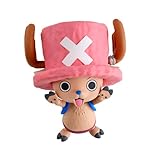
- From the TV anime “ONE PIECE," S.H.Figuarts TONYTONY.CHOPPER –DRUM ISLAND- arrives in a completely new sculpt!
- Chopper's hat is removable, and can be combined with two additional expression face parts to recreate memorable scenes from the anime
- [Set Contents] Main body, Hat, Backpack, 2 facial expression parts, Interchangeable head part, Dedicated stand
- The product box will have a Bandai Namco warning label, which is proof that you are purchasing an officially licensed product
What Chopper Signals About Netflix’s Long Game
Netflix tying Chopper’s debut to a carefully paced 2026 rollout sends a clear message about confidence. This isn’t a one-season experiment or a novelty adaptation chasing short-term buzz. The platform is investing in infrastructure, talent, and time to ensure One Piece can scale sustainably.
If Chopper lands the way the production intends, it redefines what’s possible for future seasons. Characters once considered unadaptable suddenly feel achievable, and the ceiling for this live-action universe lifts dramatically. Season 2 isn’t just continuing the journey; it’s recalibrating expectations for what One Piece can be in this format.
The Tool Desk
Outbyte Driver Updater FREEFix the driver behind crashes, sound loss and screen glitchesFind Drivers →Outbyte PC Repair FREERepair Windows errors before they cause bigger problemsFix Now →Season 2 Story Scope: What Arcs, Islands, and Characters Are Likely Ahead
With Chopper now officially part of the conversation and a 2026 release window locked in, Season 2’s narrative boundaries are coming into sharper focus. Netflix appears to be structuring the season as a deliberate march into the early Grand Line, balancing forward momentum with the production realities of adapting One Piece at scale. Rather than rushing toward endgame spectacle, Season 2 looks poised to prioritize world-building, character depth, and tonal escalation.
Loguetown: Closing One Chapter, Opening Another
Season 2 will almost certainly begin in Loguetown, the symbolic endpoint of the East Blue saga. It’s a natural narrative bridge, giving live-action viewers closure while teeing up the dangers ahead. Introducing Smoker and Tashigi here adds an immediate sense of consequence, grounding the pirate fantasy in a more persistent threat from the World Government.
Loguetown also reinforces the show’s interest in legacy and destiny, themes that resonate more strongly in live action. It’s less about action density and more about atmosphere, a tone-setting move that mirrors how Season 1 eased audiences into this world.
The Grand Line Gauntlet: Reverse Mountain to Little Garden
Once the crew enters the Grand Line, the story opens into a sequence of distinct but interconnected arcs. Reverse Mountain and Crocus introduce the idea that this sea operates by different rules, both physically and narratively. Laboon’s inclusion would further underline the emotional storytelling Netflix has leaned into, even in brief encounters.
Do these 3 things before closing this tab:
1Repair Windows errors before they cause bigger problems2Scan for outdated or missing drivers - takes under a minute3Clear out junk files and repair common Windows errorsFrom there, Whiskey Peak and Little Garden expand the scope with Baroque Works and the first true taste of long-form antagonism. Characters like Vivi, Mr. 3, and the giants Dorry and Brogy aren’t just colorful additions; they test how well the adaptation can juggle ensemble storytelling while maintaining clarity for newcomers.
Drum Island and the Emotional Core of the Season
Drum Island is where Season 2’s story scope likely crystallizes, both structurally and emotionally. This arc gives Chopper a proper narrative introduction, along with Dr. Kureha and Wapol, and demands a tonal pivot toward tragedy, healing, and found family. It’s a contained storyline with outsized emotional impact, making it ideal as a seasonal centerpiece.
From a production standpoint, Drum Island justifies the extended timeline. Snow-heavy environments, creature work, and character-driven drama all converge here, explaining why Netflix would anchor Season 2 around this arc rather than rushing ahead.
How Far Will Season 2 Go?
The biggest open question is Alabasta. While elements like Vivi’s introduction and Baroque Works’ early moves feel inevitable, a full Alabasta adaptation may be intentionally held back. Ending Season 2 with the promise of that larger conflict allows the series to scale responsibly while setting up a blockbuster Season 3.
That approach aligns with Netflix’s apparent long game. By treating Season 2 as a foundation-laying chapter rather than a sprint, the adaptation protects its momentum and gives its expanding cast, including Chopper, room to breathe within the story.
Rank #4

- From the TV anime "ONE PIECE" comes a completely new version of "Tony Tony Chopper" in his FUTURE ISLAND EGGHEAD uniform!
- Interchangeable facial parts and a wide range of motion allow for dynamic poses
- [Set Contents] Main body, 3 types of interchangeable facial parts, A set of dedicated support pedestals [Bonus parts] Interchangeable facial parts for "S.H.Figuarts Monkey D. Luffy -Future Island Egghead-" (sold separately)
- The product box will have a Bandai Namco warning label, which is proof that you are purchasing an officially licensed product
Balancing Anime Fidelity and Live-Action Realism in Season 2
Season 2 represents Netflix’s most delicate tightrope walk yet, as One Piece moves deeper into arcs that are unapologetically strange, emotional, and visually heightened. With a confirmed 2026 release date, the extended production window signals a clear intent: this isn’t about rushing content, but about getting the balance right. The Grand Line doesn’t work unless the show fully commits to its rules, even when those rules border on the absurd.
Season 1 proved that audiences were willing to meet the adaptation halfway. Season 2 now has to return that trust by leaning further into the anime’s identity without breaking the illusion of live-action credibility.
Chopper as the Ultimate Litmus Test
Tony Tony Chopper’s reveal is the clearest indicator of how Netflix plans to approach that balance. As a character who blends cuteness, tragedy, and cartoon logic, Chopper has long been considered the hardest One Piece character to adapt. His inclusion alone confirms that Season 2 isn’t shying away from the series’ most challenging elements.
Early indications suggest a hybrid approach that preserves Chopper’s expressive personality while grounding him within the show’s tactile world. That likely means high-end VFX paired with performance capture and practical interaction, rather than treating him as a purely digital sidekick. Getting Chopper right isn’t just about visuals; it’s about preserving the emotional weight of Drum Island and the themes of identity and belonging that define his arc.
Why the 2026 Release Date Matters
The 2026 timeline speaks volumes about the scale of Season 2. Snow-covered environments, multiple new islands, expanded creature work, and a growing ensemble cast all demand longer development cycles. Unlike Season 1, which had to establish tone and prove viability, Season 2 has the burden of expectation and escalation.
That extra time also allows the creative team to refine visual consistency. Maintaining anime-inspired designs while avoiding tonal whiplash is crucial as the series introduces giants, talking animals, and increasingly theatrical villains. The delay isn’t a setback; it’s a recalibration designed to protect the show’s long-term health.
Setting the Template for Future Seasons
How Season 2 handles this balance will define the roadmap for everything that follows. If Chopper, Drum Island, and the early Baroque Works material land successfully, it opens the door for even more ambitious arcs like Alabasta and beyond. This season isn’t just about adapting the next chunk of the story; it’s about proving that One Piece can scale indefinitely in live-action form.
Netflix’s strategy suggests confidence in the property as a multi-season flagship. By prioritizing fidelity, emotional clarity, and production integrity now, Season 2 positions One Piece not as a novelty adaptation, but as a long-running fantasy epic capable of evolving alongside its source material.
Independent reader supportYour contribution helps us test, update, and keep practical guides available for everyone.What Season 2 Signals for the Long-Term Future of Netflix’s ‘One Piece’
Season 2’s 2026 release window and the confident reveal of Chopper together mark a turning point for Netflix’s One Piece. This is no longer a question of whether the adaptation works, but how far it’s willing to go. Everything about the rollout suggests Netflix is planning for longevity, not just another successful season.
From Experiment to Enduring Franchise
Season 1 proved that a live-action One Piece could capture the spirit of Eiichiro Oda’s world without alienating newcomers. Season 2 is where that goodwill gets stress-tested. By committing to visually complex arcs like Drum Island and introducing a character as production-intensive as Chopper, Netflix is signaling that it’s past the trial phase.
This shift mirrors what happened with genre-defining streaming hits that survived their sophomore seasons. Once a show demonstrates it can escalate without losing coherence, it earns the runway to become a long-term franchise rather than a seasonal curiosity.
Do these 3 things before closing this tab:
1Fix the driver behind crashes, sound loss and screen glitches2Repair Windows errors before they cause bigger problems3Scan for outdated or missing drivers - takes under a minuteBest Value

- No glue required for assembly, a hobby nipper is required to remove parts from runners
- Colored plastic, little to no paint required to replicate appearance
- Instruction Manual x1, Runner x5, sticker x1
- Product bears official Bluefin Distribution logo ensuring purchaser is receiving authentic licensed item from approved U.S. retailer
- Bluefin Distribution products are tested and comply with all U.S. consumer product safety regulations and are eligible for consumer support
Chopper as a Bellwether for Future Adaptations
Chopper’s successful integration would have ripple effects far beyond Season 2. His presence validates the show’s ability to handle non-human Straw Hats, which becomes increasingly important as the crew grows and the world expands. If audiences accept Chopper as emotionally authentic rather than visually distracting, it lowers the barrier for future characters who push even further into stylized territory.
This is especially critical for arcs like Alabasta and Skypiea, where scale, mythology, and heightened fantasy dominate. Chopper isn’t just a fan-favorite reveal; he’s a production litmus test for the series’ future ambitions.
A Sustainable Pace for a Massive Story
The 2026 timeline also reflects a strategic recalibration in how Netflix approaches large-scale adaptations. Rather than rushing to capitalize on momentum, the platform appears willing to space out seasons to maintain quality and audience trust. For a story as sprawling as One Piece, that patience is essential.
Adapting hundreds of chapters into coherent live-action seasons requires careful compression, visual planning, and long-term casting stability. Season 2’s extended development suggests Netflix understands that this story thrives on consistency more than speed.
Outdated Drivers Are Slowing You Down
One free scan finds every outdated or missing driver and matches the right update for your exact hardware.Free scan · exact hardware matchPC Slower Than It Used to Be?
A free scan shows the junk files, broken settings and background clutter dragging Windows down - then fixes them in one click.Free scan · Windows 10 & 11Positioning One Piece as a Global Fantasy Anchor
Netflix has been searching for a fantasy series with broad international appeal and long-term viability. With Season 2, One Piece is being positioned to fill that role. Its blend of adventure, found family, and serialized storytelling makes it uniquely suited to a multi-season streaming model.
If Season 2 delivers on its promise, One Piece could evolve into one of Netflix’s defining originals of the decade. Not just a successful adaptation, but a rare example of anime-to-live-action done at scale, with confidence in the long game baked into every creative decision.
The Bigger Picture: How ‘One Piece’ Fits Into Netflix’s Anime-to-Live-Action Strategy
Netflix’s decision to lock One Piece Season 2 into a 2026 release window signals more than production caution. It reflects a broader shift in how the streamer approaches anime-to-live-action adaptations, prioritizing longevity over rapid turnaround. After years of mixed results, Netflix appears to be treating One Piece as a flagship experiment in getting the formula right.
From Risky Experiments to Long-Term Franchises
Early live-action anime adaptations often felt like one-off bets, released quickly and abandoned just as fast. One Piece is being handled differently, with multi-season planning, sustained investment, and careful rollout of major characters like Chopper. The 2026 timeline reinforces that this is not a content drop designed to spike subscriptions, but a franchise Netflix wants audiences to grow with.
Free tools Windows power users keep installed
One-click scans. No signup required.
That patience mirrors strategies used for premium fantasy and sci-fi series rather than traditional adaptations. In that sense, One Piece is being positioned closer to Stranger Things than to Netflix’s earlier anime experiments.
Why Chopper Changes the Equation
Chopper’s reveal is pivotal not just narratively, but strategically. Successfully integrating a fully CG, emotionally expressive character sets a new technical benchmark for Netflix’s adaptation ambitions. It demonstrates a willingness to invest heavily in visual effects when the character payoff justifies it.
If Chopper resonates with viewers, it opens the door for Netflix to confidently greenlight future seasons that lean harder into One Piece’s stranger, more fantastical elements. That confidence is essential as the series moves toward larger arcs and more visually demanding storytelling.
Setting a Template for Future Adaptations
One Piece Season 2 may quietly become the template Netflix uses for future anime adaptations: longer development cycles, transparent communication with fans, and early proof-of-concept reveals that build trust. Rather than flattening anime worlds into generic prestige TV, Netflix is learning to adapt them on their own terms.
The 2026 release date gives the platform breathing room to refine that approach, ensuring the series remains visually ambitious without sacrificing emotional authenticity. It’s a balancing act Netflix hasn’t always mastered, but One Piece suggests real progress.
As Season 2 approaches, One Piece stands as a test case for whether anime-to-live-action can evolve from novelty into cornerstone programming. If Chopper lands and the extended timeline pays off, Netflix won’t just have another hit. It will have a blueprint for adapting beloved anime at scale, with confidence, patience, and an eye toward the long voyage ahead.
Quick Recap
Product prices and availability are accurate as of the date/time indicated and are subject to change. Any price and availability information displayed on Amazon at the time of purchase will apply.




