The Tool Desk
Outbyte Driver Updater FREEFix the driver behind crashes, sound loss and screen glitchesFind Drivers →Outbyte PC Repair FREERepair Windows errors before they cause bigger problemsFix Now →Batman has always thrived on reinvention, but the streaming era has given his past lives a surprising second wind. Three cornerstone films from the character’s pre-Nolan era are now available to stream free with ads, making them suddenly accessible in a way they haven’t been for years. Batman (1989), Batman Returns (1992), and Batman Forever (1995) can currently be found across ad-supported platforms like Tubi, Pluto TV, and The Roku Channel, letting fans revisit Gotham without paying a rental fee or subscription premium.
That matters because these movies represent three distinct visions of the Dark Knight at a time when superhero cinema was still finding its language. Tim Burton’s Batman and Batman Returns redefined comic-book movies as gothic, director-driven blockbusters, shaping everything from production design to how studios marketed superheroes as serious cinematic events. Joel Schumacher’s Batman Forever, while more colorful and commercially minded, marked the franchise’s pivot toward mass-audience spectacle and merchandising, a shift that still echoes through modern IP-driven filmmaking.



Why their return feels timely now
In an era dominated by interconnected universes and prestige TV spinoffs, these standalone Batman films feel refreshingly complete. They tell self-contained stories, embrace bold stylistic choices, and remind viewers that Batman has always been flexible enough to survive radical tonal swings. Streaming them free with ads lowers the barrier for curious newcomers and nostalgic fans alike, turning these once-premium theatrical experiences into accessible cultural artifacts worth reexamining right now.
The Free Streaming Breakdown: Where to Watch Each Film Legally Right Now
For viewers ready to dive back into Gotham without opening their wallets, all three films are currently available through reputable ad-supported services. These platforms rotate titles periodically, but as of now, each movie can be streamed legally in full with commercial breaks, no subscription required.
Free tools Windows power users keep installed
One-click scans. No signup required.
#1 Best Overall
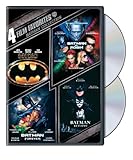
- Factory sealed DVD
Batman (1989)
Tim Burton’s genre-defining Batman is streaming free on Tubi, Pluto TV, and The Roku Channel. This is the film that reshaped superhero cinema, grounding comic-book spectacle in gothic atmosphere and operatic scale, while turning Michael Keaton’s unlikely casting into one of the most influential portrayals of the character.
Watching it today, the movie’s production design and Danny Elfman’s iconic score still feel foundational. Jack Nicholson’s Joker remains a benchmark for comic-book villains, blending menace with theatrical excess in a way few performances have matched since.
Batman Returns (1992)
Batman Returns is also available free with ads on Tubi, Pluto TV, and The Roku Channel, making it just as accessible as its predecessor. Often regarded as Burton’s most personal superhero film, it leans harder into fairy-tale darkness, political satire, and emotional isolation, pushing the boundaries of what a summer blockbuster could be at the time.
Michelle Pfeiffer’s Catwoman is a major reason this sequel has aged so well. Her performance, paired with the film’s bleak holiday setting and operatic tone, makes Batman Returns feel closer to an auteur-driven fantasy than a traditional franchise installment.
Batman Forever (1995)
Joel Schumacher’s Batman Forever is likewise streaming free on Tubi, Pluto TV, and The Roku Channel, offering a tonal shift that reflects the mid-’90s blockbuster mindset. Brighter, louder, and more commercially driven, it introduces Val Kilmer as Batman while embracing neon visuals, pop-infused spectacle, and a heavier focus on accessibility.
While divisive upon release, Batman Forever now plays as a cultural time capsule of superhero cinema before the genre hardened into a formula. Jim Carrey’s Riddler and Tommy Lee Jones’ Two-Face represent the franchise’s most overt flirtation with comic-book exaggeration, setting the stage for the conversations about tone and balance that still define Batman adaptations today.
Batman (1989): How Tim Burton Reinvented the Dark Knight for Modern Cinema
Before Tim Burton’s Batman arrived, superhero movies were still shaking off the campy legacy of the Adam West era. Released in 1989, the film radically redefined what a comic-book blockbuster could look and feel like, embracing shadow, psychological tension, and a distinctly gothic sensibility. For many viewers, this was the first time Batman felt dangerous, mysterious, and cinematic rather than playful or ironic.
A Darker Gotham That Changed Everything
Burton’s Gotham City is less a place than a mood, blending Art Deco architecture with nightmarish urban decay. The production design, heavily influenced by German Expressionism, created a visual language that would echo through decades of Batman storytelling across film, animation, and games. Paired with Danny Elfman’s thunderous, operatic score, the movie established an atmosphere that still feels foundational to the character.
Michael Keaton and the Power of Reinterpretation
Michael Keaton’s casting was controversial at the time, but his performance proved quietly transformative. Rather than playing Batman as a traditional action hero, Keaton leaned into stillness, internal conflict, and an unsettling unpredictability. His Bruce Wayne feels socially detached and emotionally guarded, a portrayal that paved the way for more psychologically complex takes on the character in later adaptations.
Jack Nicholson’s Joker as a Cultural Event
Jack Nicholson’s Joker wasn’t just a villain, he was a phenomenon. Equal parts gangster, showman, and agent of chaos, his performance dominated pop culture in 1989 and helped legitimize comic-book movies as star-driven events. The Joker’s operatic crimes, black humor, and visual flamboyance set a benchmark that future Batman films would constantly measure themselves against.
Rank #2
Why It’s Still Worth Watching Today
Now streaming free with ads on Tubi, Pluto TV, and The Roku Channel, Batman remains a crucial watch for anyone interested in the evolution of superhero cinema. Its pacing and practical effects may feel different from today’s CGI-heavy spectacles, but its influence is undeniable. This is the movie that proved Batman could sustain a serious, adult-oriented blockbuster, opening the door for everything from The Dark Knight to modern prestige superhero storytelling.
Batman Returns (1992): Gothic Excess, Villain Psychology, and Peak Burton Weirdness
If Batman proved Tim Burton could reshape the Dark Knight for mainstream audiences, Batman Returns is where he stopped holding back. Bigger, stranger, and far more psychologically charged, the 1992 sequel pushes Gotham into full-blown gothic surrealism. It’s a film that feels less like a conventional superhero sequel and more like an unfiltered Burton fever dream with a blockbuster budget.
Recommended Free Tools
A Gotham Drowning in Style and Symbolism
Gotham City in Batman Returns is even more exaggerated and oppressive, transforming into a wintry nightmare of shadows, statues, and industrial decay. Burton leans heavily into visual metaphor, using snow, darkness, and towering sets to reflect the characters’ emotional isolation. The result is a city that feels hostile, theatrical, and deeply unnatural, perfectly matching the film’s twisted tone.
Danny Elfman’s score evolves alongside the visuals, becoming more mournful and operatic. It reinforces the sense that this Gotham isn’t just corrupt, but fundamentally broken, a place where villains are created rather than simply defeated.
The Penguin and Catwoman as Psychological Mirrors
Batman Returns is often remembered for its villains, and with good reason. Danny DeVito’s Penguin is grotesque, tragic, and deeply unsettling, portrayed as both monster and victim of societal rejection. His arc is less about criminal ambition and more about identity, abandonment, and rage, making him one of the most emotionally complex antagonists in any Batman film.
Michelle Pfeiffer’s Catwoman, meanwhile, delivers one of the most iconic performances in superhero cinema. Her Selina Kyle is fractured, vulnerable, and ferociously alive, embodying themes of repression, rebirth, and feminine rage. Pfeiffer’s physical performance and sharp, unhinged energy elevate Catwoman from love interest to thematic centerpiece.
Quick wins for a faster PC:
Scan for outdated or missing drivers - takes under a minuteDriver Scan →Repair Windows errors before they cause bigger problemsFix Now →Batman as a Supporting Player in His Own Movie
Interestingly, Batman Returns sidelines Bruce Wayne more than almost any other live-action Batman film. Michael Keaton remains compelling, but the story’s emotional weight rests squarely on its villains. This shift reinforces Burton’s fascination with outsiders and damaged souls, positioning Batman as another lost figure rather than a clear moral anchor.
That creative choice was controversial at the time, especially for a studio-backed sequel, but it’s part of why Batman Returns feels so distinctive decades later. It’s less interested in heroics than in exploring loneliness, obsession, and the thin line between hero and freak.
Why It’s Still Essential Viewing
Now streaming free with ads on Tubi, Pluto TV, and The Roku Channel, Batman Returns is easily accessible for modern viewers curious about Batman’s cinematic evolution. Its darker themes and sexual undercurrents may feel surprising by today’s franchise standards, especially for a film once marketed to families. But that discomfort is part of its power.
This is peak Burton weirdness, unfiltered and uncompromising, and a reminder of a time when superhero sequels could be personal, risky, and unapologetically strange. For fans revisiting it or newcomers discovering it for the first time, Batman Returns remains one of the boldest entries in the entire Batman film legacy.
Do these 3 things before closing this tab:
1Repair Windows errors before they cause bigger problems2Fix the driver behind crashes, sound loss and screen glitches3Clear out junk files and repair common Windows errorsRank #3
Batman Forever (1995): The Neon Pivot That Redefined Batman for a New Generation
If Batman Returns represented the outer edge of Tim Burton’s gothic indulgence, Batman Forever is the hard course correction. Released in 1995 and directed by Joel Schumacher, the film intentionally swings the franchise toward bright colors, heightened spectacle, and a more accessible tone. It’s a deliberate pivot that reflects both studio anxiety and a desire to reintroduce Batman as a four-quadrant blockbuster.
This tonal shift is immediately apparent, from the neon-soaked Gotham City to the pulsing pop soundtrack. Where Burton leaned into alienation and melancholy, Schumacher embraces momentum and visual excess. For many viewers who grew up in the mid-90s, this was their Batman, loud, stylish, and unapologetically comic book-inspired.
A New Bruce Wayne for a New Era
Val Kilmer steps into the cape with a quieter, more introspective take on Bruce Wayne. His performance is less eccentric than Michael Keaton’s and more traditionally heroic, emphasizing inner conflict and trauma over mystery. Schumacher’s film foregrounds Bruce’s psychological struggle, framing Batman as a persona born from pain rather than obsession.
This internal focus gives Batman Forever an emotional throughline that often gets overlooked. The recurring imagery of repressed memories and guilt suggests a Batman who is actively questioning whether he needs the mask at all. It’s a thematic bridge between Burton’s brooding outsider and the more emotionally articulate heroes that would follow in later decades.
Villains Turned Up to Eleven
Jim Carrey’s Riddler and Tommy Lee Jones’ Two-Face dominate the film with operatic energy. Carrey, in particular, delivers a performance that feels like a collision between classic comic villainy and 90s sketch comedy, divisive but undeniably influential. His Riddler is less puzzle mastermind and more pop-culture disruptor, embodying the era’s obsession with spectacle and celebrity.
While subtlety isn’t the goal, these performances cement Batman Forever as a time capsule of mid-90s blockbuster sensibilities. The villains aren’t there to challenge Batman philosophically so much as overwhelm him visually and emotionally. That approach may frustrate some longtime fans, but it also explains why the film resonated so strongly with younger audiences at the time.
Why It Still Matters and Where to Watch
Now streaming free with ads on platforms like Tubi, Pluto TV, and The Roku Channel, Batman Forever is easily accessible for viewers curious about the franchise’s most dramatic tonal shift. Watching it today offers valuable context for how Batman has been continually reshaped to meet cultural expectations. It’s the hinge point between gothic auteurism and toyetic franchise filmmaking.
Batman Forever may not be subtle, but it’s sincere in its ambition to make Batman fun again without fully abandoning emotional depth. For fans revisiting it or newcomers discovering it outside of nostalgia, the film stands as a defining chapter in Batman’s cinematic evolution, one that boldly redefined the Dark Knight for an entirely new generation.
What’s actually slowing this PC down?
Pick the symptom - the matching free tool is one click away.
How These Films Shaped the Batman We Know Today — From Nolan to Reeves
Taken together, Batman (1989), Batman Returns, and Batman Forever form the foundation of nearly every modern cinematic interpretation of the Dark Knight. Even as tones shifted wildly between gothic noir, surreal fantasy, and neon spectacle, each film added a crucial layer to Batman’s evolving screen identity. Christopher Nolan and Matt Reeves didn’t reinvent Batman from scratch; they refined, reacted to, and in some cases deliberately corrected what these earlier films established.
Burton’s Gotham: The Blueprint for Serious Superhero Cinema
Tim Burton’s Batman films proved that a superhero movie could be dark, psychologically driven, and commercially massive all at once. Before 1989, comic book films were largely seen as campy diversions, but Burton reframed Gotham as a decaying urban nightmare shaped by trauma and obsession. That tonal seriousness paved the way for Nolan’s grounded realism, even if Nolan stripped away Burton’s expressionism in favor of plausible grit.
Rank #4
Michael Keaton’s Batman also introduced the idea that Bruce Wayne himself could be emotionally withdrawn, socially awkward, and defined more by damage than charm. That characterization echoes loudly in Christian Bale’s haunted performance and even more so in Robert Pattinson’s introverted, wounded take. The notion that Batman is not aspirational but burdensome starts here.
Batman Returns and the Power of Character-Driven Darkness
Batman Returns pushed the franchise into stranger, riskier territory, leaning heavily into villain psychology and moral ambiguity. Characters like Catwoman and the Penguin weren’t just obstacles; they were distorted reflections of Bruce Wayne himself. This emphasis on broken people shaped by systemic cruelty directly influences Reeves’ The Batman, where Gotham’s rot feels inseparable from its inhabitants.
Reeves’ version, in particular, owes a debt to Returns in how it frames Batman as part of the city’s sickness rather than its cure. The idea that vengeance alone is insufficient, and possibly harmful, can be traced back to Burton’s bleakest chapter. Without Returns testing those limits, later filmmakers might never have dared to interrogate Batman’s mission so openly.
Batman Forever’s Emotional Pivot and Franchise Accessibility
While often dismissed for its excess, Batman Forever plays a crucial transitional role in the character’s cinematic history. By centering Bruce Wayne’s internal conflict and hinting at the possibility of healing, it introduces emotional self-awareness that modern superhero films rely on heavily. Nolan’s trilogy, especially The Dark Knight Rises, builds directly on the idea that Batman is a phase Bruce must eventually outgrow.
The film also demonstrated how Batman could be recalibrated for broader audiences without abandoning character themes entirely. That balance between accessibility and introspection is now standard across superhero cinema, including Reeves’ approach, which tempers noir severity with moments of vulnerability. Forever may be louder and brighter, but its influence is quieter and longer-lasting.
Why Streaming These Films Matters Now
With Batman (1989), Batman Returns, and Batman Forever now streaming free with ads on services like Tubi, Pluto TV, and The Roku Channel, revisiting them offers more than nostalgia. Watching them in sequence reveals a clear evolutionary path that leads directly to today’s acclaimed interpretations. You can see the DNA of Nolan’s realism and Reeves’ detective noir forming in real time.
Crashes, No Sound, or Screen Glitches?
Random freezes, missing sound and display glitches usually trace back to one bad driver. Find and replace yours safely.Free scan · under a minutePC Slower Than It Used to Be?
A free scan shows the junk files, broken settings and background clutter dragging Windows down - then fixes them in one click.Free scan · Windows 10 & 11For budget-conscious viewers, this free access isn’t just convenient; it’s essential Batman homework. These films show how the character survived tonal experimentation, studio mandates, and cultural shifts to emerge more complex than ever. Understanding where Batman has been makes it easier to appreciate why he continues to endure, and why each new version feels like a conversation with the past rather than a clean break from it.
Independent reader supportYour contribution helps us test, update, and keep practical guides available for everyone.Do These Classics Still Hold Up? What Modern Viewers Should Expect in 2026
Revisiting Batman (1989), Batman Returns, and Batman Forever in 2026 is less about judging them by modern blockbuster standards and more about understanding what they were trying to do within their era. These films predate shared universes, post-credit teases, and algorithm-driven storytelling. What they offer instead is personality, atmosphere, and a willingness to let style shape character in bold, sometimes messy ways.
For viewers discovering them through free ad-supported platforms like Tubi, Pluto TV, or The Roku Channel, the experience feels refreshingly self-contained. Each movie stands on its own, with a clear beginning, middle, and end, rather than serving as a chapter in an endless content pipeline. That alone makes them easier to appreciate in a streaming landscape dominated by long-term franchise planning.
The Visuals and Tone: Stylized, Not Dated
Tim Burton’s Batman films remain striking because they were never aiming for realism. Gotham City is an expressionist nightmare, built from shadows, exaggerated architecture, and comic-book logic. While some effects show their age, the practical sets and tactile production design often look more convincing than early-2000s CGI-heavy superhero fare.
Best Value

- Shrink-wrapped
Batman Forever shifts into neon excess, but that tonal swing now feels more intentional than embarrassing. Its heightened colors and theatrical performances reflect a mid-’90s attempt to balance darkness with mass appeal. In a post-Multiverse era where wildly different tones coexist, Forever’s visual identity feels less like a misstep and more like an alternate take that simply arrived early.
Character Work Over Constant Action
Modern viewers accustomed to relentless pacing may notice these films take their time. Bruce Wayne’s psychology, the villains’ motivations, and Gotham’s atmosphere are given room to breathe. Michael Keaton’s restrained performance, in particular, plays better now than it did for some audiences in 1989, especially after decades of louder, more physically dominant Batmen.
Val Kilmer’s Bruce Wayne also benefits from hindsight. His quieter, more introspective take aligns surprisingly well with today’s emphasis on trauma and identity. While the action choreography may feel modest by 2026 standards, the emotional stakes often land harder than expected.
What Free Streaming Viewers Should Know Going In
Watching these films free with ads does mean brief interruptions, but the trade-off is accessibility. There’s no subscription barrier, making this an easy entry point for younger viewers curious about Batman’s cinematic roots and longtime fans ready for a rewatch. The ad breaks also unintentionally mirror the films’ original broadcast-TV life, reinforcing their status as pop culture staples rather than prestige curiosities.
Quick wins for a faster PC:
Fix the driver behind crashes, sound loss and screen glitchesFind Drivers →Repair Windows errors before they cause bigger problemsFix Now →Scan for outdated or missing drivers - takes under a minuteDriver Scan →Most importantly, these movies still matter because they ask foundational questions about Batman that modern films continue to explore. What does the mask cost Bruce Wayne? Where is the line between justice and obsession? And can Gotham ever truly be saved? In 2026, those questions feel just as relevant, even if they’re asked through rubber suits, gothic skylines, and Elfman’s sweeping score.
The Bottom Line: Which Batman Movie Is Worth Your Time (and Why Free Makes It Better)
If you’re choosing just one, Batman (1989) remains the most essential watch. Tim Burton’s original vision didn’t just revive the character after decades of camp; it reshaped how Hollywood approached superhero cinema altogether. Jack Nicholson’s Joker, Danny Elfman’s operatic score, and Gotham’s gothic mood still feel foundational, making this the clearest snapshot of Batman’s cinematic rebirth.
The Darkest and Most Artistically Bold Option
For viewers drawn to atmosphere and character over spectacle, Batman Returns may actually be the most rewarding revisit. It’s stranger, colder, and more overtly Burton than its predecessor, leaning into themes of alienation and identity with surprising confidence. Michelle Pfeiffer’s Catwoman alone justifies the time investment, standing as one of the most psychologically layered performances in the franchise.
The Most Fun Rewatch for Casual Viewers
Batman Forever is the easiest recommendation for viewers prioritizing entertainment over gravitas. Its neon visuals, larger-than-life villains, and lighter tone make it the most accessible of the three, especially for audiences easing into older superhero films. Val Kilmer’s introspective Bruce Wayne gives the film more emotional weight than its reputation suggests, even when the style goes maximalist.
What’s actually slowing this PC down?
Pick the symptom - the matching free tool is one click away.
Why Watching These for Free Changes the Equation
All three films are currently streaming free with ads on platforms like Tubi and Pluto TV, with availability varying slightly by region. That lack of financial commitment reframes the experience, removing expectations of modern pacing or blockbuster polish. Instead, viewers can appreciate these movies as cultural artifacts that shaped everything from The Dark Knight to The Batman without feeling pressured to “get their money’s worth.”
Ultimately, the best Batman movie here depends on what you’re looking for: legacy, mood, or fun. The real victory is that free streaming makes all three worth sampling, allowing audiences to trace the evolution of Gotham on their own terms. In 2026, revisiting these films isn’t just about nostalgia; it’s about understanding why Batman has endured, adapted, and remained endlessly watchable across generations.
Quick Recap
Product prices and availability are accurate as of the date/time indicated and are subject to change. Any price and availability information displayed on Amazon at the time of purchase will apply.




