Monster Summer arrives with a clear mission statement baked into its sun-drenched, spooky DNA: this is a throwback, and it wants you to feel that immediately. From its breezy seaside setting to its mix of kid-led adventure and supernatural shenanigans, the film is chasing the same gentle chill that defined family-friendly horror staples of the late ’80s and ’90s. Think less outright terror and more the kind of spooky fun that plays just as well at a sleepover as it does on a lazy Sunday afternoon.
There’s an unmistakable Hocus Pocus influence at work here, not just in the tone but in the way Monster Summer frames its horror as playful rather than punishing. The scares are designed to tease and delight, never overwhelm, and the emphasis stays firmly on friendship, curiosity, and the thrill of discovering something strange lurking just beneath a familiar town’s surface. It’s horror as a gateway genre, inviting younger viewers in while nudging older audiences with nostalgic winks.
| # | Preview | Product | Price | |
|---|---|---|---|---|
| 1 |
![Monster Summer [DVD]](https://m.media-amazon.com/images/I/51DEJ+UaNWL._SL160_.jpg)
|
Monster Summer [DVD] | $13.61 | Buy on Amazon |
| 2 |
|
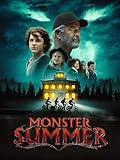
Monster Summer | Buy on Amazon | |
| 3 |

|
Monster House (Widescreen) | $6.64 | Buy on Amazon |
| 4 |

|
Monster High - 2 monsterstarke Filme | $7.07 | Buy on Amazon |
| 5 |

|
Meg, The 2-Film Collection (DVD) | $9.96 | Buy on Amazon |
What Monster Summer is really aiming for is comfort horror, a movie that feels like rediscovering a VHS you wore out as a kid. The performances lean earnest, the humor is broad without being juvenile, and the supernatural elements are colorful enough to spark imagination rather than nightmares. Whether it fully earns a spot alongside classics like Hocus Pocus is a bigger question, but its intentions are refreshingly sincere, and that counts for a lot in a genre increasingly dominated by irony.
The Setup Without the Spoilers: Small-Town Legends, Big Seasonal Vibes
Monster Summer wastes no time planting its flag in familiar, cozy territory. The story unfolds in a close-knit coastal town where summer should be winding down peacefully, but local folklore has other plans. It’s the kind of place where everyone knows each other, rumors travel faster than facts, and long-standing legends are treated like harmless tradition—until they’re not.
#1 Best Overall
- Monster Summer [DVD]
Rather than reinventing the wheel, the film leans into the comfort of a well-worn setup, and that’s very much by design. A group of kids stumble onto something strange, adults are either distracted or skeptical, and the season itself becomes part of the atmosphere. The sun-soaked days and creeping twilight nights give the movie a distinctly end-of-summer energy that feels nostalgic before anything overtly spooky even happens.
Legends That Feel Pulled From Childhood
At the heart of Monster Summer is a town myth that sounds exactly like the kind of story kids dare each other to repeat. It’s not overly complicated or drenched in lore, but it doesn’t need to be. The film understands that the best family-friendly horror legends are simple, flexible, and just eerie enough to spark imagination without demanding deep explanation.
This approach mirrors classics like Hocus Pocus, where the rules of the supernatural exist mainly to serve the fun. Monster Summer isn’t interested in grim mythology or shocking twists; it’s more concerned with how these legends ripple through the town and affect the kids who are brave—or curious—enough to poke at them.
A Seasonal Mood That Does Half the Work
One of the film’s quiet strengths is how confidently it uses its setting to sell the mood. Boardwalks, beaches, and quiet neighborhoods are framed with an autumn-leaning palette that hints at spooky season just around the corner. Even when nothing overtly supernatural is happening, there’s a sense that the town is holding its breath.
The Tool Desk
Outbyte Driver Updater FREEScan for outdated or missing drivers - takes under a minuteDriver Scan →Outbyte PC Repair FREEClear out junk files and repair common Windows errorsFree Scan →This seasonal texture does a lot of heavy lifting, especially for viewers craving that cozy, October-adjacent feeling. Like the best throwback horror, Monster Summer understands that atmosphere can be just as important as plot, and it builds its world in a way that feels inviting rather than intimidating.
Tone and Atmosphere: How Monster Summer Channels Hocus Pocus–Style Fun
Where Monster Summer really finds its footing is in the balance between spooky suggestion and playful adventure. The film never pushes too hard into genuine terror, instead favoring a tone that feels mischievous, curious, and occasionally eerie. That restraint is key to its throwback appeal, echoing the way Hocus Pocus prioritized mood and momentum over outright fear.
There’s a comforting predictability to how the scares unfold, and that’s meant as a compliment. Shadows linger a beat longer than expected, strange sounds drift through otherwise peaceful spaces, and the supernatural is framed as something unsettling but not overwhelming. It’s the kind of horror designed to be watched with the lights dimmed, not turned off completely.
Spooky Without Being Scary
Monster Summer understands that its audience spans generations, and it calibrates its chills accordingly. The scares are soft-edged and often brief, more about anticipation than payoff. When something creepy does happen, it’s usually followed by humor, character banter, or a quick release of tension.
This approach mirrors the rhythm of Hocus Pocus and other family-friendly genre staples, where fright is part of the fun rather than the goal. Younger viewers can enjoy the spooky imagery without feeling overwhelmed, while older audiences can appreciate the craftsmanship behind knowing when to pull back.
A Playful Sense of Humor That Never Undercuts the Mood
The film’s humor is baked into its tone rather than layered on top of it. Jokes come from character dynamics and situational awkwardness, not modern snark or self-aware parody. That gives Monster Summer a timeless quality, avoiding the wink-at-the-camera style that can quickly date nostalgic throwbacks.
Rank #2
Importantly, the comedy doesn’t deflate the atmosphere. Even when the movie is having fun, it maintains the sense that something strange is lurking just out of frame. That balance keeps the story engaging without tipping into outright spoof.
Performances That Sell the Fantasy
A big part of why the tone works is the commitment from the cast, especially the younger performers. They treat the mystery and danger with sincerity, which grounds the supernatural elements and makes the stakes feel real within the film’s gentle framework. No one plays the material as a joke, even when the story itself is clearly leaning into fantasy.
Free tools Windows power users keep installed
One-click scans. No signup required.
The adults, meanwhile, fit neatly into familiar roles without feeling like cardboard cutouts. Their skepticism and distraction aren’t frustrating so much as expected, reinforcing the kid-centric perspective that defines the genre. It’s another way Monster Summer aligns itself with classics like Hocus Pocus, where belief is the true dividing line between safety and danger.
A Cozy Throwback That Knows Exactly What It Is
Ultimately, Monster Summer succeeds by embracing its limitations and leaning into its strengths. It doesn’t aim to reinvent spooky storytelling or push boundaries; it aims to recreate a feeling. That feeling is one of late-night cable movies, seasonal rewatches, and stories that feel spooky enough to remember but gentle enough to revisit.
For viewers chasing that specific blend of comfort and creepiness, the film’s tone lands squarely in the sweet spot. It may not cast as long a shadow as its inspirations, but it understands why those films endured, and it channels that spirit with genuine affection.
Performances That Sell the Magic: Cast Chemistry and Standout Turns
A Young Ensemble That Carries the Spell
Monster Summer lives or dies on whether its young cast can sell the sense of discovery, and thankfully, they do. There’s an easy camaraderie between the central kids that recalls the effortless group dynamics of ‘90s adventure-horror, where friendship is both shield and superpower. Their banter feels lived-in rather than scripted, which helps the supernatural elements land without feeling artificial.
Quick wins for a faster PC:
Repair Windows errors before they cause bigger problemsFix Now →Fix the driver behind crashes, sound loss and screen glitchesFind Drivers →Crucially, the performances never slip into irony. The fear, curiosity, and excitement are played straight, allowing the movie’s lighter scares to feel genuine instead of cartoonish. That sincerity is exactly what gives the film its Hocus Pocus-adjacent charm, where believing in the danger is half the fun.
Adults Who Understand the Assignment
The adult cast wisely avoids overcomplicating their roles, leaning into familiar archetypes while still finding small character beats to make them memorable. Whether they’re distracted authority figures or well-meaning skeptics, their performances reinforce the story’s kid-first perspective without turning anyone into a punchline. It’s a delicate balance, and Monster Summer handles it with confidence.
Rather than stealing focus, the adults serve as tonal anchors, grounding the story just enough to keep the fantasy from floating away. Their restrained approach also mirrors classic family horror, where grown-ups are part of the world but rarely the ones driving the adventure.
Standout Turns That Elevate the Nostalgia
A few supporting performances add unexpected texture, giving the film emotional shading beyond its spooky trappings. These characters help sell the idea that this is a community worth saving, not just a backdrop for Halloween antics. It’s a subtle but important distinction that separates disposable throwbacks from ones with lasting appeal.
What’s actually slowing this PC down?
Pick the symptom - the matching free tool is one click away.
Rank #3
- Three kids, D.J., Chowder and Jenny, discover that their neighbor's house is a monster, but no one believes them.
Together, the cast creates a sense of warmth that complements the film’s gentle chills. Monster Summer may rely on familiar ingredients, but the performances mix them with enough sincerity and chemistry to make the magic feel earned rather than recycled.
Family-Friendly Frights: Scares, Creatures, and Comedy in Balance
With its cast and tone firmly established, Monster Summer turns its attention to the fun part: delivering spooky set pieces that feel thrilling without ever tipping into nightmare fuel. The film understands that its primary audience wants goosebumps, not sleepless nights, and calibrates its scares accordingly. Think sudden shadows, eerie silhouettes, and ominous noises that make younger viewers lean forward rather than look away.
Scares That Tease Instead of Traumatize
The horror here is intentionally soft-edged, favoring suspense and atmosphere over outright shock. Doorways linger a beat too long, woods feel just a little too quiet, and the threat is often implied before it’s fully revealed. It’s a structure straight out of the Hocus Pocus playbook, where anticipation does more work than any jump scare ever could.
Importantly, the film trusts its audience’s imagination. By letting tension build gradually, Monster Summer creates moments that feel genuinely spooky while remaining accessible to kids and cautious parents alike. It’s the kind of horror that invites laughter after the scare, not relief that it’s over.
Do these 3 things before closing this tab:
1Clear out junk files and repair common Windows errors2Fix the driver behind crashes, sound loss and screen glitches3Repair Windows errors before they cause bigger problemsCreature Design With Personality
When the creatures do emerge, they lean toward expressive rather than grotesque. Their designs feel handcrafted and deliberately theatrical, more fairy-tale monster than modern horror abomination. There’s an emphasis on texture, movement, and personality, which makes them memorable without crossing into disturbing territory.
That approach pays off in how the creatures function within the story. They’re scary enough to justify the kids’ fear, but stylized enough to remain fun, aligning perfectly with the film’s throwback sensibilities. It’s easy to imagine these monsters becoming favorite Halloween costumes rather than sources of lingering dread.
Comedy as a Safety Net
Comedy plays a crucial role in keeping everything balanced, often arriving right after moments of tension. The humor isn’t broad slapstick, but situational and character-driven, rooted in how the kids react to the increasingly strange events around them. Their nervous jokes and incredulous reactions act as pressure valves, releasing tension without undercutting the stakes.
This rhythm of scare, laugh, and regroup is key to Monster Summer’s success. It mirrors the pacing of classic family horror, where fun and fear coexist instead of competing. By never letting the darkness overwhelm the playfulness, the film maintains a welcoming tone that feels tailor-made for seasonal rewatches and shared family viewing.
Outdated Drivers Are Slowing You Down
One free scan finds every outdated or missing driver and matches the right update for your exact hardware.Free scan · exact hardware matchWindows Errors? Fix Them Before They Spread
Repair common Windows errors and clear accumulated junk for a smoother, more stable PC - no reinstall needed.Free scan · no reinstallDirection, Pacing, and Visual Style: Crafting a Modern Throwback
A Director Who Understands the Assignment
Monster Summer works best because its direction knows exactly what kind of movie it wants to be. Rather than chasing modern horror trends, the film leans into clarity, mood, and character-focused storytelling, evoking the comforting confidence of ‘90s family genre fare. The camera rarely feels restless, allowing scenes to breathe and letting atmosphere do the heavy lifting.
There’s a deliberate restraint in how scares are staged, with the director favoring wide compositions and slow reveals over frantic cutting. It’s a choice that mirrors classics like Hocus Pocus, where the magic comes from immersion rather than sensory overload. That patience reinforces the idea that this is a film meant to be savored, not survived.
Pacing That Respects Its Audience
The pacing strikes a careful balance between momentum and mood, especially in the first half. The setup takes its time establishing the town, the friendships, and the rules of its supernatural threat, which pays dividends once things escalate. Instead of rushing toward spectacle, the film lets curiosity and unease accumulate naturally.
There are moments where the middle stretch feels slightly relaxed, particularly during character-focused detours, but this never derails the experience. In fact, that breathing room enhances the throwback feel, recalling an era when family genre films trusted viewers to stay engaged without constant plot fireworks. The final act tightens things up nicely, delivering a satisfying run of spooky set pieces without losing its playful tone.
Recommended Free Tools
A Visual Style Rooted in Autumnal Charm
Visually, Monster Summer leans hard into seasonal nostalgia, and it’s all the better for it. Warm oranges, deep blues, and softly lit night scenes dominate the palette, creating a perpetual golden-hour autumn that feels tailor-made for October viewing. The town itself becomes a character, its quiet streets and shadowy woods echoing the cozy eeriness of classic spooky favorites.
The effects work favors practical touches and stylized visuals over digital excess. When CGI appears, it’s used sparingly and in service of mood rather than spectacle. This grounded, tactile approach reinforces the film’s identity as a modern throwback, capturing the spirit of films like Hocus Pocus while still feeling polished enough for contemporary audiences.
Independent reader supportYour contribution helps us test, update, and keep practical guides available for everyone.Comparisons to Classic Spooky Favorites: Where Monster Summer Fits In
Monster Summer wears its influences proudly, and the most obvious comparison is Hocus Pocus. Like that perennial Halloween favorite, it understands that spooky fun works best when it’s rooted in personality, atmosphere, and a sense of community rather than outright terror. The film aims for that sweet spot where younger viewers feel safely thrilled and older audiences can relax into the charm.
Where it diverges slightly is in tone. Monster Summer is a touch more grounded, leaning less into outright comedy and more into gentle suspense. That makes it feel closer in spirit to films like The Watcher in the Woods or the lighter entries of Goosebumps, where curiosity and creeping dread coexist with humor.
A Familiar Formula, Comfortably Reworked
Structurally, Monster Summer follows a well-worn path: kids uncover something strange, adults don’t quite believe them, and a local legend proves to be more real than expected. It’s a formula that powered many ’80s and ’90s genre staples, and the film doesn’t pretend to reinvent it. Instead, it focuses on executing those beats with sincerity and polish.
The performances are key to making this feel more than just a checklist exercise. The young cast brings an easy chemistry that recalls ensemble-driven favorites like The Goonies, while the adult characters avoid becoming caricatures. That balance helps the film maintain its family-friendly appeal without talking down to its audience.
Scares Designed for All Ages
In terms of horror, Monster Summer aligns closely with classics that prioritized mood over menace. The scares are gentle but effective, built around shadows, unsettling imagery, and the anticipation of what might be lurking just off-screen. Parents looking for something spooky but safe will find this comfortably in the same lane as Hocus Pocus or Casper.
That accessibility does come with trade-offs. Genre fans hoping for darker twists or sharper edges may find the film a bit too polite. Still, that restraint feels intentional, reinforcing Monster Summer’s goal of being a shared viewing experience rather than a test of nerves.
Best Value
Nostalgia Without Feeling Stuck in the Past
What ultimately places Monster Summer alongside classic spooky favorites is its understanding of why those films endured. It’s not just the monsters or the magic, but the feeling of being young in a world where the unknown still feels exciting instead of threatening. The movie taps into that emotional memory without relying on heavy-handed references or winks.
Rather than copying any single predecessor, Monster Summer blends familiar elements into something that feels comfortably familiar yet gently updated. It may not replace anyone’s all-time Halloween staple, but it earns its place as a modern companion piece, the kind of movie that could easily become part of an annual October rotation.
Final Verdict: Who Monster Summer Is For—and Why It Works
A Crowd-Pleaser for Nostalgia Lovers
Monster Summer knows exactly who it’s trying to charm. This is a movie built for viewers who grew up on VHS-era spooky fun, where the thrills were mild, the friendships mattered, and danger always felt just manageable. If Hocus Pocus, The Goonies, or Casper still spark warm memories, this film lands squarely in that comfort zone.
It’s also an easy recommendation for families looking to share a Halloween-season watch without negotiating age appropriateness. The scares are playful, the stakes feel exciting without becoming overwhelming, and the tone stays inviting from start to finish. That balance is where the movie finds its sweet spot.
Quick wins for a faster PC:
Repair Windows errors before they cause bigger problemsFix Now →Fix the driver behind crashes, sound loss and screen glitchesFind Drivers →Why the Throwback Formula Still Works
What makes Monster Summer effective isn’t originality so much as intention. The film understands that throwback horror succeeds when it prioritizes atmosphere, character chemistry, and a sense of adventure over spectacle or shock value. It leans into that philosophy with confidence, allowing the story to breathe and the relationships to carry the momentum.
The performances help ground the nostalgia, especially among the younger cast, who sell the wonder and fear without tipping into self-parody. Combined with a polished but unflashy presentation, the result feels sincere rather than manufactured, a crucial distinction in a genre often prone to hollow imitation.
Who Might Want Something More
That said, Monster Summer won’t satisfy everyone. Viewers craving sharper scares, darker themes, or subversive twists may find it too gentle for their tastes. The film plays things safe, and that safety net is part of its design rather than a creative misstep.
For its intended audience, though, that restraint is a feature, not a flaw. It’s a reminder that spooky stories don’t always need teeth to leave an impression, just heart and a little imagination.
Windows Errors? Fix Them Before They Spread
Repair common Windows errors and clear accumulated junk for a smoother, more stable PC - no reinstall needed.Free scan · no reinstallCrashes, No Sound, or Screen Glitches?
Random freezes, missing sound and display glitches usually trace back to one bad driver. Find and replace yours safely.Free scan · under a minuteIn the end, Monster Summer works because it remembers what made its inspirations endure in the first place. It’s less about reinventing the spooky-season wheel and more about inviting audiences back to a familiar, cozy corner of genre storytelling. For anyone in search of a light, nostalgic scare and a movie-night crowd-pleaser, this is a throwback worth revisiting.
Quick Recap
Product prices and availability are accurate as of the date/time indicated and are subject to change. Any price and availability information displayed on Amazon at the time of purchase will apply.

