What’s actually slowing this PC down?
Pick the symptom - the matching free tool is one click away.
Vilayat Khan helped shape a sitar style in which a plucked instrument could suggest the sustained pitches and expressive turns of Hindustani vocal music. His gayaki ang—literally, a vocal-oriented idiom—depended on both technique and instrument setup: the left hand bent strings to carry notes between pitches, while changes to the sitar supported that kind of melodic movement. The result was not a replacement for the sitar’s instrumental tradition, but a distinctive blend of vocal phrasing and plucked-string sound.
What gayaki ang means on a sitar
Gayaki ang describes an approach to playing that draws on the phrasing and ornamentation of Hindustani singing. The instrument still sounds its notes by being plucked; the player then uses the left hand to deflect a string and shape the pitch after the attack. This can make a note seem to continue or travel rather than break into a series of newly plucked pitches. The official Vilayat Khan biography links the style to sustained notes, meend (a glide between pitches), murki (a quick ornamental turn), and gamak (a forceful oscillation or shake), as well as phrase shapes associated with vocal music. Read the official biography.

“Vocal-oriented” does not mean that the sitar literally reproduces a human voice. It means the player organizes and ornaments notes with vocal expression in mind, while retaining the attack, resonance, and physical technique of a string instrument.
Why technique and instrument design became linked
A vocal-like glide needs room for the string to move across a wide range of pitch. In the accounts of Khan’s style, string deflection is therefore not a decorative extra: it is central to how the melody is shaped. A sitar’s string arrangement, clearance above the frets, bridge, and structural support can all affect how a player handles and sustains that movement. The official biography and a separate biographical essay both connect the instrument’s setup with the demands of his expressive approach, though they emphasize different details.
#1 Best Overall
What changed in Vilayat Khan’s sitar
The sources do not offer one independently corroborated chronology of every alteration. Their descriptions are best read as accounts of features associated with Khan’s setup, not as a universal specification for all modern sitars.
String arrangement and tuning
The official biography says Khan removed the lower-pitched extra jod and brass pancham strings and replaced them with a steel gandhar string. A separate biographical essay characterizes his instrument as a six-string, treble-focused sitar with changed tuning. It says the string scheme helped provide raga-specific resonance and a drone-like filling of silences. These descriptions concern the setup associated with Khan; they should not be taken to mean that every sitar has the same six-string arrangement or tuning. Official biography; biographical essay.
Rank #2

- Instrument: Persian Quality Setar By Nava
- Bowl: Mulberry, Neck: Walnut, Pegs: Walnut
- Length of Instrument: 86 cm, Length of strings: 66 cm,
- It comes with soft case and extra strings
Bridge, clearance, and reinforcement
The official biography also describes a raised bridge, strengthened tar gahan (the string-support or anchor area), and a thicker tabli (soundboard). These are construction details attributed to that account. The biographical essay separately notes experiments with bridge materials; it does not establish a single bridge material as definitive for Khan’s style.
Posture and handling
The biographical essay includes altered posture and ergonomics among the changes associated with Khan’s setup, alongside a larger resonator. That emphasis matters: the redesign was not only about the instrument’s sound. How a sitar sits against the player and how its strings respond also shape what techniques feel practical. The essay’s account does not establish a dated sequence for these changes or a standard used by all sitar makers.
Do these 3 things before closing this tab:
1Fix the driver behind crashes, sound loss and screen glitches2Clear out junk files and repair common Windows errors3Scan for outdated or missing drivers - takes under a minuteRank #3

- Acoustic-Electric Sitar. Can be played both ways. Comes installed with acoustic strings and a spare electric string set (magnetic strings). Simply change 3 brass strings to convert to electric
- Full cedar wood construction; the best wood for sitars to withstand the high tension created by over 21 Strings! Adds to the life of your Sitar dramatically and also ensures more consistent tuning
- Real bone bridges and brass frets, top of the line.
- 7 Main String RAVI SHANKAR configuration
The official biography names instrument makers Kanai Lal Das, Hiren Roy, and Bhishan Das Rikhi Ram as collaborators in the instrument’s development. The account presents the result as a process involving makers as well as the musician, rather than a redesign attributable to Khan alone.
A vocal influence built on instrumental tradition
Khan’s style is associated with vocalized phrasing, but it did not abandon the sitar’s plucked-instrument idiom. The biographical essay describes tantkar ang—the instrumental, plucked-string approach—as foundational to the style. Gayaki ang adds the shaping of sustained pitches and vocal-derived ornaments to that base. This combination helps explain why the style is better understood as a meeting of idioms than as an attempt to turn the sitar into a voice.
Rank #4
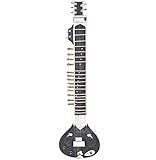
- BRAND NEW ORIGINAL SITAR
- FULLY TUNED, PROFESSIONAL QUALITY - KHARAJA PANCHAM STYLE
- SINGLE TOOMBA SITAR - BLACK COLOR - EXQUISITE CELLULOID WORK - CAMEL BONE BRIDGES
- INCLUDES PADDED GIG/TRAVEL BAG FOR SITAR, MIZRABS AND EXTRA SET OF STRINGS
- INSTRUMENT HAND CRAFTED IN INDIA - PROFESSIONALLY TESTED BEFORE DISPATCH!
Vilayat Khan’s place in the style’s lineage
The Government of India Ministry of External Affairs identifies Ustad Vilayat Khan (1928–2004) as a member of the Imdadkhani Gharana and describes his trademark gayaki ang as making the sitar evoke vocal forms such as khayal. Government of India catalogue (2015).
That recognition makes Khan a major architect and developer of the modern style associated with his name, not the sole source of every vocal influence or instrument feature. The Aga Khan Museum identifies his son and disciple Shujaat Khan and describes gayaki ang as imitative of the subtleties of the human voice, offering a direct family and teaching connection without resolving broader questions about who first developed each element. Aga Khan Museum biography of Shujaat Khan.
Quick wins for a faster PC:
Scan for outdated or missing drivers - takes under a minuteDriver Scan →Repair Windows errors before they cause bigger problemsFix Now →Best Value
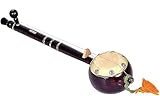
- Sale For - Pack Of 1 | Type - Musical Instrument Iktara
- Material - Wooden | Color - Multicolor
- Item Size - Length - 22 Inches (Approx)
- Pure Handmade Fine Crafted Indian Musical Playing Instruments Wooden Iktara.
- It is used in genres like bhajans, kirtans, and other forms of music.
Teed Rockwell, identified by the official Vilayat Khan site as a musician and musicologist, is quoted there as saying: “Anyone who plays the sitar, or any stringed Indian instrument today, owes him (Ustad Vilayat Khan) an incalculable debt.” The quotation is reproduced on Khan’s official site. Vilayat Khan official biography.
Why the book title fits the story
Namita Devidayal’s The Sixth String of Vilayat Khan is a biography directly concerned with the musician and the development of his musical identity. Its title points readers toward the relationship between a player’s style and the instrument through which it takes shape: Khan’s legacy is not just a hardware change, but a way of making the sitar carry a particular kind of melodic expression. Publisher page for the biography.
Quick Recap
Product prices and availability are accurate as of the date/time indicated and are subject to change. Any price and availability information displayed on Amazon at the time of purchase will apply.