Do these 3 things before closing this tab:
1Scan for outdated or missing drivers - takes under a minute2Clear out junk files and repair common Windows errors3Fix the driver behind crashes, sound loss and screen glitchesSome links on this page are affiliate links: if you buy through them we may earn a commission, at no extra cost to you.
Beats began as a premium headphone brand built around music culture, but Apple’s 2014 purchase was about more than headphones. The deal brought Apple an established consumer brand, audio products and software, a music-streaming service, and the founders’ industry expertise. Beats’ origin is dated to 2006 by the company; Apple and European regulatory records describe Beats Electronics as established in 2008. Those dates refer to different stages, not necessarily a contradiction.
Before Beats: a producer and a music executive
Beats was founded by Andre “Dr. Dre” Young and Jimmy Iovine, whose backgrounds gave the partnership a distinctive mix of music credibility and commercial experience. Dre was a rapper and producer whose work had helped shape popular music. His name made the product’s relationship to recorded music immediately legible to consumers. Iovine, a record producer and music executive, brought deep familiarity with artists, labels, promotion and the business of getting music to listeners.
The founders saw an opportunity to make personal listening feel more immediate and consequential. Apple later described Beats’ aim as bringing the energy, emotion and excitement of studio playback to consumers. That was a proposition about feeling as much as fidelity: early Beats products were not chiefly marketed as neutral reference equipment for audio specialists. They offered a vivid, bass-forward presentation, recognizable design and a premium identity tied to the people who made and performed the music.
The Tool Desk
Outbyte PC Repair FREERepair Windows errors before they cause bigger problemsFix Now →Outbyte Driver Updater FREEScan for outdated or missing drivers - takes under a minuteDriver Scan →2006 origins, 2008 company and headphones
Beats’ own company history traces its founding to 2006. Apple’s acquisition announcement and the European Commission’s 2014 merger decision identify Beats Electronics as established in 2008. A useful distinction is that 2006 marks the origin of the founders’ collaboration and brand story, while 2008 is the formal company and early product-launch period described in corporate and regulatory records.
#1 Best Overall
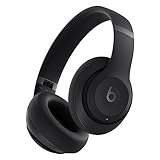
- INCREDIBLE SOUND: Custom acoustic platform delivers rich, balanced audio for music, calls and everyday listening.
- LOSSLESS AUDIO SUPPORT: USB-C lossless audio and sound profiles optimize music quality across devices and environments. Additional option to use the 3.5 mm cable for a standard analog experience.
- ACTIVE NOISE CANCELLING (ANC): block distractions at work, on flights or during your daily commute. Or use Transparency mode to let the sounds of your environment mix in with your music.
- SEAMLESS WIRELESS CONNECTIVITY: One-touch pairing with Apple & Android for easy switching across devices.
- SPATIAL AUDIO IMMERSION: Personalized dynamic head tracking, 360-degree sound for movies, music and immersive everyday listening.
The early “Beats by Dr. Dre” Studio headphones put the proposition into a tangible product: over-ear headphones with a conspicuous silhouette and a name that linked them to a prominent music figure. Contemporary and later histories generally place the first major Beats headphone launches in 2008, though the exact development and release chronology is less consistently documented. The early hardware relationship also involved Monster, which participated in engineering, manufacturing and distribution. That involvement should not be confused with founding or owning Beats: Beats supplied the brand and product concept, and later products moved beyond the original arrangement.
How headphones became cultural objects
Beats’ rise cannot be explained by specifications alone. The headphones were visible whenever someone wore them, turning a personal audio device into an accessory. The large, distinctive design, logo, colors and premium positioning made them recognizable at a glance. Celebrity and athlete visibility, music and entertainment placements, and collaborations helped carry the products into everyday popular culture.
The name “Beats by Dr. Dre” did substantial work: it suggested a connection to music-making without asking a shopper to understand driver design or frequency response. Consumers were buying sound, but also a recognizable look and an association with artists and performers. Beats offered an aspirational step up from inexpensive bundled earbuds at a moment when headphones were increasingly worn in public, where other people could see them. Its success did not prove that every listener preferred its tuning, or that it was the most technically neutral choice. It showed that design, identity, distribution and cultural authority could matter alongside sound.
Quick wins for a faster PC:
Repair Windows errors before they cause bigger problemsFix Now →Fix the driver behind crashes, sound loss and screen glitchesFind Drivers →Clear out junk files and repair common Windows errorsFree Scan →Rank #2

- Custom acoustic architecture and updated drivers for powerful Beats sound.
- Personalized Spatial Audio with dynamic head tracking.
- Ultralight ergonomic design for all-day comfort. Flex-grip headband and ergonomically angled, adjustable ear cups for a stable fit.
- UltraPlush ear cushions are designed for comfort and durability.
- Up to 50 hours of battery life.
Apple’s 2014 announcement pointed to musicians, designers, street artists and athletes who used or collaborated on Beats products, describing the brand as part of U.S. pop culture. That visibility gave Beats a form of marketing conventional advertising could not easily reproduce: the products appeared in the same cultural settings that made the brand meaningful.
From headphones to a wider audio business
Beats broadened its lineup from over-ear headphones to earphones, speakers and audio-related software. The Beats Pill portable speaker extended the brand from private listening to shared playback, giving it a place in social settings as well as on a listener’s head. The company also developed Beats Audio software and pursued computer and automotive audio relationships. In its 2014 review, the European Commission described Beats Electronics as designing, developing and selling headphones and speakers, as well as developing and marketing audio software and computer hardware.
This expansion mattered to Apple because Beats had become more than a single hit product. It was a consumer-audio business with a distinct identity and relationships across music and entertainment. The Pill and other categories broadened the potential reach of that identity, even as headphones remained its best-known products.
Rank #3

- Custom acoustic architecture and updated drivers for powerful Beats sound.
- Personalized Spatial Audio with dynamic head tracking.
- Ultralight ergonomic design for all-day comfort. Flex-grip headband and ergonomically angled, adjustable ear cups for a stable fit.
- UltraPlush ear cushions are designed for comfort and durability.
- Up to 50 hours of battery life.
Beats Music was not Beats Electronics
Beats Music was a separate strand of the story, and it is often mistakenly collapsed into the headphone business. Beats Electronics established Beats Music in 2011; the service business was spun out in 2013, and its subscription streaming service launched in January 2014. At the time of the European Commission’s review, the service was available in the United States and Australia.
Its pitch emphasized human curation and personalization: music selected for moods, activities and situations, rather than asking listeners to navigate a large catalog without guidance. Apple described Beats Music as a personalized subscription service programmed by music experts. That approach gave Apple a ready-made streaming proposition and a team working on a central challenge for music services: how to help people find what to play, not merely provide access to a library.
Why Apple bought Beats
On May 28, 2014, Apple announced an agreement to acquire both Beats Electronics and Beats Music. The announced price was approximately $3 billion: about $2.6 billion in purchase price and roughly $400 million that would vest over time. The transaction closed in July 2014. The official figure is approximately $3 billion; larger numbers circulated in pre-announcement reports and should not be confused with Apple’s announced terms.
Rank #4

- INCREDIBLE SOUND: Custom acoustic platform delivers rich, balanced audio for music, calls and everyday listening.
- LOSSLESS AUDIO SUPPORT: USB-C lossless audio and sound profiles optimize music quality across devices and environments. Additional option to use the 3.5 mm cable for a standard analog experience.
- ACTIVE NOISE CANCELLING (ANC): block distractions at work, on flights or during your daily commute. Or use Transparency mode to let the sounds of your environment mix in with your music.
- SEAMLESS WIRELESS CONNECTIVITY: One-touch pairing with Apple & Android for easy switching across devices.
- SPATIAL AUDIO IMMERSION: Personalized dynamic head tracking, 360-degree sound for movies, music and immersive everyday listening.
There were several overlapping reasons for the deal:
- A cultural brand: Beats had built broad recognition and a premium position in consumer audio through design, music associations and visibility. Apple was buying an existing connection to consumers, not just a manufacturing line.
- Music-industry relationships: Iovine had long experience working with artists and the recording business, and Apple highlighted his history with the music industry and its iTunes ecosystem.
- Streaming expertise: Beats Music offered a subscription service, curation approach and team as the market was moving beyond music downloads toward streaming.
- Hardware and software: Beats brought a product business in headphones and speakers, alongside audio software and related expertise.
- People as well as products: Dre and Iovine joined Apple as part of the announced transaction.
The European Commission reviewed the deal across headphones, digital music distribution and vertical relationships. Its decision is also useful historical context: it identified Bose, Sennheiser, Sony and Skullcandy among relevant competitors in headphone segments at the time. Those are not current market rankings, but they show that regulators treated Beats as a meaningful participant in a broader audio market rather than as an isolated celebrity label.
What happened after the acquisition?
The two parts of Beats had different futures. Beats Music did not continue as a separate long-term service; its people and ideas became part of Apple’s broader music strategy, which culminated in Apple Music. Beats hardware, by contrast, remained on sale under its own brand. Apple did not simply discontinue the headphones after buying the company.
Best Value

- Custom acoustic architecture and updated drivers for powerful Beats sound.
- Personalized Spatial Audio with dynamic head tracking.
- Ultralight ergonomic design for all-day comfort. Flex-grip headband and ergonomically angled, adjustable ear cups for a stable fit.
- UltraPlush ear cushions are designed for comfort and durability.
- Up to 50 hours of battery life.
Over time, Apple technologies appeared in Beats products, including features for pairing, device finding and software updates. But Beats retained its own name, visual identity and product designs. Its products also continued to address Android users. For example, the current Studio Pro product information lists Apple features such as one-touch pairing, Siri, Find My and over-the-air updates, alongside Android features including Google Fast Pair, Audio Switch and Find My Device. Support and feature sets vary by product, so buyers should check the page for the model they are considering.
Beats and AirPods: related, not identical
Apple does not publish a simple official chart dividing AirPods and Beats into fixed roles. A reasonable reading of the portfolio is that AirPods are Apple’s primary first-party personal-audio brand, while Beats keeps a more fashion- and culture-oriented identity, a visibly different design language and a broad cross-platform appeal. The product ranges overlap, but they are not identical. Beats includes categories such as neckband earbuds and sport-focused designs, and it often presents Android compatibility prominently.
That distinction is an interpretation of the brands and products, not a formally stated Apple doctrine. Apple ownership gives Beats access to some of the company’s technologies and distribution, while the separate brand lets Apple address listeners who want a different look, fit or relationship to music culture.
PC Slower Than It Used to Be?
A free scan shows the junk files, broken settings and background clutter dragging Windows down - then fixes them in one click.Free scan · Windows 10 & 11Outdated Drivers Are Slowing You Down
One free scan finds every outdated or missing driver and matches the right update for your exact hardware.Free scan · exact hardware matchBeats today
As of the August 2026 catalog snapshot, Beats remains an active Apple-owned audio brand, not a discontinued legacy label. Its official U.S. catalog includes over-ear and on-ear headphones, true-wireless earbuds, workout earbuds, neckband earbuds and the Beats Pill speaker. The listed lineup includes Studio Pro, Solo 4, Powerbeats Fit, Powerbeats Pro 2, Studio Buds+, Solo Buds, Beats Flex and Beats Pill. Models, features and regional availability can change; the catalog is a snapshot, not a permanent lineup.
The range reflects the brand’s evolution: Beats still sells the visible, style-conscious audio products that made it famous, but now operates inside Apple’s wider hardware and services ecosystem. Its history is not simply a story of a headphone startup being absorbed. It is a story of a brand that made listening culturally visible, expanded into music services and audio technology, and gave Apple a shortcut into a consumer category where cultural reach mattered as much as engineering.
Quick Recap
Key dates
| Date | Milestone |
|---|---|
| 2006 | Beats’ origin and founding period, according to the company’s own history. |
| 2008 | Beats Electronics formally established, according to Apple and European regulatory records; early major headphone launch period. |
| 2011 | Beats Music established by Beats Electronics. |
| 2013 | Beats Music spun out as a separate company. |
| January 2014 | Beats Music subscription service launched. |
| May 28, 2014 | Apple announced its acquisition of Beats Music and Beats Electronics for approximately $3 billion. |
| July 2014 | Apple completed the acquisition. |
| August 2026 | Beats remained an active Apple-owned audio brand with a multi-category product catalog. |
Product prices and availability are accurate as of the date/time indicated and are subject to change. Any price and availability information displayed on Amazon at the time of purchase will apply.

