Recommended Free Tools
The Equalizer is one of those rare franchises that feels timeless and constantly reinvented at the same time. Built around the idea of an ordinary-looking figure who secretly dispenses justice for people with nowhere else to turn, it taps into a universal fantasy: that someone out there will step in when the system fails. Over four decades, that core concept has proven flexible enough to support a classic television series, a blockbuster film trilogy, and a modern network reboot.
At its heart, The Equalizer is about moral precision rather than brute force. The central character, operating under a self-imposed code, offers help to victims who have exhausted every legal option, then methodically dismantles the people hurting them. What makes the franchise compelling is not just the action, but the calm intelligence behind it, the sense that justice is being delivered with intention, not impulse.
| # | Preview | Product | Price | |
|---|---|---|---|---|
| 1 |

|
Safe House | Buy on Amazon | |
| 2 |
|
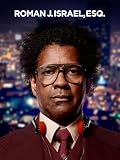
Roman J. Israel, Esq. | Buy on Amazon | |
| 3 |

|
The Equalizer 2 | Buy on Amazon | |
| 4 |
|
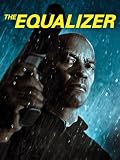
The Equalizer | $14.99 | Buy on Amazon |
| 5 |

|
Inside Man | $4.99 | Buy on Amazon |
Understanding the franchise means understanding that it is not a single, linear story told across decades. Instead, it is a shared concept reinterpreted for different eras, audiences, and mediums. That distinction is why watch order matters, and why new viewers are often surprised to learn how loosely connected the various entries really are.
The origins of The Equalizer
The franchise began in 1985 as a CBS television series starring Edward Woodward as Robert McCall, a former intelligence operative living quietly in New York. Posing as a mild-mannered civilian, McCall advertised his services to people in desperate situations, promising to “equalize” unfair odds. The show ran for four seasons and established the blueprint that every future version would follow.
#1 Best Overall
Nearly three decades later, the concept was revived for the big screen. Antoine Fuqua’s The Equalizer films, starring Denzel Washington, reimagined McCall as a retired CIA assassin whose quest for personal peace keeps colliding with violent injustice. While inspired by the original series, the movies function as a standalone continuity, modernized in tone, scale, and intensity.
How the TV shows and movies connect
Despite sharing a name and premise, the different versions of The Equalizer are not direct sequels to one another. The 1980s series, the Denzel Washington film trilogy, and the recent CBS reboot starring Queen Latifah each exist in their own narrative space. Characters, backstories, and timelines do not overlap in any literal way, even when familiar names like “McCall” resurface.
That separation is what makes order such an important question for viewers. Watching by release date offers a look at how the concept evolved over time, while watching within each continuity provides the clearest storytelling experience. Knowing which entries are connected and which are thematic reinterpretations helps fans decide whether they want a complete historical tour or a focused, streamlined watch.
Release Order: How Audiences First Experienced The Equalizer on Film and TV
For viewers discovering The Equalizer today through streaming menus and reruns, it can be surprising to realize how spread out the franchise’s history really is. The release order reflects long gaps between iterations, shifts in medium, and changing cultural tastes. Experiencing the franchise this way offers a clear look at how the same core idea has been reinterpreted across four decades.
The Equalizer (1985–1989)
Audiences were first introduced to The Equalizer on CBS in 1985, with Edward Woodward’s understated yet formidable Robert McCall anchoring the series. The show ran for four seasons, totaling 88 episodes, and became known for its procedural structure paired with moral seriousness. For many viewers, this version defined what The Equalizer was: quiet vigilance, methodical justice, and a protagonist who preferred brains over brute force.
This original series stood alone for decades, with no immediate sequels or spin-offs. Its influence, however, lingered in television culture, especially in later vigilante and “helper-for-hire” dramas.
The Equalizer (2014)
Nearly 25 years after the original show ended, The Equalizer returned in a dramatically different form. Antoine Fuqua’s 2014 film starred Denzel Washington as a reimagined Robert McCall, trading episodic television storytelling for a gritty, R-rated action thriller. Released in theaters, the film positioned the concept for a modern blockbuster audience.
This version made no attempt to continue the CBS storyline. Instead, it used the name and premise as a foundation for a darker, more violent character study, reflecting contemporary action cinema trends.
Do these 3 things before closing this tab:
1Fix the driver behind crashes, sound loss and screen glitches2Repair Windows errors before they cause bigger problems3Scan for outdated or missing drivers - takes under a minuteThe Equalizer 2 (2018)
The success of the first film led directly to The Equalizer 2, released in 2018. This sequel was notable for being Denzel Washington’s first on-screen sequel in his career, and it leaned more heavily into McCall’s personal life and emotional motivations. Audiences experienced this entry as a direct continuation of the 2014 film’s narrative.
By this point, the movie franchise had fully established itself as its own continuity, separate from any television roots.
The Equalizer (2021–Present)
In 2021, CBS revived The Equalizer once again, this time as a network television reboot starring Queen Latifah as Robyn McCall. Released years after the film series was already underway, the show nonetheless exists independently of the movies. Its debut marked a return to episodic storytelling, with weekly cases and an emphasis on community-level justice.
Despite airing alongside the later Denzel Washington films, the series does not acknowledge or intersect with the movie continuity. For audiences watching in release order, this version feels like a parallel evolution rather than a continuation.
The Equalizer 3 (2023)
The most recent entry in release order is The Equalizer 3, which arrived in theaters in 2023. Marketed as the final chapter of Denzel Washington’s McCall, the film brought the cinematic trilogy to a close. Its release solidified the movies as a complete, self-contained arc within the broader franchise history.
By the time it premiered, audiences were already familiar with multiple versions of The Equalizer existing simultaneously. That context makes the release order especially useful, as it highlights how the franchise has never moved forward in a straight line, but rather reinvented itself whenever it returned.
Chronological Timeline: Do The Equalizer Movies and TV Shows Share Continuity?
With multiple versions of The Equalizer spanning nearly four decades, it’s natural to wonder whether the films and television shows connect in a single timeline. The short answer is no, but the longer explanation reveals how the franchise uses the same core concept to tell very different stories across generations.
Rank #2
Rather than functioning as sequels or prequels to one another, each incarnation of The Equalizer exists in its own continuity. What links them is the idea of a former operative offering justice to those who have nowhere else to turn, not shared characters or overlapping events.
The Denzel Washington Film Timeline
The three theatrical films form a clean, self-contained narrative focused exclusively on Robert McCall as portrayed by Denzel Washington. Chronologically, the story unfolds exactly as it was released: The Equalizer (2014), followed by The Equalizer 2 (2018), and concluding with The Equalizer 3 (2023).
There are no time jumps, reboots, or alternate timelines within the film trilogy. Each installment directly builds on McCall’s emotional state, personal relationships, and evolving sense of purpose, making release order the definitive way to experience the movies.
The Original CBS Series (1985–1989)
The 1980s television series starring Edward Woodward occupies an entirely separate continuity. While Woodward’s Robert McCall shares the same name and broad backstory as later versions, the show predates the films by decades and was never intended to lead into them.
Its episodic structure, Cold War context, and restrained tone reflect the era in which it was made. From a chronological standpoint, it stands alone as the franchise’s original interpretation rather than an earlier chapter of the movie McCall’s life.
Quick wins for a faster PC:
Repair Windows errors before they cause bigger problemsFix Now →Fix the driver behind crashes, sound loss and screen glitchesFind Drivers →Clear out junk files and repair common Windows errorsFree Scan →The Modern CBS Reboot (2021–Present)
Queen Latifah’s Robyn McCall introduces yet another standalone timeline. Despite sharing the franchise name and thematic DNA, this series does not reference the films or the 1980s show in any canonical way.
Instead, it reimagines The Equalizer for contemporary television, emphasizing ongoing character relationships and social justice themes. Chronologically, it does not fit before, during, or after the Denzel Washington films, functioning instead as a parallel reinvention.
So, Is There a True Chronological Order?
Because none of the versions share continuity, there is no unified chronological timeline across the entire franchise. Each Equalizer stands on its own, meaning viewers do not need to watch one series to understand another.
For first-time viewers, the most logical approach is to watch each version in its original release order within its own continuity. That method preserves narrative clarity while highlighting how the franchise has evolved, rather than attempting to force separate interpretations into a single timeline.
Free tools Windows power users keep installed
One-click scans. No signup required.
The Equalizer Movies in Order: Denzel Washington’s Robert McCall Trilogy Explained
Denzel Washington’s Equalizer films form a clean, self-contained trilogy with a straightforward viewing order. The movies were released sequentially, and each chapter directly continues Robert McCall’s personal journey rather than resetting or reinventing him.
Unlike the television iterations, these films share a single continuity and are best experienced exactly as audiences first saw them in theaters. Watching them in release order preserves the character development and emotional throughline that defines McCall’s arc.
The Equalizer (2014)
Antoine Fuqua’s 2014 film introduces Robert McCall as a quiet, disciplined man attempting to live a normal life after leaving behind a shadowy past in black-ops intelligence. Working at a Boston hardware store, McCall projects calm routine, but his sense of justice is anything but dormant.
When he crosses paths with a young woman exploited by the Russian mob, McCall reactivates his lethal skill set with surgical precision. This first film establishes the franchise’s core identity: methodical violence, moral clarity, and a protagonist driven by personal codes rather than institutional loyalty.
What’s actually slowing this PC down?
Pick the symptom - the matching free tool is one click away.
The Equalizer 2 (2018)
The second film expands McCall’s world by placing him in a more active role as a protector-for-hire. Now working as a Lyft driver, he uses the job as cover to identify people in need, signaling a shift from reluctant avenger to purposeful vigilante.
Emotionally, The Equalizer 2 digs deeper by confronting McCall with loss tied directly to his past life. The story personalizes the conflict, forcing him to reconcile who he was with who he has become, while reinforcing that his violence is fueled by loyalty and grief as much as justice.
Rank #3
The Equalizer 3 (2023)
The final installment moves McCall to southern Italy, where he appears weary, wounded, and searching for peace. For the first time, the films openly explore whether he can truly stop being The Equalizer, or if intervention is inseparable from his identity.
As local residents fall under the control of organized crime, McCall’s instincts resurface, leading to a more contemplative and reflective form of retribution. The Equalizer 3 functions as a character-driven closing chapter, focusing less on escalation and more on resolution, without severing ties to the man audiences met nearly a decade earlier.
The Tool Desk
Outbyte PC Repair FREERepair Windows errors before they cause bigger problemsFix Now →Outbyte Driver Updater FREEFix the driver behind crashes, sound loss and screen glitchesFind Drivers →The Equalizer TV Shows in Order: From the 1980s Original to Queen Latifah’s Reboot
While the Denzel Washington films dominate modern pop culture awareness, The Equalizer actually began life on television decades earlier. The TV shows and the films share a concept and a name, but they are not part of a single, unified continuity.
For viewers curious about how the small-screen incarnations fit together, the correct approach is simple: watch the shows in release order, understanding that each version reimagines the premise for its era rather than extending a single storyline.
The Equalizer (1985–1989)
The original Equalizer series premiered on CBS in 1985, starring Edward Woodward as Robert McCall, a refined former intelligence operative offering clandestine help to people who have nowhere else to turn. His services are famously advertised through a newspaper classified ad promising help “for people in trouble.”
This version of McCall is less physically explosive than his film counterpart, relying on psychological manipulation, preparation, and quiet menace. The show leans heavily into Cold War anxieties and moral dilemmas, presenting McCall as a gentleman strategist rather than a blunt-force enforcer.
Although the films borrow the name and the basic idea of a retired operative seeking justice, they do not continue this McCall’s story. The 1980s series stands entirely on its own and remains essential viewing for understanding the franchise’s conceptual roots.
The Equalizer (2021–Present)
CBS rebooted The Equalizer in 2021 with Queen Latifah stepping into the lead role as Robyn McCall, marking a significant reinvention of the character. This McCall is a former CIA operative balancing vigilante justice with motherhood, creating a more overtly emotional and socially grounded take on the premise.
The reboot updates the concept for a modern network audience, emphasizing systemic injustice, community advocacy, and personal accountability. While action remains central, the show places greater focus on long-term relationships and ethical consequences.
Despite sharing the same title and core mission, the reboot has no narrative connection to either the 1980s series or the Denzel Washington films. It functions as a parallel reinterpretation, best watched independently and in release order, especially for viewers interested in a serialized television approach rather than standalone cinematic chapters.
PC Slower Than It Used to Be?
A free scan shows the junk files, broken settings and background clutter dragging Windows down - then fixes them in one click.Free scan · Windows 10 & 11Crashes, No Sound, or Screen Glitches?
Random freezes, missing sound and display glitches usually trace back to one bad driver. Find and replace yours safely.Free scan · under a minuteHow the Movies and TV Series Connect (and Why They’re Mostly Separate Universes)
At a glance, The Equalizer might look like a single franchise stretching across decades of film and television. In practice, it functions more like a shared concept repeatedly reinterpreted for different eras, formats, and audiences. The movies and TV series share DNA, but they do not share continuity.
Understanding how (and why) they remain separate helps clarify the best viewing order and prevents false expectations about crossovers or hidden connections.
The Core Idea That Links Every Version
Every iteration of The Equalizer is built around the same foundational premise: a highly skilled former operative uses his or her talents to help people failed by traditional systems of justice. The name Robert or Robyn McCall, the idea of a past steeped in covert work, and the moral code of protecting the vulnerable remain consistent.
What changes is how that premise is expressed. Each version reflects the storytelling priorities of its medium, whether that’s episodic network television or tightly focused action cinema.
Why the Denzel Washington Films Stand Alone
The Equalizer films starring Denzel Washington form a self-contained trilogy, with a clear internal chronology and character arc. This version of Robert McCall is defined by intense physical action, minimalist dialogue, and a modern action-thriller tone.
Rank #4
The films do not reference either television series, nor do they attempt to reconcile their McCall with previous incarnations. They are best viewed strictly in release order as a complete cinematic story, separate from any TV continuity.
The Two TV Series Are Not Connected to Each Other Either
Although both television shows aired on CBS and share the same title, the 1985–1989 series and the 2021–present reboot exist in entirely different narrative worlds. Edward Woodward’s McCall and Queen Latifah’s Robyn McCall have no canonical overlap, shared characters, or historical references.
The reboot is not a sequel, revival, or continuation of the original series. It is a reimagining designed for modern audiences, using the same premise but building its own mythology from scratch.
Do these 3 things before closing this tab:
1Fix the driver behind crashes, sound loss and screen glitches2Clear out junk files and repair common Windows errors3Scan for outdated or missing drivers - takes under a minuteWhy There’s No Unified Timeline
Unlike franchises such as Star Trek or the Marvel Cinematic Universe, The Equalizer has never attempted to create a single overarching canon. Each version resets the board, allowing writers and performers to adapt the concept without being constrained by decades of backstory.
This approach has kept the franchise flexible and durable, but it also means viewers should not try to stitch the films and series into one timeline. Doing so only creates confusion rather than deeper appreciation.
The Best Way to Watch The Equalizer Franchise
The simplest rule is to watch each version in its own release order. Start and finish the 1980s series on its own, watch the Denzel Washington films as a trilogy, and approach the Queen Latifah series as an ongoing, standalone TV narrative.
There is no required viewing across formats. Whether you prefer cerebral Cold War drama, modern action cinema, or serialized network television, each version of The Equalizer offers a complete experience without homework from the others.
The Tool Desk
Outbyte PC Repair FREEClear out junk files and repair common Windows errorsFree Scan →Outbyte Driver Updater FREEFix the driver behind crashes, sound loss and screen glitchesFind Drivers →Best Viewing Order Recommendations for New Fans vs. Longtime Viewers
With multiple incarnations and no shared canon, the ideal viewing order for The Equalizer depends entirely on what kind of experience you want. Newcomers and longtime fans tend to approach the franchise with very different expectations, and the good news is that both paths are equally valid.
If You’re Brand New to The Equalizer
For most new fans, the cleanest entry point is the Denzel Washington film trilogy. The Equalizer (2014), The Equalizer 2 (2018), and The Equalizer 3 (2023) offer a complete, self-contained arc with escalating stakes and a consistent tone.
These films are easy to binge, require no prior knowledge, and reflect the modern identity of the franchise as most audiences know it today. Watching them in release order preserves character development and thematic continuity.
If You Prefer TV-First Storytelling
Viewers who gravitate toward serialized television may find the Queen Latifah-led CBS reboot the most approachable starting point. Beginning with Season 1 of The Equalizer (2021–present) allows you to settle into a long-form narrative with recurring characters, personal subplots, and a procedural rhythm.
This version is intentionally designed as a fresh on-ramp. It does not assume familiarity with the films or the original series, making it ideal for audiences discovering The Equalizer through network TV or streaming.
If You’re Curious About the Franchise’s Origins
Fans interested in where the concept began should start with the original 1985–1989 series starring Edward Woodward. Watching it from Season 1 onward provides valuable context for the franchise’s core themes of moral justice, anonymity, and Cold War-era paranoia.
This version is slower and more introspective than later adaptations, but it remains the philosophical backbone of everything that followed. It is best appreciated on its own terms rather than as a lead-in to the films.
If You’re a Longtime Fan or Franchise Completionist
Veteran viewers often get the most satisfaction by watching each incarnation in release order, starting with the original series, followed by the Denzel Washington films, and then the Queen Latifah reboot. This approach highlights how the same premise has been reshaped across decades, formats, and cultural moments.
Quick wins for a faster PC:
Clear out junk files and repair common Windows errorsFree Scan →Scan for outdated or missing drivers - takes under a minuteDriver Scan →Repair Windows errors before they cause bigger problemsFix Now →Best Value
While there is no narrative throughline connecting them, the thematic evolution becomes clearer when experienced chronologically by release. It turns The Equalizer into a study of reinvention rather than continuity.
If You’re Mixing Movies and TV
If you plan to watch both films and television, it is best to keep formats separate rather than interwoven. Finish a full run of one version before moving to another, instead of alternating between series and movies.
Because there are no shared story elements, cross-watching does not enhance the experience. Treat each iteration as its own chapter in a larger legacy, not pieces of a single puzzle.
The Future of The Equalizer Franchise: Sequels, Spin-Off Potential, and What’s Next
Despite spanning nearly four decades across television and film, The Equalizer remains a remarkably flexible property. Its core concept is simple, durable, and endlessly adaptable, which is why the franchise continues to find new life even without a shared continuity.
Recommended Free Tools
Looking ahead, the future of The Equalizer is less about a single definitive sequel and more about strategic reinvention across platforms.
Is There Another Equalizer Movie Coming?
The Equalizer 3 was marketed as Robert McCall’s final chapter, and it plays very much like a conclusion. Antoine Fuqua and Denzel Washington framed the film as a sendoff, giving McCall a sense of peace that earlier entries deliberately avoided.
That said, neither Washington nor Sony has completely closed the door. Fuqua has publicly acknowledged that if the right story emerged, the possibility of another film could be discussed, though nothing has been announced or formally developed.
For now, The Equalizer 3 stands as a thematic endpoint rather than a guaranteed franchise finale.
What’s actually slowing this PC down?
Pick the symptom - the matching free tool is one click away.
The TV Series Remains the Franchise’s Engine
While the films pause, the Queen Latifah-led CBS series continues to anchor the brand. The Equalizer has proven to be a consistent network performer, earning renewals and expanding its ensemble over multiple seasons.
Because the show exists in its own continuity, it is not constrained by the films’ narrative decisions. That independence allows it to grow organically, introduce new characters, and explore social justice themes in ways the movies never attempted.
As long as ratings remain steady, the television version is positioned to remain the franchise’s most active and visible iteration.
Spin-Off Potential and Franchise Expansion
CBS has already tested the waters for expansion. A backdoor pilot introduced a potential spin-off concept centered on a new Equalizer-style operative, signaling the network’s interest in building a shared TV universe.
PC Slower Than It Used to Be?
A free scan shows the junk files, broken settings and background clutter dragging Windows down - then fixes them in one click.Free scan · Windows 10 & 11Crashes, No Sound, or Screen Glitches?
Random freezes, missing sound and display glitches usually trace back to one bad driver. Find and replace yours safely.Free scan · under a minuteWhile no spin-off has officially moved forward, the experiment underscores how scalable the premise is. The Equalizer does not require legacy characters or crossover mythology to work; it only needs a compelling protector and a city full of people with nowhere else to turn.
That makes future spin-offs not just possible, but likely, especially as networks look for recognizable brands with flexible formats.
Why The Equalizer Endures
What ultimately keeps The Equalizer alive is its adaptability. Each version reflects the era that produced it, from Cold War paranoia to post-9/11 vigilantism to modern procedural storytelling shaped by contemporary social issues.
Rather than chasing interconnected timelines, the franchise thrives by reinterpreting its moral framework. Justice, anonymity, and personal accountability remain the constants, even as faces and formats change.
Whether through another film, a long-running series, or an unexpected reinvention, The Equalizer’s future is less about continuity and more about relevance. That approach has sustained it for decades, and it is why the franchise still feels poised for whatever comes next.
Quick Recap
Product prices and availability are accurate as of the date/time indicated and are subject to change. Any price and availability information displayed on Amazon at the time of purchase will apply.




