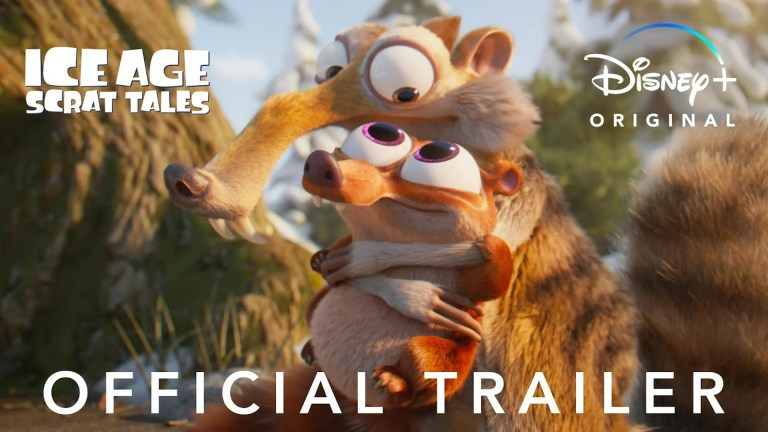
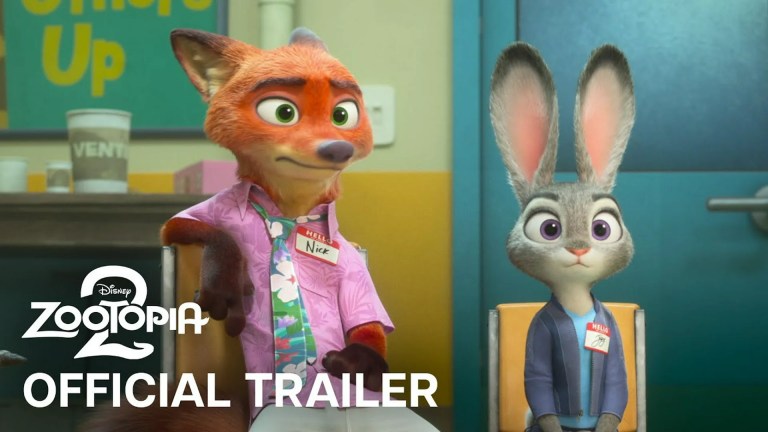
Unconventional cartoon characters can be memorable, funny, expressive, or emotionally relatable without being conventionally attractive. Their appeal does not come from ugliness alone: it depends on what the design communicates, how it fits the story, and whether viewers feel engaged, amused, or connected. A character who catches the eye is not necessarily one viewers like.
What does “ugly” mean in character design?
“Ugly” is a subjective label, shaped by culture, taste, and context. In animation, it often describes a deliberate departure from familiar beauty cues: unusual proportions, asymmetry, rough textures, exaggerated features, or an awkward silhouette. Those choices can make a character distinctive, but they do not guarantee that the character will be appealing.



It helps to separate four responses that are often blurred together: beauty is an aesthetic judgment; attention is what draws or holds the gaze; sympathy is concern for a character; and appeal is the broader positive response that can include enjoyment, interest, or affection. A design may produce one of these responses without producing the others.
Why can an unconventional design work?
Exaggeration makes traits easier to read
A large nose, hunched posture, tiny eyes, or lopsided grin can make a character’s attitude or emotional state legible at a glance. Such features are useful when they clarify personality, comedy, or story, rather than serving as decoration without purpose. The question for a designer is not simply whether a character looks unusual, but whether the unusual shapes help the audience understand the character.
#1 Best Overall
A 2025 Purdue University master’s thesis examined 60 animated clips with 61 participants and tested six design elements: palette, proportion, exaggeration, costume, silhouette, and skin tone. Its abstract reports that color palette had the greatest influence among those variables in that experiment, followed by proportion, while skin tone had the least. This is a result from one set of clips and participants—not a universal ranking of what makes every character appealing. Read the Purdue thesis record.
Flaws can make a character feel recognizable
Stylized figures can invite identification through traits viewers recognize in themselves or other people, including insecurity, stubbornness, awkwardness, and vulnerability. In a 2007 scholarly discussion of animation, Michael Butler and Lidia Joschko use The Incredibles to consider how caricatured features and flaws can support audience identification. This is an interpretive argument about animation, not a controlled test proving that every flawed-looking character creates connection. Read “Animated Dialogues: Animation and the Uncanny Valley”.
Viewers can enjoy a character without admiring them
Audience response is not a simple choice between liking and disliking. Konijn and Hoorn’s 2005 study of fictional protagonists in feature films proposed that appreciation depends on a balance between involvement and distance. Similarity, relevance, and emotional valence also mattered in their account. That framework helps explain how someone might enjoy watching a character without finding them beautiful or morally admirable, but the study was not a direct test of preferences for ugly cartoons. Read the study record.
Distinctive faces can hold attention without earning affection
An unpleasant or grotesque face may be difficult to ignore. In animated-character research published by Carnegie Mellon University in 2013, increased time looking at faces correlated with higher unpleasantness ratings for the characters and clips. That finding concerns attention and unpleasantness; it does not show that the characters were more popular or better liked. Read the Carnegie Mellon summary.
Windows Errors? Fix Them Before They Spread
Repair common Windows errors and clear accumulated junk for a smoother, more stable PC - no reinstall needed.Free scan · no reinstallOutdated Drivers Are Slowing You Down
One free scan finds every outdated or missing driver and matches the right update for your exact hardware.Free scan · exact hardware matchRank #3
How stylization changes the effect
Stylization can help a design feel coherent even when its features are exaggerated. A near-realistic figure with conspicuous irregularities may instead seem eerie, because the rendering invites expectations of realism that the face or movement does not meet. Butler and Joschko discuss this possibility through the uncanny-valley concept, drawing on examples including The Incredibles, Shrek, and Final Fantasy. Their article offers a theoretical lens, not proof that less-realistic designs always work better.
Brad Bird, director of The Incredibles, is quoted in that article as saying: “CGI looks plastic without detail, but beyond a certain point with the stylised deformed people, it starts to look creepy”. Butler and Joschko attribute the remark to a 2004 Computer Arts piece. The useful design lesson is about balance: detail and deformation can support a style, but pushing either too far may change the response from expressive to unsettling.
What research does—and does not—say about appeal
The available findings address different questions, so they should not be collapsed into a claim that people generally prefer ugly cartoons. The Purdue thesis examined design choices in a particular experiment; the Carnegie Mellon work linked gaze duration with unpleasantness; Konijn and Hoorn studied responses to fictional protagonists; and the Disney Research work focused on age-linked character styles and children’s preferences.
Disney Research reported that characters created for younger children in existing media tended to have larger heads, larger eyes, and rounder eyes than characters for older children. The researchers found no systematic age differences when children expressed preferences for existing characters or created characters themselves. This work does not directly compare ugly and attractive designs. Read the Disney Research summary.
Quick wins for a faster PC:
Repair Windows errors before they cause bigger problemsFix Now →Scan for outdated or missing drivers - takes under a minuteDriver Scan →These studies do not establish a population statistic for how many people prefer ugly cartoon characters. Nor do they provide one universal formula for appeal. They suggest instead that design choices and audience responses interact, and that attention, identification, and appreciation should be considered separately.
Independent reader supportYour contribution helps us test, update, and keep practical guides available for everyone.A practical way to assess an unusual character
When judging whether an unconventional design is working, look at what each choice contributes to the story and the audience’s response:
- Silhouette and proportion: Can viewers recognize the character quickly, and do the shapes support its role or personality?
- Palette and costume: Do color and clothing help distinguish the character or convey useful story information?
- Expression and movement: Can the audience read intention and emotion, or does the face merely attract attention?
- Style and rendering: Do the features, texture, and movement belong to the same visual world, or do mismatches create an unintended uncanny effect?
- Story fit and connection: Does the appearance communicate traits or invite identification that matter to this character’s place in the story?
- Audience response: Are people enjoying or empathizing with the character, remembering it, or simply looking longer because it is unsettling?
An unconventional design is strongest when its choices are purposeful and coherent. The label “ugly” describes only one possible first impression; it does not explain whether a character is memorable, funny, sympathetic, or compelling.
Quick Recap
Product prices and availability are accurate as of the date/time indicated and are subject to change. Any price and availability information displayed on Amazon at the time of purchase will apply.