The 50 best Elton John songs are led by “Your Song,” followed by “Tiny Dancer,” “Rocket Man,” “Goodbye Yellow Brick Road,” and “Bennie and the Jets.” This critical ranking weighs songwriting, melody, Elton John’s voice and piano, arrangement, album and chart importance, live identity, and cultural afterlife rather than treating sales as the only test.
This is a transparent editorial ranking rather than an official verdict. Bernie Taupin supplied the words, imagery, characters, and emotional situations, while Elton John supplied the music, performance, piano, vocal character, and often the defining arrangement. The Rock & Roll Hall of Fame’s profile of Bernie Taupin helps explain the narrative and introspective quality at the center of the partnership.
| # | Preview | Product | Price | |
|---|---|---|---|---|
| 1 |
|
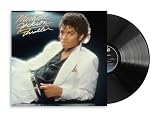
Thriller | $19.97 | Buy on Amazon |
| 2 |

|
Rumours | $23.05 | Buy on Amazon |
| 3 |
![Chronicle: The 20 Greatest Hits[2 LP]](https://m.media-amazon.com/images/I/411qOkbEPUL._SL160_.jpg)
|
Chronicle: The 20 Greatest Hits[2 LP] | $27.89 | Buy on Amazon |
| 4 |

|
Purple Rain | $22.99 | Buy on Amazon |
| 5 |

|
Greatest Hits Volume I & II | $26.97 | Buy on Amazon |
Official greatest-hits collections, chart histories, album pages, live releases, and the Diamonds compilation provide evidence of durable recognition. They are part of the context, not a substitute for listening closely to the songs themselves.
Key takeaways
- “Your Song” is the number-one choice because it most completely combines Bernie Taupin’s intimate lyric with Elton John’s melodic grace, vulnerable vocal, and piano-led performance.
- “Tiny Dancer,” “Rocket Man,” and “Goodbye Yellow Brick Road” represent three different kinds of Elton John grandeur: atmospheric balladry, conceptual pop, and concise album-title drama.
- Goodbye Yellow Brick Road is essential as an album experience, not merely as the source of several famous singles; the official album page records an eight-week run at No. 1 on the Billboard Top 200.
- The catalog extends well beyond the 1970s, with major entries from the 1980s, 1990s, soundtrack work, collaborations, and later revivals.
- Chart success matters, but chart position alone cannot explain why “Tiny Dancer,” “Mona Lisas and Mad Hatters,” “Amoreena,” or “Curtains” remain essential listening.
How were the 50 best Elton John songs ranked?
This is a critical ranking, not an official or mathematically objective list. The order balances seven considerations: lyric imagery and narrative, melodic memorability, Elton John’s vocal and piano performance, arrangement and instrumental color, chart or album importance, live identity, and cultural afterlife.
Windows Errors? Fix Them Before They Spread
Repair common Windows errors and clear accumulated junk for a smoother, more stable PC - no reinstall needed.Free scan · no reinstallOutdated Drivers Are Slowing You Down
One free scan finds every outdated or missing driver and matches the right update for your exact hardware.Free scan · exact hardware match#1 Best Overall
The central standard is the Elton John–Bernie Taupin partnership. Taupin supplied the words, characters, images, and emotional situations; John supplied the music, singing, piano, performance, and often the defining arrangement. The Rock & Roll Hall of Fame’s Bernie Taupin profile describes Taupin’s writing as narrative and introspective, qualities that help explain why Elton John’s best songs can feel both highly personal and broadly recognizable.
The ranking also separates durable popularity from artistic importance. According to Elton John’s official biography (accessed 2026), Elton John has sold more than 327 million records worldwide and accumulated more than 70 Top 40 hits. According to the Official Charts Company’s Elton John chart history (accessed 2026), John has had 10 UK number-one singles and 10 UK number-one albums. Those figures establish an unusually large canon, but they do not settle every close call in a best-songs ranking.
Why is “Your Song” the greatest Elton John song here?
“Your Song” is the greatest Elton John song in this ranking because the song makes extraordinary emotional directness sound effortless. The plainspoken lyric, graceful melody, gentle piano, and exposed vocal create the clearest synthesis of the John–Taupin method.
Official Charts identifies “Your Song” as Elton John’s first Official Singles Chart entry, while the official Elton John site calls “Your Song” his most identifiable song and notes that the song was selected as the UK’s favorite Elton John song in the 2017 ITV poll. Bernie Taupin later explained the song’s broad emotional address by saying, “It was written for everybody in general and not anybody in particular.” The statement appears in the official Elton John feature about the Elton John album.
Rank #2
- Iconic Album: Rumours stands as one of the best-selling albums in music history, certified nineteen times platinum and widely regarded as the definitive album of the 1970s that transcends genre and generations
- Classic Tracks: Features timeless rock staples including Dreams, Don't Stop, Go Your Own Way, You Make Loving Fun, The Chain, and Gold Dust Woman, creating a collection that reads like a greatest hits package
- Legendary Performances: Showcases the magical collaboration of Stevie Nicks, Lindsey Buckingham, Mick Fleetwood, and the entire band delivering impeccable songwriting and passionate playing on every track
- Vinyl LP Format: This pressing captures the monumental 1977 album by the British-American rock band in authentic vinyl format, preserving the original sound quality and listening experience
- Musical Excellence: A vital rock album that succeeds through its exceptional composition and emotional depth, making it an essential addition to any music collection regardless of your preferred genre
What are the 50 best Elton John songs?
The list below ranks the songs from essential starting point to valuable final selection. The ranking favors distinct contributions to Elton John’s catalog, so a song with a smaller original chart profile can outrank a more commercially successful song when the song adds a unique emotional, lyrical, or musical capability.
| Rank | Song | Why it belongs |
|---|---|---|
| 1 | Your Song | The clearest meeting of intimacy, melodic grace, plainspoken vulnerability, and John’s piano-led performance. The song is the ideal entry point to the partnership. |
| 2 | Tiny Dancer | A slowly unfolding portrait with rich arrangement, delicate detail, and a chorus that expands emotionally rather than arriving all at once. The song’s later association with Almost Famous helped give the song a cultural life beyond its initial single performance, and the song remains part of John’s live identity. |
| 3 | Rocket Man (I Think It’s Going to Be a Long, Long Time) | Alienation, space-age imagery, memorable melody, and a spacious piano-and-band arrangement meet with unusual precision. “Rocket Man” is one of the defining songs from Honky Château. |
| 4 | Goodbye Yellow Brick Road | The compact title song turns escape, disillusionment, and fantasy into an instantly recognizable melodic statement. The track benefits from belonging to the catalog’s signature album as well as standing alone. |
| 5 | Bennie and the Jets | Glam-pop theater, deliberate rhythmic space, and a distinctive vocal character make “Bennie and the Jets” one of John’s most recognizable performances. |
| 6 | Someone Saved My Life Tonight | An autobiographical-feeling centerpiece with a long-form arrangement and unusually exposed emotional stakes. “Someone Saved My Life Tonight” was the only single from Captain Fantastic and the Brown Dirt Cowboy and became a US Top Five hit. |
| 7 | Candle in the Wind | The original 1973 song is a reflective portrait of Marilyn Monroe, while the 1997 rewrite became a public memorial for Diana, Princess of Wales. The two versions share a melody but occupy different lyrical and historical contexts, so the ranking recognizes the original composition while acknowledging the rewrite’s enormous cultural afterlife. |
| 8 | Levon | A narrative piano song with a grand, melancholic chorus and one of Bernie Taupin’s most vivid character sketches. “Levon” shows how the partnership could make an enigmatic fictional life feel emotionally immediate. |
| 9 | Daniel | A restrained and emotionally ambiguous ballad built around one of Elton John’s most durable melodic hooks. The song leaves interpretive space around its story rather than explaining every feeling. |
| 10 | Mona Lisas and Mad Hatters | A reflective New York song in which orchestration, piano, and imagery create a mood more contemplative than celebratory. The song rewards close listening because its emotional weight sits beneath its elegant surface. |
| 11 | Don’t Let the Sun Go Down on Me | A dramatic vocal showcase that works as both a solo performance and the celebrated George Michael duet. The song’s scale gives John room to turn emotional collapse into theatrical release. |
| 12 | I Guess That’s Why They Call It the Blues | A polished 1980s ballad that demonstrates the catalog’s melodic strength after the classic 1970s run. The song is direct, carefully shaped, and emotionally accessible without feeling weightless. |
| 13 | I’m Still Standing | A sharply efficient resilience anthem with high energy, immediate phrasing, and a performance built for visual and live impact. The song is one of the clearest examples of John’s post-1970s pop mastery. |
| 14 | Honky Cat | New Orleans-flavored exuberance, horns, piano, and theatrical movement give “Honky Cat” a character all its own. The song is joyous without being generic party music. |
| 15 | Crocodile Rock | Nostalgia becomes exuberant pop spectacle through the song’s vocal hooks, rhythmic bounce, and knowingly retro energy. The official Elton John site identifies “Crocodile Rock” as John’s first North American number one. |
| 16 | Saturday Night’s Alright (For Fighting) | A raucous rock song whose chant-ready chorus and driving band performance make the track indispensable in concert. “Saturday Night’s Alright” supplies a rougher, more physical energy than the grand ballads. |
| 17 | The Bitch Is Back | A swaggering character performance driven by a hard arrangement and a memorable opening declaration. The song works because John performs the persona with both force and theatrical wit. |
| 18 | Philadelphia Freedom | Soul-pop uplift, a strong band arrangement, and a distinctive cultural setting make “Philadelphia Freedom” unusually expansive. The song feels communal without losing John’s individual vocal presence. |
| 19 | Sacrifice | “Sacrifice” uses understatement, adult relationship writing, and a mature vocal performance rather than grand melodrama. Bernie Taupin called the song “a simple lyric, but it’s an intelligent, adult lyric” and said it was “a million miles away from ‘Your Song’” in the official Elton John feature on “Sacrifice”. |
| 20 | Sorry Seems to Be the Hardest Word | A spare, emotionally direct ballad that foregrounds phrasing, harmonic feeling, and the ache of an inadequate apology. John’s restraint is the performance’s main dramatic device. |
| 21 | Madman Across the Water | A dark, orchestral title track that showcases the tense and psychologically shadowed side of John’s early catalog. The arrangement gives Taupin’s imagery an unsettling scale. |
| 22 | Border Song | Gospel-inflected soul and moral questioning make “Border Song” an important early example of John and Taupin reaching beyond conventional romantic songwriting. |
| 23 | Burn Down the Mission | The dramatic closer to Tumbleweed Connection shows the band’s rootsy, expansive side. The song builds from a grounded narrative into a larger musical statement. |
| 24 | Funeral for a Friend/Love Lies Bleeding | This ambitious two-part album opener moves from instrumental atmosphere into muscular rock. The structure makes the transition itself part of the song’s emotional power. |
| 25 | We All Fall in Love Sometimes | A reflective, autobiographical-feeling song whose emotional force grows in the context of Captain Fantastic and the Brown Dirt Cowboy. The song captures memory as tenderness rather than simple nostalgia. |
| 26 | Curtains | A delicate, unresolved finale that rewards listeners who value album sequencing and emotional afterglow. “Curtains” feels less like a conventional single than the final light left by a complete album journey. |
| 27 | I Need You to Turn To | A graceful early ballad with orchestral lift and a strong sense of romantic yearning. The song demonstrates how much emotional reach John could create from a relatively simple plea. |
| 28 | Take Me to the Pilot | An energetic early showcase for John’s rhythmic piano and a more impressionistic side of Taupin’s writing. The song has forward motion even when the lyric remains elusive. |
| 29 | Amoreena | A sensual, groove-oriented deep cut whose later soundtrack exposure helped preserve its profile. The song’s rhythmic warmth provides a welcome contrast to the catalog’s more formal ballads. |
| 30 | All the Girls Love Alice | A brisk, darkly theatrical track that broadens Goodbye Yellow Brick Road beyond its biggest singles. The song’s tension and speed reveal the album’s willingness to move into stranger territory. |
| 31 | Grey Seal | A propulsive song built around a strong piano figure and a memorable sense of movement. “Grey Seal” belongs to the deeper canon because the arrangement feels urgent without sacrificing melodic shape. |
| 32 | Harmony | A concise and emotionally open album closer from Goodbye Yellow Brick Road. The song’s directness gives the sprawling album a graceful final release. |
| 33 | Empty Garden (Hey Hey Johnny) | A moving John Lennon tribute and a key example of John turning public grief into a direct, accessible song. The performance avoids abstraction by keeping the emotional address personal. |
| 34 | Blue Eyes | A polished ballad from Jump Up! that reached No. 1 on Billboard’s Adult Contemporary chart and No. 12 on the Hot 100, according to the official Elton John catalog page for Diamonds. The song represents John’s ability to remain melodically persuasive in the 1980s. |
| 35 | I Don’t Wanna Go On with You Like That | A crisp late-1980s pop song with strong rhythmic drive and vocal immediacy. The song is compact, bright, and more forceful than its conversational title might suggest. |
| 36 | Nikita | A cinematic, synth-forward 1980s song with a memorable narrative frame. “Nikita” shows John adapting his songwriting partnership to a more polished, period-specific pop setting. |
| 37 | Sad Songs (Say So Much) | A direct and accessible pop ballad with a durable chorus. The song earns its place through clarity of feeling and an unusually efficient melodic design. |
| 38 | Little Jeannie | A warm, melodic late-1970s/early-1980s crossover hit that emphasizes affection and tunefulness. The song represents the softer, radio-friendly side of John’s mature catalog. |
| 39 | Song for Guy | An instrumental-led composition that reveals John’s interest in atmosphere and piano texture outside the standard singer-songwriter format. The absence of a conventional vocal center makes the melody’s emotional work more apparent. |
| 40 | Are You Ready for Love | A soulful collaboration whose later revival added to its long-term audience. The song’s appeal comes from the meeting of John’s melodic identity and a warm, danceable arrangement. |
| 41 | Can You Feel the Love Tonight | A major soundtrack song that connects John’s melodic voice to The Lion King and a broad family audience. The song balances cinematic scale with an immediately singable chorus. |
| 42 | Circle of Life | A ceremonial, anthem-sized soundtrack composition with enduring cultural recognition. The song is built for collective feeling, using scale and repetition as expressive strengths. |
| 43 | Electricity | A theatrical song associated with Billy Elliot that also gained a later solo-piano version. According to the official Diamonds catalog page, the solo-piano version reached No. 4 on the UK Official Singles Chart. |
| 44 | I Want Love | A stark, modernized Elton John–Bernie Taupin song whose placement in Rocketman underscores its dramatic potential. The song strips away some of the catalog’s ornamental excess and leaves the emotional demand exposed. |
| 45 | The Last Song | A late-career ballad notable for direct emotional framing and its place on The One. The song shows John and Taupin addressing vulnerability without disguising the sentiment. |
| 46 | The One | A polished early-1990s title track from an album that reached No. 8 on the Billboard 200 and produced two No. 1 Adult Contemporary singles, according to the official Elton John discography. The song represents the catalog’s continued adult-pop reach. |
| 47 | Believe | A strong 1990s ballad that represents John’s continued ability to reach adult-pop listeners while retaining a clear melodic center. |
| 48 | You Gotta Love Someone | A melodic and affirmative later-period song that belongs in a broad career survey even though the 1970s canon remains more central to the usual conversation. |
| 49 | Step into Christmas | A seasonal song with unusual longevity and a recurring place in John’s public catalog. The song succeeds because its festive arrangement is paired with a melody that remains easy to return to. |
| 50 | Captain Fantastic and the Brown Dirt Cowboy | The title song of the autobiographical 1975 album is a fitting closing selection because the song foregrounds the origin story of the John–Taupin partnership. The song makes the catalog’s creative relationship part of the subject. |
How do the top three Elton John songs differ?
“Your Song,” “Tiny Dancer,” and “Rocket Man” are all essential, but the three songs demonstrate different strengths rather than repeating the same formula.
| Song | Emotional center | Musical identity | Why start there |
|---|---|---|---|
| Your Song | Intimacy and vulnerable affection | Plainspoken lyric, graceful melody, exposed piano and vocal | The most complete introduction to the John–Taupin partnership |
| Tiny Dancer | Longing, observation, and atmosphere | Slowly unfolding arrangement with a chorus that opens outward | The best choice for listeners who want cinematic balladry |
| Rocket Man | Alienation and emotional distance | Spacious piano-and-band arrangement with space-age imagery | The strongest starting point for conceptual pop and mood |
Elton John explained the musical logic of “Tiny Dancer” in an official interview: “as soon as you get to the word ‘ballerina,’ you know it’s not going to be fast; it’s got to be sort of gentle and quite slow.” The quotation appears in the official Elton John feature on “Tiny Dancer.”
Which Elton John album should I start with?
Diamonds is the best starting point for a broad overview, while Goodbye Yellow Brick Road is the best first album for understanding John’s sequencing, range, and 1970s peak. A listener who prefers a more autobiographical album should choose Captain Fantastic and the Brown Dirt Cowboy.
What’s actually slowing this PC down?
Pick the symptom - the matching free tool is one click away.
Rank #3
- Records have been cleaned and new sleeved.
- 2 LP release.
- Made in Spain.
| Starting point | Best for | What to hear |
|---|---|---|
| Diamonds | A broad physical or playlist-based overview | “Your Song,” “Tiny Dancer,” “Rocket Man,” “Daniel,” “Goodbye Yellow Brick Road,” “Bennie and the Jets,” “I’m Still Standing,” “Sacrifice,” “Can You Feel the Love Tonight,” and “Electricity,” among many others. The official Diamonds tracklist is useful for checking which major songs appear in the collection. |
| Goodbye Yellow Brick Road | The fullest introduction to the classic-album experience | “Goodbye Yellow Brick Road,” “Bennie and the Jets,” “Candle in the Wind,” “Saturday Night’s Alright,” “Funeral for a Friend/Love Lies Bleeding,” “All the Girls Love Alice,” “Grey Seal,” and “Harmony.” The official album page records an eight-week No. 1 run on the Billboard Top 200. |
| Honky Château | Melody, groove, and the transition into major 1970s success | “Rocket Man,” “Honky Cat,” and “Mona Lisas and Mad Hatters.” The official Honky Château page provides the album context for those contrasting songs. |
| Captain Fantastic and the Brown Dirt Cowboy | The John–Taupin origin story and album sequencing | “Someone Saved My Life Tonight,” “We All Fall in Love Sometimes,” “Curtains,” and the title song. According to the official album page, Captain Fantastic was the first album by any artist to enter the Billboard Top 200 at No. 1. |
| Greatest Hits | A concise canonical introduction | A shorter route through the most familiar singles before moving into the deep cuts. The official Greatest Hits page is a useful catalog reference, although a compilation cannot replace the best full-album experiences. |
Best physical overview: Elton John Diamonds 3CD is the practical physical starting point for listeners who want a broad survey across the major eras. The collection contains many central selections in this ranking, but the collection does not contain all 50 songs, so album listeners should supplement it with the original records.
Best album-focused physical choice: Goodbye Yellow Brick Road vinyl is the stronger choice for a listener who wants to hear one of John’s major albums as a complete sequence rather than assemble a career overview. The vinyl recommendation is a format choice, not part of the ranking methodology; editions can differ, so confirm the specific pressing before buying.
Independent reader supportYour contribution helps us test, update, and keep practical guides available for everyone.What should I listen to after “Rocket Man”?
Listeners who want more songs after “Rocket Man” should follow the catalog by mood rather than simply by release order.
- For spacious and reflective songs: listen to “Tiny Dancer,” “Mona Lisas and Mad Hatters,” “Daniel,” “Madman Across the Water,” and “We All Fall in Love Sometimes.”
- For theatrical piano and glam-pop: listen to “Bennie and the Jets,” “Honky Cat,” “Crocodile Rock,” “The Bitch Is Back,” and “All the Girls Love Alice.”
- For piano-led ballads: listen to “Your Song,” “Sorry Seems to Be the Hardest Word,” “I Need You to Turn To,” “Harmony,” and “The Last Song.”
- For live-energy rock: listen to “Saturday Night’s Alright (For Fighting),” “Burn Down the Mission,” “Funeral for a Friend/Love Lies Bleeding,” and “I’m Still Standing.”
- For soundtrack and theatrical work: listen to “Can You Feel the Love Tonight,” “Circle of Life,” “Electricity,” and “I Want Love.” The official Rocketman soundtrack feature places “I Want Love” within the dramatic world of the film.
Which Elton John songs are the best deep cuts?
The best Elton John deep cuts are “Mona Lisas and Mad Hatters,” “Madman Across the Water,” “Burn Down the Mission,” “We All Fall in Love Sometimes,” “Curtains,” “Amoreena,” “Grey Seal,” “Harmony,” “Song for Guy,” and “Captain Fantastic and the Brown Dirt Cowboy.” These songs matter because they reveal the catalog’s atmosphere, sequencing, instrumental ambition, and narrative depth beyond the biggest singles.
“Tiny Dancer” also belongs in any discussion of deep catalog appreciation. The song’s later cultural afterlife became enormous, but the song’s slow architecture and richly arranged portrait still reward attentive listening in the context of Madman Across the Water. Original chart performance and later cultural recognition are not interchangeable measures of artistic value.
What is the difference between the two versions of “Candle in the Wind”?
The original “Candle in the Wind” was released in 1973 as a song about Marilyn Monroe, while the 1997 version rewrote the lyric as a memorial for Diana, Princess of Wales. The 1997 recording therefore has a different subject, historical function, and public meaning even though the familiar melody remains.
Rank #4
- A1 - Let's Go Crazy
- A2 - Take Me With U
- A3 - The Beautiful Ones
- A4 - Computer Blue
- A5 - Darling Nikki
The original version belongs higher in an artistic ranking because its lyric and imagery are an important part of the song’s composition, while the 1997 rewrite must be judged as a separate memorial adaptation. The distinction prevents the enormous public impact of the rewrite from obscuring the original song’s specific writing.
Why do album context and live identity matter?
Album context matters because Elton John’s strongest records often use sequencing, recurring mood, and contrast to make individual songs feel larger than isolated singles. Live identity matters because songs such as “Saturday Night’s Alright (For Fighting),” “Crocodile Rock,” “Bennie and the Jets,” and “I’m Still Standing” acquire additional force through performance, audience participation, and John’s theatrical delivery.
Recommended Free Tools
The official One Night Only: The Greatest Hits page illustrates the importance of live presentation in the catalog. A studio recording may establish the melody and arrangement, while a live performance can reveal which songs function as communal rituals, vocal showcases, or dramatic set pieces.
Bottom line
“Your Song” is the best single answer to the question of Elton John’s greatest song, but the full catalog cannot be reduced to one type of classic. Start with “Your Song,” “Tiny Dancer,” “Rocket Man,” “Goodbye Yellow Brick Road,” and “Bennie and the Jets,” then hear Goodbye Yellow Brick Road or Captain Fantastic and the Brown Dirt Cowboy in full to understand how John’s piano, Taupin’s imagery, the arrangements, and the album sequences work together.
Best Value
- ----------------------------------------
- Availability: Pre-Order
- Format: Vinyl
- Genre: Rock
- Released: 2025-08-22
Frequently Asked Questions
Does Diamonds contain all 50 of the best Elton John songs?
No. Elton John Diamonds 3CD contains many of the central songs in this ranking, including “Your Song,” “Tiny Dancer,” “Rocket Man,” “Goodbye Yellow Brick Road,” “Bennie and the Jets,” “I’m Still Standing,” “Sacrifice,” “Can You Feel the Love Tonight,” and “Electricity,” but it does not contain all 50 selections. Original albums are necessary for the deeper cuts and complete sequencing.
Are the 1973 and 1997 versions of “Candle in the Wind” the same song?
The original 1973 “Candle in the Wind” is about Marilyn Monroe, while the 1997 rewrite is a memorial for Diana, Princess of Wales. The two versions share a melody but have different lyrics, subjects, and historical contexts.
The Tool Desk
Outbyte PC Repair FREEClear out junk files and repair common Windows errorsFree Scan →Outbyte Driver Updater FREEScan for outdated or missing drivers - takes under a minuteDriver Scan →Which Elton John album should a new listener hear first?
Start with Goodbye Yellow Brick Road for the strongest combination of famous singles, deep cuts, ambitious sequencing, and album-scale variety. Choose Captain Fantastic and the Brown Dirt Cowboy instead if the John–Taupin origin story and autobiographical framing are the priority.
The Bottom Line
“Your Song” is the best single answer, but Elton John’s greatness lies in the catalog’s range: intimate ballads, theatrical glam-pop, expansive album tracks, soundtrack anthems, and later-period songs all reveal different sides of the John–Taupin partnership.
Quick Recap
Product prices and availability are accurate as of the date/time indicated and are subject to change. Any price and availability information displayed on Amazon at the time of purchase will apply.