Stories about missing children tap into a primal fear that cinema rarely confronts without flinching: the idea that safety can vanish in a single, ordinary moment. These films don’t rely on spectacle so much as absence, stretching dread across unanswered phone calls, empty bedrooms, and the unbearable quiet that follows a child’s disappearance. Whether rooted in true crime, social realism, or nerve-shredding thrillers, they force audiences to sit with uncertainty rather than offering quick catharsis.
Fear, Guilt, and the Collapse of Control
What makes these narratives so devastating is how they weaponize guilt alongside fear. Parents are made to question every decision, every distraction, every moment they looked away, while viewers instinctively imagine themselves in the same position. Films like Prisoners, Changeling, and Loveless don’t just ask what happened to the child; they interrogate the systems, communities, and personal failures that allowed the disappearance to occur.
| # | Preview | Product | Price | |
|---|---|---|---|---|
| 1 |
![Missing [DVD]](https://m.media-amazon.com/images/I/518s0gqWLOL._SL160_.jpg)
|
Missing [DVD] | $5.05 | Buy on Amazon |
| 2 |

|
The Missing (Special Edition, Widescreen) | $9.99 | Buy on Amazon |
| 3 |
![Missing (The Criterion Collection) [DVD]](https://m.media-amazon.com/images/I/41DMRTzTVJL._SL160_.jpg)
|
Missing (The Criterion Collection) [DVD] | $25.34 | Buy on Amazon |
| 4 |
|
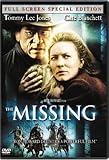
The Missing (Special Edition, Fullscreen) | $1.86 | Buy on Amazon |
| 5 |

|
Saw: 8-Film Collection - DVD | $31.52 | Buy on Amazon |
At their most powerful, movies about missing children become social x-rays, exposing anxieties about class, policing, media exploitation, and institutional indifference. The child may be the one who vanishes, but what’s truly lost is the illusion of order and protection adults depend on to function. That emotional rupture is why these films linger long after the credits roll, and why they remain among the most harrowing, essential experiences cinema has to offer.
How This Ranking Was Determined: Emotional Impact, Craft, and Cultural Weight
Ranking films about missing children demands more than tallying shock value or narrative twists. These stories operate at an emotional frequency that can feel invasive, and the difference between exploitation and insight is often razor-thin. To honor that complexity, this list was shaped by how deeply each film unsettles, how confidently it’s made, and how meaningfully it speaks to the world beyond the screen.
The Tool Desk
Outbyte Driver Updater FREEFix the driver behind crashes, sound loss and screen glitchesFind Drivers →Outbyte PC Repair FREERepair Windows errors before they cause bigger problemsFix Now →#1 Best Overall
Emotional Impact and Psychological Aftershocks
First and foremost, we considered how powerfully each film lands on an emotional level. The most harrowing entries don’t rely on sudden violence or cheap suspense, but on sustained dread, moral exhaustion, and the slow erosion of hope. These are movies that linger in the body, forcing viewers to confront fear, grief, and helplessness long after the story ends.
Equally important was how responsibly that emotional weight is handled. Films that earned their place here engage with trauma rather than aestheticizing it, allowing space for silence, ambiguity, and discomfort instead of neat resolutions.
Directorial Craft and Narrative Precision
Technical mastery plays a crucial role in how these stories resonate. Direction, performances, editing, and sound design were all evaluated for how effectively they serve the subject matter. A restrained camera, an unbroken take, or a performance built on suppressed panic can be far more devastating than explicit imagery.
Narrative discipline mattered just as much. The strongest films understand when not to explain, when to withhold answers, and when to let uncertainty become the point. Craft, in this context, is about control and confidence, not excess.
Cultural Relevance and Social Insight
Beyond their immediate impact, these films were assessed for what they reveal about the societies that produced them. Many of the most essential titles double as critiques of institutional failure, media sensationalism, class divides, or systemic neglect. The missing child becomes a catalyst, exposing fractures that were already there.
Whether rooted in true events or fictionalized worlds, the films on this list resonate because they reflect real anxieties and unresolved wounds. Their power comes from how uncomfortably close to reality they feel, even years after their release.
Endurance and Rewatch Value
Finally, we considered which films continue to matter. Some experiences are devastating once but hollow on reflection; others deepen with time, revealing new layers of meaning or emotional complexity. The movies ranked here endure not because they’re easy to revisit, but because they remain urgent, unsettling, and essential conversations in cinematic form.
Together, these criteria ensure the list isn’t just a collection of intense watches, but a curated examination of how cinema confronts one of its most painful subjects with gravity, intelligence, and lasting impact.
The Top 10 Most Harrowing Movies About Missing Children — Ranked
10. Rabbit-Proof Fence (2002)
Phillip Noyce’s historical drama approaches the idea of missing children through the lens of state-sanctioned cruelty. Based on real events, it follows three Indigenous Australian girls forcibly removed from their families under the country’s assimilation policies. The film’s quiet devastation comes from its restraint, allowing the enormity of cultural theft and emotional severance to speak for itself.
What makes Rabbit-Proof Fence especially haunting is its matter-of-fact presentation of injustice. There is no villain twirling a mustache, only an oppressive system that normalized disappearance. Its impact lingers because it reframes “missing” as something that can be bureaucratic, deliberate, and legally sanctioned.
9. Lion (2016)
While gentler in tone than others on this list, Lion earns its place through emotional precision and lived-in authenticity. The film chronicles a young boy separated from his family in India and adopted overseas, then follows his decades-long search for home. The absence at its center is not violent, but it is total.
Dev Patel’s performance grounds the story in longing rather than spectacle. The film’s power lies in how it captures the psychological permanence of being lost, even when life appears stable on the surface. It’s a reminder that disappearance can echo across an entire lifetime.
PC Slower Than It Used to Be?
A free scan shows the junk files, broken settings and background clutter dragging Windows down - then fixes them in one click.Free scan · Windows 10 & 11Crashes, No Sound, or Screen Glitches?
Random freezes, missing sound and display glitches usually trace back to one bad driver. Find and replace yours safely.Free scan · under a minute8. Changeling (2008)
Clint Eastwood’s Changeling transforms a missing-child case into an indictment of institutional indifference and misogyny. Angelina Jolie delivers a restrained, aching performance as a mother fighting a corrupt police department after her son vanishes. The horror here is cumulative, rooted in gaslighting and systemic cruelty.
Rather than chasing suspense, the film builds dread through procedural frustration. Each bureaucratic obstacle compounds the emotional toll, making the search for a missing child feel endless and isolating. It’s a grim portrait of how authority can deepen trauma instead of alleviating it.
7. The Orphanage (2007)
J.A. Bayona’s gothic ghost story blends supernatural horror with profound maternal grief. When a woman’s adopted son disappears inside a decaying seaside orphanage, the film uses genre conventions to explore guilt, memory, and denial. The scares are effective, but they’re never the point.
What elevates The Orphanage is its emotional sincerity. The film understands that the true terror is not the possibility of ghosts, but the unbearable uncertainty of not knowing what happened to a child you love. Its final act recontextualizes everything with devastating clarity.
Recommended Free Tools
6. Gone Baby Gone (2007)
Ben Affleck’s directorial debut is a morally complex crime drama that refuses easy answers. Centered on the disappearance of a young girl in a neglected Boston neighborhood, the film interrogates class, parental fitness, and the ethics of intervention. Every choice carries weight, and none feel clean.
Rank #2
- The Missing - DVD - Widescreen Brand New
The film’s lasting impact comes from its final moral reckoning. It challenges the audience to consider whether finding a missing child is always the same as saving them. Few films linger so uncomfortably in ethical gray space.
5. Loveless (2017)
Andrey Zvyagintsev’s Loveless is a cold, punishing examination of emotional abandonment made literal. When a young boy disappears after overhearing his parents’ bitter divorce plans, the search becomes a bleak commentary on modern detachment. The child’s absence exposes a void that was already there.
The film’s austere style is deliberate and unyielding. There is no catharsis, only a slow realization of how neglect can be as destructive as violence. Loveless is harrowing precisely because it suggests this kind of disappearance is not rare, but inevitable in a society devoid of empathy.
Quick wins for a faster PC:
Scan for outdated or missing drivers - takes under a minuteDriver Scan →Repair Windows errors before they cause bigger problemsFix Now →4. The Vanishing (1988)
Few films understand psychological torment like George Sluizer’s The Vanishing. After a young woman disappears at a rest stop, her partner becomes consumed by the need for answers. The film’s calm, almost banal presentation makes its dread unbearable.
What sets The Vanishing apart is its refusal to offer comfort. The horror lies not in what happens, but in knowing, in excruciating detail, how easily someone can vanish. Its final revelation remains one of the most chilling moments in cinema history.
3. Mystic River (2003)
Clint Eastwood returns on this list with a devastating exploration of childhood trauma and irreversible loss. Though centered on murder rather than disappearance alone, the film is haunted by what happens when children are taken and innocence is shattered. The emotional fallout ripples across decades.
Anchored by towering performances, Mystic River examines how unresolved grief calcifies into rage and regret. The missing child becomes a wound that never heals, shaping lives in destructive, inescapable ways.
Do these 3 things before closing this tab:
1Scan for outdated or missing drivers - takes under a minute2Clear out junk files and repair common Windows errors3Fix the driver behind crashes, sound loss and screen glitches2. Prisoners (2013)
Denis Villeneuve’s Prisoners is a suffocating descent into moral desperation. When two young girls disappear, their families are pushed to extremes as the legal system falters. The film traps the audience inside that panic, refusing relief or reassurance.
Roger Deakins’ shadow-drenched cinematography and Hugh Jackman’s unflinching performance create an atmosphere of relentless dread. Prisoners asks how far a parent can go before justice curdles into something else entirely. Its power lies in how plausible every terrible decision feels.
1. Zodiac (2007)
While not exclusively about a missing child, David Fincher’s Zodiac earns the top spot for how it captures the existential horror of unresolved disappearance, including the vanishing of young victims within a broader pattern of violence. The film is obsessed with absence, with what can never be fully known. Every unanswered question compounds the unease.
Zodiac’s true terror is procedural and psychological. Time passes, evidence erodes, and lives are quietly consumed by obsession and uncertainty. In refusing closure, Fincher delivers the most harrowing truth of all: sometimes, the missing are never found, and the damage never stops spreading.
Free tools Windows power users keep installed
One-click scans. No signup required.
The Films That Break You Slowly: Psychological Dread and Parental Desperation
If Zodiac devastates by denying closure, the films that follow are equally cruel in a quieter way. They stretch grief over years, forcing parents and audiences alike to live inside unanswered questions. These are stories where hope erodes incrementally, and the search itself becomes a form of emotional punishment.
Changeling (2008)
Clint Eastwood’s Changeling transforms a missing-child case into a portrait of institutional cruelty and maternal endurance. Based on a true story, the film follows a mother told to accept the wrong child as her own, simply because the system needs the case closed. The disappearance becomes a battle not just against loss, but against gaslighting on a civic scale.
Angelina Jolie’s performance is all restrained devastation, capturing how desperation hardens into defiance. Changeling is harrowing because it refuses catharsis, instead exposing how easily grief can be exploited. It’s a film that lingers, not for its twists, but for its quiet moral outrage.
Gone Baby Gone (2007)
Ben Affleck’s directorial debut confronts the unbearable ambiguity at the heart of child-abduction narratives. When a young girl disappears in a working-class Boston neighborhood, the investigation uncovers a web of neglect, love, and moral compromise. Every solution comes at a cost that feels impossible to justify.
What’s actually slowing this PC down?
Pick the symptom - the matching free tool is one click away.
What makes Gone Baby Gone so unsettling is its final question, not its mystery. The film dares to ask whether finding a child is always the same as saving them. Its closing moments leave viewers sitting with a choice that feels both compassionate and unforgivable.
The Pledge (2001)
Often overlooked, Sean Penn’s The Pledge is one of the bleakest films ever made about a missing child. Jack Nicholson plays a retired detective who promises a grieving mother he will find her daughter’s killer, a vow that becomes an all-consuming obsession. The search offers purpose, but slowly strips him of everything else.
Rank #3
The film’s cruelty lies in its realism. There is no grand revelation waiting to justify the suffering, only the slow collapse of a man who needed belief to survive. The Pledge is devastating because it mirrors real-life cases where certainty never arrives, and meaning dissolves with time.
We Need to Talk About Absence
What unites these films is not just the disappearance of children, but the way that absence reshapes identity. Parents become investigators, crusaders, or ghosts of themselves, defined entirely by what they’ve lost. The dread isn’t explosive; it’s cumulative.
These movies don’t offer comfort viewing, and they’re not meant to. They are essential because they confront the emotional truth behind missing-child cases, honoring the pain without sensationalizing it. Watching them is an act of endurance, and in that endurance, they find their power.
The Films That Shock and Scar: Violence, Cruelty, and Moral Collapse
Where earlier films lingered in grief and uncertainty, this stretch of missing-child cinema plunges into something more corrosive. These stories confront the brutal reality that disappearance often invites violence, vigilantism, and ethical collapse. The pain is no longer contained; it spreads outward, warping everyone it touches.
These are not films that suggest evil arrives cleanly or leaves quietly. They depict worlds where fear becomes justification, and moral boundaries erode under unbearable pressure. Watching them is unsettling precisely because the cruelty feels frighteningly plausible.
Prisoners (2013)
Denis Villeneuve’s Prisoners is one of the most punishing films ever made about missing children. When two young girls vanish, Hugh Jackman’s desperate father takes justice into his own hands, convinced that moral hesitation is a luxury he can’t afford. The film traps viewers inside that mindset, forcing us to feel how quickly love can mutate into something monstrous.
What makes Prisoners so harrowing is its refusal to offer moral clarity. Torture, faith, and obsession blur together in a world where everyone believes they’re doing the right thing. By the time the truth emerges, the damage is irreversible, and innocence has been destroyed on every side.
Changeling (2008)
Clint Eastwood’s Changeling channels its horror through institutional cruelty rather than physical violence. Based on a true story, the film follows a mother whose missing son is “returned” by police eager to close the case, regardless of the truth. When she challenges them, she becomes the problem.
The film’s devastation lies in its historical accuracy. Changeling exposes how systems meant to protect children can instead erase them, silencing parents through gaslighting and force. The absence of the child becomes secondary to the violence inflicted on truth itself.
The Vanishing (1988)
Few films have traumatized audiences like George Sluizer’s The Vanishing. A young girl disappears during a roadside stop, and the film refuses to treat her fate as a puzzle to be solved quickly. Instead, it becomes a slow study of obsession, cruelty, and the terrifying banality of evil.
The film’s restraint is what makes it unbearable. There are no shocking twists designed to entertain, only an unflinching commitment to inevitability. Its final moments are infamous not because they shock, but because they confirm our worst fears with chilling calm.
The Lovely Bones (2009)
Peter Jackson’s adaptation of The Lovely Bones approaches the subject from an unusual angle, blending fantasy with horror. The film centers on a murdered girl watching her family fracture in the aftermath of her disappearance. While visually softer than others on this list, its emotional cruelty cuts deep.
The horror here is not just what happened, but what never can. Grief freezes the living, while justice remains painfully incomplete. The film reminds us that even when answers exist, they rarely heal the wound left behind.
These films represent the most extreme end of missing-child narratives, where violence and moral failure become inseparable. They challenge viewers to confront how fear distorts judgment and how easily righteousness turns destructive. There is no comfort here, only confrontation, and that is precisely why they endure.
The Tool Desk
Outbyte PC Repair FREEClear out junk files and repair common Windows errorsFree Scan →Outbyte Driver Updater FREEScan for outdated or missing drivers - takes under a minuteDriver Scan →Social Mirrors: What These Films Say About Institutions, Society, and Failure
Taken together, the most harrowing films about missing children are less about individual monsters than systemic collapse. They interrogate what happens when responsibility diffuses across institutions, when procedures replace empathy, and when urgency fades into paperwork. The disappearance of a child becomes a stress test for society itself, revealing where power protects itself rather than the vulnerable.
When Institutions Close Ranks
Many of these films frame law enforcement, courts, and social services not as saviors, but as flawed systems desperate to maintain control. Changeling remains the clearest example, showing how police credibility is valued over a mother’s truth. The horror isn’t just that a child is missing, but that the system actively resists accountability once its narrative is threatened.
Prisoners operates in a similar space, depicting authorities overwhelmed and constrained by protocol while a parent spirals into vigilantism. The film asks an uncomfortable question: when institutions fail to act decisively, do they create the conditions for moral collapse elsewhere? These stories don’t excuse extrajudicial violence, but they make its emergence disturbingly understandable.
Rank #4
Society’s Appetite for Closure Over Truth
Several films indict not only institutions, but the broader social desire for neat endings. In The Vanishing, the absence of spectacle forces viewers to sit with uncertainty, mirroring how real cases fade from public attention once hope becomes inconvenient. The discomfort comes from recognizing how quickly collective empathy expires.
Do these 3 things before closing this tab:
1Scan for outdated or missing drivers - takes under a minute2Clear out junk files and repair common Windows errors3Fix the driver behind crashes, sound loss and screen glitchesThe Lovely Bones explores this from the inside out, portraying a community that moves forward while a family remains trapped in suspended grief. Justice, when it comes at all, arrives too late and too quietly to matter. The films suggest that society prefers resolution, even false resolution, to the ongoing burden of unresolved loss.
Parents as Collateral Damage
A recurring throughline is how parents are scrutinized, doubted, or outright blamed once a child disappears. These films depict grief as something society is deeply uncomfortable with, especially when it refuses to follow a clean, dignified arc. Mothers in particular are portrayed as emotional liabilities, their desperation reframed as instability.
This dynamic exposes a cruel paradox: parents are expected to be endlessly vigilant, yet are distrusted the moment something goes wrong. The trauma of losing a child is compounded by surveillance, judgment, and isolation. In these narratives, the missing child is not the only victim; the family becomes another case file to manage or dismiss.
Failure Without Villains
Not every film on this list offers a singular antagonist to absorb the blame. Some are most disturbing precisely because no one person is fully responsible. Bureaucracy, indifference, and exhaustion become the true villains, operating invisibly and efficiently.
These films resonate because they reflect real-world patterns, where children vanish not just because of evil acts, but because warning signs are ignored and systems fracture under strain. They force viewers to confront the unsettling idea that tragedy often doesn’t require malice, only neglect.
Independent reader supportYour contribution helps us test, update, and keep practical guides available for everyone.Performances That Haunt Long After the Credits Roll
What ultimately elevates the most devastating missing-children films is not plot mechanics, but performances that refuse to let the audience retreat into detachment. These actors don’t simply portray grief or fear; they inhabit the long, corrosive aftermath of loss. Their work lingers because it feels lived-in, raw, and often uncomfortably restrained.
Grief Without Release
In Prisoners, Hugh Jackman delivers one of the most punishing portraits of parental desperation in modern cinema. His character’s moral collapse unfolds incrementally, each choice shaped by panic rather than cruelty. Jackman makes the transformation terrifying precisely because it feels understandable, forcing viewers to sit with the question of how far they might go themselves.
Amy Ryan’s performance in Gone Baby Gone is equally bruising, though quieter in its devastation. Her portrayal of a mother drowning in addiction and grief refuses easy condemnation. Ryan injects the character with enough vulnerability and volatility to complicate every moral judgment the film asks us to make.
Authority Under Strain
Angelina Jolie’s work in Changeling stands as one of the most emotionally precise depictions of institutional gaslighting in cinema. Her restrained fury and gradual unraveling capture the exhaustion of fighting systems designed to outlast individual suffering. Jolie never overplays the anguish, which makes each small crack in composure feel seismic.
Similarly, Gyllenhaal’s detective in Prisoners offers a counterpoint to Jackman’s volatility. His performance is defined by patience and suppressed frustration, embodying the limitations of procedure in the face of unbearable stakes. The tension between the two men becomes a study in how grief mutates depending on where power is held.
The Terror of Ordinary Faces
Few performances are as chilling as Bernard-Pierre Donnadieu’s turn in The Vanishing. His calm, methodical presence strips the film of any comforting distance between evil and everyday life. By refusing theatrical menace, Donnadieu makes the character horrifyingly plausible, a reminder that monstrosity often wears a polite face.
Stanley Tucci achieves something similarly disturbing in The Lovely Bones. His performance weaponizes familiarity, using soft-spoken normalcy to mask predation. The discomfort comes not from overt threats, but from how convincingly he blends into the fabric of the community.
Quick wins for a faster PC:
Fix the driver behind crashes, sound loss and screen glitchesFind Drivers →Clear out junk files and repair common Windows errorsFree Scan →Scan for outdated or missing drivers - takes under a minuteDriver Scan →Childhood Interrupted
When films allow space for the child’s perspective, the emotional impact deepens further. Dev Patel’s performance in Lion captures the long shadow cast by childhood loss, even when survival is possible. His portrayal of an adult still emotionally tethered to a vanished past underscores how missing children narratives don’t end when the child is found.
These performances matter because they resist closure. They don’t offer catharsis or easy healing, only echoes of trauma that persist beyond the final frame. In films about missing children, the acting becomes an ethical act, ensuring the pain is neither sensationalized nor forgotten.
Viewer Discretion Advised: What Kind of Harrowing Experience Each Film Delivers
Not all films about missing children wound in the same way. Some devastate through procedural frustration, others through moral collapse, and a few through the quiet horror of realizing there may never be answers. Understanding how each film inflicts its emotional damage can help viewers prepare for what they’re stepping into, especially when the subject matter cuts close to lived experience.
Relentless Psychological Pressure
Prisoners is an endurance test built on sustained dread. Denis Villeneuve traps the audience inside a pressure cooker of grief, suspicion, and escalating moral compromise, offering little relief as desperation corrodes every decision. The film’s cruelty lies in how convincingly it makes brutality feel like a logical response to unbearable uncertainty.
Outdated Drivers Are Slowing You Down
One free scan finds every outdated or missing driver and matches the right update for your exact hardware.Free scan · exact hardware matchWindows Errors? Fix Them Before They Spread
Repair common Windows errors and clear accumulated junk for a smoother, more stable PC - no reinstall needed.Free scan · no reinstallBest Value
- Let the games begin! Own the genre-defining Saw horror series in all its grisly glory. Five-disc set includes: Saw (2004), Saw II (2005), Saw III (2006), Saw IV (2007), Saw V (2008), Saw VI (2009), Saw: The Final Chapter (2010) and Saw 3D: The Final Chapter (2010).
- Genre: Horror
The Vanishing delivers a colder, more existential form of torment. Its horror doesn’t come from violence, but from inevitability, unfolding with such calm precision that dread seeps in long before the truth is revealed. Viewers aren’t shocked so much as hollowed out, left grappling with the terror of knowledge without justice.
Institutional Failure and Moral Outrage
Changeling is harrowing in its accumulation of injustices rather than singular moments of violence. The pain comes from watching a mother forced to battle not only loss, but systems invested in denying it ever happened. The film’s emotional weight stems from how plausible and historically grounded its cruelty feels.
Gone Baby Gone weaponizes ethical ambiguity. What begins as a missing child investigation slowly mutates into a moral labyrinth where every answer feels wrong. The film unsettles by forcing viewers to question what justice even means when the truth itself becomes a kind of violence.
The Predator Next Door
The Lovely Bones delivers discomfort through proximity rather than suspense. Its most disturbing element is how safely embedded its villain feels within everyday life, turning ordinary spaces into sources of quiet dread. The film asks viewers to sit with the unbearable knowledge that evil often hides behind friendliness and routine.
Mystic River, while broader in scope, uses the disappearance of a child as the emotional fracture that poisons everything that follows. The suffering lingers not in the crime itself, but in the irreversible damage inflicted on those left behind. Its heaviness comes from how completely grief reshapes identity and destiny.
Endurance, Survival, and the Long Aftermath
Lion offers a different kind of devastation, one rooted in dislocation rather than menace. The pain is cumulative, built from years of longing, memory gaps, and the quiet ache of not belonging anywhere fully. It’s emotionally exhausting in a gentler way, reminding viewers that survival does not equal resolution.
The Silence (Das letzte Schweigen) confronts viewers with generational trauma, suggesting that unresolved crimes don’t fade with time, but deepen. Its bleakness comes from repetition, from watching history threaten to reenact itself despite awareness and warnings. The film’s despair lies in how easily patterns reassert themselves.
Procedural Obsession and Emotional Attrition
The Call approaches its subject through relentless immediacy. Its real-time urgency places the audience inside the panic of a child reaching out for help, making the experience viscerally stressful. While more overtly genre-driven, its intensity can be overwhelming for viewers sensitive to prolonged distress.
Free tools Windows power users keep installed
One-click scans. No signup required.
Together, these films demand different thresholds of emotional readiness. Some ask viewers to endure cruelty without catharsis, others to sit with moral uncertainty or systemic failure. What unites them is a refusal to soften the reality of loss, insisting that stories about missing children remain difficult, unsettling, and deeply human.
Why These Films Matter — and Why We Keep Watching Them Anyway
Films about missing children occupy a uniquely painful space in cinema because they tap into one of our most primal fears: the sudden, irreversible rupture of safety. They are not escapist in the traditional sense. Instead, they force viewers to confront vulnerability, randomness, and the terrifying fragility of everyday life.
What makes the best of these films endure is not shock value, but moral weight. They refuse to turn disappearance into a puzzle that exists purely to be solved. Instead, they linger on absence itself, on the emotional vacuum that swallows families, communities, and even investigators long after hope should logically expire.
Stories That Reflect Real-World Anxieties
These movies resonate because they echo real societal failures. Whether it’s institutional indifference, class divides, or the uncomfortable truth that predators often go unnoticed, the films mirror systems that repeatedly fall short. Watching them becomes an act of recognition, a way of acknowledging fears we collectively carry but rarely articulate.
What’s actually slowing this PC down?
Pick the symptom - the matching free tool is one click away.
They also expose how uneven justice can be. Some children are searched for relentlessly, others quietly forgotten, and that imbalance is often baked into the narrative. By refusing neat resolutions, these films challenge viewers to grapple with the consequences of who gets protected and who doesn’t.
Endurance as a Form of Empathy
There is a reason these stories are often described as “difficult” rather than entertaining. They demand emotional endurance, asking viewers to sit with grief, rage, and helplessness without the relief of easy answers. In doing so, they create a rare form of empathy that feels earned rather than manipulated.
For many viewers, watching becomes a way to honor the seriousness of the subject. The discomfort is the point, a reminder that some stories should hurt if they are told honestly. These films insist that suffering not be aestheticized or minimized.
Why We Return to Them Despite the Pain
We keep watching because these films offer clarity through confrontation. By staring directly at the worst possibilities, they paradoxically reaffirm the value of care, vigilance, and human connection. They make us more aware of how much is at stake in ordinary moments.
Recommended Free Tools
At their best, movies about missing children are acts of moral witnessing. They don’t promise healing, but they demand attention, accountability, and reflection. That is why they matter, and why, despite the emotional toll, they remain essential viewing for audiences willing to face cinema at its most unsettling and most human.
Quick Recap
Product prices and availability are accurate as of the date/time indicated and are subject to change. Any price and availability information displayed on Amazon at the time of purchase will apply.




