Outdated Drivers Are Slowing You Down
One free scan finds every outdated or missing driver and matches the right update for your exact hardware.Free scan · exact hardware matchWindows Errors? Fix Them Before They Spread
Repair common Windows errors and clear accumulated junk for a smoother, more stable PC - no reinstall needed.Free scan · no reinstallSequels usually arrive with louder explosions and bigger body counts, but this one doubles down on the strangest ingredient that made the original pop: an action hero who still feels wildly miscast for the carnage they unleash. That’s the hook, and it remains irresistible. Now that the follow-up is streaming on Netflix, the surprise hits even harder because you know what’s coming—and you still can’t quite believe they’re the one dishing it out.
What makes this return so satisfying is how stubbornly the film refuses to turn its lead into a conventional badass. There’s no glossy rebrand into a super-soldier or a quip machine, no sudden revelation that they were secretly trained for this life. Instead, the sequel leans into the dissonance, letting the violence feel messier, more personal, and often more brutal precisely because it’s coming from someone who looks like they should be anywhere else.
| # | Preview | Product | Price | |
|---|---|---|---|---|
| 1 |
|
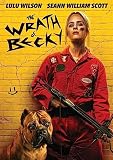
The Wrath of Becky | $8.19 | Buy on Amazon |
| 2 |

|
Wrath of Becky | $5.00 | Buy on Amazon |
| 3 |

|
Wrath & Mercy (Bright and the Pale, 2) | $38.14 | Buy on Amazon |
| 4 |

|
The Contract | Buy on Amazon |
That contrast is the engine of the movie’s crowd-pleasing energy. Every snapped bone and improvised weapon lands with extra punch because it’s powered by fury rather than swagger. In an era when action heroes are increasingly interchangeable, this sequel understands that the most shocking move is still letting the last person you’d expect go absolutely full carnage—and trusting the audience to enjoy every savage second of it.
Picking Up the Bruises: Where the Story Drops Us After the Original’s Shock Ending
The sequel wastes zero time reminding you that the chaos didn’t magically disappear when the credits rolled last time. We rejoin our unlikely wrecking ball still carrying the scars of that final, jaw-dropping showdown, physically and emotionally bruised by what they were forced to become. The movie understands that you don’t walk away from that kind of violence unchanged, and it uses that damage as its launching pad.
Quick wins for a faster PC:
Clear out junk files and repair common Windows errorsFree Scan →Fix the driver behind crashes, sound loss and screen glitchesFind Drivers →#1 Best Overall
- Two years after escaping an attack on her family, Becky is attempting to rebuild her life. But when her home is broken into by a group called the Noble Men and they take her beloved dog Diego, she returns to her old ways to protect herself.
A World That Won’t Let Them Go Back to Normal
Rather than resetting the board, the story drops us into a version of “after” that feels uneasy and unstable. The danger hasn’t vanished; it’s metastasized, creeping back into the hero’s life in ways that feel cruelly inevitable. That lingering threat gives the sequel its mean streak, making it clear this isn’t a victory lap but a reckoning.
There’s a smart, slightly sadistic pleasure in watching the film toy with the idea of peace before ripping it away. The hero wants out, wants quiet, wants anything but another blood-soaked survival test. Of course, the movie knows that denying them that peace is exactly what makes the return hit harder.
Escalation Without Losing the Weird Magic
Crucially, the sequel doesn’t pretend its protagonist has suddenly grown comfortable with carnage. Every fight still feels reactive, fueled by desperation and anger rather than confidence. That keeps the action raw and unpredictable, even as the body count climbs and the confrontations grow more elaborate.
By grounding the opening stretch in consequence instead of spectacle, the film earns its later excess. It reminds you why this character fascinated audiences in the first place: not because they wanted to fight, but because they were pushed there. Now that it’s streaming on Netflix, that bruised, back-against-the-wall energy makes the sequel an easy, brutal crowd-pleaser—one that knows exactly where to pick up the mess and how to turn it into must-watch mayhem.
What’s actually slowing this PC down?
Pick the symptom - the matching free tool is one click away.
Everyday Rage Weaponized: How the Film Turns an Unlikely Protagonist Into a Relentless Force
What makes this sequel click as a bruising crowd-pleaser is how it leans even harder into the idea that its hero isn’t built for violence—they’re forged by it. This isn’t a slick assassin or a wisecracking super-soldier; it’s someone whose anger has been quietly simmering for years. The film treats that pent-up frustration like a volatile resource, something that can be triggered, aimed, and devastating once unleashed.
Instead of smoothing out the character into a conventional badass, the sequel sharpens their rough edges. Every act of brutality feels like an extension of a bad day pushed too far, a line crossed because there’s simply nowhere left to retreat. That emotional grounding is what makes the mayhem hit harder than most streaming-era action fodder.
Violence Born From Irritation, Not Ego
One of the smartest choices here is how little the movie romanticizes the carnage. The fights don’t begin with bravado; they spark from annoyance, humiliation, and the kind of everyday disrespect most people swallow and move on from. The difference is this protagonist finally stops swallowing it.
That shift turns mundane locations into pressure cookers. Kitchens, parking garages, and anonymous hallways become battlegrounds not because they’re flashy, but because they’re familiar. Watching ordinary spaces explode into chaos taps into a primal, slightly uncomfortable thrill that feels perfectly calibrated for Netflix’s lean-back, late-night audience.
Improvised Mayhem as a Personality Trait
The action design reinforces the character’s unlikely status by favoring improvisation over polish. Weapons are grabbed, repurposed, and sometimes barely understood before they’re used, giving each confrontation a scrappy, dangerous edge. You’re never watching a master at work; you’re watching someone figure it out mid-swing.
That roughness becomes the sequel’s signature. It sells the idea that rage, when focused, can be terrifyingly effective—even if it’s messy. In a landscape crowded with hyper-trained killers, this grounded, DIY brutality feels fresh and perversely satisfying.
Why This Hits So Hard on Netflix Right Now
Streaming has trained audiences to crave immediacy, and this sequel delivers it through character as much as carnage. The protagonist’s fury is instantly readable, cutting across exposition and backstory with pure emotional clarity. You don’t need to aspire to be them; you just need to understand why they snap.
That relatability is the secret weapon. It turns the film into the kind of Netflix watch that spreads fast: easy to click, hard to forget, and powered by an action hero who feels shockingly close to home. In weaponizing everyday rage, the sequel doesn’t just up the violence—it gives it a pulse.
Recommended Free Tools
Rank #2
Bigger, Meaner, Bloodier: The Sequel’s Escalated Action Set Pieces and Brutal Fight Design
The sequel doesn’t just turn the volume up; it gleefully blows the speakers. Where the original thrived on contained bursts of violence, this follow-up widens the scope with set pieces that feel angrier, longer, and far less forgiving. Every major confrontation is designed to leave a mark, not just on the bodies involved, but on the tone of the film itself.
What’s striking is how confidently the movie leans into excess without losing clarity. The action is bigger, but never blurry or anonymous, letting viewers track every bad decision and painful consequence. It’s escalation with purpose, not noise for noise’s sake.
Set Pieces That Refuse to Let You Breathe
This time around, the fights sprawl across multiple locations, often unfolding in brutal chapters rather than quick bursts. One confrontation bleeds into another, forcing the protagonist to adapt on the fly as exhaustion becomes a weapon in itself. The choreography understands that fatigue is cinematic, and it milks that tension relentlessly.
These sequences are designed to feel punishing. Hits land with sickening weight, bones crack audibly, and the camera never flinches when things get ugly. It’s the kind of action that dares you to look away, then rewards you for sticking it out.
Violence as Problem-Solving, Not Spectacle
What keeps the bloodshed engaging is how practical it feels. Fights aren’t about dominance or cool poses; they’re about ending a threat as quickly and decisively as possible. The protagonist doesn’t win cleanly—they survive messily.
That philosophy shapes every encounter. Enemies are dispatched through desperation, environment, and timing rather than skill alone, reinforcing the idea that this hero is still an outsider in their own action movie. The brutality isn’t stylish; it’s functional, and that makes it hit harder.
Why the Sequel Feels Built for Netflix
Netflix audiences have developed a taste for action that doesn’t waste time getting to the point, and this sequel understands that instinct perfectly. The film wastes no energy easing viewers in, launching into heavy-hitting sequences early and stacking them with ruthless efficiency. It’s engineered for momentum, the kind that keeps autoplay at bay because you’re too locked in to stop.
That immediacy pairs perfectly with the unexpected action hero at the center. Watching someone so ill-suited to this level of carnage push through increasingly savage scenarios is half the thrill. As a streaming watch, it’s irresistible: brutal, fast-moving, and powered by a lead whose endurance feels just as tested as the audience’s nerves.
A Star Who Shouldn’t Work—But Absolutely Does: Performance, Physicality, and Screen Presence
At a glance, the casting still feels like a dare. This is not the kind of face you expect anchoring a blood-soaked action sequel, let alone carrying it through wave after wave of punishment. And yet, within minutes, the doubt evaporates.
What makes the performance click isn’t just commitment—it’s conviction. The star leans into the character’s ordinariness rather than fighting it, allowing the violence to feel like something happening to them rather than something they’ve mastered. That friction is the secret sauce, and it keeps every scene buzzing with tension.
Physicality Over Flash
There’s nothing graceful about how this hero moves, and that’s exactly the point. Every punch looks like it costs something, every sprint feels just a bit too slow, every recovery just a little too late. The physical performance sells exhaustion as a narrative tool, not a weakness.
The sequel smartly amplifies that approach. Instead of suddenly transforming into an unstoppable machine, the character remains stubbornly human, relying on stubbornness and pain tolerance more than skill. Watching them push through injuries that would end most action movies is perversely satisfying.
Rank #3
Charisma in the Cracks
What truly elevates the performance is how much personality survives the carnage. Even at their most battered, the star finds room for dry reactions, flickers of irritation, and flashes of gallows humor. These moments don’t undercut the violence; they sharpen it.
That screen presence makes the brutality palatable and the runtime fly by. You’re not just watching fights—you’re watching someone endure them, adapt to them, and occasionally resent the fact that they’re still standing. It’s a far more compelling dynamic than invincibility.
Why This Casting Is the Sequel’s Secret Weapon
In an era crowded with hyper-polished action leads, this sequel doubles down on its most unlikely asset. The star’s very misalignment with traditional action expectations becomes the hook, making every victory feel earned rather than inevitable. Netflix thrives on that kind of subversion.
It’s the reason the film plays so well as a streaming discovery. You click out of curiosity, stay out of disbelief, and finish because you’re invested in seeing just how much more this hero can take. Against all logic, the performance doesn’t just work—it defines why this sequel hits as hard as it does.
Free tools Windows power users keep installed
One-click scans. No signup required.
Lean, Mean, and Nastily Fun: Direction, Pacing, and the No-Frills Streaming-Era Action Style
If the casting sells you on the concept, the direction locks it in. This sequel understands exactly what kind of movie it is and never wastes time pretending to be anything else. It’s blunt, efficient, and gleefully rough around the edges, which makes it perfect late-night Netflix viewing.
The filmmakers lean into a stripped-down action grammar that prioritizes momentum over spectacle. There’s no over-stylized visual clutter or indulgent slow-motion posing. Everything is built to move, hit hard, and get out of the way before the adrenaline dips.
Pacing Built for the Scroll-Stopping Crowd
The pacing feels engineered for the streaming era in the best possible way. Scenes start late, end early, and rarely linger long enough for you to check your phone. Once the story kicks into gear, it barely lets up.
Action beats are spaced with purpose, not padding. Just when you expect a breather, the film throws another problem at its already exhausted hero, keeping the pressure constant and the viewing experience compulsively watchable.
Do these 3 things before closing this tab:
1Clear out junk files and repair common Windows errors2Scan for outdated or missing drivers - takes under a minute3Repair Windows errors before they cause bigger problemsDirection That Knows When Not to Show Off
What’s most refreshing is how unshowy the direction is. The camera stays close, favors clarity over chaos, and never confuses shakiness with intensity. You always know where the bodies are, where the exits aren’t, and why every hit matters.
That restraint reinforces the hero’s vulnerability. The violence doesn’t feel choreographed to impress; it feels choreographed to survive. Each sequence plays less like a dance and more like a desperate scramble, which suits the character and the tone perfectly.
A Brutal, Budget-Conscious Confidence
This is a sequel that wears its modest scale proudly. Instead of chasing globe-trotting excess, it wrings maximum tension from confined spaces, ugly locations, and relentless forward motion. The result feels meaner, tighter, and more personal than bigger-budget rivals.
Netflix has quietly become a home for this kind of action filmmaking, where confidence replaces cash and efficiency becomes an aesthetic. That mindset turns the film into a crowd-pleaser that doesn’t need to shout for attention. It just grabs you, drags you along, and refuses to let go.
The Tool Desk
Outbyte Driver Updater FREEScan for outdated or missing drivers - takes under a minuteDriver Scan →Outbyte PC Repair FREEClear out junk files and repair common Windows errorsFree Scan →Rank #4
Why It Plays Even Better at Home: Netflix, Rewatchability, and Crowd-Pleasing Momentum
There’s something about this sequel that feels purpose-built for the couch. Freed from theatrical expectations, it thrives as a lean, bruising piece of entertainment that hits hardest when you can just let it run. Netflix gives it the perfect runway to become a word-of-mouth favorite rather than a one-and-done curiosity.
The unexpected action hero at the center is a huge part of that appeal. Watching them get dragged back into chaos works even better in an at-home setting, where the character’s stubborn resilience becomes weirdly comforting. You’re not just rooting for survival; you’re rooting for someone who feels like they shouldn’t still be standing, yet refuses to stay down.
Built for Instant Access and Immediate Payoff
Netflix removes all friction between curiosity and commitment. You see the thumbnail, clock the runtime, and suddenly you’re halfway through a bone-crunching set piece before you’ve fully processed your decision. That immediacy plays right into the film’s strengths.
The sequel doesn’t waste time reintroducing itself or apologizing for what it is. It trusts viewers to catch up on the fly and rewards that trust with constant forward momentum. At home, that confidence reads as generosity rather than arrogance.
The Comfort of Controlled Chaos
This is the kind of action movie that benefits from familiarity. On a rewatch, you start noticing how efficiently scenes are constructed and how cleverly the hero’s limitations are weaponized. Every limp, every improvised weapon, every narrow escape lands with extra appreciation.
Netflix’s pause-and-resume culture also works in the film’s favor. You can step away, come back, and the story snaps right back into place without losing intensity. That makes it easy to revisit favorite sequences or throw it on again when you’re in the mood for something reliably brutal.
An Unexpected Hero You Want to Spend Time With
What truly makes the sequel pop at home is how oddly watchable its lead remains. This isn’t a slick power fantasy; it’s a portrait of endurance under pressure. The hero’s appeal grows with repeat exposure, as their grit and dry determination become the movie’s emotional spine.
Streaming gives that character room to become a cult favorite rather than a box-office calculation. Viewers discovering the film late or on a whim are likely to stick around, recommend it, and hit replay. That slow-burn enthusiasm is exactly how crowd-pleasing action movies find their second life on Netflix.
Final Verdict: A ‘Bloody Good’ Thriller Sequel That Proves This Franchise Still Has Bite
A Sequel That Knows Exactly What It Is
This sequel doesn’t pretend to be elevated prestige TV or reinvent the action genre. It knows its lane and barrels down it with confidence, delivering bruising set pieces, sharp pacing, and just enough character work to keep things grounded. That self-awareness is part of its charm, especially when so many modern sequels overcomplicate the formula. Here, clarity is king, and it pays off.
The Power of an Unlikely Action Icon
What ultimately makes the film stick is its commitment to an action hero who feels defiantly out of step with the genre. He’s not unstoppable, not glamorous, and definitely not indestructible, which makes every victory feel earned. The movie leans into that vulnerability rather than smoothing it over, turning physical limitations into storytelling fuel. It’s refreshing, and oddly inspiring, to watch an action sequel double down on grit instead of gloss.
Why Netflix Is the Perfect Home for This Franchise
Now streaming, the film feels tailor-made for Netflix’s audience of curiosity-driven viewers looking for something fast, fierce, and satisfying. It’s the kind of thriller you put on casually and end up recommending immediately after. With its lean runtime, relentless momentum, and bruised-but-standing hero, it delivers exactly what action fans want without overstaying its welcome.
In the end, this is a sequel that earns its existence the hard way. It hits harder, moves faster, and understands why audiences showed up in the first place. If you’re scrolling for a no-nonsense action fix with a surprisingly compelling lead, this ‘bloody good’ follow-up proves the franchise still has plenty of fight left in it.
Quick Recap
Product prices and availability are accurate as of the date/time indicated and are subject to change. Any price and availability information displayed on Amazon at the time of purchase will apply.