The Tool Desk
Outbyte Driver Updater FREEScan for outdated or missing drivers - takes under a minuteDriver Scan →Outbyte PC Repair FREEClear out junk files and repair common Windows errorsFree Scan →Steamboat Willie, the 1928 film, is in the U.S. public domain, including the early Mickey and Minnie depictions shown in that film. That does not make every later Mickey image free to use, and it does not settle separate trademark questions. The exact version, how it is presented, and the country where it is used all matter.
What is public domain about Steamboat Willie?
The film Steamboat Willie was published in 1928. The U.S. Copyright Office says works published in the United States before January 1, 1931 are currently in the public domain because their copyright protection has expired. That general rule covers the film and the particular early character depictions it contains.


The Library of Congress describes the animation as showing early versions of Mickey and Minnie Mouse. It also distinguishes the 1928 depiction from Mickey images created in later years. Copyright in the film’s specific material has expired; that is not a blanket release of all material featuring Mickey. The Library of Congress explains the 1928 works’ copyright lifecycle, and its rights and restrictions page discusses Disney-related material and the distinction between images from different periods.
The Copyright Office’s cutoff is general U.S. guidance, not a ruling on every proposed use. Its copyright overview states the cutoff; the Copyright Act and amendments are collected on its Title 17 page.
#1 Best Overall
Does public domain status mean you can use any Mickey image?
No. The public-domain conclusion applies to the 1928 film and its particular early renditions, not later drawings, films, or designs simply because they depict the same character. A later Mickey image may have its own copyright protection. When planning a use, identify the exact source material rather than relying on the character’s name or on a general claim that “Mickey is public domain.”
What does public domain status mean for a proposed use?
It means the expired copyright in the covered 1928 material does not, by itself, prevent people from copying or adapting that material in the United States. But public-domain copyright status is only one part of the analysis. The context in which the character appears can raise separate questions, particularly if the presentation makes the character function as a brand identifier or suggests a connection with Disney.
Does trademark still matter?
Yes. Copyright and trademark protect different interests, so expiration of copyright does not automatically remove trademark concerns. The UK Intellectual Property Office says the Steamboat Willie version has lost copyright protection while Mickey remains protected as a registered trademark. It cautions against using the character in a way that could lead consumers to think a work is sponsored by or produced by Disney. That is a practical warning, not a complete legal test for every situation. The IPO’s March 7, 2024 explanation addresses the UK context.
For a specific commercial design, advertisement, title, or product presentation, the public-domain status of the source does not determine whether a trademark is infringed or consumers could be confused. The outcome depends on the facts and applicable law; the cited guidance does not decide those case-specific questions.
Recommended Free Tools
Is Steamboat Willie public domain everywhere?
The clearest conclusion here is U.S.-specific. The UK IPO discusses UK status, while Duke Law’s Center for the Study of the Public Domain says the first iterations appear to be public domain in the UK and much of the EU, while noting exceptions. Those sources do not support a universal claim covering every country. Check the law in the jurisdiction where the work will be used, including any relevant exceptions. Duke Law’s overview discusses the international picture and its limits.
Quick Recap
Best Value
Rank #4
Rank #3
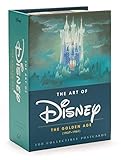
- This box of Disney postcards collects a treasure trove of concept art, many pieces never before published, from Disney’s Golden Age of animation.
- One hundred unique postcards spanning from Snow White and the Seven Dwarfsin 1937 to One Hundred and One Dalmatians in 1961, and artists from Mary Blair to Eyvind Earle.
- Ideal for the animation history fan, classic film fan, and vintage Disney lovers.
- Alternative look at some of Disney’s most beloved films, showing character development, background design, and animation cells.
- These art postcards are for Disney fans who want a collection of concept art depicting their favorite films in a format that is easy to display, share, or use as gift cards.
How to assess a use responsibly
- Pin down the source. Confirm that the material you plan to reproduce is from the 1928 film or depicts the specific early version, rather than a later image or design.
- Separate copyright from trademark. Treat the film’s public-domain status as an answer to the copyright question, not as permission to imply Disney sponsorship, production, or endorsement.
- Check the jurisdiction. Apply the rules of the country where the material will be used; do not assume the U.S. conclusion governs elsewhere.
- Get advice for a high-stakes use. If a commercial presentation depends on the character or may suggest a brand relationship, have the actual design and context reviewed under the relevant law.
Product prices and availability are accurate as of the date/time indicated and are subject to change. Any price and availability information displayed on Amazon at the time of purchase will apply.