Free tools Windows power users keep installed
One-click scans. No signup required.
Paramount’s confidence in Sonic the Hedgehog as a long-term theatrical brand officially crossed a new threshold with the confirmation of Sonic the Hedgehog 4, locking in a Spring 2027 release window. The announcement didn’t arrive as a surprise to anyone tracking the franchise’s momentum, but its timing and clarity signaled something bigger: Sonic is no longer a trilogy experiment, it’s a sustained cinematic universe. For fans, the news instantly reframed Sonic 3 as a midpoint rather than an endpoint.
The greenlight came as Paramount evaluated the franchise’s consistent box office performance, strong home entertainment numbers, and unusually positive fan engagement for a video game adaptation. Internally, Sonic has become one of the studio’s most reliable family-friendly tentpoles, capable of bridging generations and feeding both theatrical and streaming strategies. A Spring 2027 release places the fourth film comfortably on the established two-to-three-year development cadence that has defined the series so far.
Why the Greenlight Came When It Did
Rather than waiting to see long-term audience fatigue, Paramount opted to move early, approving Sonic the Hedgehog 4 while the brand’s popularity remains at full throttle. This proactive greenlight allows the creative team to map story arcs well beyond a single sequel, aligning film narratives with ongoing interest in characters like Shadow, Knuckles, and the expanding mythos introduced in recent entries. It also gives the studio room to coordinate cross-promotion with games, merchandise, and potential streaming spin-offs.
From a franchise-timeline perspective, Spring 2027 suggests continuity rather than reinvention. Audiences can realistically expect the core voice cast led by Ben Schwartz’s Sonic, Colleen O’Shaughnessey’s Tails, and Idris Elba’s Knuckles to remain intact, while story threads from Sonic 3 are positioned to evolve rather than reset. The confirmation of a fourth film effectively locks Sonic into the same blockbuster playbook as Paramount’s other major IPs, signaling that the Blue Blur’s cinematic future is now planned years in advance, not movie by movie.
What’s actually slowing this PC down?
Pick the symptom - the matching free tool is one click away.
#1 Best Overall
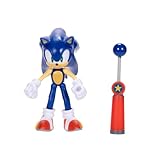
- 4-Inch Sonic figure
- 11 points of articulation
- Includes a Blue Checkpoint accessory
- Ages 3 and up
- Collect them all!
Why Spring 2027 Matters: Release Window Strategy and Franchise Timing
Spring has quietly become one of Hollywood’s most strategic release corridors, and Sonic the Hedgehog 4 landing there is no accident. Positioned between early-year awards holdovers and the full summer blockbuster crush, Spring 2027 offers Sonic room to dominate family audiences without fighting for oxygen against superhero overload. It’s a window that rewards broad appeal, repeat viewings, and word-of-mouth momentum.
For Paramount, it also mirrors the successful playbook used by the previous films, reinforcing Sonic as a reliable seasonal draw rather than a one-off event. The consistency matters, especially for younger audiences and families who now associate Sonic releases with a specific time of year. That kind of scheduling muscle is usually reserved for franchises a studio fully trusts.
A Release Window Built for Franchise Stability
A Spring 2027 debut keeps Sonic on a predictable two-to-three-year cadence, which is crucial for maintaining narrative continuity and cast availability. Voice performances from Ben Schwartz, Colleen O’Shaughnessey, and Idris Elba benefit from that rhythm, allowing characters to age naturally without long gaps that risk tonal or stylistic shifts. It also keeps live-action cast commitments manageable, avoiding the scheduling chaos that can plague longer-delayed sequels.
From a production standpoint, the window gives the creative team ample time to scale up visual ambition without rushing post-production. Each Sonic film has noticeably expanded its scope, and Spring 2027 signals that the fourth entry is expected to continue that upward trajectory rather than pulling back. The message is clear: this isn’t a placeholder sequel, it’s a planned escalation.
The Tool Desk
Outbyte PC Repair FREEClear out junk files and repair common Windows errorsFree Scan →Outbyte Driver Updater FREEScan for outdated or missing drivers - takes under a minuteDriver Scan →Timing the Story, Not Just the Date
Narratively, Spring 2027 positions Sonic the Hedgehog 4 as a direct evolution of Sonic 3 rather than a soft reset. Storylines involving Shadow, Knuckles’ deeper mythology, and the expanding interdimensional stakes can be developed with intention, not retrofitted after the fact. The release timing allows Sonic 3 to breathe culturally while still keeping its plot threads fresh in audience memory.
This also opens the door for smarter universe-building across mediums. Any Paramount+ spin-offs or game tie-ins released in the interim can feed directly into Sonic 4’s story, creating a sense of momentum instead of fragmentation. Spring 2027 becomes less about waiting and more about building anticipation across the entire Sonic ecosystem.
A Strategic Move in an Increasingly Crowded Market
Blockbuster calendars are only getting more competitive, and Spring 2027 gives Sonic a lane where its tone and demographic advantage shine. While darker, more adult-oriented franchises often crowd late summer and fall, Sonic thrives as an all-ages spectacle with global appeal. That positioning strengthens international box office prospects, particularly in markets where family-friendly franchises dominate theatrical attendance.
Just as importantly, the timing reflects Paramount’s long-term confidence. Studios don’t plant flags that far out unless they’re committed to seeing a franchise through multiple phases. With Sonic the Hedgehog 4 set for Spring 2027, the message to fans is unmistakable: this universe isn’t slowing down, it’s settling in for the long run.
The State of the Sonic Cinematic Universe After Part 3
By the time Sonic the Hedgehog 3 closes out its theatrical run, the franchise will be operating from a position of rare stability. Three films deep, Paramount has successfully translated Sega’s icon into a consistently profitable, audience-trusted brand, one that now carries genuine narrative continuity rather than standalone sequel energy. That foundation is what makes the confirmation of Sonic the Hedgehog 4 feel less like a gamble and more like the next logical chapter.
The third film isn’t just another sequel; it’s a pivot point. With Shadow’s long-anticipated introduction, Knuckles firmly established beyond comic relief, and Sonic himself evolving into a more emotionally grounded hero, the universe is poised to widen in both scale and tone. Sonic 4 inherits a world that’s already layered, populated, and primed for escalation.
A Franchise Built on Continuity, Not Reinvention
One of the Sonic films’ greatest strengths has been its refusal to constantly reboot itself. Characters grow, relationships carry over, and consequences matter, even within the franchise’s family-friendly framework. That approach has paid dividends, allowing Sonic 4 to move forward without reintroducing its core dynamics yet again.
Audiences can realistically expect the core cast to return, with Ben Schwartz’s Sonic remaining the emotional anchor. Jim Carrey’s Dr. Robotnik, while always a wildcard, has become too integral to the franchise’s identity to ignore, whether through a direct return or a legacy presence shaped by Sonic 3’s events. Idris Elba’s Knuckles and Colleen O’Shaughnessey’s Tails are now permanent pillars, not side characters.
Recommended Free Tools
Where the Story Can Go After Sonic 3
Narratively, Sonic the Hedgehog 4 benefits from inheriting unresolved threads rather than needing to invent stakes from scratch. Shadow’s arc alone opens the door to deeper moral conflict, rival philosophies of heroism, and a darker emotional register that still fits the series’ tone. The interdimensional mythology teased across previous films can finally evolve into a true saga framework.
Rather than escalating purely through bigger explosions, Sonic 4 is positioned to deepen its conflict. Expect the story to explore what protecting Earth actually means when multiple worlds, factions, and legacies collide. It’s less about stopping the next doomsday device and more about defining Sonic’s role as a protector across universes.
Rank #2

- Sonic The Hedgehog Sonic 3 Movie 5" Action Figures: Sonic With Emerald Wave #3
A Cinematic Universe That’s Actually Expanding
By Spring 2027, the Sonic Cinematic Universe won’t just be measured by its films. Paramount+ spin-offs, potential character-focused projects, and cross-promotional game content all feed into a larger ecosystem that now feels intentional rather than experimental. Sonic 4 becomes the cinematic hub where those threads can converge.
Importantly, this expansion hasn’t diluted the brand. Sonic remains approachable for newcomers while rewarding longtime fans who track continuity and lore. That balance is difficult to achieve, and it’s why Sonic the Hedgehog 4 arrives not as a risky sequel, but as a confident next phase for one of Hollywood’s most successful video game adaptations.
Returning Faces and Likely Cast Lineup: What’s Locked, What’s Still in Play
With Sonic the Hedgehog 4 now dated for Spring 2027, attention naturally turns to which familiar faces will be racing back onto the screen. Unlike earlier sequels that had to prove their footing, this entry benefits from a stable ensemble that audiences already view as inseparable from the franchise. The expectation isn’t reinvention, but evolution, with returning characters stepping into more defined, story-driven roles.
The Core Team Is Firmly in Place
Ben Schwartz’s Sonic is effectively locked in, having become the vocal and emotional spine of the cinematic universe. His performance has shaped the franchise’s tone, balancing speed-fueled bravado with genuine heart, and there’s no scenario where Sonic 4 moves forward without him at the center.
Idris Elba’s Knuckles and Colleen O’Shaughnessey’s Tails are equally secure. Knuckles has grown from antagonist to warrior-ally with mythic weight, while Tails remains the franchise’s moral compass and technical genius. By the fourth film, they aren’t supporting players anymore; they’re foundational, and the story now assumes their presence rather than reintroducing them.
Jim Carrey’s Robotnik: The Biggest Question Mark
Jim Carrey’s Dr. Robotnik remains the most fascinating variable. His performances have defined the films’ villainous energy, and the character’s shadow looms large regardless of his physical presence. Whether Sonic 4 features a full return, a limited appearance, or a narrative legacy shaped by prior events, the franchise has clearly built Robotnik into its DNA.
Windows Errors? Fix Them Before They Spread
Repair common Windows errors and clear accumulated junk for a smoother, more stable PC - no reinstall needed.Free scan · no reinstallOutdated Drivers Are Slowing You Down
One free scan finds every outdated or missing driver and matches the right update for your exact hardware.Free scan · exact hardware matchParamount also has narrative flexibility here. The series has leaned into comic book logic and heightened sci-fi, meaning Robotnik’s influence can persist through technology, protégés, or ideological echoes even if Carrey’s involvement is scaled back. However it plays out, Sonic 4 is unlikely to treat the character as an afterthought.
Human Allies and Expanding Roles
James Marsden and Tika Sumpter’s Tom and Maddie Wachowski are widely expected to return, though their roles may shift. As the universe expands beyond Earth-bound conflicts, the human characters are less about grounding the story and more about representing what Sonic is protecting. That evolution keeps them relevant without forcing them into action beats that no longer fit the scale.
At the same time, Sonic 4 has room to introduce new faces without overcrowding the cast. With Shadow’s presence and deeper lore elements now in play, audiences can expect at least one major addition, likely a character who challenges Sonic philosophically rather than physically. The franchise has learned that character dynamics matter as much as spectacle, and casting choices will reflect that priority heading into 2027.
Story Direction and Villain Speculation: Where Sonic 4 Could Go Next
With Sonic the Hedgehog 4 targeting a Spring 2027 release, Paramount is signaling confidence in a long-term narrative plan rather than a stopgap sequel. That window gives the creative team time to build on the darker, lore-driven elements introduced in recent installments while keeping the franchise accessible to younger audiences. The result is likely a story that leans deeper into the Sonic mythos without abandoning the fast, comedic rhythm that made the series a hit.
The fourth film sits at an inflection point. Sonic is no longer discovering his place in the world; he’s actively shaping it, which naturally raises the stakes and the scale of the threats he faces. That evolution opens the door for villains who challenge his worldview, not just his speed.
A Shift Toward Legacy-Level Threats
Rather than introducing another one-off antagonist, Sonic 4 is well-positioned to explore a villain with franchise-spanning consequences. The films have already flirted with ancient civilizations, advanced technology, and interdimensional power sources, all of which align neatly with long-standing elements from the games. This is the stage where conflicts stop being local and start affecting entire worlds.
Such a shift would also justify the growing ensemble. Sonic, Tails, Knuckles, and Shadow function best when facing something that requires strategy, sacrifice, and ideological disagreement, not just brute force. A villain who forces the team to question how far they’re willing to go would mark a clear tonal evolution.
Game-Inspired Villains Finally Within Reach
Fan speculation has naturally centered on characters like Metal Sonic, whose thematic mirroring of Sonic fits perfectly with a more mature sequel. A mechanical rival born from Robotnik’s legacy would allow the franchise to honor Jim Carrey’s impact while moving forward organically. It also taps into a visual spectacle the films haven’t fully explored yet.
Rank #3

- 5" figures from Sonic the Hedgehog 3!
- 20+ points of articulation
- Wave 1 features Sonic, Tails, Shadow, and Ivo Robotnik
- Suggested for kids ages 3 years and up
- Each sold separately
Another possibility is the introduction of a cosmic or mythological antagonist, drawing from the Chaos Emerald lore that has been steadily seeded across the series. By 2027, audiences will be ready for a villain whose origins feel ancient and inevitable, not reactive. That kind of presence would immediately elevate Sonic 4 into event-movie territory.
Shadow’s Role as Wild Card, Not Villain
While Shadow’s arrival adds intensity, the franchise has been careful to position him as morally complex rather than outright evil. Sonic 4 could lean into that ambiguity, using Shadow as a parallel path rather than the central threat. His choices may complicate the team’s mission, even if his goals occasionally align with theirs.
This dynamic creates room for tension without repetition. Instead of retreading the hero-versus-antihero formula, the story can explore what happens when power, trauma, and purpose collide under pressure. That kind of character-driven conflict is exactly what a fourth installment needs to feel fresh.
Setting the Table for a Larger Sonic Universe
The Spring 2027 release date also suggests strategic placement within Paramount’s broader franchise ambitions. Sonic 4 isn’t just another sequel; it’s a bridge toward a more interconnected cinematic universe. Whether that means spin-offs, crossover events, or parallel stories, this film will likely plant narrative seeds designed to pay off years down the line.
Audiences should expect a story that resolves immediate conflicts while deliberately leaving doors open. Sonic’s world is expanding, and Sonic 4 has the opportunity to redefine what a video game adaptation franchise can sustain long-term, both creatively and commercially.
Balancing Games and Movies: How Sega and Paramount Are Shaping the Sequel
With Sonic the Hedgehog 4 officially set for Spring 2027, the extended development window signals a deliberate creative partnership between Sega and Paramount. Rather than rushing to capitalize on momentum, both sides appear focused on aligning the film’s narrative with where the games and cinematic universe are heading next. That balance has become the franchise’s secret weapon, appealing to longtime fans while keeping the films accessible to broader audiences.
The timing also matters within the franchise timeline. A 2027 release places Sonic 4 far enough from its predecessor to justify escalation, but close enough to maintain continuity in tone, cast, and world-building. It suggests a story that acknowledges past arcs while confidently pushing Sonic into a more expansive, high-stakes phase of his cinematic journey.
Game Fidelity Without Creative Handcuffs
One of the defining strengths of the Sonic films has been their selective approach to game canon. Sega’s involvement ensures authenticity, but Paramount has consistently avoided rigid adaptation, opting instead to translate iconic elements into cinematic language. Sonic 4 is expected to continue that philosophy, pulling from recognizable lore like advanced robotics, ancient mythologies, and rival philosophies without becoming a checklist of references.
Quick wins for a faster PC:
Fix the driver behind crashes, sound loss and screen glitchesFind Drivers →Repair Windows errors before they cause bigger problemsFix Now →This approach gives the filmmakers flexibility to surprise audiences. Fans can expect familiar designs, powers, and themes, but framed in ways that serve character and spectacle first. It’s less about recreating a specific game and more about capturing what Sonic represents across decades of storytelling.
What Spring 2027 Signals for the Returning Cast
A longer runway strongly points to cast stability, which has been a cornerstone of the franchise’s success. Ben Schwartz’s Sonic remains the emotional anchor, with Idris Elba’s Knuckles and Colleen O’Shaughnessey’s Tails now fully integrated as core players rather than sidekicks. Their dynamic has evolved across films, and Sonic 4 is positioned to deepen that chemistry rather than reset it.
Shadow’s expanded presence also hints at a more ensemble-driven narrative. Rather than introducing new characters at the expense of established ones, the sequel appears poised to let its existing roster breathe. That choice reflects confidence in the characters Paramount has already invested in, both creatively and with audiences.
Building a Universe, Not Just a Sequel
From an industry standpoint, Sonic 4 represents a pivotal checkpoint for the franchise. Sega and Paramount are no longer proving that a Sonic movie can work; they’re defining how long it can last. The film is expected to advance larger story threads, introduce concepts that extend beyond a single installment, and subtly prepare the ground for future spin-offs or crossover events.
Do these 3 things before closing this tab:
1Repair Windows errors before they cause bigger problems2Scan for outdated or missing drivers - takes under a minute3Clear out junk files and repair common Windows errorsFor fans, that means Sonic 4 should feel complete yet consequential. It’s designed to reward investment without demanding encyclopedic knowledge, a balancing act that few video game adaptations have mastered. If successful, the Spring 2027 sequel won’t just continue Sonic’s run on the big screen, it will reinforce why this partnership has become one of Hollywood’s most reliable adaptation success stories.
Independent reader supportYour contribution helps us test, update, and keep practical guides available for everyone.Production Timeline, Animation Scale, and What the Long Lead Time Signals
With Sonic the Hedgehog 4 targeting a Spring 2027 release, Paramount is signaling a deliberately paced production cycle rather than a rushed follow-up. That extended timeline reflects how significantly the series’ technical demands have grown since the first film in 2020. What began as a hybrid experiment has evolved into a fully realized animation-driven blockbuster machine.
Rank #4

- Sonic The Hedgehog 2.5" Action Figures Wave #20 3-Pack
Why Sonic 4 Needs the Time
Each Sonic sequel has expanded the scale of its animation, from more complex character rigs to larger, faster action sequences that push photoreal integration. Sonic 4 is expected to go even further, especially with Shadow’s increased role and the likelihood of more large-scale, multi-character set pieces. These films rely heavily on long render times, detailed animation passes, and extensive visual effects coordination, all of which benefit from a longer runway.
The Spring 2027 date also suggests that pre-production is being handled with unusual care. Storyboarding, animation tests, and visual development likely began well before public confirmation, ensuring that the creative vision is locked in early. That kind of preparation minimizes the risk of tonal inconsistency and last-minute course correction, issues that have plagued other effects-heavy franchises.
Franchise Confidence Over Speed
Paramount’s willingness to wait underscores how the studio views Sonic as a long-term pillar rather than a content treadmill. Instead of capitalizing on momentum with a quick turnaround, Sonic 4 is being positioned as an event release with room to breathe. That patience reflects confidence in audience loyalty and a belief that quality, not frequency, will sustain the brand.
This approach also aligns with how modern franchises manage talent and scheduling. Locking in voice actors, live-action performers, and key creative leadership well in advance reduces churn and helps maintain continuity. For fans, it means Sonic 4 is being shaped by the same creative DNA that made the earlier films resonate.
What the Timeline Reveals About Scope and Ambition
A multi-year development window strongly hints that Sonic 4 will be larger in scope than any previous entry. Whether that means more locations, deeper lore exploration, or action sequences that rival top-tier animated features, the timeline suggests escalation rather than maintenance. Paramount and Sega appear intent on raising the ceiling, not simply meeting expectations.
Just as importantly, the long lead time allows Sonic 4 to function as a connective chapter within the broader cinematic universe. The film can seed future arcs, align with potential spin-offs, and maintain narrative cohesion without feeling rushed. Spring 2027 isn’t a delay; it’s a statement that Sonic’s cinematic future is being built with intent, scale, and staying power.
What ‘Sonic the Hedgehog 4’ Means for the Future of Video Game Blockbusters
The confirmation of Sonic the Hedgehog 4 for Spring 2027 isn’t just a win for fans of the blue blur; it’s a clear signal that video game adaptations have entered a new, more confident era. Sonic has evolved from a risky experiment into a reliable theatrical brand, and that stability is reshaping how studios approach game-based franchises. Instead of one-off attempts, Hollywood is now thinking in terms of longevity, narrative planning, and audience trust.
A Blueprint for Sustainable Franchise Building
Sonic’s success demonstrates that video game movies no longer need to chase gritty realism or overcorrect for past failures. By leaning into the tone, characters, and emotional rhythms of the games, the franchise has found a formula that resonates with both longtime fans and general audiences. Sonic 4 continuing on this path reinforces the idea that authenticity, not reinvention, is the key to sustainability.
For the industry, that’s a powerful lesson. Studios adapting properties like The Legend of Zelda, God of War, or Mass Effect are watching closely, and Sonic’s measured, character-first approach is increasingly becoming the gold standard. A Spring 2027 release only strengthens the perception that these films deserve the same patience and care as top-tier superhero entries.
Stability in Cast and Creative Direction
While official casting announcements are still pending, the extended timeline strongly suggests continuity across the board. Ben Schwartz’s Sonic, Jim Carrey’s larger-than-life Robotnik, and the core human cast have become foundational to the franchise’s identity. Maintaining that ensemble helps preserve tonal consistency while giving performers room to deepen their roles rather than simply repeat them.
The Tool Desk
Outbyte Driver Updater FREEFix the driver behind crashes, sound loss and screen glitchesFind Drivers →Outbyte PC Repair FREERepair Windows errors before they cause bigger problemsFix Now →On the story front, Sonic 4 is poised to build forward rather than reset. With the universe already expanded to include Tails, Knuckles, and deeper mythological elements, the next chapter can explore higher stakes without sacrificing accessibility. That balance is crucial, and it’s something many video game adaptations struggle to achieve once sequels start piling up.
Expanding the Sonic Cinematic Universe Without Overreach
Sonic the Hedgehog 4 also reinforces a more disciplined approach to cinematic universes. Paramount has resisted the urge to flood the market, opting instead for strategic expansion that supports the mainline films. Sonic 4 can act as both a payoff and a launchpad, threading together existing arcs while subtly opening doors for future stories.
This restraint matters. Audiences are increasingly selective, and overextension has hurt even the biggest franchises. Sonic’s universe feels additive rather than obligatory, and the Spring 2027 release gives the studio space to ensure every new element earns its place.
A Turning Point for Game-to-Film Credibility
Perhaps most importantly, Sonic 4’s confirmation cements video game adaptations as dependable blockbuster contenders. No longer novelty releases, these films are now calendar anchors with multiyear planning and global expectations. Sonic has helped normalize that shift, proving that game-based stories can sustain emotional arcs, character growth, and long-term audience investment.
What’s actually slowing this PC down?
Pick the symptom - the matching free tool is one click away.
As Sonic races toward Spring 2027, the message to the industry is clear. Video game blockbusters aren’t just viable; they’re evolving, maturing, and setting their own rules. Sonic the Hedgehog 4 isn’t simply the next sequel, it’s a marker of how far the genre has come and where it’s headed next.
Quick Recap
Product prices and availability are accurate as of the date/time indicated and are subject to change. Any price and availability information displayed on Amazon at the time of purchase will apply.