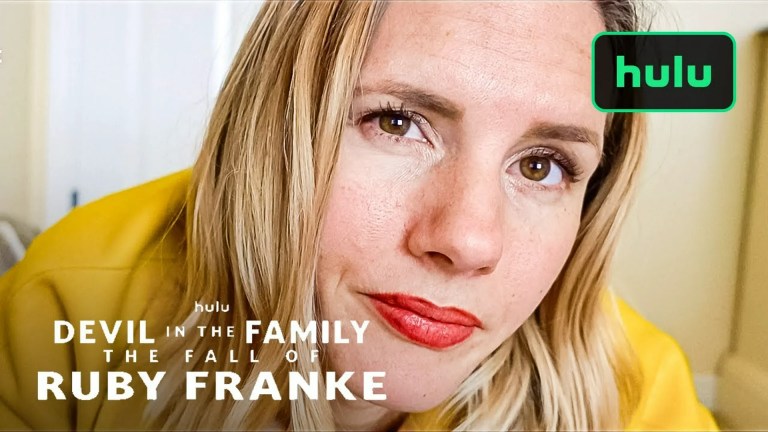
On October 16, 2024, Shari Franke told Utah lawmakers that growing up in monetized family-vlogging content had cost her privacy and shaped her relationships. She described the work as a commercial operation in which children could be paid or rewarded for moments filmed for an audience. Her testimony was a personal account and a call for stronger protections—not a representative study of child influencers or a detailed legislative proposal.
What Shari Franke told Utah lawmakers
Franke testified at a Utah Senate committee hearing on October 16, 2024. KSL identified the panel as the Business and Labor Interim Committee. She described children featured in monetized family videos as child influencers and argued that the work could be more than a family sharing its life online.


“When children become stars in their family’s online content, they become child influencers.”
She characterized the operation she experienced as a business, citing employees, business credit cards, managers and marketing strategies. “It is more than just filming your family life and putting it online. It is a full time job, with employees, business credit cards, managers, and marketing strategies,” she told lawmakers.
Outdated Drivers Are Slowing You Down
One free scan finds every outdated or missing driver and matches the right update for your exact hardware.Free scan · exact hardware matchWindows Errors? Fix Them Before They Spread
Repair common Windows errors and clear accumulated junk for a smoother, more stable PC - no reinstall needed.Free scan · no reinstall#1 Best Overall

- Bantam, A nice option for a Book Lover
- Condition : Good
- Ideal for Gifting
Franke said she was paid to appear on camera, but described some payments as incentives tied to specific scenes. KSL reported her example of being offered $100 or a shopping trip for an embarrassing or exciting moment. That is her personal example, not a typical rate or industry-wide figure.
Privacy, consent and relationships
Franke said constant filming made it difficult to keep ordinary experiences private, and that friends sometimes avoided being on camera. She also argued that children cannot fully understand or consent to the long-term consequences of parents posting their lives. These are her account and position, not findings about every family channel.
She warned that childhood footage can remain online into adulthood, with viewers continuing to see someone as the age they were when filmed. Her testimony framed the issue as one of control over a child’s image and future, as well as payment for work that helps generate content.
Her policy position
Franke called for lawmakers to protect children and said her ultimate goal was a ban on family vlogging. KSL reported that preference; ABC/GMA noted she did not outline specific restrictions during that testimony. Her call for action should therefore not be mistaken for a proposed bill or a description of current law.
Rank #3
How the Ruby Franke case fits—and what it does not prove
Shari Franke’s testimony drew added attention because her mother, former 8 Passengers family vlogger Ruby Franke, pleaded guilty to four counts of child abuse. ABC/GMA reported that Ruby Franke was sentenced in February 2024 to four consecutive terms of one to 15 years. Consecutive sentences do not mean a guaranteed 30 years of incarceration.
The criminal case is relevant context for Shari Franke’s public advocacy, but it does not establish that family vlogging generally causes abuse or that all family vloggers commit crimes. The broader questions she raised—commercialization, consent, privacy and compensation—are distinct from the criminal case.
Rank #4
What protections child influencers have
There is no single rule that applies everywhere. Laws differ by jurisdiction, and the sources below do not establish a complete state-by-state survey. The available accounts describe these measures:
| Jurisdiction | Protection described in the cited source | Important qualification |
|---|---|---|
| Illinois | SB1782 creates a private right of action for child influencers featured in videos without proper compensation. | The Illinois Governor’s bill-action page records that it was signed and took effect January 1, 2024. Check the statute for coverage and requirements. |
| California | ABC/GMA reported in October 2024 that California required a share of earnings from monetized content featuring minors to be placed in trust accounts, and expanded Coogan Law protections to qualifying minor content creators. | This is a contemporaneous news account, not a full statement of current statutory scope. |
| Utah | AP reported in 2025 that the law provides an adult route to seek removal of content featuring them as a minor and requires earnings set-asides. It described a threshold of creators earning more than $150,000 a year from content featuring children, with 15% of those earnings placed in a trust accessible when the children turn 18. | Those figures and conditions are AP’s account of the law; confirm the enacted text for covered income, eligible children, threshold and effective date. |
| Minnesota | AP reported a provision permitting content featuring minors to be taken down, alongside earnings protections. | The available reporting does not supply a full comparison of eligibility, procedure or current requirements. |
For any particular child or creator, the details that matter include which content and minors are covered, how protected earnings are calculated, who controls a trust, when the child can access funds, whether a child can sue, and whether an adult can request removal of childhood content. Check current statutory text or seek local legal advice rather than relying on a general summary.
Quick wins for a faster PC:
Repair Windows errors before they cause bigger problemsFix Now →Scan for outdated or missing drivers - takes under a minuteDriver Scan →Clear out junk files and repair common Windows errorsFree Scan →Where to read Franke’s account in her own words
Franke’s memoir, The House of My Mother: A Daughter’s Quest for Freedom, is a further-reading option for readers seeking her first-person account. Her legislative testimony provides a focused account of her concerns about monetized family content; it should be read as testimony and advocacy, not as a population-level study.
Quick Recap
Sources
- PerthNow: Shari Franke speaks out on child influencers
- ABC/GMA: Shari Franke testifies on child influencer protections
- KSL: Shari Franke testifies to Utah lawmakers about family vlogging
- AP: Utah and other states’ protections for children in online content
- Illinois Governor: SB1782 bill action
Product prices and availability are accurate as of the date/time indicated and are subject to change. Any price and availability information displayed on Amazon at the time of purchase will apply.