Outdated Drivers Are Slowing You Down
One free scan finds every outdated or missing driver and matches the right update for your exact hardware.Free scan · exact hardware matchWindows Errors? Fix Them Before They Spread
Repair common Windows errors and clear accumulated junk for a smoother, more stable PC - no reinstall needed.Free scan · no reinstallPoppy Playtime’s leap from a scrappy indie horror experiment to a live-action movie contender is a testament to how quickly modern genre IP can metastasize. What began in 2021 as a short, unnerving PC game built around abandoned toy factories and smiling monsters became a viral sensation almost overnight, fueled by streamer reactions, meme culture, and a character design that was instantly iconic. In the attention economy of horror, Huggy Wuggy didn’t just scare players; he sold the idea of a franchise.
That rapid expansion caught Hollywood’s eye at a moment when video game adaptations were finally learning how to respect their source material. Poppy Playtime arrived with built-in brand recognition, a young but deeply engaged fanbase, and a visual language that already felt cinematic. Its environmental storytelling, minimal dialogue, and reliance on tension over exposition make it an unusually clean candidate for translation to film, at least on paper.
| # | Preview | Product | Price | |
|---|---|---|---|---|
| 1 |

|
Poppy Playtime Triple Pack Nintendo Switch | $38.45 | Buy on Amazon |
| 2 |

|
Poppy Playtime Triple Pack - Compatible for NS - UK PAL | $37.49 | Buy on Amazon |
| 3 |
|
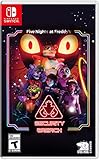
Five Nights at Freddy's: Security Breach Nintendo Switch | $32.50 | Buy on Amazon |
| 4 |

|
Minecraft - Nintendo Switch | $29.83 | Buy on Amazon |
| 5 |
|
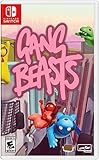
Gang Beasts - Nintendo Switch | $24.90 | Buy on Amazon |
The move to live-action also raises immediate questions about scale, tone, and restraint. Poppy Playtime’s horror thrives on implication, pacing, and the unease of being alone in a space that shouldn’t be empty, elements that are notoriously easy to dilute in a theatrical format. As studios continue mining the gaming world for the next horror breakout, Poppy Playtime stands at a crossroads between preserving its indie menace and embracing the expectations of a mainstream audience, a balancing act that will define what this adaptation ultimately becomes.
What Makes Poppy Playtime Scary — And Why That’s Hard to Translate to Film
At its core, Poppy Playtime weaponizes contrast. Bright colors, smiling mascots, and childlike environments clash violently with the knowledge that something is deeply wrong. The horror doesn’t come from gore or constant threats, but from the slow realization that innocence has rotted into something predatory.
Quick wins for a faster PC:
Scan for outdated or missing drivers - takes under a minuteDriver Scan →Repair Windows errors before they cause bigger problemsFix Now →#1 Best Overall
- Includes the 1st three chapters; Chapter 1: A Tight Squeeze, Chapter 2: Fly in a Web, & Chapter 3: Deep Sleep
- Each chapter features engaging new toy characters that can be either friend or foe
- Survive and progress by solving challenging puzzles
- Each game reveals to you a newly discovered area of the massive toy factory
- The Poppy Playtime Triple Pack includes a reversible coversheet and a Poppy Playtime sticker sheet
That approach is especially effective in an interactive medium, where fear is not just observed but experienced. Players aren’t watching someone walk down a dark hallway; they’re choosing to do it themselves, knowing full well what might be waiting at the end.
The Power of Player-Controlled Tension
One of Poppy Playtime’s most potent tools is agency. The game forces players to linger in spaces longer than they want to, solve simple puzzles under pressure, and physically move toward danger to progress. That uneasy rhythm, where curiosity battles self-preservation, creates dread that builds organically.
Film, by contrast, removes that layer of responsibility. Viewers can’t hesitate at a door or backtrack down a corridor, and that loss of control risks flattening the tension. To compensate, a live-action adaptation will need to carefully manipulate pacing, shot composition, and sound design to recreate the same sense of forced proximity to danger.
Monsters Designed to Be Seen — Eventually
Characters like Huggy Wuggy work because of restraint. In the game, the monster is introduced as a harmless statue, then glimpsed in fleeting moments before becoming a full-blown threat. That slow escalation allows fear to ferment in the player’s imagination before the creature ever gives chase.
Movies often struggle with that kind of patience, especially when marketing demands clear looks at the antagonist. Show too much too soon, and Huggy Wuggy becomes just another creature effect. The challenge will be preserving the mystique long enough for the audience to fear what they can’t fully see.
Environmental Storytelling Without Exposition
Poppy Playtime tells its story through abandoned offices, blood-stained assembly lines, and corrupted VHS tapes. The lore is fragmented, optional, and often unsettling precisely because it’s incomplete. Players piece together the factory’s downfall at their own pace, filling in the gaps with their worst assumptions.
A film adaptation will be tempted to clarify that ambiguity. Audiences expect narrative momentum, character motivations, and emotional context, but over-explaining the mythology could rob the story of its unease. The most effective version of this movie will resist the urge to answer every question, trusting atmosphere over exposition.
Where It Fits in the Current Horror Adaptation Wave
Recent video game horror films have proven that fidelity and tone matter more than scale. Poppy Playtime enters that landscape with a distinct identity rooted in analog horror, internet-age aesthetics, and minimalist storytelling. If handled carefully, it could occupy a space closer to lo-fi nightmare fuel than blockbuster spectacle.
For fans, that means managing expectations. This shouldn’t be a nonstop chase movie or a lore-heavy origin story. For newcomers, the film’s success will hinge on whether it can communicate why an empty toy factory, a smiling mascot, and a long, quiet hallway can be terrifying without ever asking the audience to pick up a controller.
Live-Action vs. Mascot Horror: Can Huggy Wuggy Work Outside the Game Engine?
Mascot horror thrives on contradiction: bright colors, friendly branding, and childlike designs repurposed as threats. In games, that tension is amplified by player control and perspective, with Huggy Wuggy looming just beyond the limits of the camera. Translating that effect into live-action raises a fundamental question of presence. Without a first-person viewpoint, the movie has to manufacture the same unease through framing, pacing, and restraint.
The Uncanny Valley Problem
Huggy Wuggy’s design lives in a delicate uncanny space, exaggerated enough to feel unreal but familiar enough to feel wrong. In animation or a game engine, that balance is easier to maintain. In live-action, hyper-detailed textures and real-world lighting can push the character from unsettling into unintentionally goofy or overdesigned.
The smartest approach may be limitation. Keeping Huggy partially obscured, emphasizing silhouette and movement over facial detail, would preserve the character’s creepiness. Horror history is full of monsters that became less frightening the clearer they were seen, and Huggy Wuggy risks the same fate if overexposed.
Do these 3 things before closing this tab:
1Repair Windows errors before they cause bigger problems2Fix the driver behind crashes, sound loss and screen glitches3Clear out junk files and repair common Windows errorsMovement as Horror Language
What makes Huggy Wuggy frightening isn’t just how he looks, but how he moves. In the game, his unnatural speed, elastic limbs, and sudden proximity to the player create panic. Live-action must find an equivalent visual grammar without relying on video game logic or physics.
Rank #2
- UK e-store account may be required for any online features
That likely means blending practical performance with restrained visual effects. A performer inside a suit, augmented rather than replaced by CGI, could give Huggy a physical weight that sells the danger. Jerky motion, long takes, and negative space can do more work than flashy visual effects ever could.
Mascot Horror Fatigue and Differentiation
Poppy Playtime arrives after years of mascot horror saturation, from Five Nights at Freddy’s to countless imitators. Audiences are now fluent in the language of evil toys and corrupted children’s entertainment. The film can’t rely on novelty alone to scare viewers who already know the trick.
Its advantage is tone. Where other mascot horrors lean into jump scares or lore dumps, Poppy Playtime’s strength lies in isolation and decay. If the movie leans into industrial emptiness and psychological dread rather than constant creature reveals, Huggy Wuggy can feel less like a mascot and more like a predator.
Free tools Windows power users keep installed
One-click scans. No signup required.
What This Means for Fans and First-Time Viewers
For longtime fans, the live-action Huggy Wuggy will inevitably feel different. The fear won’t come from controlling the chase, but from watching characters make decisions and suffer consequences. That shift may frustrate players expecting a one-to-one recreation, but it also opens the door for deeper tension and character-driven stakes.
For newcomers, Huggy Wuggy has to work instantly as a cinematic monster. The movie can’t assume familiarity with the game’s mechanics or iconography. If it succeeds, the character won’t just survive outside the game engine, it will redefine what mascot horror looks like in live-action form.
Story, Lore, and Tone: How the Movie Might Expand or Reinvent the Poppy Playtime Mythos
Adapting Poppy Playtime for live-action isn’t just about recreating scares; it’s about translating a fragmented, environmental narrative into a cohesive cinematic story. The games thrive on implication, letting players piece together the horrors of Playtime Co. through VHS tapes, abandoned offices, and half-told corporate lies. A film has to decide how much to reveal, and when ambiguity is more powerful than answers.
The opportunity lies in expansion rather than explanation. A movie can widen the lens on Playtime Co. without flattening its mystery, turning background lore into thematic weight rather than expositional clutter. If handled carefully, the film can deepen the mythos while preserving the unease that made the games compelling.
From Environmental Clues to Character-Driven Horror
In the games, the factory itself is the storyteller. Players learn by exploring, backtracking, and noticing what’s wrong with the space. Live-action removes that agency, so the story will likely shift toward characters who actively uncover, suppress, or exploit the truth.
This opens the door to perspectives the games only hint at: former employees, corporate overseers, or outsiders drawn into the factory’s orbit. Their emotional responses can replace player curiosity, grounding the horror in guilt, denial, and moral compromise. The danger is overexplaining, but the reward is giving the audience a human anchor amid the industrial nightmare.
The Experiments as Allegory, Not Just Shock
The darker corners of Poppy Playtime lore revolve around human experimentation, commodified innocence, and corporate amorality. In game form, these ideas are disturbing precisely because they’re discovered in fragments. A film adaptation has the chance to sharpen those themes into allegory rather than relying on grotesque reveals alone.
Handled with restraint, the experiments can function as commentary on exploitation and dehumanization, echoing real-world anxieties about corporations that hide violence behind cheerful branding. That thematic clarity could elevate the movie above surface-level mascot horror, positioning it closer to psychological and industrial horror traditions.
The Tool Desk
Outbyte PC Repair FREEClear out junk files and repair common Windows errorsFree Scan →Outbyte Driver Updater FREEScan for outdated or missing drivers - takes under a minuteDriver Scan →Balancing Mystery and Accessibility
One of the biggest challenges will be deciding how much lore is too much. Hardcore fans may want deeper cuts from the game’s VHS tapes and hidden files, while newcomers need a story that stands on its own. The film has to walk a narrow line between rewarding familiarity and overwhelming first-time viewers.
The smartest approach would treat the existing lore as scaffolding, not homework. Easter eggs and recognizable names can exist at the edges, while the central narrative remains emotionally legible without prior knowledge. If the movie feels like an entry point rather than a glossary, the franchise gains longevity.
Rank #3
- INCLUDED - Five Nights at Freddy’s: Security Breach will feature an exclusive sticker sheet
- THE HUNTERS AND THE HUNTED - Once nighttime protocols are initiated, the animatronics at Freddy Fazbear’s Mega Pizzaplex will relentlessly pursue all intruders
- ADAPT TO SURVIVE - Access security cameras to survey the environment and plan your route through danger; Distract enemies by knocking over paint cans and toys; Hop into hiding spots and allow danger to pass, or try to outrun your pursuers
- EXPLORE AND DISCOVER - Freddy Fazbear’s Mega Pizzaplex offers a variety of attractions for guests to enjoy - Monty Golf, Roxy Raceway, Bonnie Bowl, the sewers, and… Sewers; The Pizzaplex is vast and has no shortage of goodies to discover
Tone: Industrial Dread Over Rollercoaster Horror
Tonally, Poppy Playtime works best when it’s patient and oppressive. The factory is less a haunted house than a decaying monument to something that should never have existed. A live-action film that embraces slow-burn tension, long silences, and oppressive production design could distinguish itself from louder, jump-scare-driven video game adaptations.
This approach would also place the movie in a more serious corner of the current video game horror wave. Instead of chasing the crowd-pleasing energy of recent adaptations, Poppy Playtime could aim for something colder and more unsettling. That tonal confidence may ultimately define what the franchise becomes beyond the screen.
Recommended Free Tools
What Reinvention Means for the Franchise
If the movie succeeds, it could reposition Poppy Playtime as more than a viral horror game with a recognizable monster. A strong narrative adaptation would legitimize its world, making it fertile ground for sequels, spin-offs, or even parallel stories that explore different eras of Playtime Co.
For fans, that means seeing familiar elements reframed with new emotional context. For newcomers, it offers a self-contained descent into a world that feels disturbingly complete. Either way, the story and tone choices made here will determine whether Poppy Playtime evolves into a lasting horror franchise or remains a cult curiosity tied to its original medium.
Lessons From Five Nights at Freddy’s, The Backrooms, and Other Game-to-Film Horror Adaptations
The recent wave of horror adaptations offers a useful roadmap for what Poppy Playtime should and shouldn’t attempt. Some projects have proven that game-based horror can translate to film, while others reveal how easily atmosphere and menace can evaporate under overexplanation or fan service. For a franchise built on implication and environmental dread, those lessons matter.
Five Nights at Freddy’s and the Value of Emotional Grounding
The Five Nights at Freddy’s movie succeeded not by perfectly recreating gameplay mechanics, but by anchoring its story in a character-driven emotional arc. By giving its haunted animatronics a tragic, human backstory, the film created an entry point for viewers unfamiliar with the lore. That accessibility helped it become a mainstream hit rather than a niche curiosity.
What’s actually slowing this PC down?
Pick the symptom - the matching free tool is one click away.
For Poppy Playtime, the takeaway is clear. The horror can remain strange and unsettling, but the audience still needs a human perspective to latch onto. A protagonist navigating grief, guilt, or obsession could provide the same emotional gravity without diluting the factory’s cold, inhuman menace.
The Backrooms and the Power of Atmosphere Over Explanation
The Backrooms demonstrates the opposite lesson in the best way. Its viral success comes from refusing to explain too much, letting empty spaces and uncanny architecture do the storytelling. When adaptations lean into mood and restraint, they invite the audience to project their own fears into the void.
Poppy Playtime thrives in that same liminal space. The Playtime Co. factory is terrifying because it feels abandoned yet purposeful, like a machine still running long after its operators vanished. A live-action film that trusts silence, scale, and production design over constant exposition could tap into the same primal unease.
Balancing Fan Expectations Without Becoming a Lore Dump
Many game-to-film horror adaptations struggle under the weight of their own mythology. Deep-cut references and dense backstory can alienate newcomers, while simplified plots risk frustrating longtime fans. The most successful films treat lore as texture rather than obligation.
For Poppy Playtime, that means familiar faces like Huggy Wuggy or Mommy Long Legs should serve the story, not dominate it. Their presence should feel earned and threatening, not obligatory. If the film resists the urge to explain every VHS tape mystery on screen, it preserves intrigue while leaving room for future chapters.
Finding Its Place in the Current Horror Adaptation Boom
Video game horror films are no longer novelty projects; they’re becoming a recognizable subgenre. Poppy Playtime enters a landscape where audiences expect competence, atmosphere, and a clear creative point of view. Simply being faithful won’t be enough.
Its advantage lies in aesthetic confidence. If the movie embraces industrial decay, body-horror undertones, and a measured pace, it can stand apart from more crowd-pleasing adaptations. Done right, it wouldn’t just follow the trend, but help redefine what live-action video game horror can look and feel like.
Rank #4
- Minecraft is a game about placing blocks and going on adventures
- Explore randomly generated worlds and build amazing things from the simplest of homes to the grandest of castles
- Play in creative mode with unlimited resources or mine deep into the world in survival mode, crafting weapons and armor to fend off the dangerous mobs
- Play on the go in handheld or tabletop modes
- Includes Super Mario Mash-Up, Natural Texture Pack, Biome Settlers Skin Pack, Battle & Beasts Skin Pack, Campfire Tales Skin Pack; Compatible with Nintendo Switch only
Who Is This Movie For? Balancing Hardcore Fans, Casual Viewers, and First-Time Audiences
A live-action Poppy Playtime movie sits at an unusual crossroads. The franchise already has a passionate fanbase, but its mainstream recognition comes from imagery and atmosphere rather than narrative clarity. That gives the film an opportunity to expand its reach, but only if it understands who it’s trying to scare.
Hardcore Fans: Familiar Nightmares, Reframed
For longtime players, the appeal isn’t just seeing Huggy Wuggy rendered in photo-real detail. It’s about whether the movie captures the suffocating tension of exploration, the slow realization that something is wrong, and the feeling of being hunted in spaces built for children. Fans will be watching closely for tonal authenticity more than plot fidelity.
The smartest approach is suggestion over explanation. Easter eggs, visual callbacks, and environmental storytelling can reward dedicated viewers without halting momentum. If the film respects what players already know while refusing to spoon-feed it back to them, fans are more likely to embrace the adaptation as an extension rather than a simplification.
Casual Viewers: A Standalone Horror Experience
Not everyone walking into the theater will have played the game, or even know its lore. For this audience, Poppy Playtime needs to function first and foremost as a self-contained horror film. That means clear stakes, intuitive geography, and scares that don’t rely on prior knowledge to land.
This is where live-action can become an advantage. Performances, sound design, and physical environments can ground the story in recognizable human fear. If the movie leans into suspense and pacing instead of lore density, casual viewers can engage with it the same way they would any effective haunted-location thriller.
Free tools Windows power users keep installed
One-click scans. No signup required.
First-Time Audiences: The Gateway Into the Franchise
Perhaps the most important group is the audience encountering Poppy Playtime for the first time through the movie. For them, this film isn’t an adaptation; it’s an introduction. The challenge is to intrigue without overwhelming, hinting at a larger mythology without demanding immediate investment.
Handled carefully, the movie could become a gateway into the games rather than a replacement for them. Leaving questions unanswered, teasing a wider world, and resisting tidy explanations keeps curiosity alive. In that sense, the film’s success won’t just be measured by box office numbers, but by whether viewers leave wanting to explore the factory further on their own.
Independent reader supportYour contribution helps us test, update, and keep practical guides available for everyone.Franchise Implications: Sequels, Shared Universes, and the Future of Poppy Playtime
A successful live-action Poppy Playtime movie would not exist in a vacuum. It would immediately reshape how the franchise is perceived, expanding it from a viral indie game phenomenon into a potential cross-media horror brand. That shift brings opportunity, but also pressure, especially in an era where horror franchises are expected to think several steps ahead.
Sequels as an Extension of the Factory
The episodic structure of the Poppy Playtime games naturally lends itself to sequels rather than a one-and-done film approach. Each chapter introduces new locations, new creatures, and deeper layers of corporate rot, which could translate cleanly into a series of films that feel connected but distinct. If the first movie confines itself to a specific section of the factory, sequels could widen the scope without abandoning the claustrophobic identity that defines the brand.
What’s actually slowing this PC down?
Pick the symptom - the matching free tool is one click away.
The danger lies in escalation. Horror sequels often struggle when they trade atmosphere for spectacle, and Poppy Playtime’s fear thrives on unease rather than excess. Any follow-up would need to resist the urge to overexplain its monsters or turn them into action figures with dialogue, maintaining the sense that the factory still has corners even the audience hasn’t seen.
The Temptation and Risk of a Shared Horror Universe
With studios increasingly obsessed with interconnected worlds, the idea of a Poppy Playtime shared universe is inevitable. The game’s lore already hints at a broader corporate ecosystem, unethical experiments, and unseen decision-makers beyond the factory walls. In theory, this opens the door to spin-offs, prequels, or parallel stories set within the same moral nightmare.
However, Poppy Playtime is most effective when its world feels abandoned and unknowable. Expanding too aggressively could dilute the isolation that makes it frightening. A shared universe only works if each story preserves that sense of dread, using connection sparingly rather than turning lore into homework for the audience.
Adapting Horror Mechanics for Longevity
One of the franchise’s biggest challenges moving forward is how its signature horror translates over multiple films. The games rely on player vulnerability, slow exploration, and sudden pursuit, elements that can lose potency if repeated without variation. Live-action demands reinvention, finding new ways to make familiar spaces feel unsafe.
Recommended Free Tools
Best Value
- Gang Beasts is a silly multiplayer party game set in the mean streets of Beef City with surly gelatinous characters, brutal slapstick fight sequences, and absurd hazardous environments
- Customize your characters with hundreds of colorful costumes
- Experience hilarious and gelatinous ragdoll physics
- Play locally or online with up to 8 players
- Experience Local Wireless Multiplayer, exclusively on Nintendo Switch
Future installments would need to evolve their scares without betraying the tone. That might mean shifting perspectives, experimenting with structure, or leaning more heavily into psychological horror rather than creature reveals. If the films treat fear as a craft rather than a checklist, the franchise can avoid becoming formulaic.
Poppy Playtime’s Place in the Video Game Horror Boom
The timing of this adaptation is significant. Video game horror movies are experiencing a cautious renaissance, with recent successes proving that fidelity to tone matters more than rigid adherence to plot. Poppy Playtime sits in a different lane than action-driven adaptations, aligning more closely with slow-burn, environment-based horror.
That positioning could work in its favor. If the film embraces tension, silence, and dread, it can distinguish itself from louder, more conventional studio horror. In doing so, it could reinforce the idea that video game adaptations don’t need to chase mass appeal at the expense of identity.
Balancing Fan Expectations With Franchise Growth
For longtime fans, the future of Poppy Playtime hinges on restraint. They don’t need every mystery solved or every character explained in live-action. What they want is reassurance that the franchise understands why it resonated in the first place.
For newcomers, the films must remain accessible without flattening the experience. The most sustainable path forward is one where each movie stands on its own while quietly contributing to a larger, unsettling mosaic. If Poppy Playtime can grow without losing its sense of menace, its future may be as enduring as the factory itself.
What to Expect — and What to Fear — From Poppy Playtime’s Leap to the Big Screen
The leap from indie horror game to live-action feature is both an opportunity and a risk for Poppy Playtime. On one hand, the franchise’s eerie factory setting, distorted mascots, and unsettling lore feel tailor-made for cinematic horror. On the other, the very elements that made the game effective are deeply tied to player agency, something film can’t replicate.
What the movie chooses to preserve, reinterpret, or abandon will determine whether this adaptation feels like a natural evolution or a hollow echo.
Atmosphere Over Action Is the Key Test
If Poppy Playtime succeeds on screen, it will be because it resists the urge to overexplain or overscale its horror. The game thrives on long stretches of silence, environmental storytelling, and the anxiety of not knowing when danger will strike. Translating that into film requires confidence in restraint, allowing scenes to breathe rather than rushing from scare to scare.
Do these 3 things before closing this tab:
1Scan for outdated or missing drivers - takes under a minute2Repair Windows errors before they cause bigger problems3Fix the driver behind crashes, sound loss and screen glitchesA more subdued pace may challenge audiences conditioned to louder, faster studio horror. But it’s also where the movie can distinguish itself, leaning into dread rather than spectacle and trusting viewers to sit with discomfort.
The Monsters Are Icons, Not the Whole Story
Characters like Huggy Wuggy have become cultural touchstones, but the film can’t rely on recognition alone. In the game, these figures work because they are glimpsed, anticipated, and rarely fully understood. A live-action adaptation risks diminishing their impact if it turns them into constant on-screen attractions.
The smartest approach would treat these creatures as narrative pressure points rather than centerpieces. Suggestion, partial reveals, and off-screen presence can keep them frightening, preserving their mythic quality instead of reducing them to costumes and jump scares.
Expanding the World Without Killing the Mystery
Film offers a chance to deepen the lore of Playtime Co., exploring its corporate rot and moral failures in ways the game only hints at. That expansion could add emotional weight and thematic clarity, grounding the horror in human decisions rather than pure monstrosity. But there’s a fine line between enriching a mythos and explaining it to death.
Quick wins for a faster PC:
Scan for outdated or missing drivers - takes under a minuteDriver Scan →Repair Windows errors before they cause bigger problemsFix Now →Poppy Playtime’s strength lies in implication. The movie will need to trust ambiguity, allowing unanswered questions to linger rather than packaging every revelation neatly by the final act.
Where It Could Land in the Horror Landscape
Within the current wave of video game adaptations, Poppy Playtime has the potential to occupy a quieter, more unsettling space. It’s less about action-survival mechanics and more about oppressive environments and psychological unease. That puts it closer to atmospheric horror than blockbuster spectacle.
If handled carefully, the film could help redefine what video game horror looks like on screen, proving that faithful adaptation isn’t about replicating gameplay but about honoring emotional experience.
Ultimately, Poppy Playtime’s move to live-action will test whether the franchise understands its own power. The fear it inspires isn’t rooted in lore dumps or creature counts, but in vulnerability, isolation, and the sense that something is deeply wrong just out of sight. If the film remembers that, it won’t just adapt the game. It will expand its nightmare.
Windows Errors? Fix Them Before They Spread
Repair common Windows errors and clear accumulated junk for a smoother, more stable PC - no reinstall needed.Free scan · no reinstallOutdated Drivers Are Slowing You Down
One free scan finds every outdated or missing driver and matches the right update for your exact hardware.Free scan · exact hardware matchQuick Recap
Product prices and availability are accurate as of the date/time indicated and are subject to change. Any price and availability information displayed on Amazon at the time of purchase will apply.

