What’s actually slowing this PC down?
Pick the symptom - the matching free tool is one click away.
Before a single punch was thrown, Tyson vs. Jake Paul already felt less like a boxing match and more like a referendum on modern fame. It was legacy versus virality, a former heavyweight terror of the 1990s colliding with a YouTube-era antagonist who understands the algorithm better than the jab. Netflix didn’t just acquire a fight; it inherited decades of boxing mythology and the internet’s obsession with spectacle.
The buildup was engineered for cultural saturation. Clips of Tyson’s old knockouts circulated alongside Paul’s carefully curated bravado, while Netflix marketed the event like a prestige documentary crossed with a pay-per-view circus. For casual fans, it promised nostalgia. For younger viewers, it was meme culture going mainstream, legitimized by a global streaming platform eager to prove it could own a live moment the way it dominates scripted content.
That collision of eras is why expectations skyrocketed beyond the ring. Viewers weren’t just tuning in to see who won or lost; they were testing Netflix itself, curious whether the platform could deliver a seamless, communal experience on a night that demanded it. By the time the bell finally rang, the fight already carried the weight of a cultural experiment, one where the hype may have been the most polished part of the entire production.
The Fight Itself: What Actually Happened in the Ring and Why the Result Felt Inevitable
Once the spectacle gave way to the actual boxing, the temperature in the room dropped fast. The fight itself never quite matched the mythology surrounding it, and within minutes it became clear this was less a competitive bout than a carefully managed event. What unfolded in the ring felt restrained, predictable, and ultimately more symbolic than sporting.
The Tool Desk
Outbyte PC Repair FREERepair Windows errors before they cause bigger problemsFix Now →Outbyte Driver Updater FREEScan for outdated or missing drivers - takes under a minuteDriver Scan →#1 Best Overall

- HD streaming made simple: With America’s number 1 TV streaming platform,* exploring popular apps—plus tons of free movies, shows, and live TV—is as easy as it is fun. *Based on hours streamed—Hypothesis Group
- Compact without compromises: The sleek design of Roku Streaming Stick won’t block neighboring HDMI ports, and it even powers from your TV alone, plugging into the back and staying out of sight. No wall outlet, no extra cords, no clutter.
- No more juggling remotes: Power up your TV, adjust the volume, and control your Roku device with one remote. Use your voice to quickly search, play entertainment, and more.
- Shows on the go: Take your TV to-go when traveling—without needing to log into someone else’s device.
- TV, simplified: With setup that only takes minutes, a simple-to-navigate Home Screen, and an uncluttered remote control that does all you need—Roku makes it easier to watch the TV you love.
Tyson’s Presence Was Real, His Prime Was Not
Mike Tyson still looked like Mike Tyson in flashes. The posture, the head movement, the muscle memory that once terrified heavyweight divisions were unmistakably there in the opening moments. But what wasn’t there was the sustained explosiveness or stamina needed to pressure a younger opponent over multiple rounds.
At 58, Tyson’s effectiveness came in short bursts. He could threaten, but not dominate. Each exchange reminded viewers that boxing timing doesn’t age as gracefully as legend does, and once the early adrenaline faded, his limitations became impossible to ignore.
Jake Paul Fought the Smartest Fight Possible
Jake Paul didn’t need to be spectacular; he just needed to be patient. He circled, kept distance, leaned on a predictable jab, and avoided prolonged exchanges that could invite chaos. It wasn’t thrilling, but it was calculated, and more importantly, it worked.
Paul understood the assignment. He wasn’t trying to knock out a myth so much as survive it and outlast it. Against an aging icon, discipline was enough, and the longer the fight went, the clearer the outcome became.
Free tools Windows power users keep installed
One-click scans. No signup required.
A Result That Felt Scripted by Biology, Not Drama
By the midpoint, the fight had settled into a rhythm that drained suspense. Tyson pressed forward in moments, Paul backed away and scored clean points, and the crowd waited for something dramatic that never quite arrived. The decision felt inevitable long before the final bell.
This wasn’t controversy; it was reality. Age, conditioning, and modern training did exactly what they always do in boxing, regardless of the names on the marquee. The upset wasn’t that Tyson lost. The upset was that anyone expected the laws of the sport to bend for nostalgia.
When the Fight Slowed, the Viewing Experience Collapsed
As the action flattened, Netflix’s technical cracks became impossible to ignore. Buffering issues, lag, and inconsistent stream quality pulled viewers out of what little tension remained. For a fight already struggling to hold momentum, those interruptions were devastating.
Live boxing depends on rhythm and immediacy. When the punches don’t land cleanly on screen, neither does the drama. Instead of focusing on strategy or scoring rounds, social media filled with complaints about frozen frames and delayed audio, turning the event into a troubleshooting exercise rather than a communal moment.
Do these 3 things before closing this tab:
1Fix the driver behind crashes, sound loss and screen glitches2Repair Windows errors before they cause bigger problems3Scan for outdated or missing drivers - takes under a minuteThe Inevitable Outcome Wasn’t Just the Decision
By the time Paul’s hand was raised, the sense of inevitability extended beyond the scorecards. The fight had gone exactly as logic suggested, and the broadcast had confirmed fears many subscribers already had about Netflix’s live-event growing pains.
What was supposed to be a defining sports moment for the platform ended up exposing how thin the margin for error is when spectacle replaces competition. In the ring, the younger fighter won. On the couch, viewers were left wondering why such a straightforward result came packaged with so much frustration.
The Netflix Viewing Experience: Buffering, Lag, and the Night the Stream Buckled
What should have been Netflix’s victory lap into live combat sports instead felt like a stress test the platform wasn’t ready to pass. As the rounds ticked by, the most consistent opponent wasn’t Jake Paul or time—it was the spinning loading icon. For many viewers, the fight unfolded in fragments, delayed reactions, and blurry resolutions that undercut any remaining sense of occasion.
Live sports demand trust. Once that trust breaks, no amount of star power can glue the experience back together.
When “Live” Became a Suggestion
The most common complaint wasn’t just buffering, but desynchronization. Audio slipped ahead of video, punches landed before they appeared on screen, and commentary spoiled moments seconds early. In a sport built on timing and anticipation, that delay robbed exchanges of impact.
Some viewers reported being a full round behind social media reactions, turning X and group chats into accidental spoilers. The communal thrill of watching together evaporated when no one was actually seeing the same thing at the same time.
Rank #2

- Ultra-speedy streaming: Roku Ultra is 30% faster than any other Roku player, delivering a lightning-fast interface and apps that launch in a snap.
- Cinematic streaming: This TV streaming device brings the movie theater to your living room with spectacular 4K, HDR10+, and Dolby Vision picture alongside immersive Dolby Atmos audio.
- The ultimate Roku remote: The rechargeable Roku Voice Remote Pro offers backlit buttons, hands-free voice controls, and a lost remote finder.
- No more fumbling in the dark: See what you’re pressing with backlit buttons.
- Say goodbye to batteries: Keep your remote powered for months on a single charge.
Device Roulette and Bitrate Whiplash
Experiences varied wildly depending on how people tuned in. Smart TVs struggled while phones fared better, consoles lagged while tablets smoothed out, and 4K promises dissolved into muddy compression. The inconsistency made the event feel less like a premium live broadcast and more like a beta test pushed into prime time.
Netflix excels at controlled, on-demand environments. Live boxing, with millions jumping in simultaneously, exposed how fragile that ecosystem becomes under sudden, sustained pressure.
Quick wins for a faster PC:
Scan for outdated or missing drivers - takes under a minuteDriver Scan →Repair Windows errors before they cause bigger problemsFix Now →Fix the driver behind crashes, sound loss and screen glitchesFind Drivers →Social Media Became the Real Second Screen
As the fight slowed, complaints accelerated. Clips of frozen frames, error messages, and endlessly buffering screens flooded timelines faster than highlights from the ring. Instead of debating scorecards or strategy, viewers compared outages and troubleshooting tips.
That shift mattered. When the conversation around a marquee event centers on technical failure, the spectacle collapses inward, overshadowing the athletes and the promotion alike.
A Warning Shot for Netflix’s Live Ambitions
This wasn’t just a rough night—it was a referendum on readiness. Live sports leave no margin for error, no rewind safety net, and no patience for instability. The Tyson–Paul bout exposed how thin the line is between innovation and embarrassment when a platform built for binge-watching tries to command the immediacy of live competition.
Netflix didn’t just stream a fight that felt inevitable. It revealed that, at this scale, the real battle isn’t licensing stars—it’s delivering the moment without losing it to the buffer wheel.
When Live Sports Go Wrong: How Technical Failures Undercut the Spectacle
Live sports succeed on one fragile promise: everyone is there at the same time. When that illusion breaks, so does the event’s power. Tyson vs. Paul didn’t just suffer from buffering or lag—it suffered from a breakdown of shared experience, the one thing live boxing still does better than any algorithm-driven binge.
Instead of tension building round by round, momentum was constantly reset by technical friction. Viewers weren’t leaning forward in anticipation; they were refreshing apps, restarting devices, and wondering if the punch they just saw actually landed in real time.
The Death of Timing in a Timing-Based Sport
Boxing is about rhythm—setups, counters, split-second reactions. When streams drift even a few seconds out of sync, that rhythm collapses. Knockdowns felt anticlimactic, crowd noise arrived late, and commentators often reacted to moments viewers hadn’t seen yet.
That disconnect quietly sabotaged the drama. Even a predictable outcome can feel electric if the delivery is sharp. Here, the technical delay dulled whatever urgency the fight managed to generate.
Recommended Free Tools
Production Value Can’t Outrun Infrastructure
Netflix’s presentation aimed for spectacle: cinematic lighting, big-fight framing, celebrity cutaways, and polished graphics. On paper, it looked like a premium pay-per-view alternative. In practice, those flourishes only amplified frustration when the stream faltered beneath them.
High production raises expectations. When the visuals promise an event and the stream delivers instability, the contrast becomes impossible to ignore. Viewers don’t blame their Wi-Fi; they blame the platform that sold them the moment.
Live Means No Second Chances
Unlike scripted content, live sports don’t allow for quiet fixes after the fact. There’s no re-upload, no smoothing out issues overnight, no chance to correct first impressions. Every glitch happens in public, and every failure becomes part of the event’s legacy.
For many subscribers, Tyson vs. Paul wasn’t just their first Netflix boxing match—it was their first test of Netflix as a live sports broadcaster. That test came with zero grace period and maximum visibility.
Rank #3

- 4K streaming made simple:With America’s number 1 TV streaming platform,* exploring popular apps—plus tons of free movies, shows, and live TV—is as easy as it is fun. *Based on hours streamed—Hypothesis Group
- 4K picture quality: With Roku Streaming Stick Plus, watch your favorites with brilliant 4K picture and vivid HDR color.
- Compact without compromises: Our sleek design won’t block neighboring HDMI ports, and it even powers from your TV alone, plugging into the back and staying out of sight. No wall outlet, no extra cords, no clutter.
- No more juggling remotes: Power up your TV, adjust the volume, and control your Roku device with one remote. Use your voice to quickly search, play entertainment, and more.
- Shows on the go: Take your TV to-go when traveling—without needing to log into someone else’s device.
Why the Platform Became the Story
The most telling sign of failure wasn’t anger; it was distraction. Viewers stopped analyzing the fight and started analyzing Netflix’s readiness. The discourse shifted from jabs and footwork to servers, bitrates, and whether the app should ever attempt this again.
When a platform overtakes the performers as the main talking point, the spectacle has already been compromised. On a night meant to sell the future of live events on Netflix, the technology didn’t just wobble—it stole the spotlight.
From Binge King to Live Sports Rookie: What This Event Revealed About Netflix’s Readiness
Netflix has spent a decade perfecting on-demand dominance. Autoplay, global launches, and frictionless bingeing are its superpowers. But live sports operate on a different physics, and Tyson vs. Paul exposed just how steep that learning curve remains.
What works for a midnight series drop doesn’t translate to a synchronized, high-stakes broadcast watched by millions at the same second. This wasn’t a content problem. It was a systems problem.
Scale Is Netflix’s Strength—Until Timing Matters
Netflix knows how to handle massive traffic, but live sports aren’t just about volume. They’re about simultaneity. Everyone needs to see the same punch at the same moment, or the communal experience fractures.
The delays, buffering, and out-of-sync audio revealed a platform optimized for asynchronous viewing. When milliseconds matter, Netflix felt like it was still thinking in episodes, not rounds.
Experience Isn’t Transferable by Branding Alone
By presentation, Netflix looked ready. The broadcast borrowed heavily from premium boxing aesthetics, signaling confidence and credibility. But confidence isn’t competence, and polish can’t compensate for latency.
Legacy sports broadcasters have decades of muscle memory in handling chaos. Netflix is still learning how to walk onto that stage without tripping over its own tech stack.
Crashes, No Sound, or Screen Glitches?
Random freezes, missing sound and display glitches usually trace back to one bad driver. Find and replace yours safely.Free scan · under a minuteWindows Errors? Fix Them Before They Spread
Repair common Windows errors and clear accumulated junk for a smoother, more stable PC - no reinstall needed.Free scan · no reinstallLive Sports Demand Redundancy, Not Just Reach
The biggest red flag wasn’t any single glitch; it was the absence of resilience. When things went wrong, there was no invisible safety net catching the broadcast. Viewers felt every stumble in real time.
Live sports require layered backups, regional failovers, and battle-tested workflows. Tyson vs. Paul suggested Netflix is still assembling that toolkit rather than deploying it.
The Warning Shot Before Bigger Bets
This fight wasn’t just an experiment; it was a preview. Netflix has NFL games on the horizon and deeper sports ambitions looming. Those events will bring far less patience and far higher expectations.
Tyson vs. Paul should be viewed as a stress test Netflix didn’t quite pass. The takeaway isn’t that Netflix can’t do live sports, but that it’s not ready to do them at scale without the platform becoming the headline again.
Social Media Backlash and Memes: How Frustrated Viewers Became the Loudest Story
Almost immediately, the fight lost control of its own narrative. While Jake Paul’s win over Mike Tyson should have dominated timelines, social media turned the event into a referendum on Netflix’s live-streaming readiness. The loudest reactions weren’t about punches thrown but about frozen screens, spinning buffers, and spoilers arriving before the action did.
For a generation trained to live-tweet every moment, the platform’s delays weren’t minor inconveniences. They broke the unspoken contract of live entertainment: that everyone is watching the same thing at the same time.
Rank #4
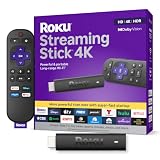
- Stunning 4K and Dolby Vision streaming made simple: With America’s number 1 TV streaming platform,* exploring popular apps—plus tons of free movies, shows, and live TV—is as easy as it is fun. *Based on hours streamed—Hypothesis Group
- Breathtaking picture quality: Stunningly sharp 4K picture brings out rich detail in your entertainment with four times the resolution of HD. Watch as colors pop off your screen and enjoy lifelike clarity with Dolby Vision and HDR10+.
- Seamless streaming for any room: With Roku Streaming Stick 4K, watch your favorite entertainment on any TV in the house, even in rooms farther from your router thanks to the long-range Wi-Fi receiver.
- Shows on the go: Take your TV to-go when traveling—without needing to log into someone else’s device.
- Compact without compromises: Our sleek design won’t block neighboring HDMI ports, so you can switch from streaming to gaming with ease. Plus, it’s designed to stay hidden behind your TV, keeping wires neatly out of sight
When X and TikTok Became the Real-Time Broadcast
As Netflix struggled to keep feeds aligned, X effectively replaced the broadcast truck. Users reported round results before others even saw the opening bell, turning social media into an accidental spoiler machine. The irony was brutal: the most reliable way to follow the fight was not watching it.
TikTok and Instagram Reels amplified the chaos. Clips of reactions landed online minutes ahead of live streams, making Netflix feel permanently behind its own event. For many viewers, muting social apps became a survival tactic rather than a choice.
Do these 3 things before closing this tab:
1Fix the driver behind crashes, sound loss and screen glitches2Clear out junk files and repair common Windows errors3Scan for outdated or missing drivers - takes under a minuteMemes Filled the Gaps the Stream Couldn’t
Where clarity failed, comedy rushed in. Buffering wheels were compared to defensive boxing strategies, while jokes framed Netflix as landing fewer hits than Tyson himself. Screenshots of error messages became punchlines, spreading faster than official highlights.
The memes weren’t just jokes; they were collective frustration turned into content. Every frozen frame reinforced the same idea: the platform had become the spectacle.
From Frustration to Distrust in Real Time
What made the backlash sting wasn’t cruelty, but disbelief. Many subscribers assumed Netflix, of all companies, would have live streaming figured out by now. The technical breakdown felt less like a hiccup and more like a broken promise.
Once that sentiment took hold, it fed on itself. Each glitch validated the complaints already circulating, and the narrative hardened before Netflix could course-correct.
Quick wins for a faster PC:
Fix the driver behind crashes, sound loss and screen glitchesFind Drivers →Repair Windows errors before they cause bigger problemsFix Now →Scan for outdated or missing drivers - takes under a minuteDriver Scan →The Algorithm Doesn’t Care About Context
Social platforms don’t distinguish between a fight outcome and a platform failure. Trending topics flattened everything into a single conversation, and Netflix’s name stayed attached to frustration long after the final bell.
In the attention economy, perception is reality. By the end of the night, Tyson losing barely mattered. Netflix losing control of the moment mattered a lot more.
Independent reader supportYour contribution helps us test, update, and keep practical guides available for everyone.Comparisons to Other Streaming Sports Failures—and Why This One Hurt More
Live sports streaming disasters aren’t new. Fans have watched platforms stumble through buffering UFC cards, pixelated NFL games, and boxing pay-per-views that collapsed under peak traffic. The difference here is that Netflix wasn’t testing the waters—it dove in with the confidence of a company that believes it already owns the future.
We’ve Seen This Movie Before
DAZN’s early boxing broadcasts were notorious for mid-round crashes. ESPN+ has endured high-profile UFC nights where the app simply refused to load. Even Amazon’s early NFL experiments came with audio desyncs and dropped feeds that sparked immediate backlash.
Those failures, however, came with caveats. New platforms, new formats, growing pains. Viewers complained, but the expectations were tempered by the understanding that these services were still learning how to handle live sports at scale.
Netflix Didn’t Get the Rookie Treatment
Netflix doesn’t get that grace period. This is a platform that has spent years signaling its readiness for live events, from global comedy specials to massive reality finales engineered for simultaneous viewing. The Tyson–Jake Paul fight wasn’t framed as an experiment—it was marketed as a milestone.
That framing matters. When Netflix stumbled, it didn’t feel like a startup tripping over infrastructure. It felt like an industry leader misreading its own capabilities in front of the largest possible audience.
The Stakes Were Cultural, Not Just Technical
Other streaming failures tend to frustrate niche audiences. A glitched UFC card angers fight fans; a broken regional NFL stream annoys local markets. Tyson versus Jake Paul was something else entirely—a crossover spectacle pulling in casual viewers, nostalgia-driven fans, and people who rarely watch boxing at all.
Best Value

- The Google TV Streamer (4K) delivers your favorite entertainment quickly, easily, and personalized to you[1,2]
- HDMI 2.1 cable required (sold separately)
- See movies and TV shows from all your services right from your home screen[2]; and find new things to watch with tailored recommendations for everyone in your home based on their interests and viewing habits
- Watch live TV and access over 800 free channels from Pluto TV, Tubi, and more[3]; if you find an interesting show or movie on your TV, mobile app, or Google search, you can easily add it to your watchlist, so it’s ready when you are[2]
- Up to 4K HDR with Dolby Vision delivers captivating, true-to-life detail[4]; and you can connect speakers that support Dolby Atmos for more immersive 3D sound
For many of them, this was their first time tuning into a live Netflix event. The platform wasn’t just delivering a fight; it was auditioning for its place in sports-adjacent pop culture. That audition went sideways in real time.
When Scale Becomes the Enemy
Ironically, the very reach that made the event appealing is what exposed Netflix’s weaknesses. Unlike pay-per-view models that naturally gate audiences, this fight invited tens of millions to hit play at once. The infrastructure strain was predictable—and, arguably, avoidable.
Other platforms have failed under pressure, but rarely with this level of simultaneous demand and brand confidence colliding. Netflix didn’t just underestimate traffic; it underestimated how unforgiving live sports audiences can be when the illusion of control shatters.
Why the Memory Will Linger Longer
Streaming failures usually fade once the next event arrives. This one sticks because it wasn’t just about missed punches or delayed rounds. It challenged the assumption that Netflix is already prepared to be a serious live sports player.
When Tyson lost to Jake Paul, the result was debatable, meme-worthy, and ultimately forgettable. Netflix’s performance was not. In a landscape crowded with streaming options, trust is harder to earn than subscriptions—and far easier to lose in a single, highly visible night.
The Bigger Picture: What Tyson vs. Jake Paul Means for Netflix’s Future in Live Entertainment
If Tyson vs. Jake Paul proved anything, it’s that live events are not just another content vertical. They are a different beast entirely, one that exposes weaknesses faster and more publicly than any scripted series ever could. Netflix didn’t just host a fight; it stress-tested its identity as an entertainment platform built for on-demand comfort, not real-time chaos.
The disappointment lingered because viewers weren’t just reacting to a flawed bout or a polarizing outcome. They were reacting to the sense that Netflix wasn’t fully ready for the moment it created. In chasing cultural dominance, the platform stepped into a space where margins for error are brutally thin.
Live Sports Demand More Than Brand Power
Netflix has spent years training its audience to expect control: pause, rewind, restart, watch later. Live sports strip all of that away and replace it with urgency and trust. When streams falter, buffers spin, or commentary feels disconnected, viewers don’t shrug—they feel betrayed.
Windows Errors? Fix Them Before They Spread
Repair common Windows errors and clear accumulated junk for a smoother, more stable PC - no reinstall needed.Free scan · no reinstallOutdated Drivers Are Slowing You Down
One free scan finds every outdated or missing driver and matches the right update for your exact hardware.Free scan · exact hardware matchThat’s the core issue. Live entertainment isn’t forgiving, and it doesn’t reward ambition without execution. Netflix learned, in front of millions, that cultural relevance alone doesn’t substitute for broadcast-grade reliability.
The Risk of Treating Events Like Content Drops
Part of the frustration stemmed from how the fight was positioned internally and externally. It felt marketed like a major content release rather than a live broadcast that required airtight precision. That mindset may work for bingeable series, but it falters when timing is everything and the audience arrives all at once.
Jake Paul winning over Mike Tyson was always going to divide viewers. But technical hiccups, uneven pacing, and a lack of polish turned what should have been a conversation into a complaint thread. The spectacle collapsed under its own expectations.
Where Netflix Goes From Here
This doesn’t mean Netflix should abandon live events. If anything, it means the company must decide how seriously it wants to pursue them. Live sports and event programming demand investments in infrastructure, production expertise, and contingency planning that go far beyond content acquisition.
The Tool Desk
Outbyte PC Repair FREEClear out junk files and repair common Windows errorsFree Scan →Outbyte Driver Updater FREEScan for outdated or missing drivers - takes under a minuteDriver Scan →The Tyson-Paul fight will be remembered less as a boxing result and more as a warning shot. Netflix can absolutely compete in live entertainment, but only if it respects the medium’s demands. Until then, the biggest losses won’t be on the scorecards—they’ll be felt by viewers who expected a seamless night and got a reminder that not all streams are created equal.
Quick Recap
Product prices and availability are accurate as of the date/time indicated and are subject to change. Any price and availability information displayed on Amazon at the time of purchase will apply.