For many viewers, the choice between The Lord of the Rings theatrical cuts and the Extended Editions feels deceptively simple: shorter versus longer. In reality, these versions represent two distinct editorial philosophies shaped by studio demands, theatrical pacing, and Peter Jackson’s long-term vision for Middle-earth. Understanding what each cut actually is, and why it exists, is essential before deciding which journey to take.
Theatrical audiences between 2001 and 2003 experienced a version of Tolkien’s epic carefully calibrated for mainstream cinema. The Extended Editions, released later on home video, weren’t mere bonus-laden curiosities but alternative cuts that restored material removed for time, tone, and momentum. The differences aren’t cosmetic; they fundamentally alter how the story breathes, lingers, and connects.


![The Lord of the Rings: The Motion Picture Trilogy (Extended Edition) [Blu-ray] [2001]](https://m.media-amazon.com/images/I/51udcEwJJ1L._SL160_.jpg)
![Lord of the Rings: Fellowship of the Ring (Extended Edition) [Blu-ray]](https://m.media-amazon.com/images/I/61jpyc-4g9L._SL160_.jpg)
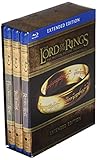
The Theatrical Cuts: Precision, Momentum, and Accessibility
The theatrical editions of The Fellowship of the Ring, The Two Towers, and The Return of the King were designed to work within the practical limits of cinema exhibition. Clocking in at roughly three hours each, these cuts prioritize narrative propulsion and emotional clarity, often trimming quieter character moments in favor of forward momentum. The result is a tightly constructed fantasy trilogy that plays remarkably well for first-time viewers.
Jackson and his editors made these versions with a broad audience in mind, including viewers unfamiliar with Tolkien’s world. Scenes that slowed pacing, deepened lore, or complicated character arcs were often removed to maintain focus and urgency. What remains is a streamlined epic that balances scale with approachability, which is why these cuts became such enduring theatrical successes.
The Extended Editions: Restoration, Expansion, and Immersion
The Extended Editions add roughly 30 to 50 minutes per film, restoring scenes that expand character relationships, cultural texture, and thematic depth. These additions range from extended dialogue sequences and world-building moments to darker tonal beats that more closely reflect Tolkien’s mythic melancholy. While not all of the material is essential to plot mechanics, much of it enriches motivation and emotional context.
Crucially, these editions were assembled specifically for home viewing, where pacing can be more meditative and indulgent. Jackson has often described them as the closest approximation of his ideal cuts, unconstrained by theatrical runtime pressures. For viewers invested in Middle-earth as a living, breathing world, the Extended Editions offer a denser, more immersive experience, though one that asks more patience in return.
Two Valid Experiences, Not a Simple Upgrade
It’s important to note that the Extended Editions do not replace the theatrical versions so much as coexist with them. They are not director’s cuts in the traditional sense, but curated expansions that assume a viewer already wants more Middle-earth. Whether the additional material feels rewarding or excessive depends largely on how much time and narrative texture a viewer is willing to embrace.
How Much Longer Are the Extended Editions — and Where That Time Goes
On paper, the Extended Editions add a substantial amount of footage, but the increase isn’t evenly distributed across the trilogy. Each film expands in a way that reflects its narrative priorities, with later entries growing more indulgent as the story darkens and sprawls. In total, the trilogy gains just over two extra hours, effectively turning an already epic marathon into a full-day immersion in Middle-earth.
Crashes, No Sound, or Screen Glitches?
Random freezes, missing sound and display glitches usually trace back to one bad driver. Find and replace yours safely.Free scan · under a minuteWindows Errors? Fix Them Before They Spread
Repair common Windows errors and clear accumulated junk for a smoother, more stable PC - no reinstall needed.Free scan · no reinstallThe Fellowship of the Ring: An Extra 30 Minutes of Texture
The theatrical cut of The Fellowship of the Ring runs 178 minutes, while the Extended Edition stretches to 208. Most of that added time is devoted to world-building and character grounding rather than plot escalation. The Shire lingers longer, Rivendell feels more culturally defined, and relationships, particularly Boromir’s bond with the hobbits, gain added warmth and tragedy.
These scenes don’t radically alter the story’s trajectory, but they deepen emotional stakes. Fellowship benefits the most from this approach, as its episodic structure naturally accommodates digressions without stalling momentum.
The Two Towers: 44 Minutes of Lore and Moral Weight
The Two Towers sees a more dramatic expansion, growing from 179 minutes to 223. Here, the added footage leans heavily into Middle-earth’s history and moral ambiguity, with extended Ent deliberations, more time in Rohan, and darker material involving Faramir and Boromir’s legacy. The tone becomes heavier, more reflective, and less concerned with maintaining constant forward motion.
This is also where pacing becomes more subjective. For some viewers, the additional scenes enhance thematic resonance and clarify character motivation. For others, the already fragmented narrative can feel slower and more diffuse.
Free tools Windows power users keep installed
One-click scans. No signup required.
The Return of the King: Nearly 50 More Minutes of Closure
The largest expansion comes with The Return of the King, which grows from 201 minutes to a formidable 251. Much of this added material is about aftermath and resolution rather than spectacle, including extended goodbyes, restored character payoffs, and additional time in Gondor and the Shire’s emotional orbit. The Extended Edition leans fully into Tolkien’s sense of historical weight, where endings unfold gradually rather than decisively.
While some additions heighten tragedy and thematic closure, they also amplify the film’s reputation for prolonged farewells. This version assumes the viewer wants to sit with the consequences of the journey, not simply witness its climax.
What the Added Time Is Really Doing
Across all three films, the extra footage rarely exists to explain plot mechanics. Instead, it enriches tone, clarifies motivation, and allows Middle-earth to feel older, sadder, and more lived-in. Songs are longer, councils more deliberative, and characters are afforded moments of vulnerability that theatrical pacing couldn’t accommodate.
The question, then, isn’t just whether the Extended Editions are longer, but whether that time aligns with a viewer’s priorities. They trade momentum for depth, urgency for immersion, and narrative efficiency for emotional and cultural resonance.
Character Depth & World-Building: What the Extended Scenes Add (and Who Benefits Most)
What the Extended Editions do best is slow the story down enough to let Middle-earth breathe. These added scenes aren’t about clarifying plot so much as deepening perspective, reinforcing cultural texture, and allowing character decisions to feel earned rather than functional. For viewers invested in Tolkien’s sense of history and consequence, this material often feels less like bonus content and more like missing connective tissue.
Aragorn, Faramir, and the Burden of Leadership
Few characters benefit more consistently from the Extended Editions than Aragorn. Additional scenes emphasize his self-doubt, his awareness of Númenor’s decline, and the weight of choosing kingship rather than inheriting it by destiny alone. These moments soften the heroic inevitability of his arc and make his eventual coronation feel like a moral decision, not just a narrative endpoint.
Faramir, in particular, is significantly reshaped. The Extended Editions restore material that contextualizes his restraint, his complicated relationship with Boromir, and his internal conflict over power and legacy. In the theatrical cut, he can feel like an obstacle; in the Extended Editions, he becomes one of the trilogy’s most quietly principled figures.
Middle-earth as a Lived-In World, Not a Backdrop
World-building flourishes throughout the Extended Editions in ways that are subtle but cumulative. Longer council scenes, added cultural rituals, and expanded dialogue about lineage and geography reinforce that Middle-earth operates on history, not convenience. Even brief additions, like funeral rites or offhand references to ancient conflicts, help ground the story in a world that existed long before the camera arrived.
The Tool Desk
Outbyte Driver Updater FREEFix the driver behind crashes, sound loss and screen glitchesFind Drivers →Outbyte PC Repair FREEClear out junk files and repair common Windows errorsFree Scan →These scenes rarely advance the central quest, but they enrich the sense that every decision echoes through time. For viewers who value atmosphere and internal logic over narrative speed, this added texture is often the most persuasive argument for the longer cuts.
The Hobbits: Vulnerability Over Momentum
The Extended Editions give the hobbits more space to reflect, falter, and emotionally process the cost of their journey. Frodo’s isolation feels heavier, Sam’s loyalty more strained, and Merry and Pippin’s growth more gradual and believable. The films allow moments of fear and weariness that the theatrical cuts often glide past in the interest of momentum.
This added vulnerability strengthens the trilogy’s emotional core, but it also slows the rhythm. Viewers primarily interested in adventure and spectacle may find these quieter beats indulgent, while those drawn to character-driven storytelling will likely see them as essential.
Who the Extended Editions Serve Best
The Extended Editions are most rewarding for viewers who approach The Lord of the Rings as a world to inhabit rather than a story to consume efficiently. Tolkien readers, repeat viewers, and fans who enjoy thematic layering will find that the added scenes deepen emotional investment and clarify moral stakes. They feel designed for audiences who want to linger, reflect, and absorb rather than rush toward resolution.
What’s actually slowing this PC down?
Pick the symptom - the matching free tool is one click away.
For first-time viewers or those sensitive to pacing, the theatrical cuts remain leaner and more propulsive introductions. The Extended Editions don’t replace them so much as offer an alternate experience, one that prioritizes depth, history, and character over narrative economy.
Story, Pacing, and Tone: Do the Extended Editions Improve or Disrupt the Narrative?
The most immediate difference between the theatrical and extended cuts is not plot, but rhythm. Peter Jackson’s theatrical editions are engineered for momentum, with scenes shaped to keep the quest moving and emotional beats arriving on a clean, deliberate cadence. The Extended Editions, by contrast, allow the story to breathe, sometimes luxuriantly so, reshaping how Middle-earth feels as a lived-in place rather than a destination-based narrative.
Whether that shift enhances or disrupts the experience depends largely on what a viewer wants from the trilogy. The added material rarely changes outcomes, but it often changes emphasis, redistributing weight from spectacle to context, and from urgency to reflection.
Narrative Clarity vs. Narrative Flow
One of the Extended Editions’ strongest arguments is clarity. Political motivations, character relationships, and cultural tensions are more explicitly defined, particularly in The Two Towers and The Return of the King. Scenes involving Gondor’s leadership, Rohan’s internal doubts, and Saruman’s downfall all gain narrative logic that some viewers felt was rushed or underexplained in the theatrical versions.
Do these 3 things before closing this tab:
1Clear out junk files and repair common Windows errors2Scan for outdated or missing drivers - takes under a minute3Repair Windows errors before they cause bigger problemsHowever, clarity comes at the expense of propulsion. Transitions that felt swift and purposeful in theaters now pause for explanation or atmosphere. For viewers attuned to classical epic pacing, this feels appropriate, even novelistic, but for those accustomed to modern blockbuster efficiency, the story can feel momentarily stalled.
Tonal Shifts: From Mythic Urgency to Historical Weight
The theatrical cuts maintain a consistent sense of forward motion, reinforcing the idea that time is always running out. The Extended Editions soften that pressure by allowing detours into memory, grief, and tradition. Songs, rituals, and extended conversations introduce a quieter, more elegiac tone that emphasizes loss as much as heroism.
This tonal shift aligns more closely with Tolkien’s sensibilities, where history and melancholy coexist with adventure. At the same time, it can dilute the immediacy of the threat, particularly for viewers expecting sustained tension. The films feel less like a race against doom and more like a chronicle unfolding.
Character Arcs: Enrichment or Redundancy?
Character development is where the Extended Editions most clearly justify their length. Boromir’s legacy, Faramir’s internal conflict, and Aragorn’s reluctance are all given greater dimensionality. Even antagonists benefit, with Saruman and the forces of Mordor feeling less abstract and more strategically present.
That said, some character beats repeat emotional information already conveyed visually or through performance. These moments deepen understanding but can feel redundant on repeat viewing, especially for audiences already familiar with the story. The result is a richer psychological portrait, but one that occasionally overexplains what the actors have already communicated.
The Question of Immersion vs. Discipline
Ultimately, the Extended Editions trade editorial discipline for immersion. They prioritize the sensation of existing inside Middle-earth over maintaining a tight narrative spine. For viewers who enjoy settling into a world, absorbing its customs, and tracking its internal logic, this is a meaningful upgrade.
For others, the theatrical cuts remain the more elegant cinematic construction, balancing scope and speed with remarkable precision. The Extended Editions do not so much disrupt the narrative as reframe it, shifting the trilogy from a masterfully paced epic into something closer to a filmed legendarium, expansive, contemplative, and unapologetically indulgent.
Iconic Added Scenes Fans Love — and the Ones That Divide Opinion
For many fans, the appeal of the Extended Editions crystallizes around specific scenes that feel less like bonus material and more like missing chapters restored. These additions often deepen relationships, clarify motivations, or pay off thematic threads that were only lightly sketched in the theatrical cuts. At the same time, a handful of scenes have remained contentious for years, praised by some for lore fidelity and criticized by others for tonal or pacing disruptions.
Recommended Free Tools
Moments That Feel Essential in Retrospect
Perhaps the most universally beloved additions come from The Two Towers, particularly the extended flashback of Boromir, Faramir, and Denethor in Osgiliath. This scene reframes Faramir’s later choices, grounding his resistance to the Ring in personal grief rather than abstract nobility. It also casts Denethor’s favoritism in a harsher, more tragic light, enriching his arc before it fully unfolds in The Return of the King.
The Extended Edition of The Fellowship of the Ring benefits from quieter, character-focused expansions. Bilbo’s longer stay in Rivendell, the gift-giving in Lothlórien, and extended council dialogue give emotional context to objects and decisions that become crucial later. These scenes slow the pace, but they also strengthen the sense of fellowship as something earned rather than assumed.
In The Return of the King, Saruman’s fate stands out as a major restoration. Removing it from the theatrical cut left a narrative loose end that always felt conspicuous, especially given the character’s prominence in the first two films. Its inclusion in the Extended Edition provides closure and reinforces the trilogy’s recurring theme of power curdling into irrelevance.
Scenes That Deepen the World, If Not the Momentum
Several additions are cherished less for plot necessity than for world-building texture. The Ent-draught sequence, which shows Merry and Pippin physically changing under Fangorn’s influence, is a fan favorite for its gentle humor and mythic logic. It reinforces Tolkien’s idea that Middle-earth actively shapes those who live within it.
Similarly, extended moments in Rohan and Gondor linger on customs, songs, and interpersonal dynamics. Aragorn’s interactions with Éowyn, including the infamous stew scene, humanize both characters in ways that some viewers find charming and others find indulgent. These scenes rarely advance the plot, but they do reinforce the trilogy’s emphasis on culture as a form of identity.
The Additions That Split the Fandom
Not all extended material has aged into consensus approval. Aragorn’s warg battle in The Two Towers is often cited as a misstep, injecting a near-death fake-out that feels more like blockbuster escalation than organic storytelling. While visually striking, it momentarily shifts the film into a different genre register, one closer to action spectacle than mythic endurance.
The Return of the King contains the most debated additions, particularly the confrontation with the Mouth of Sauron. Some appreciate its symbolic confrontation with despair and deception, while others argue it undermines Aragorn’s restraint and disrupts the march toward the final battle. Likewise, the extended Paths of the Dead sequence, with its avalanche of skulls, has become emblematic of the Extended Editions’ tendency toward excess.
These divisive scenes highlight the central trade-off of the Extended Editions. They offer completeness and lore fidelity at the expense of tonal consistency and narrative economy. Whether that trade feels worthwhile depends largely on whether a viewer values Middle-earth as a lived-in mythology or as a tightly constructed cinematic experience.
Quick wins for a faster PC:
Repair Windows errors before they cause bigger problemsFix Now →Scan for outdated or missing drivers - takes under a minuteDriver Scan →Clear out junk files and repair common Windows errorsFree Scan →First-Time Viewers vs. Returning Fans: Which Version Should You Watch?
Choosing between the theatrical and Extended Editions ultimately comes down to intent. Both versions tell the same story, but they prioritize different values: momentum versus immersion, narrative clarity versus mythic abundance. Understanding what you want out of your first journey, or your fifth, makes the decision far easier.
If It’s Your First Trip to Middle-earth
For first-time viewers, the theatrical cuts remain the most accessible entry point. Their pacing is carefully calibrated, character arcs are cleanly introduced, and the emotional through-lines land with precision. Peter Jackson designed these versions to function as mass-audience epics, and they succeed by keeping the story moving without assuming prior investment in Tolkien’s lore.
The Extended Editions can overwhelm newcomers with their length and density. At nearly four hours per film, the additional scenes often pause the forward drive to explore cultural texture, lineage, or thematic nuance. For viewers still learning who everyone is and why it matters, those digressions can dilute urgency rather than enrich it.
There’s also a tonal consideration. The theatrical cuts maintain a consistent cinematic rhythm, whereas the Extended Editions occasionally feel episodic, closer to serialized fantasy than traditional film structure. Experiencing the tighter versions first allows the trilogy’s emotional architecture to reveal itself before adding complexity.
Recommended Free Tools
For Returning Fans and Tolkien Devotees
For viewers already familiar with the trilogy, the Extended Editions often feel like the definitive experience. Knowing where the story is headed frees you to appreciate quieter scenes, expanded character motivations, and lore-driven moments that deepen Middle-earth’s internal logic. The added material rewards patience and curiosity rather than narrative efficiency.
Character relationships benefit the most on repeat viewings. Faramir’s moral clarity, Boromir’s lingering influence, and Éowyn’s internal conflict all gain extra shading in the Extended Editions. These aren’t revelations that change the plot, but they do alter how the story feels, especially in its treatment of honor, temptation, and sacrifice.
The longer cuts also better reflect Tolkien’s sensibility. Songs, rituals, and historical asides emphasize that Middle-earth is not merely a backdrop for heroism but a civilization with memory and loss embedded in its soil. For fans drawn to that texture, the added runtime feels earned.
A Middle Path for the Undecided
Some viewers split the difference by starting with the theatrical Fellowship of the Ring and transitioning to the Extended Editions for The Two Towers and The Return of the King. By that point, the world and its stakes are established, and the appetite for expansion tends to grow naturally.
Others treat the Extended Editions as a second, more contemplative viewing rather than a replacement. In that context, the extra scenes function less as interruptions and more as annotations, enriching a story you already love rather than competing with it for attention.
Watching Strategies: Theatrical First, Extended Later — or Straight to Extended?
Choosing how to watch The Lord of the Rings often comes down to what kind of relationship you want with the story. These films function both as mainstream epics and as dense fantasy texts, and the version you choose determines which side leads the experience. There is no single correct path, but there are smarter ones depending on your goals.
The Case for Theatrical First
For first-time viewers, the theatrical cuts remain the most disciplined introduction to Middle-earth. Their pacing is calibrated for momentum, emotional clarity, and audience endurance, especially important given that even the shortest entry still approaches three hours. Character arcs are cleanly defined, and the central themes land without detours.
Watching the theatrical trilogy first also establishes a strong emotional baseline. You experience the sweep of the narrative as Jackson initially shaped it for theaters, with carefully controlled rises and falls. When you later encounter the Extended Editions, the added scenes feel like meaningful expansions rather than structural necessities.
Crashes, No Sound, or Screen Glitches?
Random freezes, missing sound and display glitches usually trace back to one bad driver. Find and replace yours safely.Free scan · under a minuteWindows Errors? Fix Them Before They Spread
Repair common Windows errors and clear accumulated junk for a smoother, more stable PC - no reinstall needed.Free scan · no reinstallGoing Straight to Extended Editions
Jumping directly into the Extended Editions makes sense for viewers already steeped in fantasy storytelling or familiar with Tolkien’s tone. These versions foreground world-building, cultural texture, and secondary character development, sometimes at the expense of narrative urgency. If your priority is immersion rather than pace, the longer cuts deliver that in abundance.
However, the commitment is substantial. Across all three films, the Extended Editions add nearly two and a half hours of material, often in small increments that subtly reshape scenes rather than transform them. For some viewers, this deepens engagement; for others, it risks fatigue before the emotional peaks can fully resonate.
Hybrid Approaches and Intentional Viewing
A common strategy is to treat the Extended Editions as a deliberate second pass rather than a default choice. After absorbing the theatrical versions, the longer cuts become a way to revisit Middle-earth with a slower, more reflective mindset. In this mode, pacing concerns recede, and the additional scenes read as character studies and historical footnotes.
Another approach is selective extension. Some viewers prefer the Extended Fellowship for its added Shire material, while sticking to the theatrical cuts of the latter films to preserve momentum. While not purist, this method acknowledges that each film benefits differently from expansion.
What’s actually slowing this PC down?
Pick the symptom - the matching free tool is one click away.
Let Your Goal Decide the Cut
Ultimately, the question is not which version is better, but what you want from the experience. If you value narrative efficiency, emotional propulsion, and cinematic rhythm, the theatrical editions remain exemplary. If you’re seeking depth, texture, and a closer approximation of Tolkien’s literary sprawl, the Extended Editions reward patience and attention.
Both versions tell the same story, but they ask different things of the viewer. Understanding that distinction makes the choice less about runtime and more about how you want Middle-earth to unfold in front of you.
Final Verdict: Are the Extended Editions Worth the Time Investment?
For First-Time Viewers
If you’re entering Middle-earth for the first time, the theatrical editions remain the recommended gateway. They offer a carefully calibrated balance of scale, emotion, and momentum that helped redefine blockbuster fantasy. The story is complete, the characters are clear, and the trilogy’s legendary rhythms land with maximum impact. Nothing essential is missing for understanding Tolkien’s core narrative.
For Returning Fans and Tolkien Devotees
For viewers already familiar with the journey, the Extended Editions feel less like alternate cuts and more like annotated editions. They enrich relationships, linger on cultures, and restore moments of humor, melancholy, and lore that deepen Middle-earth’s lived-in quality. While they rarely alter major plot outcomes, they consistently add context and emotional shading. For fans who value immersion over velocity, the extra time feels earned.
Do these 3 things before closing this tab:
1Clear out junk files and repair common Windows errors2Fix the driver behind crashes, sound loss and screen glitches3Repair Windows errors before they cause bigger problemsOn Pacing, Craft, and Rewatch Value
It’s important to acknowledge that the Extended Editions are not universally superior films. Their added scenes occasionally dilute momentum, particularly in The Two Towers and The Return of the King, where narrative sprawl can soften dramatic thrust. Yet as home-viewing experiences, they offer remarkable rewatch value, functioning almost like prestige miniseries chapters rather than traditional theatrical features. Seen in that light, their indulgences become part of the appeal.
The Bottom Line
The Extended Editions are absolutely worth the time investment if your goal is to linger in Middle-earth rather than race through it. They reward patience, curiosity, and affection for Tolkien’s world, even when they challenge traditional pacing sensibilities. Theatrical cuts remain the definitive cinematic experience; the Extended Editions are the definitive fan experience. Choosing between them isn’t about completeness, but about how deeply you want the journey to unfold.
Quick Recap
Product prices and availability are accurate as of the date/time indicated and are subject to change. Any price and availability information displayed on Amazon at the time of purchase will apply.

