Recommended Free Tools
Some links on this page are affiliate links: if you buy through them we may earn a commission, at no extra cost to you.
If microbladed brows look uneven, too dark, discolored, or painful, first decide whether you have a healing or cosmetic problem—or a possible infection or allergic reaction. Worsening redness, increasing pain, pus, open sores, fever, or chills need prompt medical assessment. Breathing difficulty, faintness, intense swelling, or symptoms spreading across the body require immediate emergency care. A cosmetic correction can wait; a complication should not.
Microblading places pigment through deliberate skin punctures, so it is permanent makeup rather than ordinary eyebrow cosmetics. Once the skin has fully healed and no symptoms remain, an experienced permanent-makeup or medical professional can assess whether conservative correction, camouflage, or removal is safest. No home product can reliably extract implanted pigment, and removal may require several treatments without guaranteeing complete clearance or a scar-free result.
Start with a safety triage
Look at both the appearance of the brows and the condition of the surrounding skin. The same uneven result can call for very different action depending on whether the skin is calm and healed or inflamed and deteriorating.
| What you notice | What it may indicate | What to do |
|---|---|---|
| Redness, soreness, swelling, clear fluid, itching, flaking, or scabs that are gradually settling | Common features of a healing tattoo or permanent-makeup wound | Follow the aftercare instructions you were given, avoid picking, and wait for the skin to heal before judging the final appearance. |
| Redness that spreads or intensifies, pain that increases, pus, open sores, fever, or chills | Possible infection or another complication | Arrange prompt medical assessment. Do not cover the area with makeup or add more pigment. |
| Breathing difficulty, faintness, intense swelling, or symptoms affecting areas beyond the brows | Possible serious allergic reaction | Seek emergency care immediately. |
| Skin is closed and symptom-free, but the arches, thickness, symmetry, or color are unacceptable | An appearance problem such as dissatisfaction or incorrect application | Book an assessment with a qualified, experienced professional before any touch-up or removal decision. |
The direction of change matters. Early soreness, redness, swelling, clear fluid, itching, flaking, and scabbing can occur while tattooed skin heals. Symptoms that steadily settle are different from symptoms that worsen, spread, or become more painful. If you cannot tell which pattern you are seeing, treat uncertainty as a reason to contact a healthcare professional rather than attempting a cosmetic fix.
Popular on Amazon

- Pigment Remover for PMU and Microblading: a remover solution for permanent makeup and microblading color correction, including eyebrows
- Results Vary: several sessions may be needed, with healing time between sessions
- Instructions: follow the directions supplied with the product and use appropriate aftercare
- Size: 1 oz bottle
Why microblading can look “wrong”
Microblading is performed by creating small openings in the skin and placing color into them. That process creates both an appearance result and a wound-healing process. The U.S. Food and Drug Administration (FDA) warns that unsterile equipment or contaminated ink can cause infection and lists allergic reactions, granulomas, keloids, MRI-related effects, and removal problems among possible complications. The American Academy of Dermatology (AAD) also identifies dissatisfaction and incorrect application as common permanent-makeup concerns.
Shape and placement problems
Brows may look mismatched in height, width, arch, tail length, or direction of individual strokes. A brow can also appear too heavy for the face or extend beyond the natural hair pattern. A fresh result may look more dramatic while the skin is swollen and the pigment is visually intense, so judging shape before healing is complete can lead to an unnecessary second procedure.
Color problems
Pigment can appear darker than expected at first, heal unevenly, or develop an unwanted undertone. Skin tone, existing brow hair, pigment choice, technique, and healing all influence the final appearance. Adding another color without understanding what is already in the skin can make the result harder to correct.
Skin and immune reactions
Infection is not the only medical concern. Some people develop an allergic response or inflammatory reaction to an ingredient. Granulomas are inflammatory nodules; keloids are raised scars that can extend beyond the original injury. The FDA also notes that permanent makeup can create problems during MRI examinations. Tell healthcare professionals that you have cosmetic pigment if you are asked about tattoos or implanted materials.
Also popular on Amazon

- Effective Removal: The safe composition of our permanent makeup supplies means minimal irritation, which disappears within 60 minutes. Experience this gentle yet powerful makeup remover.
- Safe Ingredients: The carefully selected ingredients result in minimal skin irritation, providing peace of mind during application. Trust in the gentle formula of this tattoo removal kit.
- Versatile Correction: Suitable for correcting misplaced lines, our tattoo removal kit helps correct mistakes made during permanent tattoo application. Enjoy the flexibility of being able to perfect your look.
- Precise Application: Our permanent makeup remover is easy to apply on the skin and helps fade unwanted colors. Achieve precise results with VIVAINK Remover.
- Comprehensive Solution: Each bottle contains 3 or 10 ml of VIVAINK Remover, offering an ideal solution for achieving flawless eyebrow shapes and removing unwanted pigment.
Use four questions to choose the next step
Before considering correction, classify the situation on four separate axes. These categories are not interchangeable; a solution for a healed shape problem is not a solution for an infected wound.
| Question | If the answer is yes | Immediate implication |
|---|---|---|
| Are there medical symptoms? | Worsening redness or pain, pus, open sores, fever, chills, or severe allergic symptoms | Medical evaluation takes priority over appearance. |
| Is the skin still healing? | Scabs, flaking, tenderness, swelling, weeping, or other active changes remain | Do not judge the final color or place makeup over the area. |
| Is the skin fully healed but the result looks wrong? | The surface is closed and calm, but shape or color is unacceptable | Seek an in-person assessment before adding pigment or pursuing removal. |
| Is the concern mainly shape/color or a reaction to pigment? | Cosmetic dissatisfaction differs from itching, nodules, persistent inflammation, or systemic symptoms | Correction and medical management require different professionals and plans. |
If the brows are freshly done and the issue is appearance
Do not make a permanent decision while the skin is actively healing. Swelling and surface changes can exaggerate asymmetry and darkness. Keep the area under observation and follow the provider’s written aftercare directions. Do not pick scabs or deliberately remove flakes; disturbing healing skin can increase irritation and affect the result.
Protect the healing skin
- Keep anything not approved by your treating professional away from the area, including cosmetic pigments, exfoliants, acids, and unprescribed creams.
- Do not scratch, peel, scrape, or attempt to abrade the strokes away.
- Watch whether redness, pain, and swelling are settling or worsening.
- Photograph the brows in consistent lighting so you can show a clinician how the appearance and symptoms changed over time.
Contact the original practitioner only for aftercare clarification or a record of the products and pigment used; do not let reassurance replace medical assessment when warning signs are present. A touch-up is additional pigment, not a neutral reset. It should not be considered until the skin is healed and a qualified professional has assessed the existing work.
What’s actually slowing this PC down?
Pick the symptom - the matching free tool is one click away.
When infection or allergy is possible
Symptoms needing prompt medical assessment
Arrange prompt care for redness that spreads, pain that is increasing rather than easing, pus, open sores, fever, or chills. These findings can indicate infection or another complication that needs examination. A clinician may need to inspect the skin and decide what treatment is appropriate; trying to conceal the area or applying random antiseptics can obscure the findings and irritate damaged skin.
Also popular on Amazon
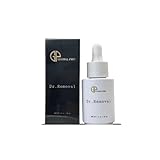
- Permanent Makeup Removal
- Target use body part: face
- Scent: Aloe
Symptoms needing emergency care
Breathing difficulty, faintness, intense swelling, or widespread symptoms can signal a serious allergic reaction. Call emergency services or go to an emergency department immediately. Do not wait for a cosmetic appointment and do not attempt pigment removal during a severe reaction.
Bring useful information
- The date of the microblading procedure and any touch-up date.
- The studio’s aftercare sheet and the names of products used on the brows.
- Any information available about the pigment or anesthetic.
- Photographs showing when symptoms started and whether they are spreading.
- A list of allergies, medicines, and previous reactions to tattoos, cosmetics, or adhesives.
The FDA advises discussing permanent-makeup removal with a healthcare provider. That advice is also relevant when a suspected reaction makes removal seem urgent: the safest sequence is medical evaluation first, then a removal discussion once the skin and overall condition have been assessed.
What to do after the skin is fully healed
When the surface is closed, no longer tender or inflamed, and you have no active warning symptoms, arrange an in-person assessment. Choose a practitioner who can explain both correction and removal, has substantial experience with brow pigment, and is willing to decline a procedure when the skin is unsuitable. A medical professional should evaluate suspected infection, allergy, persistent nodules, unusual scarring, or any reaction that does not resolve.
Prepare for the consultation
- State your main goal: softer color, a different shape, better symmetry, less visible pigment, or complete removal.
- Explain when the procedure and any touch-up occurred and how the brows changed during healing.
- Show unedited photographs from before, immediately after, and during healing if you have them.
- Disclose previous tattoos, permanent makeup, allergies, keloids, granulomas, skin diseases, and any MRI-related concerns.
- Ask what can realistically be achieved in your skin, how many visits might be needed, what side effects are possible, and what would make the professional postpone treatment.
A consultation is not a commitment to treatment. It is a way to determine whether the pigment is suitable for correction, whether removal is technically reasonable, and whether a medical issue must be addressed first.
Also popular on Amazon

- MISTAKE-PROOF: Nad's Natural Precision Eyebrow Wax Wand contains Nad's Natural Sugar Wax, which requires no heating and easily washes away with water if you make a mistake! ; just twist and go; ideal for eyebrows, upper lip, chin
- WOW BROWS EYEBROW WAX: The ideal tool for shaping and sculpting salon quality eyebrows in the convenience of your own home. When using briskly rub wand between hands when it is cold or if the gel is too thick.
- INCLUDES: 10 Re-usable cotton strips, 1x Wax Wand and 1 pre-wax cleansing soap. Suitable for all delicate facial areas including Eyebrows, Face, Chin and Upper Lip.
- VEGAN: Made with naturally derived ingredients. Nad's are PETA certified for cruelty free waxing.
- SAFETY: Read Instructions carefully before use and always do a patch test 24 hours before use. The unique SlimTip precision applicator makes it easy to shape beautiful brows.
Correction or additional pigment: when it may help—and when it can backfire
For a healed, stable result that is merely too light, slightly uneven, or missing a small area, a qualified professional may discuss a conservative correction. The plan depends on the existing pigment, the skin’s condition, the amount of scar tissue, and the desired shape. A correction can involve adding pigment, but it cannot erase a misplaced stroke underneath.
Additional work is risky when the brows are already too dark, too broad, badly positioned, or showing signs of inflammation. Layering more color can make the shape larger and the eventual removal more difficult. Color adjustments are not interchangeable: placing a different shade over an unwanted undertone does not guarantee a natural healed result.
Do not accept a promise of perfect symmetry or an exact color match. Human brows are naturally asymmetric, and healed pigment can behave differently from the color seen immediately after application. A responsible professional should explain the limits before taking payment or opening the skin again.
The Tool Desk
Outbyte PC Repair FREERepair Windows errors before they cause bigger problemsFix Now →Outbyte Driver Updater FREEFix the driver behind crashes, sound loss and screen glitchesFind Drivers →Professional removal: realistic benefits and limits
Removal is a medical or cosmetic procedure decision, not a household cleaning task. The FDA states that removal usually requires several treatments, can be expensive, and may not achieve complete removal without scarring. It recommends discussing the best technique with a healthcare provider because the appropriate approach depends on the pigment, depth, skin, and history of prior procedures.
Also popular on Amazon
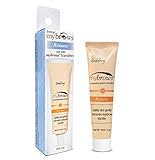
- Safely and gently removes eyebrow transfer and other temporary tattoos.
- Provides a smooth removal without harsh rubbing. Making removal of adhesive clean and easy.
- Removes all traces of eyebrow transfer, stamp, and temporary tats while moisturizing the skin.
- Safe for use on all skin types. Step 3 of a three step temporary tattoo life extension kit.
- Cruelty free formula that is not tested on animals.
What removal can and cannot promise
- It may reduce the visibility of unwanted pigment, but complete clearance is not guaranteed.
- Several visits may be necessary rather than one appointment.
- Residual color or a changed undertone can remain.
- Scarring, infection, allergic reactions, and other skin complications are possible.
- Prior touch-ups, overlapping colors, or scar tissue can affect the outcome.
The FDA notes that color additives used in permanent makeup are not approved for injection into skin. That fact does not mean every procedure will produce a complication, but it reinforces why removal should be planned with a qualified healthcare provider rather than attempted with an unregulated home product.
Why home removal is unsafe
Scrubs, acids, bleaching agents, salt techniques, tattoo-removal creams, abrasion, and kitchen ingredients cannot be treated as proven ways to extract pigment safely from living skin. They can create burns, open wounds, infection, uneven scarring, or a new allergic reaction while leaving the original pigment behind. The FDA identifies infection, allergic reactions, scarring, and removal problems as risks of permanent makeup, and a 2024 case report describes an allergic reaction emerging during permanent-makeup removal. That individual case does not establish how often such reactions occur, but it demonstrates that removal itself is not risk-free.
Questions before consenting to removal
- Who will perform the assessment, and what medical credentials or relevant experience do they have?
- What is known about the pigment and any previous products placed in the brows?
- What result is realistic after one visit and after a complete course?
- What are the risks of scarring, color change, infection, and allergic reaction in your skin?
- How will the area be cared for between visits?
- What symptoms require urgent medical review?
A 2025 review describes a lack of standardization in permanent-makeup practice and discusses both aesthetic and medical complications. That variability makes provider selection and a documented, individualized plan more important than a one-size-fits-all technique.
Windows Errors? Fix Them Before They Spread
Repair common Windows errors and clear accumulated junk for a smoother, more stable PC - no reinstall needed.Free scan · no reinstallCrashes, No Sound, or Screen Glitches?
Random freezes, missing sound and display glitches usually trace back to one bad driver. Find and replace yours safely.Free scan · under a minuteTemporary camouflage after complete healing
A removable eyebrow pencil or similar cosmetic can disguise an uneven outline or soften the visual contrast once the skin is fully healed and symptom-free. This is camouflage only. It does not alter, neutralize, or remove pigment implanted in the skin.
Never apply cosmetic makeup over broken, weeping, scabbed, actively inflamed, or painful skin. Wait until the surface is closed and calm. Stop using the product if it causes new itching, burning, swelling, or redness. Temporary makeup is useful for an occasion or while you are arranging an assessment; it is not a treatment and should not delay medical care.
Common mistakes that make a bad result harder to fix
- Adding pigment immediately: A touch-up over swollen or infected skin can worsen the medical problem and lock in an unwanted shape.
- Picking or scraping: Mechanical damage can create wounds and scars without removing pigment evenly.
- Using untested removal creams: A product that irritates the surface cannot reliably reach pigment placed in the skin.
- Covering warning signs: Makeup can hide spreading redness, drainage, or open sores from you and from a clinician.
- Chasing perfect symmetry: Repeated additions can expand both brows while never producing identical natural anatomy.
- Choosing solely by a before-and-after photo: Results depend on pigment, skin, technique, healing, and prior work; a photograph does not predict your outcome.
- Ignoring a reaction because the shape is the main concern: Medical symptoms always take priority over cosmetic dissatisfaction.
A practical decision path
- Check for danger signs. If you have spreading redness, increasing pain, pus, open sores, fever, or chills, obtain prompt medical assessment. If you have breathing difficulty, faintness, intense swelling, or widespread symptoms, seek emergency care.
- Pause cosmetic procedures while the skin is active. Do not add pigment, apply makeup, pick, scrape, or use home-removal products on healing or inflamed skin.
- Document the change. Keep dated photographs, aftercare instructions, product names, and procedure details.
- Wait for a closed, symptom-free surface before judging appearance. Early swelling, flaking, scabs, and dark color can change as healing progresses.
- Get an assessment, not an automatic touch-up. Ask a qualified, experienced professional to distinguish a shape/color issue from a pigment or skin reaction.
- Choose among conservative correction, camouflage, or removal only after discussing limits. The options have different risks and are not interchangeable.
- Follow the selected plan and its warning instructions. Report worsening symptoms rather than trying to manage them with another cosmetic procedure.
What a realistic outcome looks like
The goal may be improvement rather than restoration of untouched skin. A conservative correction can sometimes make a healed result less distracting, while camouflage can help for short-term appearance needs. Removal can reduce pigment but may require several treatments, cost substantially, leave residual color, or create scarring. The safest plan is the one that matches the actual problem and accepts those limits before treatment begins.
Microbladed brows that look wrong are frustrating, but rushing into another procedure creates avoidable risk. Treat active symptoms as a medical issue, let healing finish before evaluating appearance, and use an individualized professional assessment to decide whether correction or removal is appropriate.






Say something about this film