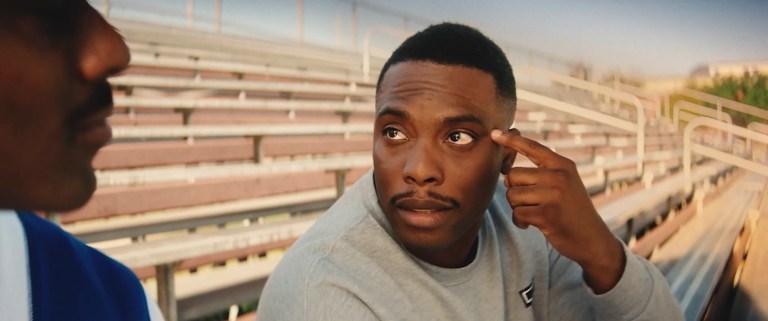
What began as a cheeky tabloid turn of phrase quickly hardened into a story that seemed to write itself: Margot Robbie, producer-star and cultural tastemaker, “obsessed” with Jacob Elordi while filming Wuthering Heights. The word ricocheted across social feeds and gossip columns, shorthand for on-set intensity and eye-catching chemistry. In an industry primed to sensationalize proximity between famous people, it was an easy headline to sell.
But the fixation, as it’s been described by those close to the production, had far more to do with craft than crush. Robbie’s reputation as a hands-on producer has long been defined by her laser focus on performance and tone, especially when navigating thorny literary terrain. Emily Brontë’s novel demands a Heathcliff who can carry romantic menace, vulnerability, and raw physicality; Elordi’s rapid evolution from heartthrob to prestige contender made him a subject of creative scrutiny as much as admiration.
| # | Preview | Product | Price | |
|---|---|---|---|---|
| 1 |

|
Wuthering Heights (DVD) | $13.99 | Buy on Amazon |
| 2 |
|
"Wuthering Heights" | Buy on Amazon | |
| 3 |

|
Wuthering Heights (1939) | $17.99 | Buy on Amazon |
| 4 |
![Wuthering Heights (1967) [DVD]](https://m.media-amazon.com/images/I/51lWamgoxvL._SL160_.jpg)
|
Wuthering Heights (1967) [DVD] | $8.69 | Buy on Amazon |
| 5 |
![Emily Bronte's Wuthering Heights [DVD]](https://m.media-amazon.com/images/I/511fs66GGZL._SL160_.jpg)
|
Emily Bronte's Wuthering Heights [DVD] | $13.66 | Buy on Amazon |
The “obsessed” narrative took hold because it flattened a complex, high-pressure collaboration into something click-friendly. What it missed was the reality of adapting a canonical text under intense expectation, where every choice feels consequential and every rehearsal becomes a referendum on fidelity versus reinvention. In that light, Robbie’s attention reads less like fixation and more like the focused curiosity of a producer determined to get Wuthering Heights right.
Why ‘Wuthering Heights’ Was a High-Stakes Passion Project for Margot Robbie
For Margot Robbie, Wuthering Heights wasn’t just another prestige title to add to an already formidable résumé. It represented a deliberate pivot back toward thornier, risk-heavy material after years of pop-cultural dominance, a chance to reaffirm her instincts as both a performer and a producer. When you’ve just helped redefine what a studio blockbuster can look like, choosing a bleak, psychologically brutal literary adaptation is a statement.
Recommended Free Tools
#1 Best Overall
- Bonus Content
Reputation on the Line After a Career-Defining High
Robbie’s producing career has been defined by sharp taste and strategic bravery, but success raises the stakes as much as it opens doors. A canonical novel like Emily Brontë’s invites scrutiny from scholars, purists, and modern audiences who all want different things from the same text. Any misstep risks being read not as creative risk-taking, but as misunderstanding the material.
That pressure sharpened Robbie’s involvement rather than diluting it. Those close to the production describe her as deeply embedded in questions of tone, performance, and emotional authenticity, particularly around Heathcliff, the novel’s most volatile figure. In that context, her attention to Jacob Elordi wasn’t indulgent; it was essential.
Casting Heathcliff Is Always a Creative Minefield
Every new Wuthering Heights adaptation lives or dies on Heathcliff, a character who resists easy categorization. He must feel dangerous without becoming cartoonish, romantic without losing cruelty, and wounded without inviting easy sympathy. Elordi’s casting brought both opportunity and risk, given his public image and recent pivot toward darker, more complex roles.
Robbie’s fascination, as it was framed in tabloids, aligns more convincingly with a producer interrogating whether an actor can transcend expectations. Watching Elordi test vulnerability against brutality, charm against menace, was less about chemistry and more about calibration. Get Heathcliff wrong, and the entire adaptation collapses under its own weight.
Do these 3 things before closing this tab:
1Clear out junk files and repair common Windows errors2Fix the driver behind crashes, sound loss and screen glitches3Repair Windows errors before they cause bigger problemsAdapting a Literary Monument for a Modern Audience
Wuthering Heights carries cultural baggage that few novels escape. Its depictions of obsession, power, and otherness are routinely reexamined through contemporary lenses, making every creative decision feel political as well as artistic. Robbie understood that a hands-off approach would be read as abdication, not trust.
That awareness turned the production into something closer to a personal crusade. Her investment in performance detail, especially opposite Elordi, reflects the anxiety of doing justice to a text that resists simplification. In a project like this, intensity isn’t a liability; it’s the price of admission.
Casting Heathcliff in 2025: Why Jacob Elordi Was the Unexpected, Inevitable Choice
In early casting conversations, Elordi was not the obvious name. His ascent had been fueled by visibility and modern iconography, not by period literature or gothic romanticism. Yet as the search dragged on, the absence of a convincing alternative began to clarify what the role actually required in 2025.
Heathcliff no longer survives on brooding alone. Contemporary audiences expect psychological specificity, a sense that cruelty is learned, not innate, and that obsession has an interior logic even when it becomes monstrous. Elordi’s recent performances suggested an actor increasingly interested in discomfort rather than likability, which reframed him from risk to solution.
The Power of Otherness Without Caricature
One of the novel’s most fraught elements is Heathcliff’s status as an outsider, a figure defined as much by how he is seen as by who he is. Robbie was acutely aware of how easily that dynamic can slide into stereotype or blunt symbolism. Elordi’s physical presence, striking but not traditionally period-coded, created productive tension rather than distraction.
That tension mattered. Heathcliff needs to feel misaligned with his environment, never fully absorbed into the social order of the moors. Elordi’s screen tests reportedly emphasized restraint over rage, allowing alienation to simmer rather than explode, which gave the character a contemporary psychological plausibility without sanding down his edges.
From Screen Persona to Emotional Volatility
Elordi arrived with cultural baggage, but that was part of the appeal. Robbie recognized that casting against audience expectation could mirror Heathcliff’s own narrative function as an intrusion into a closed system. The gap between what viewers think they know about Elordi and what the role demands became a creative asset.
Rank #2
Their collaboration focused less on surface intensity and more on modulation. Scenes were adjusted to explore how affection curdles into control, how silence can read as threat, and how vulnerability can be weaponized. Robbie’s reported fixation wasn’t starstruck fascination; it was the rigor of a producer testing whether an actor could carry contradiction without collapsing into type.
Why the Choice Ultimately Became Inevitable
By the time cameras rolled, the logic of Elordi’s casting had hardened into necessity. He was young enough to embody Heathcliff’s arrested emotional development, but seasoned enough to avoid melodrama. More importantly, he was willing to let the character remain unresolved, even unappealing, rather than smoothing him into a tragic romantic lead.
That commitment aligned with Robbie’s broader philosophy on the adaptation. Wuthering Heights doesn’t reward comfort, and neither should its casting. In Elordi, she found an actor prepared to sit inside the novel’s discomfort, not explain it away, which is often the difference between a respectable adaptation and a haunting one.
On-Set Dynamics: How Robbie’s Producer’s Eye Locked Onto Elordi’s Performance
Once production moved from theory to practice, Robbie’s attention narrowed in a way crew members quietly clocked. As both star and producer, she had a front-row view of how Elordi calibrated Heathcliff moment to moment, not just in takes that made the cut, but in the ones that fell apart. It was less about watching for brilliance and more about tracking consistency, the hardest thing to fake in a role built on emotional fracture.
What emerged on set was a kind of creative surveillance. Robbie reportedly hovered near monitors during Elordi’s scenes, asking for playbacks not to nitpick, but to study how small behavioral choices carried across setups. The fascination wasn’t loud or performative; it was analytical, the focus of someone measuring whether a performance could sustain the weight of a classic without buckling.
The Producer’s View: Performance as Architecture
Robbie approached Elordi’s work the way a producer approaches structure. She paid close attention to how his energy shifted between wide shots and close-ups, how posture replaced dialogue, how stillness could read differently depending on the lens. Heathcliff, in this interpretation, wasn’t built through outbursts but through accumulation, and Robbie was invested in protecting that design.
There was also an understanding that literary adaptations live or die on tonal discipline. Elordi’s instincts leaned inward, sometimes almost disappearing into the frame, which could be risky in a story known for its emotional violence. Robbie’s producer notes reportedly encouraged that restraint, trusting that the menace would register precisely because it wasn’t advertised.
Creative Chemistry Without Romantic Mythmaking
It’s tempting to frame Robbie’s fixation as on-set chemistry in the tabloid sense, but the reality appears far more workmanlike. Their exchanges were about rhythm, pacing, and when to pull back rather than push harder. That kind of collaboration tends to read as intensity from the outside, especially on a project charged with gothic passion.
What fascinated Robbie, by most accounts, was Elordi’s willingness to be directed without becoming malleable. He absorbed notes, tested them, and occasionally rejected them through performance rather than argument. For a producer steering a high-stakes adaptation, that balance between openness and conviction is rare, and worth watching closely.
Free tools Windows power users keep installed
One-click scans. No signup required.
Guarding the Adaptation’s Emotional Center
As filming progressed, Robbie’s attention to Elordi became partly defensive. Wuthering Heights carries decades of interpretive baggage, and any whiff of romantic softening could derail the entire enterprise. By staying closely attuned to Elordi’s choices, she was effectively safeguarding the adaptation’s spine.
This is where obsession becomes stewardship. Robbie wasn’t just invested in Elordi as an actor, but in what his performance represented for the film’s credibility. Heathcliff needed to remain uncomfortable, unresolved, and morally abrasive, and Robbie’s producer’s eye stayed locked in to ensure that no amount of on-set momentum smoothed those edges away.
Rank #3
Chemistry vs. Mythology: Separating Romantic Speculation from Artistic Fascination
The language around Robbie and Elordi inevitably drifted toward chemistry, but that word has been flattened by celebrity culture. On Wuthering Heights, it described something more technical than romantic: a shared sensitivity to tone and an appetite for risk within strict parameters. Their alignment was less about sparks and more about calibration.
Robbie’s fascination, as sources frame it, stemmed from watching an actor engage with a role that resists likability. Elordi wasn’t chasing audience affection or gothic grandstanding; he was sculpting absence, withholding, and moral unease. For a producer overseeing a famously misinterpreted text, that restraint was not just attractive, it was essential.
Outdated Drivers Are Slowing You Down
One free scan finds every outdated or missing driver and matches the right update for your exact hardware.Free scan · exact hardware matchPC Slower Than It Used to Be?
A free scan shows the junk files, broken settings and background clutter dragging Windows down - then fixes them in one click.Free scan · Windows 10 & 11Why Obsession Reads Louder Than It Is
On a film set, sustained attention can easily be misread as intimacy. Robbie’s proximity to Elordi’s process, her habit of checking in after takes or quietly flagging adjustments, created a visible feedback loop. From the outside, that kind of focus invites mythology.
Inside the production, it functioned as quality control. Heathcliff’s volatility doesn’t announce itself cleanly, and Robbie reportedly monitored how often the performance tipped toward operatic anger versus something colder. The obsession was with consistency, not connection.
Casting as a Philosophical Choice
Part of what fueled speculation was the casting itself. Elordi arrived with a contemporary star aura that risked colliding with Brontë’s bleakness, and Robbie understood that tension had to be actively managed. Her interest in his choices wasn’t passive admiration; it was an ongoing test of whether the casting thesis held under pressure.
That scrutiny also reflected Robbie’s evolution as a producer. She has increasingly gravitated toward performances that complicate audience expectations rather than soothe them. Elordi’s Heathcliff offered that friction, and Robbie’s fixation tracked whether the film leaned into it or flinched.
The Tool Desk
Outbyte PC Repair FREERepair Windows errors before they cause bigger problemsFix Now →Outbyte Driver Updater FREEFix the driver behind crashes, sound loss and screen glitchesFind Drivers →Artistic Fascination Over Personal Narrative
Stripping away the headlines reveals a dynamic grounded in craft. Robbie was watching an actor wrestle with a role that doesn’t reward sentimentality, and she was invested in making sure the struggle stayed visible on screen. That kind of engagement is less romantic than editorial, but it’s far rarer.
In the end, the mythology says more about how audiences want to consume collaboration than about what actually happened. What played out on Wuthering Heights was a producer recognizing a performance that could anchor a volatile adaptation, and refusing to look away until it did.
Inside the Adaptation Pressure Cooker: Reimagining a Literary Titan for Modern Cinema
Any new Wuthering Heights arrives carrying the weight of nearly two centuries of interpretation. The novel’s emotional brutality, moral ambiguity, and refusal to soften its characters make it a treacherous proposition for modern cinema, where likability is often treated as currency. For a producer like Margot Robbie, the challenge wasn’t how to make the story palatable, but how to make it legible without sanding off its edges.
That pressure shaped every creative conversation on set. Choices that might seem minor in another production, a pause held too long, a look played too openly, could tip the film toward melodrama or away from Brontë’s essential cruelty. Robbie’s vigilance around Elordi’s performance existed inside that high-stakes calibration.
What’s actually slowing this PC down?
Pick the symptom - the matching free tool is one click away.
The Problem of Modern Eyes on a Brutal Classic
Wuthering Heights resists contemporary framing almost by design. Heathcliff isn’t an antihero in the current prestige-TV sense; he’s a corrosive force whose pain metastasizes into cruelty. Translating that for audiences accustomed to redemption arcs required discipline from everyone involved, especially the actor tasked with embodying it.
Rank #4
- As the wind and rain beat down on the isolated farmhouse, the new neighbor Mr. Lockwood visits his surly landlord, Heathcliff. When the foul weather prohibits his return, Lockwood is forced to spend a dreadful night in the hauntingly named Wuthering Heights. On his return home, Lockwood discovers the tumultuous story of how Heathcliff, a foundling, came to own both houses, of his love for Catherin
Elordi’s casting heightened that tension. His screen presence carries an inherent modernity, and the production had to work constantly to prevent that familiarity from softening Heathcliff’s menace. Robbie’s reported fixation reads differently in that context: it was about guarding the character against accidental accessibility.
Performance as Architecture, Not Ornament
In adaptations like this, performance becomes structural. If Heathcliff tilts too far toward romantic anguish, the entire narrative collapses into something Brontë never intended. Robbie’s engagement with Elordi’s process reportedly centered on those fault lines, where intensity could curdle into indulgence.
That level of involvement reflects a producer thinking like an editor in real time. Rather than reacting in post-production, Robbie stayed close to the evolving performance, treating it as the spine of the film’s tone. The fascination wasn’t with Elordi the star, but with whether the performance could sustain the story’s weight.
Quick wins for a faster PC:
Clear out junk files and repair common Windows errorsFree Scan →Scan for outdated or missing drivers - takes under a minuteDriver Scan →Repair Windows errors before they cause bigger problemsFix Now →Why Literary Fidelity Isn’t About Accuracy
Faithfulness to a novel like Wuthering Heights isn’t measured by plot adherence. It’s about preserving its emotional hostility and moral discomfort, qualities that don’t always survive the translation to screen. Robbie’s approach reportedly prioritized that spirit, even when it risked alienating viewers expecting a more romanticized version.
That philosophy placed constant pressure on the set. Every scene had to earn its bleakness, and every performance choice carried thematic consequences. In that environment, obsession becomes less a personal fixation and more a survival mechanism for the film itself.
Separating the Headline from the Labor
From the outside, intense collaboration invites speculation. Inside an adaptation this fraught, it reads as necessity. Robbie’s focus on Elordi’s Heathcliff wasn’t a side story; it was the frontline of the production’s biggest creative battle.
Reimagining a literary titan doesn’t allow for casual oversight. It demands producers willing to sit in discomfort, to watch performances harden rather than soften, and to stay engaged even when the material resists charm. In that pressure cooker, fascination isn’t indulgence. It’s responsibility.
Elordi’s Prestige Pivot: What This Role Signals About His Career Trajectory
For Elordi, Wuthering Heights doesn’t just represent another ambitious role. It marks a deliberate turn away from the glossy volatility that first made him famous and toward something more austere, more punishing, and ultimately more durable. Heathcliff is not a character that flatters an actor’s likability, and choosing him at this moment suggests Elordi is prioritizing longevity over momentum.
This is the kind of role that doesn’t expand a fanbase so much as it refines it. Elordi appears increasingly uninterested in being accessible and more invested in being taken seriously, even when that seriousness comes at the cost of comfort.
From Cultural Phenomenon to Institutional Credibility
Elordi’s early career positioned him as a lightning rod for attention, but attention is not the same as authority. Prestige is built through risk, repetition, and alignment with filmmakers willing to challenge perception. A project like Wuthering Heights places him inside a lineage of actors who have tested themselves against material that resists easy praise.
Robbie’s reported fixation makes sense in that context. She wasn’t just watching a performance take shape; she was observing whether Elordi could carry the psychological and thematic load of a canonical text without smoothing its edges.
The Tool Desk
Outbyte Driver Updater FREEFix the driver behind crashes, sound loss and screen glitchesFind Drivers →Outbyte PC Repair FREERepair Windows errors before they cause bigger problemsFix Now →Best Value
A Performance That Refuses to Perform
Heathcliff demands an actor willing to withdraw rather than project. Elordi’s approach, by most accounts, leaned into restraint, letting silence and physical tension do the work usually handled by dialogue or overt emotion. That choice reframes him not as a charismatic presence but as a destabilizing one.
For a producer shepherding a literary adaptation, that shift is crucial. A star who knows when not to signal becomes an asset, not a liability, especially when the material thrives on unease.
Why Producers Pay Attention to These Moments
Robbie’s creative attention toward Elordi wasn’t about star power management. It was about sensing a hinge point, the moment when an actor’s instincts either align with the film’s ambitions or pull it off course. Watching that calibration happen in real time is where fascination turns professional.
If Wuthering Heights lands as intended, it won’t redefine Elordi overnight. What it will do is reposition him, not as an actor chasing prestige, but as one capable of sustaining it.
What’s actually slowing this PC down?
Pick the symptom - the matching free tool is one click away.
What the Obsession Really Reveals: Power, Performance, and Creative Obsession in Hollywood
In Hollywood, obsession is often misunderstood as fixation when it’s more accurately a form of vigilance. When Margot Robbie zeroed in on Jacob Elordi during Wuthering Heights, it wasn’t celebrity intrigue or novelty at work. It was the attention of a producer attuned to power dynamics, both on screen and behind the camera.
This kind of focus tends to surface when a project carries real stakes. Adapting a literary monument like Emily Brontë’s novel doesn’t allow for autopilot casting or passive performances. Every choice becomes a referendum on taste, authority, and intent.
Creative Power Isn’t About Control, It’s About Alignment
Robbie’s producing career has been defined by a careful balance between influence and trust. She champions directors with distinct visions and actors capable of meeting them without dilution. Obsession, in this context, reads less like micromanagement and more like pattern recognition.
Watching Elordi work offered a real-time test of alignment. Was he pushing against the material, or allowing it to unsettle him? For a producer overseeing a classic adaptation, that distinction matters more than charisma or heat.
Outdated Drivers Are Slowing You Down
One free scan finds every outdated or missing driver and matches the right update for your exact hardware.Free scan · exact hardware matchWindows Errors? Fix Them Before They Spread
Repair common Windows errors and clear accumulated junk for a smoother, more stable PC - no reinstall needed.Free scan · no reinstallThe Actor as a Variable, Not a Constant
Elordi’s recent career choices suggest a willingness to become unstable within a role, to resist the comfort of being legible. That unpredictability is precisely what Heathcliff demands, and precisely what makes a producer lean in rather than step back.
Robbie’s fascination reportedly grew from observing how Elordi handled pressure without signaling for approval. In a production environment shaped by expectation, restraint becomes a form of authority.
Why Hollywood Still Romanticizes Obsession
The industry loves to mythologize moments like these because they speak to a deeper truth about filmmaking. Great performances don’t emerge fully formed; they reveal themselves in fragments, in rehearsals, in quiet recalibrations that only a few people notice.
When a producer becomes “obsessed,” it’s often because they recognize a rare convergence. The actor, the role, and the material are challenging each other in ways that can’t be engineered.
In that light, Robbie’s reported fixation isn’t a footnote or a playful anecdote. It’s a case study in how power operates creatively in Hollywood, not through dominance, but through attention. When that attention is well placed, it doesn’t just shape a performance. It can quietly determine whether an adaptation earns its place in the canon or fades into the background.
Quick Recap
Product prices and availability are accurate as of the date/time indicated and are subject to change. Any price and availability information displayed on Amazon at the time of purchase will apply.