Recommended Free Tools
The safest family archive combines three things: stable physical storage, carefully made digital copies, and explicit rules for consent and access. Keep original papers, photographs, recordings, and adoption documents; protect them from damaging conditions; digitize them for everyday use; store multiple digital copies in separate places; and document who may view, copy, publish, or inherit each item.
Start with an inventory and an access plan
Preservation becomes manageable when you know what exists, where it is, and which items require special treatment. Begin with a room-by-room inventory rather than trying to sort an entire family history at once.
Identify the record groups
- Paper: letters, diaries, certificates, military papers, school records, newspaper clippings, recipes, notebooks, and legal documents.
- Photographs: loose prints, albums, negatives, slides, tintypes, digital images, and photographs attached to documents.
- Recorded memories: audio interviews, video, voice-mail recordings, speeches, home movies, and born-digital files.
- Adoption material: agency correspondence, court papers, amended or original certificates, case notes, medical information, photographs, and letters exchanged through an intermediary.
- Context: captions, names, dates, places, relationships, explanations of family terminology, and notes about how an item was created or obtained.
Separate fragile or irreplaceable originals from duplicates and everyday working copies. Create a simple identifier for each folder, box, recording, or digital group. A label such as FAM-1948-03 is useful only if a companion inventory explains what it means.
Decide access before you copy or share
For ordinary family material, record who may view the original, who may receive a digital copy, and whether publication is allowed. For interviews and adoption records, treat access as a deliberate decision, not an automatic consequence of family ownership. Preserve any consent, donor, or restriction statement alongside the material.
#1 Best Overall

- Brand Background: Lineco is a leading and trusted brand for archival quality art, photography, and framing supplies
- Preservation: Our box can storage your photos and important documents. It is used by professional photographers to house prized photos, albums, and scrapbooks
- Premium Quality: Lineco storage boxes are manufactured in USA. This box is made with 60 point board and lined with acid-free archival quality and lignin-free
- Drop front design: Created with metal edge construction on the corners, adding great durability and strength. The lid does come off and it has a drop-front design, meaning it's super easy for you to storage your items in and out
- Overall Size: 9.75" x 12.75" x 3" for 9x12 Documents, Newspapers, Certificates, Pictures, Important Delicate Prints, and Old Pictures
Protect papers and photographs from the storage environment
The National Archives and Records Administration (NARA) recommends a cool storage environment and relative humidity below 65 percent to reduce mold and insect risks. Very low humidity, below 15 percent, can make items brittle. Avoid damp basements, garages, hot attics, places with leaks, and areas near food or water. Keep boxes and folders elevated from the floor.
Choose a stable location
- Use an interior room with steady conditions rather than a space exposed to roof heat or plumbing leaks.
- Keep archival boxes on shelving or another support above floor level.
- Do not store records beside radiators, vents that blow hot air, sinks, laundry equipment, or food.
- Check the space for insects, mold, condensation, and evidence of previous water damage before moving records there.
Relative humidity is a condition of the room, not a property of the box. An archival container cannot compensate for a persistently damp or overheated location.
Handle originals gently
Wash and dry your hands before handling photographs and paper. Support brittle sheets from underneath, avoid bending corners, and do not force a folded item flat. Keep food, drinks, pens, and adhesive materials away from the work surface. Remove items from tightly packed piles so they do not slump or become distorted.
Use enclosures that fit
Folders, sleeves, envelopes, and boxes should be sized so an item lies flat without bending, shifting, or being compressed. Do not overstuff a container. For paper, choose lignin-free, acid-free material; buffered enclosures are appropriate for many paper records. Photographic enclosures and mounts should use materials that have passed the Photographic Activity Test (PAT).
| Item or situation | Preferred protection | Reason |
|---|---|---|
| Ordinary paper records | Lignin-free, acid-free folders or boxes, sized to support the sheets | Reduces contact with unstable materials and prevents bending or slumping |
| Photographs | PAT-passed sleeves, folders, or mounts made from stable materials | Designed for photographic materials and tested for harmful interactions |
| Brittle, torn, or heavily handled sheets | Individual polyester L-sleeves large enough to cover the whole item | Provides support without requiring adhesive attachment |
| Photo corners or sleeves | Polyester, polypropylene, or polyethylene | These plastics are identified by NARA as stable choices for sleeves or corners |
Materials to avoid
Avoid unknown plastics and PVC, synthetic or unknown glue, pressure-sensitive tape, rubber cement, magnetic self-stick albums, rubber bands, and non-stainless staples or paper clips. Adhesive mounting can permanently mark or tear a record. If an old album is damaging photographs, do not pull prints free by force; stabilize the album and seek advice from a conservator or archival service before attempting removal.
Control light and display
Light can fade or alter originals. Display a high-quality copy whenever possible and keep the original in dark storage. If an original must be displayed, limit the exposure and use UV-filtering glazing where appropriate. Rotate displayed items rather than leaving the same photograph or document in light indefinitely.
Rank #2

- Archival material created and made in USA. Lineco is a leading and trusted brand for archival art, photography, and framing supplies
- CONSIDERATE DESIGN: Metal edge design and adhesive-free corners provide stacking strength and durability. The nylon pull string aids in removal from shelving
- CLAMSHELL DESIGN: The lid does not come off, as it is a clamshell design. Giving you the ease to open and close. Acid-free, lignin-free, buffered material stores documents from well
- DOCUMENT SOLUTION: Created for documents and files, great use for documents, files, prints, photos, art, newspaper and magazines ect. This storage box will keep your possessions in great care and quality
- SIZE: Overall size is 12.5" x 10.375" x 5" wide. Includes 12 letter-sized archival quality file folders
Digitize for access while keeping the originals
Scanning and recording copies lets relatives search, view, and share family history without repeatedly handling fragile originals. Digitization is an access strategy, not a replacement for preservation. NARA warns that digital files have their own preservation risks and can be lost, so retain the physical original after scanning.
Prepare each item
- Confirm that the item is stable enough to handle and note existing folds, tears, stains, annotations, or missing pages.
- Clean only loose surface dust that can be removed safely; do not wash, erase, flatten, or repair an original as part of a routine scanning project.
- Arrange pages in order and record the original sequence, folder title, creator, approximate date, people, and place.
- Choose a scanner or camera setup that supports the item without forcing it flat.
A fragile, weak, bent, or valuable sheet should not go through an automatic-feed scanner. For flat paper and photographs, make sure the entire item fits on the scanner bed. If it does not, use a method that supports the item rather than cropping or bending it.
Create useful file names and descriptive information
A scan without context becomes difficult to identify after the original owner is gone. Use a consistent naming pattern that includes the family identifier, date when known, item type, and sequence number. For example, FAM-1948-03_letter_01_master is more informative than scan0007.
Keep a companion catalog with the creator, people shown or mentioned, date, place, language, physical description, original location, digitization date, equipment or software used when known, and any access restrictions. Preserve the original order of multi-page documents and link related photographs, transcripts, and correspondence.
Make an access copy and retain a preservation copy
Keep a high-quality master file and create smaller copies for email, phones, or family websites. Do not repeatedly edit the only master. Preserve the unaltered scan, then make derivatives for cropping, color correction, transcription, or publication. Record what was changed in each derivative and keep the relationship to the master clear.
Build a digital preservation system, not just a storage device
The Oral History Association (OHA) recommends making redundant digital copies and placing copies in different physical locations as soon as practical after an interview. The same principle is useful for scans, photographs, and family videos. One computer or one external drive is a single point of failure.
Rank #3
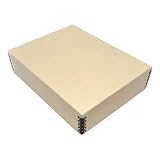
- Brand Background: Lineco is a leading and trusted brand for archival quality art, photography, and framing supplies
- Preservation: Our box can storage your photos and important documents. It is used by professional photographers to house prized photos, albums, and scrapbooks
- Premium Quality: Lineco storage boxes are manufactured in USA. This box is made with 60 point board and lined with acid-free archival quality and lignin-free
- Drop front design: Created with metal edge construction on the corners, adding great durability and strength. The lid does come off and it has a drop-front design, meaning it's super easy for you to storage your items in and out
- Overall Size: 9.75" x 12.75" x 3" for 9x12 Documents, Newspapers, Certificates, Pictures, Important Delicate Prints, and Old Pictures
Keep copies separate
- Maintain the working collection on a primary computer or storage system.
- Keep a separate external-drive copy that is disconnected when not being used for backup.
- Keep another copy in a different physical location so theft, fire, flooding, or a local equipment failure does not destroy every copy.
- After copying, open a sample of files and compare folders so a silent copy error is not discovered years later.
The guidance supports redundancy and physical separation; it does not endorse a particular drive, cloud service, recorder, or storage brand. A storage product is only one component of the preservation plan.
Prefer portable formats and plan for obsolescence
For recordings and digital files, prefer cross-platform, nonproprietary formats when possible. Media formats, connectors, software, and operating systems can become obsolete. Keep enough information about the file format and creation process that a future custodian can identify what is needed to open or migrate it.
Preserve the project context
Keep the files together with technical and descriptive metadata, related photographs and documents, preservation actions, and rights or access information. For an interview, that package may include the consent form, recording date, participants, location, equipment, transcript, summary, photographs, and restrictions. For a scanned letter, it may include the original folder title, page order, scan date, and any permission to share.
Schedule migration and review
At regular intervals, inspect whether the files still open, whether the storage media is readable, and whether the family still has the equipment and software required to use them. When a format or device is becoming difficult to access, migrate the files to a current, documented format while preserving the earlier file when feasible. Record the migration date, tool, and result.
The Tool Desk
Outbyte PC Repair FREERepair Windows errors before they cause bigger problemsFix Now →Outbyte Driver Updater FREEScan for outdated or missing drivers - takes under a minuteDriver Scan →Record family stories with informed consent
An interview is both a personal conversation and a record that may outlive the participants. Plan preservation and access before pressing record. The OHA says the process should cover whether recording will occur, how it will be preserved, possible uses, review opportunities, the project timeline, and who will have access.
Have a consent conversation first
- Explain the purpose of the interview and what topics may be discussed.
- Say whether the session will be audio, video, or both, and where the files will be stored.
- Describe possible uses, such as private family circulation, a family archive, a library deposit, educational use, or public release.
- Offer a chance for the narrator to review the recording or transcript before public release when possible.
- Discuss whether names, medical details, addresses, photographs, or references to other people should be restricted.
- Agree on the project timeline, the person responsible for preservation, and what happens if that person can no longer manage the files.
Record the agreement in writing. If the narrator wants parts withheld, identify the restricted section and the conditions for future review rather than relying on a memory of the conversation.
Rank #4
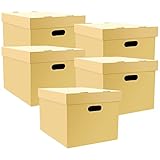
- Lineco is a leading manufacturer of archival storage for conservation of photos, documents, and artwork. Trusted by museums and archives, ideal for your family memorabilia
- Use these boxes for moving or storage items, preserving prints, documents, magazines, photos, stamps, envelopes, invoices, bills, papers, etc
- Ready-To-Assemble design allows for flat shipping and storage when not in use. No glue or tools are required for assembly, see instructions. Featuring cut-out handles, removable lid, and double layered bottom for additional strength
- These storage cartons feature double thick bottom panels, ensuring exceptional strength for the storage of documents and folders
- 12" x 15" x 10" Cartons, manufactured in the US from Tan Buffered Acid-free, lignin-free Corrugated B-Flute Board. Pack of 5
Organize the interview after recording
Preserve the original recording, an access copy, the consent agreement, a transcript or summary when available, and descriptive and technical metadata together. Note the participants, date, place, language, subjects discussed, file format, equipment, and any edits. Do not remove difficult or sensitive passages from the preservation master merely to make a convenient family copy.
Consider a professionally managed repository
The Oral History Association’s Oral History Best Practices states: “Whenever possible and/or practical, oral histories—either individual or many within a project—should be deposited in a repository such as a library or archive that has the capacity to ensure long-term and professionally managed preservation and access.” A repository can be appropriate when the family cannot maintain files and permissions over decades, but confirm that its access rules match the narrator’s wishes before depositing anything.
Do these 3 things before closing this tab:
1Repair Windows errors before they cause bigger problems2Fix the driver behind crashes, sound loss and screen glitches3Clear out junk files and repair common Windows errorsThe Library of Congress guide Preserving Family Stories identifies StoryCorps and the Veterans History Project as possible submission projects for historically oriented interviews. Verify each project’s current submission terms, eligibility, and access model, and submit only when public or institutional sharing fits the narrator’s agreement.
Independent reader supportYour contribution helps us test, update, and keep practical guides available for everyone.Treat adoption documents as a separate privacy category
Adoption records can contain identifying information, medical history, court material, agency correspondence, and accounts involving people who did not consent to public disclosure. Keep them secure and do not treat them like ordinary family photographs.
Preserve the record without widening access
- Store the original in a controlled, protected location.
- Make a preservation copy if that improves security or reduces handling, and label it as a copy.
- Keep the original and digital copy in the same preservation system as other important records but with a distinct access designation.
- List the people or roles permitted to view the item, the permitted purpose, and any review date or condition.
- Preserve consent, donor instructions, court orders, agency letters, and access restrictions with the record.
Having a family copy does not automatically mean that the document may be published, uploaded, emailed to a large group, or deposited in an open repository. Before sharing, consider the privacy of adoptees, birth relatives, adoptive relatives, children, and other people named in the file.
Verify the rule for the particular record
Access and disclosure rules depend on the jurisdiction, the issuing or holding agency or court, and the type of record. No single rule covers every adoption document. Contact the agency or court involved and verify applicable restrictions before sharing or depositing an individual record. Ask specifically about copying, release to relatives, publication, archival deposit, and whether a later consent or authorization is required.
Crashes, No Sound, or Screen Glitches?
Random freezes, missing sound and display glitches usually trace back to one bad driver. Find and replace yours safely.Free scan · under a minuteWindows Errors? Fix Them Before They Spread
Repair common Windows errors and clear accumulated junk for a smoother, more stable PC - no reinstall needed.Free scan · no reinstallBest Value

- Bundle Pack: each package includes 10 archival record storage cartons; This larger pack size ensures that you have enough storage boxes to declutter your space effectively; A perfect choice for bulk storage needs in offices, libraries or at home
- Generous Size: with dimensions of 15 x 12 x 10 inches (LxWxH), our archival storage boxes provide ample space for your storage needs; With such generous proportions, these boxes are designed to accommodate a wide variety of items
- Quality Material: our archival boxes are crafted from acid free paper and corrugated board; This ensures that your stored documents and keepsakes have the optimal protection they deserve; These storage cartons offer reliable durability for long-lasting use
- Ready to Use: the ready to use design of our acid free box allows for transport and storage when not in use; No glue or tools are required for assembly; Please refer to the picture assembly instructions; Features cut-out handle, removable cover and thickened cardboard for added strength
- Multi Functional Use: our archival boxes storage can be applied to store prints, documents, magazines, photos, stamps, envelopes, invoices, paper, and more; They're also ideal for keeping family mementos; These boxes are a versatile container
Make future access intentional
A future custodian should be able to answer four questions without guessing: What is this? Who created it? What may I do with it? Where is the authoritative copy?
Keep a finding aid
Create a plain-language inventory that maps boxes, folders, albums, recordings, and digital directories. For each group, record the identifier, description, date range, people, physical location, digital location, condition, related items, and access level. Keep one printed copy with the physical archive and one digital copy with the preservation files.
Use access levels that reflect the material
- Family open: relatives may view and share the access copy.
- Named people only: access is limited to people identified in the agreement.
- Embargoed: access begins after a stated date or event.
- Restricted: access requires permission from a named custodian, agency, court, or donor.
- Preservation only: the item is retained but not circulated or published.
These labels are an organizational tool, not a substitute for legal advice or a court, agency, donor, or narrator’s binding instruction.
Use a maintenance checklist
Preservation is an ongoing responsibility. At least once a year, review the system rather than waiting for a move, flood, or failed computer.
- Inspect the storage room for dampness, leaks, insects, heat, and floor-level exposure.
- Check that folders, sleeves, and boxes still fit without bending or overstuffing.
- Look for fading or damage on displayed originals and replace them with copies when appropriate.
- Open a sample of digital masters and access copies from each storage location.
- Confirm that the separate-location copy is current and that its device or service remains usable.
- Review file formats, connectors, software dependencies, and migration notes.
- Update names, dates, captions, transcripts, and family relationship information when new facts emerge.
- Reconfirm consent and restrictions before a public release, repository deposit, family website upload, or broad email distribution.
- Tell at least one future custodian where the archive is, how the inventory works, and which records require special permission.
The National Archives FAQ asks, “How do I preserve a photo or other family documents?” The practical answer is the same integrated approach: stable enclosures and conditions for originals, careful digitization for access, redundant digital preservation, and deliberate permissions for sensitive stories and records.
Quick Recap
Product prices and availability are accurate as of the date/time indicated and are subject to change. Any price and availability information displayed on Amazon at the time of purchase will apply.






Say something about this film