After a wildfire, fear, anger, sadness, guilt, numbness, relief, and exhaustion can all be normal responses. There is no single recovery timetable. Start with immediate safety and basic care, stay connected to people you trust, limit repeated exposure to distressing coverage, and seek professional or crisis support when symptoms persist, worsen, or make daily life hard.
Start with safety and urgent support
If you or someone with you is in immediate physical danger, follow local emergency instructions and contact local emergency services. If a person is thinking about suicide, self-harm, or harming someone else, treat that as an urgent crisis rather than something to manage alone.


In the United States and its territories, the Disaster Distress Helpline provides disaster-related emotional support by call or text at 1-800-985-5990. The 988 Suicide & Crisis Lifeline supports people in a mental-health crisis or considering suicide. You can contact 988 by call or text. These are free official services; use local emergency services when there is immediate danger.
You do not have to wait until feelings reach a particular level before asking for help. Reaching out early can be sensible after an evacuation, a death, serious property damage, displacement, or another event that has overwhelmed your usual coping capacity.
The Tool Desk
Outbyte PC Repair FREEClear out junk files and repair common Windows errorsFree Scan →Outbyte Driver Updater FREEScan for outdated or missing drivers - takes under a minuteDriver Scan →#1 Best Overall

- Bound in Hardcover; 144 Pages
- Dimensions: 7.45 x 1.23 x 9.37 Inches
What stress and grief can look like after a wildfire
Wildfires can affect the body, thoughts, emotions, relationships, work, and sense of safety at the same time. The Substance Abuse and Mental Health Services Administration (SAMHSA) describes possible reactions during the days, weeks, and months after a disaster. A list of reactions is not a diagnostic checklist; it is a way to recognize experiences that may occur.
Emotional reactions
- Fear, anxiety, persistent worry, or feeling constantly on alert
- Sadness, anger, irritability, guilt, shame, or helplessness
- Numbness, detachment, relief, or difficulty feeling anything
- Loneliness or a wish to withdraw from other people
- Conflicting feelings, such as relief to be alive alongside grief for what was lost
SAMHSA’s validating phrase is, “There’s no right or wrong way to feel.” That does not mean every reaction is harmless or that support will never be needed. It means that an emotional response by itself is not proof that you have failed or recovered incorrectly.
Thoughts, sleep, and concentration
- Intrusive memories, distressing images, or nightmares
- Difficulty concentrating, making decisions, or remembering ordinary details
- Trouble falling asleep, staying asleep, or returning to sleep after waking
- Repeatedly imagining another fire or scanning for signs of danger
- Missing work or school because ordinary tasks feel unmanageable
Physical and behavioral changes
- Headaches, stomach problems, fatigue, or muscle tension
- Changes in appetite or daily energy
- Restlessness, withdrawal, or unusually short temper
- Increased use of alcohol, drugs, tobacco, or medication that was not prescribed for you
Sirens, smoke smells, evacuation alerts, helicopters, news footage, ash, or returning to a damaged neighborhood can make the event feel present again. An anniversary or another sensory reminder can renew fear, anxiety, or sadness months later. A recurrence of distress does not erase the progress you made.
Why wildfire grief can feel complicated
Grief after a wildfire may involve several losses rather than one. A person may be mourning a loved one, a home, photographs, documents, pets, possessions, income, a familiar landscape, neighbors, routines, or the assumption that home is safe. Some people are also grieving a community’s future or a way of life that cannot be restored exactly.
Free tools Windows power users keep installed
One-click scans. No signup required.
Immediate recovery demands can postpone emotional processing. Finding shelter, replacing identification, dealing with insurance, arranging school or work, cleaning ash, or helping relatives may take priority. Feeling numb or focused on logistics during this period does not mean the loss matters less. Grief can change as practical tasks become less urgent.
People also differ in what they lost and how they respond. Someone whose house survived may still be grieving displacement, a damaged neighborhood, lost work, or the death of a friend. Someone who escaped without injury may feel guilt. Someone else may feel relief. None of these reactions can be ranked as more legitimate than another.
Rank #2
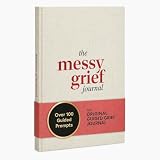
- A GRIEF JOURNAL THAT MEETS YOU WHERE YOU ACTUALLY ARE - Unlike generic bereavement books, The Messy Grief Journal was created for the real, unfiltered experience of loss - not the tidy, "five stages" version. With 100+ guided prompts covering how grief reshapes you, cherished memories, love & loss, and finding your footing again, this journal gives your grief the room it actually needs. No timelines. No rules. Just you and the truth of your experience.
- THOUGHTFULLY GUIDED WRITING PROMPTS FOR GRIEF & HEALING - Every page is intentionally crafted to help you remember, release, reflect, and survive. Prompts guide you through preserving precious memories before time blurs the details, processing emotions that feel too heavy to hold inside, and recognizing your own resilience - in your own words, at your own pace. Used by those navigating the loss of a parent, spouse, child, family, or close friend.
- THE SYMPATHY GIFT THAT ACTUALLY HELPS - When words fail, this journal speaks. The Messy Grief Journal is one of the most meaningful sympathy gifts, condolence gifts, and bereavement gifts you can give - because it offers something most people can't: a private, judgment-free space to grieve honestly. Beautifully presented in a premium hardcover, it arrives ready to gift for memorial services, funerals, or simply showing up for someone who is hurting.
- PREMIUM HARDCOVER JOURNAL - BUILT FOR LASTING USE - Available in two stunning colorways - Forest Green with gold foil lettering and Natural Linen with deep red type - this hardcover grief journal is designed to be kept, referenced, and returned to for years. Lay-flat binding makes writing comfortable on every page. A product that looks as meaningful as it feels, whether sitting on a nightstand or tucked into a grief support bag. Size: 8.2" x 5.7
- FOR ANYONE IN THE MESSY MIDDLE OF GRIEF - This journal is for the person who doesn't feel "better yet." The one still carrying grief months or years later. Whether you're navigating fresh loss or sitting with grief that never fully left, this journal meets you there. A powerful tool for self-guided grief support, therapy journaling, loss of loved one healing, and emotional wellness. Part of the My Resilient Journey wellness series.
Build a manageable first routine
Recovery is easier to approach as a series of small actions than as a demand to “get back to normal.” Choose the next safe, useful step and adjust it to your circumstances.
Keep a few anchors in the day
When much of life is uncertain, retain whatever structure is possible: a regular wake time, meals at roughly consistent times, a familiar daily activity, or a brief check-in with someone you trust. The goal is not a perfect schedule. A few predictable points can make decisions less exhausting.
Care for your body
Eat as regularly as circumstances allow and protect time for sleep. If you are able and local conditions are safe, try a walk, gentle movement, stretching, or another activity you normally enjoy. Deep breathing may help some people settle physical tension. Stop or modify any activity that causes pain, dizziness, breathing trouble, or a sense of danger.
Take recovery in small steps
Break paperwork, cleanup, calls, and errands into short tasks. If you return to a damaged property, follow local authorities’ directions about when and how to enter, wear the protective equipment they require, and take breaks for water, food, and rest. Cleanup can be emotionally and physically demanding; asking another person to work with you can reduce isolation and improve safety.
Use connection deliberately
Tell a trusted friend or family member what you need rather than assuming they know. You might ask for a ride, a meal, help with forms, childcare, a quiet conversation, or company while sorting belongings. A peer or support group can provide a place to share experiences with people who understand disaster recovery. You can participate without telling every detail of what happened.
Limit repeated exposure to coverage
News and social-media updates can provide useful information, but continuous images and speculation can increase anxiety or make you relive the fire. Choose specific times to check reliable updates, turn off autoplay where possible, and take breaks when coverage leaves you more distressed. Ask a trusted person to relay essential changes if monitoring alerts is exhausting.
Do these 3 things before closing this tab:
1Fix the driver behind crashes, sound loss and screen glitches2Repair Windows errors before they cause bigger problems3Scan for outdated or missing drivers - takes under a minuteAvoid coping methods that add risk
Alcohol, drugs, tobacco, and medication not prescribed to you can compound sleep, mood, health, and safety problems. If you notice increasing use, tell a doctor, counselor, or another professional. Asking for help is safer than trying to manage escalating use privately.
Consider optional journaling
SAMHSA suggests writing thoughts down if you wake at night and feel troubled. A notebook or phone note may help some people identify worries or questions for a professional. It is optional, not a treatment, and you can stop if writing intensifies distress.
Support children and teenagers without assuming a script
Children and teens may worry that another fire will happen. They can become withdrawn, irritable, angry, clingy, or unusually quiet. Some show distress through sleep, stomach, school, or behavior changes rather than a direct conversation.
- Give age-appropriate, honest information about what is known and what adults are doing to keep them safe.
- Keep familiar routines such as meals, schoolwork, play, bedtime, or contact with relatives when circumstances permit.
- Invite questions more than once; a child may need time before describing a fear.
- Limit repeated viewing of graphic footage and help them take breaks from adult conversations.
- Watch for persistent changes that interfere with sleep, school, relationships, or ordinary activities, and seek professional guidance when needed.
Do not require a child to talk about the fire in a particular way. Drawing, play, movement, or quiet companionship may be more comfortable than a formal discussion.
Recommended Free Tools
Account for older adults, responders, and recovery workers
Older adults
Older adults may need additional social support after evacuation or relocation. Mobility, transportation, medication, hearing, vision, or independence barriers can make ordinary coping advice impractical. Ask what assistance preserves their choices: transportation to appointments, help replacing medications, a phone check-in, or support navigating temporary housing. Do not assume that withdrawal means they do not want contact.
Responders and recovery workers
Responders and people involved in cleanup or recovery may face separation from loved ones, repeated exposure to loss, long hours, and mental fatigue. Being useful does not make someone immune to distress. Build in food, hydration, rest, contact with family, and an opportunity to speak with a supervisor or behavioral-health professional. Watch for impaired concentration, unsafe exhaustion, escalating substance use, or symptoms that persist after the work slows.
Rank #4

- A Guided Grief Journal to Navigate Loss and Honor Memories - Grief is a process, experienced in waves of intense sadness and feelings of separation. The loss of a loved one is not something we "get over." This journal has clear instructions, thoughtful prompts, and inspiring entries to reflect on cherished memories and navigate loss. It's a heartfelt gift, featuring a red cardinal on the linen hardcover and presented in a beautiful gift box.
- 4 Sections: 38 Topics, 4 Inspiring Entries, 1 Feelings Chart - The journal features four sections of prompts at the beginning: A Proper Goodbye, Putting Feelings Into Words (including a practical feelings chart), Memories Become Stories, and Love Passed On. It offers diverse thoughtful reflections on memories, love, gratitude, and the enduring impact of a loved one's legacy. These prompts inspire individuals to delve into their emotions and memories, fostering a reflective and coping experience.
- Red Cardinal Design Conveys Comfort, Love, and Hope - The red foil debossed cardinal on the cover symbolizes hope and love, serving as a comforting reminder of the enduring bond with those who have left this world. This design makes it an ideal memorial or sympathy gift, conveying a sense of remembrance, love, and the belief that the departed soul is still spiritually present.
- Heartwarming Gift for Challenging Times - Suitable for memorial gifts or as a token in memory of a loved one. Whether offered as a "sorry for your loss" gift, a condolence gesture, or for funerals and memorials, it expresses sincere sympathy and provides solace and support.
- Premium Materials to Preserve Memories - Crafted with 100 GSM paper and a thread-bound lay-flat design for easy writing. Includes a linen hardcover, a ribbon marker, an elastic closure, and an inner pocket for tangible mementos. Features 24 prompt pages at the beginning, followed by undated wide-rule lined journaling pages. Measures 5.8 x 8.2 inches (14.8 x 21 cm) with 192 pages (96 sheets).
Returning home and facing reminders
Returning to a damaged or altered home can trigger grief, anger, numbness, or a sense that the fire is happening again. Follow current instructions from local authorities before entering an affected area. CDC return-home guidance dated April 30, 2026 emphasizes following official safety directions; conditions can include unstable structures, ash, debris, utility hazards, and poor air quality.
Plan the visit rather than forcing yourself through everything at once. Decide who will accompany you, how long you will stay, what protective equipment or supplies are required, and where you can take a break. Photographing damage, collecting documents, or sorting one room may be enough for one day. If a smell, sound, or object overwhelms you, pause, move to a safer place, and ask for support.
Crashes, No Sound, or Screen Glitches?
Random freezes, missing sound and display glitches usually trace back to one bad driver. Find and replace yours safely.Free scan · under a minutePC Slower Than It Used to Be?
A free scan shows the junk files, broken settings and background clutter dragging Windows down - then fixes them in one click.Free scan · Windows 10 & 11Reminders may continue long after the immediate danger has passed. An anniversary, a weather alert, smoke in the distance, or a siren can bring back strong reactions. Before a difficult date, identify a person to call, reduce optional demands, and plan a calming or meaningful activity. Renewed sadness is not evidence that you are back at the beginning.
Independent reader supportYour contribution helps us test, update, and keep practical guides available for everyone.When to seek more than self-care
Consider contacting a doctor, counselor, licensed mental-health professional, or local disaster mental-health service when distress is hard to manage, persists or worsens, disrupts relationships or ordinary activities, or is accompanied by increasing substance use. The American Red Cross identifies reactions lasting two weeks or longer as a reason to consider assistance. That is a prompt, not a diagnosis or a rule that requires you to wait two weeks.
SAMHSA’s grief guidance says that being stuck in deep, overwhelming grief for many months without progress toward usual activities may indicate a need for professional care. People can seek help sooner, including immediately after the fire. A professional can help distinguish expected stress reactions from problems needing treatment, discuss sleep or anxiety safely, and adapt care to disability, language, culture, age, and access.
Choose the support route that fits the situation
| Support route | Best fit | What it can offer | What to consider |
|---|---|---|---|
| Trusted person or peer group | You want connection, practical help, or shared experience. | Listening, companionship, help with daily tasks, and reduced isolation. | Peers are not a substitute for urgent or specialized clinical care. |
| Disaster Distress Helpline | You need immediate disaster-related emotional support in the United States or its territories. | Free call or text counseling and help thinking through next steps. | Availability, language access, and local services can vary. |
| Licensed behavioral-health care | Symptoms persist, worsen, impair functioning, or feel difficult to control. | Individualized assessment, counseling, and coordination with medical care when appropriate. | Ask about disaster experience, cost, insurance, transportation, privacy, and language. |
There is no requirement to prove that your loss is “serious enough.” Explain what has changed: sleep, concentration, work, relationships, appetite, substance use, fear, or ability to manage ordinary tasks. That information helps a professional decide what support is appropriate.
How to help a wildfire survivor
Offer specific, practical choices rather than a general “let me know if you need anything.” You could bring food, provide transportation, make a call together, watch children, help sort paperwork, or sit quietly. Ask before discussing graphic details or sharing updates.
- Listen without comparing the person’s loss with someone else’s.
- Accept mixed emotions, including anger, guilt, numbness, and relief.
- Do not impose a timetable or insist that talking is the only healthy response.
- Check in again after the first week, when public attention and practical help may decrease.
- Encourage professional or crisis support when distress is worsening, impairing daily life, or becoming unsafe.
- Respect privacy and ask permission before sharing photographs, stories, or details online.
Supporters need care too. Set limits, rest, eat, and ask others to share the work. You cannot provide emergency or clinical care by yourself.
A realistic recovery plan for the next seven days
- Confirm safety information. Check local authority instructions about evacuation zones, re-entry, air quality, utilities, and cleanup.
- Choose two body anchors. Set a wake time and identify simple meals or snacks you can access.
- Name one person. Tell them how to contact you and one concrete way they can help.
- Set a news boundary. Pick check-in times and mute nonessential alerts or autoplay.
- Complete one practical task. Make one call, replace one document, sort one box, or arrange one appointment.
- Add a brief restorative activity. Walk, stretch, breathe slowly, sit outdoors where safe, listen to music, or do something familiar and enjoyable.
- Review your functioning. If sleep, concentration, relationships, work, safety, or substance use is worsening, contact a professional or disaster-support service rather than waiting for a deadline.
Repeat or revise the plan as conditions change. Recovery is not a contest, and progress may look like maintaining safety, accepting help, or completing one ordinary task while grief remains present.
What recovery can and cannot be predicted
Some people feel intense distress that gradually eases. SAMHSA’s 2017 survivor tip sheet says intense grief often begins to ease within six months of a loss for many people. That is general context, not a clinical threshold, deadline, or promise for any individual. Others may improve sooner, need support for longer, or experience renewed distress around reminders and anniversaries.
Quick wins for a faster PC:
Scan for outdated or missing drivers - takes under a minuteDriver Scan →Repair Windows errors before they cause bigger problemsFix Now →Fix the driver behind crashes, sound loss and screen glitchesFind Drivers →No wildfire-specific prevalence estimate establishes how many survivors will experience a particular symptom or how long recovery must take. Your needs are better judged by safety, functioning, severity, and whether support is helping than by comparing yourself with an imagined average.
Quick Recap
Product prices and availability are accurate as of the date/time indicated and are subject to change. Any price and availability information displayed on Amazon at the time of purchase will apply.






Say something about this film