Free tools Windows power users keep installed
One-click scans. No signup required.
Justin Bieber’s 2025 comeback began with a surprise: after four years without a studio album, he teased SWAG with billboards and social posts on July 10, then released it hours later. The 21-track album paired a star-sized return with a looser, more collaborative sound and songs that brought family life, fame and public scrutiny into view. “Weirdest” is an interpretation, not a measurable ranking—but the release and its choices made this a comeback unlike a routine pop rollout.
What happened when Bieber returned with SWAG?
On July 10, 2025, billboards and social posts announced SWAG shortly before its surprise release. The Associated Press described it as Bieber’s seventh studio album, his first since Justice in March 2021, and his first since becoming a father. The 21-track count was reported by the AP from label Def Jam Recordings. The AP’s release report also quoted the label describing the record as reflective and personal; that is Def Jam’s characterization, not an independently verifiable measure of the songs.



The gap was an album gap, not four years of complete silence. Bieber made selected guest appearances and released other songs in the intervening period, as Pitchfork’s account of the release notes.
Why did the rollout feel so unusual?
A surprise rather than a conventional campaign
The billboards and social posts served as a brief lead-in, not a long public countdown. Releasing the album only hours after the teasers made the return feel abrupt by the standards of a major pop-star rollout. The surprise itself is documented; calling it a deliberate rejection of the usual playbook is an interpretation.
Collaborators shifted the musical frame
SWAG brought Bieber together with musicians and contributors including Dijon, Mk.gee, Lil B, Sexyy Red, Druski, Gunna, Cash Cobain, Tobias Jesso Jr. and 2 Chainz. Pitchfork also identifies Dijon, Mk.gee, Knox Fortune and Daniel Caesar among the producers, and Jesso as a key songwriter. The Hollywood Reporter, as relayed by Pitchfork, reported that Bieber held jam sessions at his Los Angeles home and traveled to Iceland to work on the album.
Those names mattered to the story around the music: Dijon and Mk.gee were associated in coverage with more left-field R&B and guitar-driven sounds than a conventional glossy pop-star framing. Rolling Stone treated the record’s collaborative, low-fi choices as part of an artistic departure. That description is critical interpretation, not a claim that every track sounds the same or that the album abandoned pop.
The album made personal life part of its public presentation
Coverage connected songs and interludes to fatherhood, Bieber’s marriage, paparazzi encounters and the strain of being publicly asked whether he is okay. The Los Angeles Times linked “Devotion” to the Biebers’ 2024 pregnancy announcement and “Dadz Love” to fatherhood; it also discussed paparazzi audio in “Butterflies,” the “Standing on Business” interlude and the “Therapy Session” conversation with Druski. These are reported connections and interpretations of material, not grounds to infer private facts or diagnose Bieber.
In the AP report, Def Jam said the record was inspired by Bieber’s devotion as a husband and father. The Los Angeles Times reported the birth of Jack Blues Bieber on August 23, 2024. The personal references gave listeners context for the album, while leaving the boundary between public art and private life intact.
Quick wins for a faster PC:
Clear out junk files and repair common Windows errorsFree Scan →Fix the driver behind crashes, sound loss and screen glitchesFind Drivers →Rank #3

- The Hal Leonard Pocket Music Dictionary By Hal Leonard Publishing Corporation EDT
Where should a listener start with the album?
Track choices offer a useful way into the record without treating any critic’s favorites as universal verdicts. The AP highlighted “Daisies,” “Devotion” with Dijon, “Go Baby,” “Walking Away” and “All I Can Take.” Rolling Stone singled out “Daisies,” “Devotion,” “Yukon,” “Zuma House,” “Glory Voice Memo” and “Butterflies.” The overlap on “Daisies” and “Devotion” makes them natural starting points; the broader selections show the range of tracks critics used to characterize the album.
One collaborator’s description helps explain the less conventional framing. Mk.gee, quoted by Pitchfork while relaying an earlier New York Times interview, said Bieber was “searching” and that “Anything that comes out of his mouth: That’s pop music.” It is a collaborator’s perspective, not a definitive account of the album’s sound.
Rank #4
What came before the comeback?
- March 2021: Bieber released Justice, his prior studio album.
- 2022: He began the Justice World Tour, then canceled it early because of health issues, according to Pitchfork. Rolling Stone quoted an earlier statement that he needed to prioritize his health; the cited reporting does not establish a more specific medical explanation.
- 2023: Pitchfork reported that Bieber sold his catalog to Recognition Music Group, then known as Hipgnosis, for a reported $200 million. That reported transaction does not establish that he intended to retire.
- August 23, 2024: The Los Angeles Times reported the birth of Jack Blues Bieber.
- July 10–11, 2025: Billboards and social posts teased SWAG, which arrived as a surprise release.
How successful was SWAG?
Rolling Stone reported that SWAG debuted at No. 2 behind Travis Scott and called it the biggest-streaming debut of Bieber’s career. Those are Rolling Stone’s reported claims; the cited coverage does not provide the underlying chart table or methodology. They indicate the scale of the return as that outlet described it, but they should not be mistaken for independently detailed sales or streaming totals.
Rolling Stone also framed the album as an artistic high point. That is a critical judgment, not consensus: a comeback can be commercially prominent and creatively distinctive without every listener or reviewer agreeing on its merits.
The Tool Desk
Outbyte PC Repair FREEClear out junk files and repair common Windows errorsFree Scan →Outbyte Driver Updater FREEFix the driver behind crashes, sound loss and screen glitchesFind Drivers →Best Value

- Each Book Includes My EE Library Start-up Video learn the basics Play-along mp3 features a professional player on your instrument Duets and Trios print and play parts with friends Music Listening Library hear great pieces for band SmartMusic exercises 1-100 Enhanced Learning System Book 1 uses unmeasured Long Tones to establish good tone production from the very beginning, and uses Quarter Notes to teach pulse and rhythm. By exercise 14 your students wil
How did the comeback continue at Coachella in 2026?
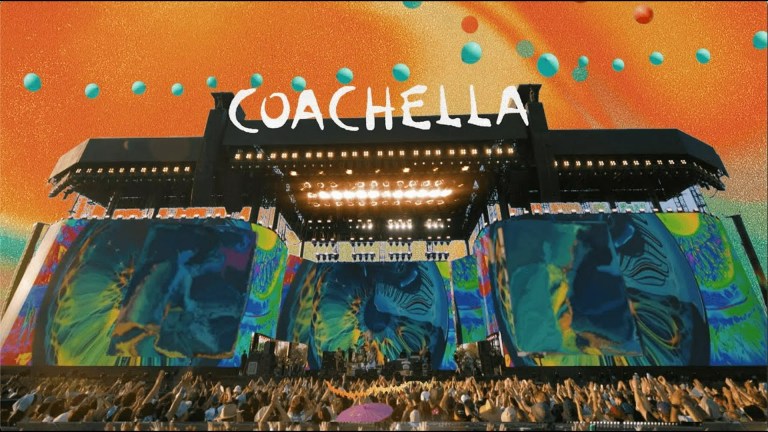
On April 11, 2026, Bieber headlined Coachella, extending the SWAG era into a major live setting. Pitchfork reported that the set leaned on SWAG and SWAG II, featured Tems, Wizkid, The Kid Laroi, Mk.gee and Dijon, and included Bieber playing old YouTube clips while singing along to earlier hits such as “Baby,” “Favorite Girl” and “Beauty and the Beat.”
The staging and reception did not produce a single critical verdict. The Guardian described a minimalist setup centered on Bieber, a microphone and a laptop livestream, and characterized the audience response as mixed; its review gave the performance’s duration as 90 minutes. The set’s contrast between new material and archival clips made the performance part of the comeback narrative, but not a universally celebrated ending.
Quick Recap
Product prices and availability are accurate as of the date/time indicated and are subject to change. Any price and availability information displayed on Amazon at the time of purchase will apply.