In an archival duet associated with Gandharva Mahavidyalaya, singers Narayanrao Vyas and Vinayakrao Patwardhan perform a verse in thumri style, in raag Kafi and set to Deepchandi taal. Both were disciples of the school’s founder, Vishnu Digambar Paluskar. The recording’s musical details and the school’s history are described in Aneesh Pradhan’s Scroll.in feature published on 5 May 2018.
Who performs the duet?
The singers are Narayanrao Vyas (1902–1984) and Vinayakrao Patwardhan (1898–1975), both trained directly under Paluskar in Bombay. Pradhan’s account describes them as successful disciples who went on to careers as performers and teachers. They were also popular performers at public Ganesh Chaturthi celebrations, according to his 2015 companion feature.
| # | Preview | Product | Price | |
|---|---|---|---|---|
| 1 |

|
Masters of Indian Classical Music | $16.87 | Buy on Amazon |
| 2 |
|
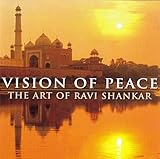
Vision Of Peace - The Art Of Ravi Shankar (2 CD) | $16.82 | Buy on Amazon |
| 3 |

|
Vol. 2-Masters of Indian Classical Music | $14.76 | Buy on Amazon |
| 4 |

|
Indian Classical Interactions | $18.80 | Buy on Amazon |
What raag and taal are used?
Raag Kafi and thumri style
The 2018 feature identifies the selection as a verse in thumri style, composed in raag Kafi. It notes that the verse includes Surdas’s pseudonym; the exact lyric transcription and composition title are not established in the article.
Deepchandi’s 14-beat cycle
The accompaniment is set to Deepchandi, a taal with a cycle of 14 matras (beats), as identified by Pradhan. The cycle provides the rhythmic framework for the verse; it is distinct from the rag, which concerns melodic organization.
Recommended Free Tools
#1 Best Overall
How did Gandharva Mahavidyalaya begin?
Paluskar founded Gandharva Mahavidyalaya in Lahore on 5 May 1901. The school formed part of an educational project that joined formal graded study and examinations with the guru-shishya relationship between teacher and pupil. Its facilities included a hostel, an instrument repair section and a Sangeet Printing Press. Paluskar opened a Bombay branch in 1908 and soon moved the headquarters there. Pradhan’s 2018 feature says he taught at the school until 1915.
After Paluskar’s death in 1931, Patwardhan and fellow disciples established Gandharva Mahavidyalaya Mandal to continue music education and organize examinations and conferences, according to Pradhan’s 2015 account.
Rank #2
How does this duet differ from the pair’s other recordings?
The Kafi and Deepchandi performance is not the same excerpt as two other duets discussed in the 2015 feature. Those recordings have different ragas, rhythmic cycles and musical treatments:
| Excerpt | Raag | Taal | What the account says |
|---|---|---|---|
| Featured archival verse | Kafi | Deepchandi, 14 matras | Thumri style; includes Surdas’s pseudonym. (Scroll.in, 2018) |
| Separate duet excerpt | Bageshree | Jhaptaal, 10 matras | A short Paluskar composition; the account describes its khayal treatment as giving priority to raag elaboration rather than devotional text. (Scroll.in, 2015) |
| Separate duet | Malgunji | Ektaal, 12 matras | A vilambit composition. (Scroll.in, 2015) |
These descriptions concern separate recordings, not alternate versions of the Kafi selection.
Quick Recap
Rank #4
Product prices and availability are accurate as of the date/time indicated and are subject to change. Any price and availability information displayed on Amazon at the time of purchase will apply.




