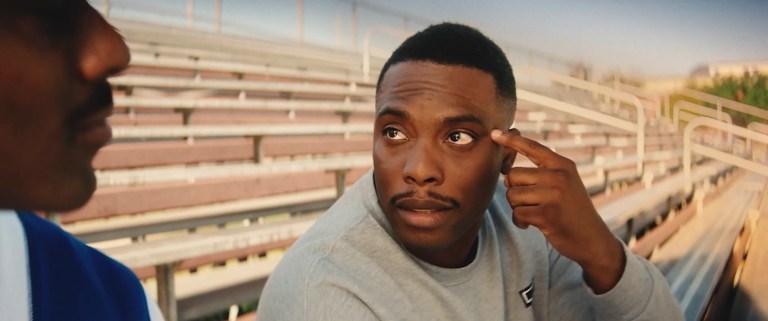
For most network dramas, surviving one cancellation is rare. Surviving two borders on unprecedented. Yet S.W.A.T. has quietly turned cancellation into a recurring plot twist, one that says as much about CBS’ evolving priorities as it does about the show’s stubborn durability.
The irony is that S.W.A.T. has already played the “final episode” card more than once. CBS initially canceled the Shemar Moore-led drama in May 2023, only to reverse course days later after internal negotiations reshaped the show’s financial model. That eleventh-hour save turned Season 7 into a victory lap of sorts, with the network framing it as a proper sendoff for one of its longest-running action procedurals.
| # | Preview | Product | Price | |
|---|---|---|---|---|
| 1 |

|
S.W.A.T.: Seasons 1-4 Collection | $99.99 | Buy on Amazon |
| 2 |

|
S.W.A.T.: Season Two | Buy on Amazon |
Then came the second cancellation, announced with far less ceremony. Despite respectable ratings and a loyal audience, CBS again declared Season 7 would be the end, positioning the move as part of a broader strategy shift toward younger-skewing franchises and cost-controlled programming. Once more, S.W.A.T. was labeled a “series finale” before cameras had even stopped rolling.
A Business Decision That Didn’t Fully Add Up
On paper, the cancellation made sense. S.W.A.T. is a veteran show with rising above-the-line costs, and CBS has been aggressively pruning older scripted series to make room for expanding universes like NCIS and FBI. The network also faces increasing pressure to balance linear ratings with streaming value, an area where newer titles often get priority.
Do these 3 things before closing this tab:
1Fix the driver behind crashes, sound loss and screen glitches2Repair Windows errors before they cause bigger problems3Scan for outdated or missing drivers - takes under a minute#1 Best Overall
- Boxset Collection
- Widescreen
- Region 1 DVD
But the math wasn’t as clean as it looked. S.W.A.T. continued to deliver steady same-day numbers, performed reliably on Paramount+, and remained a strong international seller through Sony Pictures Television. Unlike many aging dramas, it still played as a global brand, not just a domestic time-filler.
Fan Noise, Franchise Value, and One More Reversal
As with the first save, fan reaction played a meaningful role. Social media campaigns reignited almost immediately, echoing the backlash that followed the 2023 cancellation. More importantly, industry chatter suggested CBS and Sony reopened financial talks, ultimately finding a framework that made an abbreviated Season 8 viable without overcommitting long-term resources.
The result is another surprise renewal that feels less like a reversal of principle and more like a pragmatic compromise. S.W.A.T. wasn’t rescued out of sentimentality; it was preserved because it still fills a valuable lane in CBS’ schedule. In doing so, the show has become a case study in how long-running crime dramas can survive multiple death sentences in an era where few series are afforded even one.
The Ratings Reality Check: Linear Viewership, Streaming Strength, and Why the Numbers Still Worked
For all the talk of shifting strategies and cost-cutting, S.W.A.T.’s actual performance never collapsed in the way canceled shows usually do. Its linear ratings were not breakout hits, but they were steady, predictable, and competitive within CBS’ expectations for a veteran procedural. In an era where consistency often matters more than growth, that stability carried real weight.
What’s actually slowing this PC down?
Pick the symptom - the matching free tool is one click away.
The show’s ability to hold its audience year over year, even as overall broadcast viewership declined, quietly strengthened its case. CBS knew exactly what S.W.A.T. delivered every week, and more importantly, what it didn’t: volatility.
Linear TV: Not a Smash, But Not a Liability
On broadcast, S.W.A.T. functioned as a reliable workhorse. It rarely won its time slot outright, but it also didn’t crater, particularly on nights where CBS programs for durability rather than buzz. For a Friday or late-week schedule, that kind of performance is often considered a win.
Advertiser appeal also played a role. While the show skews slightly older than newer franchise entries, it still attracts a broad, balanced audience that advertisers understand and trust. That predictability makes sales conversations easier, even when the ratings ceiling is clearly defined.
Delayed Viewing and the Quiet Value of DVR
Like many procedurals, S.W.A.T. benefits significantly from delayed viewing. Its audience has been trained to time-shift, with Live+7 lifts that consistently improve its standing compared to same-day numbers. Those gains don’t generate headlines, but they matter deeply in internal evaluations.
Quick wins for a faster PC:
Scan for outdated or missing drivers - takes under a minuteDriver Scan →Clear out junk files and repair common Windows errorsFree Scan →Crime dramas, more than most genres, thrive on this viewing behavior. CBS knows that shows like S.W.A.T. are often consumed on the viewer’s schedule, not the network’s, and it adjusts expectations accordingly.
Streaming Performance Changed the Conversation
Where S.W.A.T. truly strengthened its survival case was off the broadcast clock. The series has remained a strong performer on streaming, particularly on Paramount+, where library depth and episode volume are strategic assets. Long-running procedurals drive sustained engagement, not just premiere spikes.
That streaming endurance helps justify renewal math that linear ratings alone might not. A new show may launch bigger, but it also carries risk. S.W.A.T., by contrast, delivers proven hours that continue to be watched long after initial airing.
International Sales and the Sony Factor
Another piece of the puzzle sits outside CBS entirely. As a Sony Pictures Television production, S.W.A.T. remains a valuable international property, with strong performance in global markets that favor American action procedurals. Those licensing deals offset costs in ways that purely domestic analysis can’t capture.
Crashes, No Sound, or Screen Glitches?
Random freezes, missing sound and display glitches usually trace back to one bad driver. Find and replace yours safely.Free scan · under a minutePC Slower Than It Used to Be?
A free scan shows the junk files, broken settings and background clutter dragging Windows down - then fixes them in one click.Free scan · Windows 10 & 11This global footprint made an abbreviated Season 8 easier to rationalize. Even a shorter run still feeds a worldwide pipeline, extending the show’s value beyond U.S. ratings charts.
Why “Good Enough” Was Actually Enough
The key to S.W.A.T.’s second uncancellation is that its numbers didn’t need to be exceptional. They needed to be dependable across platforms, financially manageable, and strategically useful. When CBS reexamined the full picture, the show checked just enough boxes to survive once more.
In a landscape where many series are canceled before they ever find an audience, S.W.A.T.’s ability to remain solid rather than spectacular ultimately became its greatest asset.
Behind the Scenes at CBS: Franchise Value, Scheduling Gaps, and the Cost-Benefit Math
By the time CBS revisited S.W.A.T.’s fate for a second time, the decision was no longer just about whether the show was thriving. It was about whether canceling it created more problems than keeping it. In a tightly packed schedule with fewer reliable bench players, stability suddenly carried real weight.
Recommended Free Tools
A Known Quantity in an Unstable Schedule
CBS entered the current season facing an unusual mix of challenges, including strike-related delays, shorter episode orders, and development pipelines that were slower than normal. That left gaps where proven programming mattered more than theoretical upside. S.W.A.T., even in a reduced episode count, offered a dependable solution.
Unlike an untested replacement, the series comes with a built-in production rhythm, an established audience, and minimal creative risk. From a scheduling standpoint, that reliability is invaluable, especially on nights where CBS prioritizes consistency over experimentation.
The Franchise Effect Still Matters
While S.W.A.T. never spun off into a multi-show universe, it operates like a franchise in miniature. The brand is recognizable, the premise evergreen, and the episodic structure endlessly repeatable. That makes it easy to plug into both broadcast and streaming ecosystems without audience retraining.
For CBS, that familiarity translates into marketing efficiency. Promoting S.W.A.T. costs less than launching something new, and viewers know exactly what they’re getting. In an era of audience fatigue, that predictability works in the show’s favor.
The Real Cost-Benefit Equation
From a pure accounting perspective, S.W.A.T. sits in a rare sweet spot. While veteran casts are more expensive, those costs are partially offset by Sony’s financial participation and international sales. CBS isn’t shouldering the full burden, which changes the renewal calculus dramatically.
Canceling the show would mean replacing it with a series that might cost just as much, if not more, without any guarantee of retention. Renewing S.W.A.T. for Season 8, even in a scaled-back form, offered a cleaner balance sheet and fewer unknowns.
Fan Loyalty as a Strategic Asset
The audience response also played a quieter but meaningful role. S.W.A.T.’s fanbase has proven unusually vocal, organized, and persistent across social platforms. While networks don’t renew shows purely on fan campaigns, sustained engagement does reinforce a show’s cultural relevance.
That loyalty signals something executives pay close attention to: durability. A series that inspires viewers to fight for it is more likely to maintain its audience through scheduling changes, shorter seasons, or eventual transitions to streaming-first availability.
What This Signals for Long-Running Crime Dramas
S.W.A.T.’s second uncancellation underscores a broader truth about network crime dramas in 2026. Longevity is no longer about winning the night; it’s about filling strategic needs across platforms. Shows that are flexible, globally viable, and financially shared have a much longer runway.
For CBS, renewing S.W.A.T. wasn’t an emotional reversal. It was a pragmatic decision shaped by franchise value, scheduling reality, and a cost-benefit analysis that still tilted in the show’s favor.
The Fan Factor: How Viewer Loyalty, Social Media Campaigns, and Audience Demographics Mattered
For all the spreadsheets and scheduling models, S.W.A.T.’s survival still hinged on something harder to quantify: how reliably its audience showed up and how loudly they made themselves heard when the show was threatened. This wasn’t just noise; it was consistent, measurable engagement that CBS could track across platforms and time slots.
In an era when many broadcast dramas see steep erosion after year five, S.W.A.T. maintained a level of viewer stability that made its fanbase impossible to ignore.
Audience Consistency Over Flashy Peaks
S.W.A.T. has rarely been a same-night ratings juggernaut, but it has excelled at something networks increasingly value more: retention. The series performs steadily in Live+7 and streaming-delayed viewing, indicating that audiences actively seek it out rather than stumble upon it.
That pattern signals appointment viewing, even if it’s time-shifted. For CBS, that kind of loyalty is more valuable than a one-season spike followed by rapid decline.
Why the Demographics Still Work for CBS
While S.W.A.T. skews slightly older than some newer procedurals, it remains competitive in the 25–54 demo that advertisers still prioritize for broadcast buys. More importantly, the show draws a racially diverse audience, aligning with CBS’s broader push to maintain inclusive programming without alienating its core viewers.
That balance matters. S.W.A.T. bridges traditional network sensibilities with a cast and storytelling perspective that plays well in urban markets and internationally, reinforcing its value beyond domestic overnights.
Social Media Campaigns That Refused to Fade
The show’s fans didn’t just rally once; they organized repeatedly. Each cancellation announcement was met with coordinated hashtag campaigns, cast amplification, and sustained engagement rather than a short-lived spike of outrage.
Networks may not renew shows based on petitions, but they do notice when conversation persists weeks later. That longevity suggested a fanbase that wouldn’t abandon the series quietly, even if Season 8 arrived in a modified or reduced form.
Engagement That Extends Beyond Linear TV
S.W.A.T.’s online footprint has consistently outperformed many shows with similar ratings. Clips circulate well on social platforms, character-focused moments generate discussion, and episodes remain sticky on streaming services long after their initial airdate.
That kind of engagement extends the show’s shelf life. For CBS and Sony, it reinforced the idea that S.W.A.T. functions less like a fading broadcast drama and more like a durable franchise with multiple touchpoints keeping it alive.
Free tools Windows power users keep installed
One-click scans. No signup required.
Why This Time Is Different: What a Second Un-Cancellation Signals for S.W.A.T.’s Long-Term Future
A show surviving one cancellation can be framed as an anomaly. Surviving two suggests a recalibration at the network level. With S.W.A.T.’s Season 8 renewal, CBS isn’t just responding to fan noise or short-term scheduling needs; it’s redefining how value is measured for legacy crime dramas in a fractured TV economy.
This time, the reversal feels strategic rather than reactive. The conditions surrounding the renewal point to a show that has crossed from bubble status into something closer to institutional stability.
Rank #2
- Factory sealed DVD
From Ratings Math to Portfolio Thinking
Earlier renewal scares centered almost entirely on linear ratings comparisons. Season 8 arrives after CBS has clearly broadened the equation, weighing delayed viewing, streaming performance, and international licensing as part of a larger portfolio approach.
S.W.A.T. may not dominate overnight numbers, but it consistently fills hours with dependable performance and minimal volatility. For a network managing an aging slate and rising production costs, predictability has become a premium asset.
The Tool Desk
Outbyte PC Repair FREEClear out junk files and repair common Windows errorsFree Scan →Outbyte Driver Updater FREEFix the driver behind crashes, sound loss and screen glitchesFind Drivers →The Economics of a Mature, Efficient Production
By Season 8, S.W.A.T. is no longer an expensive experiment. Production workflows are streamlined, the creative team is seasoned, and the series benefits from economies of scale that newer shows simply don’t have.
That matters when cost-cutting conversations dominate boardrooms. Renewing an established drama with known expenses can be safer than gambling on an untested replacement that may require higher upfront investment with no guarantee of audience retention.
A Franchise That Travels Well Beyond CBS
Sony’s ownership of S.W.A.T. has quietly strengthened its long-term viability. The show performs reliably in global markets and maintains strong afterlife value through streaming and syndication, giving it revenue legs that extend far beyond its domestic run.
That global durability helps explain why the show keeps finding its way back. When a series works internationally, cancellation becomes less about performance and more about timing, and timing can be renegotiated.
What’s actually slowing this PC down?
Pick the symptom - the matching free tool is one click away.
What Season 8 Says About CBS’s Broader Strategy
Renewing S.W.A.T. again signals that CBS is less interested in chasing the next breakout hit and more focused on sustaining a stable ecosystem of dependable performers. In an era where audience erosion is expected, holding ground is often the real victory.
It also underscores a renewed respect for audience loyalty. When viewers repeatedly demonstrate they will follow a show across platforms and seasons, networks are increasingly inclined to meet them halfway.
A New Template for Long-Running Network Crime Dramas
S.W.A.T.’s second un-cancellation reframes the future for veteran procedurals across broadcast television. Longevity is no longer defined by constant growth, but by resilience, adaptability, and multi-platform relevance.
Season 8 positions S.W.A.T. less as a series on borrowed time and more as a durable pillar that CBS can lean on while navigating an uncertain programming landscape. In today’s television climate, that may be the strongest vote of confidence a crime drama can receive.
Do these 3 things before closing this tab:
1Clear out junk files and repair common Windows errors2Scan for outdated or missing drivers - takes under a minute3Repair Windows errors before they cause bigger problemsThe Bigger Picture for CBS Crime Dramas: Aging Hits, Franchise Durability, and Network Strategy
CBS’s decision to bring S.W.A.T. back yet again can’t be viewed in isolation. It reflects a network recalibrating how it values longevity, audience consistency, and brand reliability at a time when traditional broadcast metrics are under pressure from every direction.
Rather than aggressively cycling through new series, CBS is increasingly leaning into shows that have proven they can weather industry volatility. S.W.A.T. fits that model precisely, even as it enters territory once considered the danger zone for network dramas.
Aging Hits in a Younger Market
Network crime dramas are aging differently than they did a decade ago. While linear ratings naturally soften over time, shows like S.W.A.T. compensate with delayed viewing, streaming engagement, and a loyal fan base that doesn’t abandon ship at the first sign of uncertainty.
For CBS, that consistency matters more than raw overnight numbers. A dependable 6- or 7-year-old drama that still commands attention across platforms can be more valuable than a freshman series that spikes briefly and collapses.
Why Crime Franchises Still Anchor CBS
CBS has long treated crime dramas as infrastructure rather than experimentation. From NCIS to FBI to S.W.A.T., these shows create scheduling stability, audience habit, and cross-promotional strength that few other genres can match.
S.W.A.T.’s renewal reinforces that philosophy. It may not be a traditional franchise with spinoffs, but its tonal clarity and procedural reliability allow it to function like one, delivering predictable returns in an unpredictable market.
Fan Investment as a Business Variable
The second un-cancellation also highlights how visible fan engagement now factors into renewal math. The response to S.W.A.T.’s prior cancellations wasn’t just loud, it was sustained, organized, and measurable across social platforms and viewing patterns.
CBS doesn’t renew shows solely because fans ask, but when audience passion aligns with manageable costs and steady performance, it becomes a compelling argument. Season 8 suggests CBS is listening more closely than it once did.
Recommended Free Tools
A Network Playing Defense, Strategically
At its core, renewing S.W.A.T. is a defensive move, and a smart one. With broadcast viewership shrinking industry-wide, CBS is prioritizing retention over reinvention, opting to protect what still works rather than chase uncertain replacements.
That strategy positions long-running crime dramas not as relics, but as stabilizers. In that framework, S.W.A.T.’s survival isn’t an anomaly, it’s a case study in how modern network television is redefining success.
What to Expect in Season 8: Creative Direction, Cast Stability, and Storytelling Stakes
With S.W.A.T. surviving not one but two cancellation calls, Season 8 arrives with a rare combination of relief and pressure. The show has earned another chapter, but it also understands that each episode now carries the weight of justification. That awareness is likely to shape everything from storytelling choices to production priorities.
A Creative Reset Without Reinvention
Season 8 is expected to double down on what S.W.A.T. does best rather than attempt a late-stage reinvention. The series has historically thrived on grounded, street-level cases filtered through a socially conscious lens, and CBS has little incentive to disrupt that formula now. Instead, the creative direction will likely emphasize sharper case-of-the-week storytelling with character arcs that progress in clean, accessible increments.
Free tools Windows power users keep installed
One-click scans. No signup required.
That approach aligns with the network’s broader philosophy for veteran dramas. CBS favors clarity and reliability over bold experimentation this late in a show’s run, especially when the goal is to maintain audience habit across linear and streaming platforms.
Cast Stability as a Strategic Asset
One of S.W.A.T.’s biggest advantages entering Season 8 is its unusually stable core cast. Shemar Moore remains the series’ anchor, both on screen and as a key promotional asset, while the ensemble around him has avoided the kind of turnover that often signals a show in decline. That continuity keeps production efficient and reinforces the emotional investment that long-time viewers have built over seven seasons.
From a business standpoint, retaining a familiar ensemble also limits risk. Audiences who stuck with S.W.A.T. through multiple cancellation scares did so because of these characters, and CBS knows better than to destabilize the very element that helped drive the show’s renewal case.
Higher Narrative Stakes, Subtly Applied
While S.W.A.T. isn’t expected to suddenly become serialized prestige television, Season 8 will likely raise the stakes in quieter but deliberate ways. Personal consequences, professional crossroads, and evolving team dynamics can add weight without alienating casual viewers. These are the kinds of story tools long-running procedurals use to feel fresh without breaking format.
There is also an unspoken meta-stakes element at play. Writers are aware that every season beyond this point may be treated as a potential final chapter, which often results in more purposeful storytelling and fewer disposable episodes.
A Season Built to Endure, Not Escalate
Ultimately, Season 8 looks designed to reinforce S.W.A.T.’s value as a steady performer rather than chase viral moments or dramatic tonal shifts. CBS didn’t bring the show back to take creative risks; it renewed it because S.W.A.T. reliably fills a role in the schedule and in the broader crime-drama ecosystem.
That mindset shapes expectations. Viewers should anticipate a confident, focused season that understands its place in the lineup and plays to its strengths, proving once again why this series has outlasted not just cancellation, but the industry turbulence surrounding it.
A Case Study in Survival: What S.W.A.T.’s Renewal Reveals About Modern Network Television
S.W.A.T.’s second resurrection is less a miracle than a blueprint. In an era when linear ratings alone no longer decide a show’s fate, CBS has repeatedly recalculated the series’ value across platforms, partners, and audience loyalty. What once looked like a straightforward cancellation became, on closer inspection, a strategic misfire the network was unwilling to repeat.
Why Cancellation Didn’t Stick
On paper, S.W.A.T. sits in the middle tier of broadcast performers, but modern network math is far more nuanced. The show consistently delivers dependable same-day ratings, but its real strength lies in delayed viewing, streaming engagement, and international sales. When those numbers are combined, S.W.A.T. quietly outperforms many newer, more expensive dramas that lack its global footprint.
Cost control also plays a decisive role. By Season 8, production is streamlined, creative processes are efficient, and the show no longer carries the developmental risk of an untested series. For CBS, canceling S.W.A.T. twice meant confronting the uncomfortable reality that replacing it would likely cost more while delivering less stability.
The Power of a Vocal, Organized Audience
Fan response has become impossible for networks to ignore, and S.W.A.T.’s audience proved unusually effective. Social media campaigns, strong streaming spikes after cancellation announcements, and visible cast engagement created a feedback loop that extended beyond sentiment and into measurable demand. CBS didn’t reverse course because of hashtags alone, but those campaigns highlighted how much value the show still generated.
That engagement matters in an increasingly fragmented market. A loyal, mobilized audience signals predictability, something advertisers and streaming partners crave. In that sense, S.W.A.T.’s fans didn’t just save the show emotionally; they helped justify it economically.
What This Means for Long-Running Crime Dramas
S.W.A.T.’s renewal underscores a broader shift in how procedural dramas are evaluated. Longevity is no longer a liability if a show can remain adaptable, cost-effective, and culturally visible. Crime dramas that once would have been quietly phased out now have a second life if they anchor schedules, feed streaming libraries, and maintain brand recognition.
It also suggests networks are more cautious about cutting reliable performers in favor of chasing the next breakout hit. In a volatile television economy, familiarity has regained value, and shows like S.W.A.T. are increasingly viewed as infrastructure rather than expendable content.
Ultimately, S.W.A.T.’s survival story isn’t just about one series beating the odds twice. It’s a clear signal that modern network television rewards consistency, audience loyalty, and multi-platform strength over raw overnight numbers. For long-running procedurals willing to evolve without abandoning their identity, the door to survival remains very much open.
Quick Recap
Product prices and availability are accurate as of the date/time indicated and are subject to change. Any price and availability information displayed on Amazon at the time of purchase will apply.
The Tool Desk
Outbyte PC Repair FREEClear out junk files and repair common Windows errorsFree Scan →Outbyte Driver Updater FREEFix the driver behind crashes, sound loss and screen glitchesFind Drivers →