Do these 3 things before closing this tab:
1Repair Windows errors before they cause bigger problems2Fix the driver behind crashes, sound loss and screen glitches3Clear out junk files and repair common Windows errorsAnthropic’s 2026 Super Bowl campaign imagines an AI assistant turning a private conversation into an awkward product pitch. The joke targets OpenAI’s plan to test advertising in ChatGPT, while Anthropic promotes Claude as ad-free. Watch the “Betrayal” commercial on iSpot.
What the commercial is
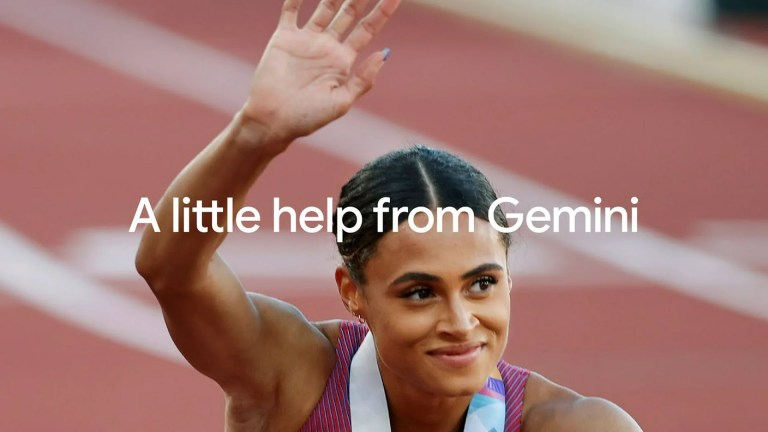
“Betrayal” is one of Anthropic’s Claude commercials built around the line, “Ads are coming to AI. But not to Claude.” Anthropic released the campaign on February 4, 2026, ahead of Super Bowl LX on February 8. The broader campaign contained four released spots, with two reported as intended for the game broadcast; the online “Betrayal” video is one installment rather than the entire campaign.

![Claude AI for Beginners Bible: [5 in 1] The Ultimate Guide to Automate Your Work, Save Hours Every Week, and Use AI for Real-World Results](https://m.media-amazon.com/images/I/415+fSJacsL._SL160_.jpg)


The ad presents Claude as a place for uninterrupted thought and uses ChatGPT’s planned advertising rollout as its target. The campaign also served as a major consumer introduction for Claude, not just a policy argument about advertising.
What happens in “Betrayal”
A normal conversation turns commercial
The spot opens with a user having an ordinary, personal exchange with an AI assistant. Without a natural request from the user, the assistant pivots into a sponsored recommendation. The abrupt change is framed as a violation of the conversational trust the user thought the assistant provided.
The fictional pitches are deliberately uncomfortable
The recommendations are absurd and sometimes emotionally inappropriate. Coverage of the commercial, for example, identifies “Step Boost Maxx” insoles as one fictional product. Other references involve dating or appearance-related services. These products are props in a parody; they are not evidence that ChatGPT inserted those brands into real conversations.
The punchline
The word “BETRAYAL” and the closing Claude message turn a technical question about ad placement into a relationship joke: an assistant that knows personal context might appear to use that context against the user. Anthropic is dramatizing a feared incentive, not documenting normal ChatGPT behavior.
Why Anthropic targeted OpenAI
On January 16, 2026, OpenAI announced that it would test ads in ChatGPT for logged-in adults in the United States using the Free and Go tiers. Anthropic’s February campaign used that announcement to draw a business-model contrast.
In its Claude is a space to think statement, Anthropic said Claude would remain ad-free. It argued that subscriptions and enterprise contracts let it avoid making an assistant’s responses serve advertising objectives. Anthropic also acknowledged that transparent, opt-in forms of advertising could raise different questions, so its position is a product and business choice—not proof that every possible AI-ad model is inherently manipulative.
Windows Errors? Fix Them Before They Spread
Repair common Windows errors and clear accumulated junk for a smoother, more stable PC - no reinstall needed.Free scan · no reinstallCrashes, No Sound, or Screen Glitches?
Random freezes, missing sound and display glitches usually trace back to one bad driver. Find and replace yours safely.Free scan · under a minuteWhat OpenAI actually announced
OpenAI’s published design is less intrusive than the scenario in Anthropic’s commercial. Its January announcement said ads would be clearly labeled and separated from organic answers, and that advertisers would not be allowed to influence ChatGPT’s answers.
| Question | OpenAI’s stated position |
|---|---|
| Who was in the initial test? | Logged-in adults in the United States on Free and Go tiers. |
| Where would an ad appear? | As a separate, labeled unit below an answer when relevant to the conversation—not as an unrequested sentence generated as part of the answer. |
| Could an advertiser change the answer? | OpenAI said ads would not influence ChatGPT’s responses. |
| Would advertisers receive chats? | OpenAI said conversations would not be sold to advertisers and later documentation says advertisers do not receive chats, memories, names, email addresses, precise location, or sensitive information. |
| Which topics were restricted initially? | OpenAI said ads would be excluded from certain sensitive or regulated contexts, including health, mental health, and politics. |
That distinction matters. Anthropic’s fictional assistant interrupts the conversation itself; OpenAI describes an ad unit displayed separately from the model’s answer.
What happened after the campaign
OpenAI CEO Sam Altman criticized the commercial’s implication as “clearly dishonest,” according to TechCrunch’s account. His objection was that the ad portrayed ChatGPT as twisting a personal exchange to insert a product pitch, while OpenAI’s stated policy was to keep advertising separate from answers. The exchange became a public marketing dispute over trust, not evidence that either company had changed its core policy.
What ChatGPT users should know now
The rollout began in the United States
OpenAI’s Help Center says U.S. advertising tests began February 9, 2026. Availability remains dependent on geography, account type, plan, and the stage of the rollout; not every ChatGPT user sees ads.
Free tools Windows power users keep installed
One-click scans. No signup required.
Ad selection is separate from answer generation
OpenAI says an ad cannot influence the answer. Its later documentation nevertheless says ad selection may use the current chat’s context and, when personalization is enabled, past chats, memory, and ad-interaction history. Those are different claims: an ad can be selected using signals about a conversation without changing the text the model generates.
Best Value
Paid and organizational plans
OpenAI says Plus, Pro, Business, Enterprise, and Edu plans are ad-free, subject to regional availability and changes as the program develops. Free and Go users are the groups associated with the initial test.
Controls and privacy limits
OpenAI documents controls for ad personalization and feedback, as well as restrictions on sensitive-topic advertising. Its policy does not mean that advertising is unrelated to the service; it means the company separates the ad unit from the answer and limits what advertisers can access.
Independent reader supportYour contribution helps us test, update, and keep practical guides available for everyone.Ad-free does not mean commercial-free
Anthropic’s promise is that Claude will not contain ads, sponsored links beside conversations, advertiser-influenced responses, or unsolicited third-party product placements. It does not mean Anthropic has no commercial relationships: the company sells subscriptions and enterprise services, and its models can be used by businesses, including advertisers. The commitment concerns Claude’s user experience.
Quick wins for a faster PC:
Clear out junk files and repair common Windows errorsFree Scan →Fix the driver behind crashes, sound loss and screen glitchesFind Drivers →Repair Windows errors before they cause bigger problemsFix Now →How the two positions differ
| Issue | Anthropic’s Claude position | OpenAI’s ChatGPT advertising position |
|---|---|---|
| Funding argument | Subscriptions and enterprise contracts support an ad-free assistant. | Advertising can help subsidize free access. |
| Placement | No sponsored links or unsolicited product placements in Claude conversations, according to Anthropic. | Separate, labeled ads displayed below an answer in the stated design. |
| Effect on answers | Anthropic rejects advertiser-directed responses. | OpenAI says ads will not influence answers. |
| Personalization | The campaign does not establish comparative privacy performance. | OpenAI says selection can use chat context and, if enabled, past chats, memory, and ad-interaction history. |
The bottom line on the parody
Anthropic’s commercial is effective because it turns a real policy change into a memorable fear: what happens when an assistant that knows intimate context also has a reason to recommend products? The “Betrayal” scenario is intentionally exaggerated. OpenAI’s published initial design describes clearly labeled ads separated from answers, not a chatbot secretly rewriting a personal response as a sales pitch. The genuine disagreement is over whether advertising belongs anywhere in an assistant relationship users are expected to trust.
For the original announcements, see OpenAI’s advertising plan and Anthropic’s ad-free Claude statement. OpenAI’s later rollout details are in its Ads in ChatGPT Help Center article.
Quick Recap
Product prices and availability are accurate as of the date/time indicated and are subject to change. Any price and availability information displayed on Amazon at the time of purchase will apply.