Some links on this page are affiliate links: if you buy through them we may earn a commission, at no extra cost to you.
Google TV/Android TV is the more flexible choice for Google services, Google Cast and Android-style apps; Roku TV is a strong choice for a simple, app-focused home screen and straightforward streaming. Neither platform guarantees better picture quality or speed: those depend largely on the specific television’s display and hardware. One naming detail matters before you compare: many current Google-powered TVs use the Google TV interface on top of the Android TV operating system, so a product advertised as Google TV is still part of the Android TV family.
Android TV vs. Roku TV at a glance
| What matters | Google TV / Android TV | Roku TV |
|---|---|---|
| Home screen | Google TV emphasizes recommendations and finding programs across supported services. Older Android TV interfaces tend to be more app-centered. | A straightforward home screen built around app and input tiles, with Roku discovery features. |
| Apps | Google Play offers Android TV-compatible apps. Some devices also permit sideloading, but an app designed for phones may not work well on a TV. | Uses Roku’s channel and app ecosystem, with broad support for mainstream streaming services. Installation is more controlled. |
| Phone casting | Google Cast is built into many Google TV and Android TV devices. Compatible apps can send content to the TV. | Supports casting from compatible apps and screen mirroring on compatible devices, but this is not the same as native Google Cast. |
| Voice and smart home | Google Assistant and Google Home features are available on compatible devices, remotes, languages and regions. | Roku Voice is available on compatible devices and remotes. Some Roku devices also work with supported Google Assistant commands. |
| Apple features | Apple services may be available on particular devices; check the model and region. | AirPlay and HomeKit are available on some models, not all. |
| Best default fit | People who value Google integration, Cast, discovery features or broader Android-oriented flexibility. | People who want a simple interface for mainstream streaming and easy household navigation. |
These are platform tendencies, not guarantees. The TV maker, model, country, bundled remote and software version can change what is actually available. Google notes that some Android TV features and devices vary by country (Google’s availability information); Roku likewise varies features by product (Roku’s product comparison).
Android TV, Google TV and Roku TV explained
Android TV is Google’s television operating system, used in smart TVs and streaming devices. It supports TV-compatible streaming apps, games and features such as voice control and casting on compatible products (Android TV overview).
Google TV is a newer interface and content-discovery experience that runs on compatible Android TV devices. It foregrounds recommendations, watchlists and content from supported services. The operating system underneath remains Android TV; the interface and navigation are what differ. Google explains the relationship in its Google TV help guide. In shopping listings, check whether the product says Google TV, Android TV or another manufacturer interface rather than assuming every Android-based set looks or behaves the same.
#1 Best Overall

- HD streaming made simple: With America’s number 1 TV streaming platform,* exploring popular apps—plus tons of free movies, shows, and live TV—is as easy as it is fun. *Based on hours streamed—Hypothesis Group
- Compact without compromises: The sleek design of Roku Streaming Stick won’t block neighboring HDMI ports, and it even powers from your TV alone, plugging into the back and staying out of sight. No wall outlet, no extra cords, no clutter.
- No more juggling remotes: Power up your TV, adjust the volume, and control your Roku device with one remote. Use your voice to quickly search, play entertainment, and more.
- Shows on the go: Take your TV to-go when traveling—without needing to log into someone else’s device.
- TV, simplified: With setup that only takes minutes, a simple-to-navigate Home Screen, and an uncluttered remote control that does all you need—Roku makes it easier to watch the TV you love.
Roku TV is Roku’s smart-TV platform, used by Roku and partner TV makers. Its familiar design places apps, inputs and settings on a simple home screen. Roku also offers discovery, live and on-demand content, and mobile-device features, depending on the model and region.
Interface and everyday use
Roku’s main appeal is its relative simplicity: choose an app tile, open the service and watch. That can be convenient for a household that prefers a conventional remote and does not want a home screen that brings together recommendations from multiple services. The trade-off is that users seeking extensive customization or less common media apps may find it restrictive.
Google TV is more oriented toward finding something to watch across supported services. It can bring recommendations and watchlists together, though what appears depends on supported apps, account settings, region and viewing history. Some users appreciate that aggregation; others prefer a cleaner app-first layout. Google TV can also show free, ad-supported content and recommendations, so it should not be described as ad-free. Roku’s interface also includes discovery and commercial content features; neither platform is universally ad-free (Roku OS features).
Apps: will your streaming services work?
In the United States, major streaming services are generally available on both platforms, but “generally” is not a promise for every model, country or feature. Before buying, confirm that the exact service and feature you need work on the exact television or streaming device. A service’s app may be available while a particular capability—such as 4K, HDR, Dolby Atmos, live channels or a specific profile feature—differs by device or platform.
Rank #2

- Ultra-speedy streaming: Roku Ultra is 30% faster than any other Roku player, delivering a lightning-fast interface and apps that launch in a snap.
- Cinematic streaming: This TV streaming device brings the movie theater to your living room with spectacular 4K, HDR10+, and Dolby Vision picture alongside immersive Dolby Atmos audio.
- The ultimate Roku remote: The rechargeable Roku Voice Remote Pro offers backlit buttons, hands-free voice controls, and a lost remote finder.
- No more fumbling in the dark: See what you’re pressing with backlit buttons.
- Say goodbye to batteries: Keep your remote powered for months on a single charge.
Google TV and Android TV use the Android TV-compatible app ecosystem through Google Play. Some devices allow installing apps from outside the store, known as sideloading. That can be useful for experienced users, but it does not mean every Android app is designed for a television remote or supported by the device. Unofficial apps may also bring compatibility, security and update risks.
Roku uses its own channel and app ecosystem. It supports many mainstream services, but availability and implementation are controlled by the platform and can vary. The useful comparison is not a theoretical total app count: it is whether the particular services and features your household uses are supported.
Casting, mirroring and phone compatibility
Google Cast lets users send content from compatible apps and devices to a supported TV. It is typically the most direct option for someone who regularly taps a Cast button on an Android phone or another Cast-enabled device. Not every app supports casting, and Cast support does not mean that every phone screen can be mirrored.
Free tools Windows power users keep installed
One-click scans. No signup required.
Roku also supports mobile features, but distinguish two functions. App casting works from compatible apps, usually with that service available on the Roku as well. Screen mirroring duplicates a compatible Android or Windows device’s screen and has separate requirements. Roku’s casting guidance explains the distinction. Roku is therefore not “unable to cast,” but it does not provide the same broadly integrated Google Cast experience.
Rank #3

- 4K streaming made simple:With America’s number 1 TV streaming platform,* exploring popular apps—plus tons of free movies, shows, and live TV—is as easy as it is fun. *Based on hours streamed—Hypothesis Group
- 4K picture quality: With Roku Streaming Stick Plus, watch your favorites with brilliant 4K picture and vivid HDR color.
- Compact without compromises: Our sleek design won’t block neighboring HDMI ports, and it even powers from your TV alone, plugging into the back and staying out of sight. No wall outlet, no extra cords, no clutter.
- No more juggling remotes: Power up your TV, adjust the volume, and control your Roku device with one remote. Use your voice to quickly search, play entertainment, and more.
- Shows on the go: Take your TV to-go when traveling—without needing to log into someone else’s device.
AirPlay and HomeKit are available on certain Roku models, not every Roku TV. Apple TV app and other Apple-service availability can also depend on the device and region. If your household uses iPhones, check the precise model’s specifications for AirPlay, HomeKit and the apps you need rather than choosing by platform name alone.
Voice search and smart-home control
Compatible Google TV and Android TV devices can use Google Assistant for supported searches, app launches and smart-home commands. Availability depends on the TV or streaming device, its remote, language, account and region. A platform supporting voice does not guarantee that the TV ships with a voice-enabled remote.
Roku Voice offers search and commands on compatible Roku devices and remotes. Roku also documents support for some Google Assistant commands when a compatible Roku device is linked with Google Home. That can let users perform supported actions, but it is not equivalent to a native Google TV experience (Roku and Google Assistant setup).
What’s actually slowing this PC down?
Pick the symptom - the matching free tool is one click away.
If you already use Google Home, Nest or other Google services, Google TV/Android TV is usually the more direct fit. Roku can still suit a Google-connected home for basic supported commands. Check the exact device and remote if voice control is important.
Rank #4

- Stunning 4K and Dolby Vision streaming made simple: With America’s number 1 TV streaming platform,* exploring popular apps—plus tons of free movies, shows, and live TV—is as easy as it is fun. *Based on hours streamed—Hypothesis Group
- Breathtaking picture quality: Stunningly sharp 4K picture brings out rich detail in your entertainment with four times the resolution of HD. Watch as colors pop off your screen and enjoy lifelike clarity with Dolby Vision and HDR10+.
- Seamless streaming for any room: With Roku Streaming Stick 4K, watch your favorite entertainment on any TV in the house, even in rooms farther from your router thanks to the long-range Wi-Fi receiver.
- Shows on the go: Take your TV to-go when traveling—without needing to log into someone else’s device.
- Compact without compromises: Our sleek design won’t block neighboring HDMI ports, so you can switch from streaming to gaming with ease. Plus, it’s designed to stay hidden behind your TV, keeping wires neatly out of sight
Ads, accounts and privacy
Both platforms operate as commercial streaming ecosystems. Recommendations, promoted content and free ad-supported programming may appear, and the amount and placement can change with software updates, region and device. Google describes personalized recommendations and ad-supported content in its Google TV help information. Avoid assuming that either platform collects less data or shows fewer ads in every situation.
Privacy is not determined by the TV operating system alone. Data practices can involve the platform, television manufacturer, individual streaming apps and voice-search services. Review the current privacy settings and policies for each relevant company, and distinguish limiting ad personalization from stopping all advertising or data collection.
Google-dependent features—such as personalized services, some search functions and app installation—may require signing in to a Google Account; Google documents limits for users who do not sign in. Roku commonly requires a Roku account for device activation and use. Account and activation requirements can change, so confirm them for the product and region before purchase.
Do these 3 things before closing this tab:
1Scan for outdated or missing drivers - takes under a minute2Repair Windows errors before they cause bigger problems3Fix the driver behind crashes, sound loss and screen glitchesPerformance, picture quality and updates
The platform name alone does not tell you whether a TV will feel fast. Processor, memory, available storage, manufacturer software, number of installed apps and the TV’s overall implementation all matter. Budget models on either platform can lag; a better-equipped set on either platform can feel more responsive. The included remote and how quickly the TV wakes, opens apps and switches inputs are worth checking in model-specific reviews.
Best Value
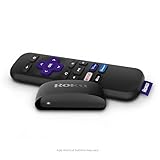
- Streaming made easy: Roku Express lets you stream free, live and premium TV over the Internet—right to your TV. It’s perfect for new users, secondary TVs and easy gifting—but powerful enough for seasoned pros
- Quick and easy setup: Just plug it into your TV with the included High Speed HDMI Cable and connect to the internet to get started
- Tons of power, tons of fun: Compact and power-packed, you’ll stream your favorites with ease; from movies and series on Apple TV, Prime Video, Netflix, The Roku Channel, HBO, Showtime and Google Play to cable alternatives like Hulu with Live TV and PlayStation Vue, enjoy the most talked about TV across free and paid channels
- Low cost, no extra fees: For under $30, Roku Express streaming device includes a High Speed HDMI Cable—and there’s no monthly equipment fee; with access to free TV on hundreds of channels, there’s plenty to stream without spending extra
- Simple remote: Incredibly easy to use, this remote features shortcut buttons to popular streaming channels
Neither Android TV nor Roku TV determines picture quality. Panel type, backlight, brightness, contrast, processing, HDR support and refresh rate are more relevant. Compare those specifications on the exact TVs you are considering.
There is no safe universal rule that Roku or Android TV receives updates longer. Support varies by maker, model year, hardware and platform policy; apps can also change their requirements over time. If the screen is the right one but its built-in software is slow or limited, an external streamer can be a practical alternative. It may refresh the streaming experience without replacing the TV, but it is not a guarantee of longer support.
Which should you choose?
- Choose Google TV/Android TV if you use Google services, want built-in Google Cast, value cross-service discovery, or need Android-oriented app flexibility. Advanced uses such as sideloading, games and media-player apps depend on device hardware and app compatibility.
- Choose Roku TV if you mainly use mainstream streaming services and want a clear, app-focused home screen that is easy to explain to family or guests. It is a good fit when simplicity matters more than extensive customization.
- For an iPhone household, do not assume either option is automatically best. Check AirPlay, HomeKit and Apple-service support on the exact model.
- For gaming or advanced media use, Google TV/Android TV usually offers more potential flexibility, but confirm support for the specific game, controller, service or app. The TV’s hardware may be the limiting factor.
- If picture quality is the priority, compare the displays first. You can choose an external streamer later if you prefer its interface.
What to check before buying
- Confirm whether the listing specifies Google TV, Android TV, Roku TV or another operating system.
- Check that your must-have streaming apps and their required picture or audio features work in your country on that exact model.
- Verify the casting method you need: Google Cast, Roku app casting, screen mirroring, AirPlay or another option.
- Check whether the included remote has voice control and the buttons or functions you want.
- Compare screen and hardware specifications—including HDR, refresh rate, HDMI ports and eARC—separately from the operating system.
- Look at model-specific information on software updates, responsiveness, Wi-Fi and Ethernet, and manufacturer support.
- If you already own a streamer or console, consider whether the TV’s built-in platform needs to affect your choice at all.
The best choice is the one that fits your services, devices and tolerance for interface complexity. Roku leans toward simplicity; Google TV/Android TV leans toward Google integration and flexibility. For a new television, choose the display and hardware you want first, then treat the built-in platform as one important—but replaceable—part of the decision.
Quick Recap
Product prices and availability are accurate as of the date/time indicated and are subject to change. Any price and availability information displayed on Amazon at the time of purchase will apply.

