Kate Cantrell’s criticism of Elizabeth Gilbert’s memoir All the Way to the River: Love, Loss, and Liberation is that its language of spiritual transformation can make private suffering sound universal while leaving the financial privilege behind that transformation unexamined. Her verdict is pointed, but not uncomplicated: she says the book is saccharine and self-serving at its worst, yet gripping and genuinely funny at its best.
What is All the Way to the River about?
Gilbert’s memoir follows her relationship with Rayya Elias, first a friend and later her partner, through addiction, cancer, grief and recovery. Reviews describe an intense relationship shaped by Elias’s relapse and final illness, and by Gilbert’s account of enabling and despair. These are the memoir’s recollections as summarized by reviewers, not independently verified accounts of private events or clinical diagnoses.

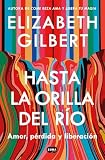


The emotional force of that story is part of what makes the book’s style such a point of disagreement. The question is not simply whether the events are painful, but whether the memoir’s spiritual and self-help language helps readers understand them—or turns them into lessons too neatly.
Why does Kate Cantrell call the memoir tone-deaf?
In her review, Cantrell objects to Gilbert’s posture as a spiritual guide and to the book’s affirmations, poems and brief, aphoristic vignettes. She argues that language of enlightenment and self-transformation can present a privileged life as broadly relatable while obscuring the financial access that makes some experiences possible. “Wealthy,” “whiny” and “tone deaf” are Cantrell’s critical judgments, not neutral descriptions or a consensus among reviewers.
Crashes, No Sound, or Screen Glitches?
Random freezes, missing sound and display glitches usually trace back to one bad driver. Find and replace yours safely.Free scan · under a minuteWindows Errors? Fix Them Before They Spread
Repair common Windows errors and clear accumulated junk for a smoother, more stable PC - no reinstall needed.Free scan · no reinstall#1 Best Overall
Cantrell places the book in the frame of “priv-lit,” or privileged literature, a term she says writers Joshunda Sanders and Diana Barnes-Brown defined in 2010. It is a critical lens rather than an official literary category: the issue is how a narrative’s resources and assumptions shape the story it tells about personal growth.
That critique is sharpened by Gilbert’s fame. Cantrell’s review reports that Eat, Pray, Love sold 30 million copies and appeared in more than 30 languages; those are figures reported in her 2025 review, not independently verified here. The scale of that success helps explain why readers may approach Gilbert’s newest memoir with expectations formed by her earlier public image.
How do other reviews assess the book?
Reviews in The New Yorker, The Washington Post and The Guardian share reservations about the self-help framing, but they do not reduce the book to a single verdict.
| Review | What the reviewer questions | What the reviewer finds effective |
|---|---|---|
| The New Yorker | The self-help framework can feel mismatched to the darkest events. | Gilbert comes across as funnier and more self-aware than her public image might suggest. |
| The Washington Post | Some connective passages feel didactic and self-indulgent. | The strongest scenes are affecting; the review also notes how Gilbert’s earlier success shapes expectations. Meredith Maran’s 2025 review reports 25 million copies sold for Gilbert’s books to date, a different scope from Cantrell’s figure for Eat, Pray, Love. |
| The Guardian | The opening imagined letter, poems and self-help language draw sharp criticism. | Scenes in which Gilbert exposes her flaws, and the account of Elias’s final days, are described as raw, funny and moving. |
Across these reviews, the main divide is not whether the relationship’s story is painful. It is whether the reflective framework earns its place beside that pain, whether Gilbert’s self-exposure reads as awareness or self-dramatization, and whether the vivid scenes outweigh the didactic passages.
Rank #3
Does the memoir’s strongest material overcome its flaws?
For Cantrell, the answer changes with the writing. The memoir can be gripping and funny, but its affirmations and spiritual commentary can also feel solipsistic and self-serving. The other reviews echo that tension: they criticize passages that explain or instruct, while recognizing scenes that are emotionally forceful and, at times, sharply self-aware.
That split matters for readers drawn to the memoir’s account of love, addiction, illness and loss. A reader who wants an unvarnished narrative may find the self-help language intrusive; one open to a memoir that mixes crisis with reflection may find the strongest scenes worth the uneven connective writing. The reviews support neither a blanket dismissal nor the claim that its spiritual framing works consistently.
Independent reader supportYour contribution helps us test, update, and keep practical guides available for everyone.Book details
All the Way to the River: Love, Loss, and Liberation is published by Riverhead Books. The publisher lists ISBN 9780593540992 and a length of 416 pages. Check the publisher’s listing for the book.
Quick Recap
Best Value
Product prices and availability are accurate as of the date/time indicated and are subject to change. Any price and availability information displayed on Amazon at the time of purchase will apply.
Free tools Windows power users keep installed
One-click scans. No signup required.




